Civil War Era Abolitionist, Orator, and Recruiter Resurrected
By Bob Ruegsegger · Originally published May 2020 · pp. 30–31
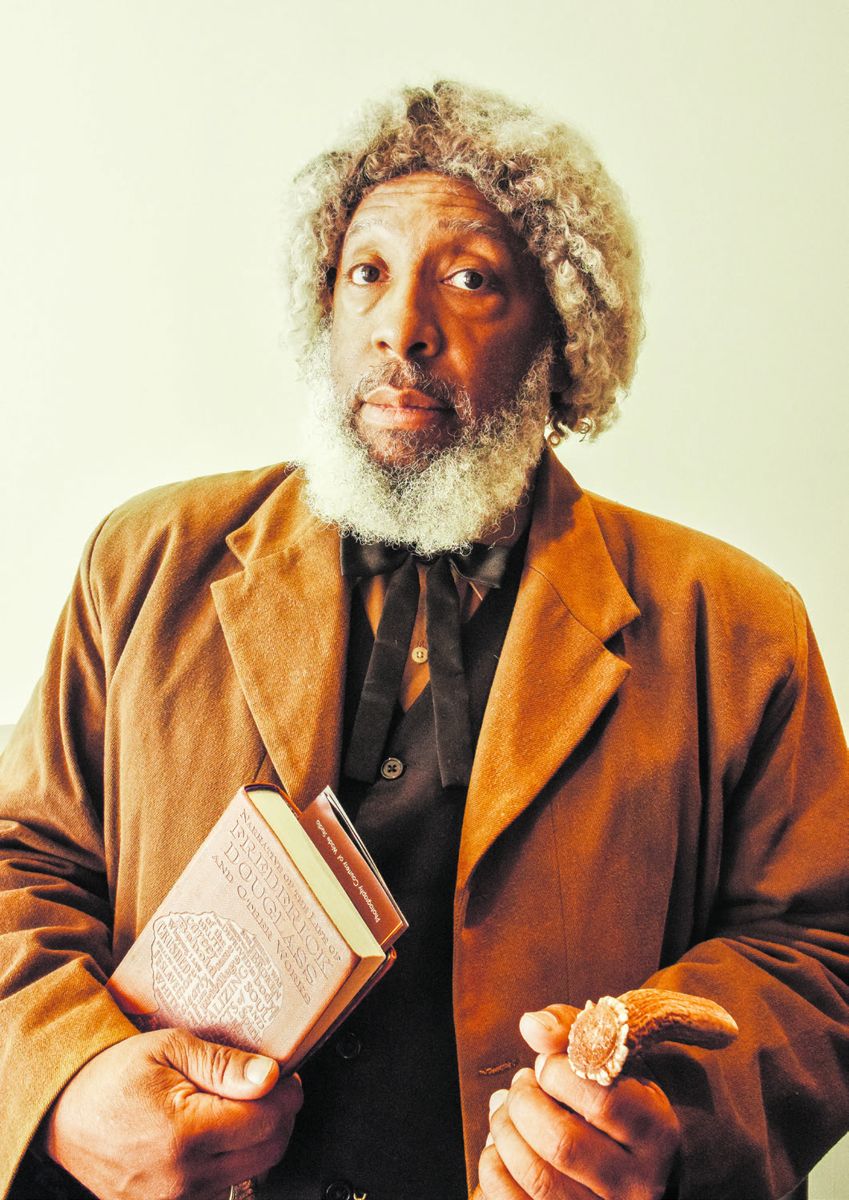
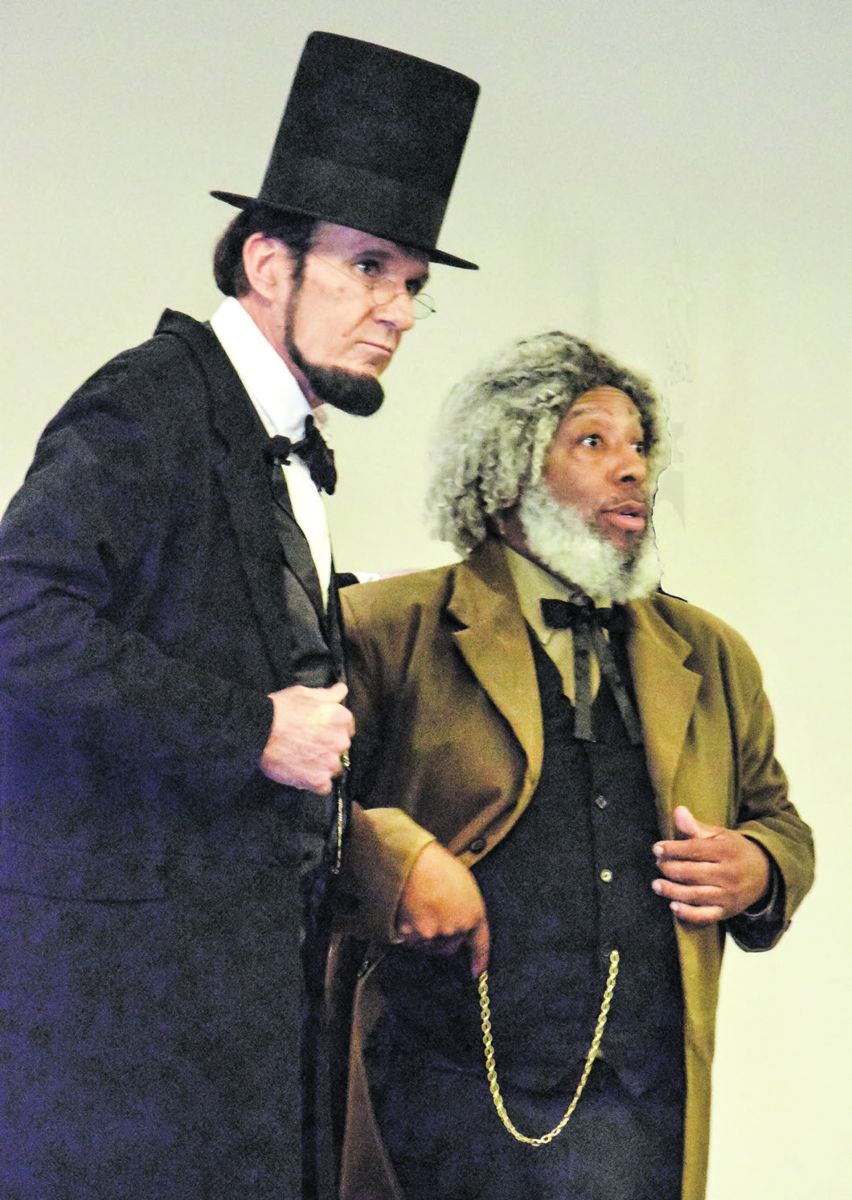
Frederick Douglass “dropped dead in the hallway of his residence” on Anacostia Heights in Washington, D.C., on the evening of February 20, 1895. Douglass’ death was completely unexpected. His sudden demise, even at the age of 78, seemed untimely. Thousands gathered to mourn the passing of, arguably, America’s foremost abolitionist. America’s most celebrated black abolitionist was born into slavery as Frederick Augustus Washington Bailey in Talbot County, Md. He escaped his bonds and fled to freedom via New York. From the Empire State, Frederick Douglass and his bride boarded the John W. Richmond, a steamship that stopped in Newport, R.I., before sailing on to New Bedford, Mass. For the last six years, Nathan M. Richardson, has been resurrecting the revolutionary abolitionist for the edification of his audiences through living history programs. “I was born and raised in Suffolk, Va.,” said Richardson. “I live one block from Washington Street now, but I was born in a little town called Buckhorn.” Richardson’s friend Shelia Arnold, a “fantastic storyteller,” came to him and suggested that he should consider portraying Frederick Douglass. “I think you could do a really good job,” Arnold told him. “There’s not a lot of African American men doing living history.” Richardson was reluctant at first, but after about a year of prodding he began looking at various figures to portray, Booker T. Washington and W.E. B. Du Bois were among his candidates. “When I saw Douglass, the first thing I noticed, of course, was that his appearance was similar to mine,” said Richardson. “When I started reading his words, I fell in love with the literary style of his words and oratory. That was the beginning of it.” Most recently Richardson, as Frederick Douglass, had the opportunity to rub elbows with George Buss, as Abraham Lincoln, in the Huntington Room at the Mariners’ Museum in Newport News during a program called “Self-Made Men.” The program explored the backgrounds of both men and their relationship; especially regarding the issue of slavery and the prosecution of the Civil War. “I started finding out over the last six years just how many things I actually have in common with Frederick Douglass,” said Richardson. “Including the fact that I’m basically a selfmade man, a self-made poet, and now, a self-made historian. I have a lot in common with Frederick Douglass.” At one time, before Abraham Lincoln became President, Frederick Douglass may have actually been more famous than
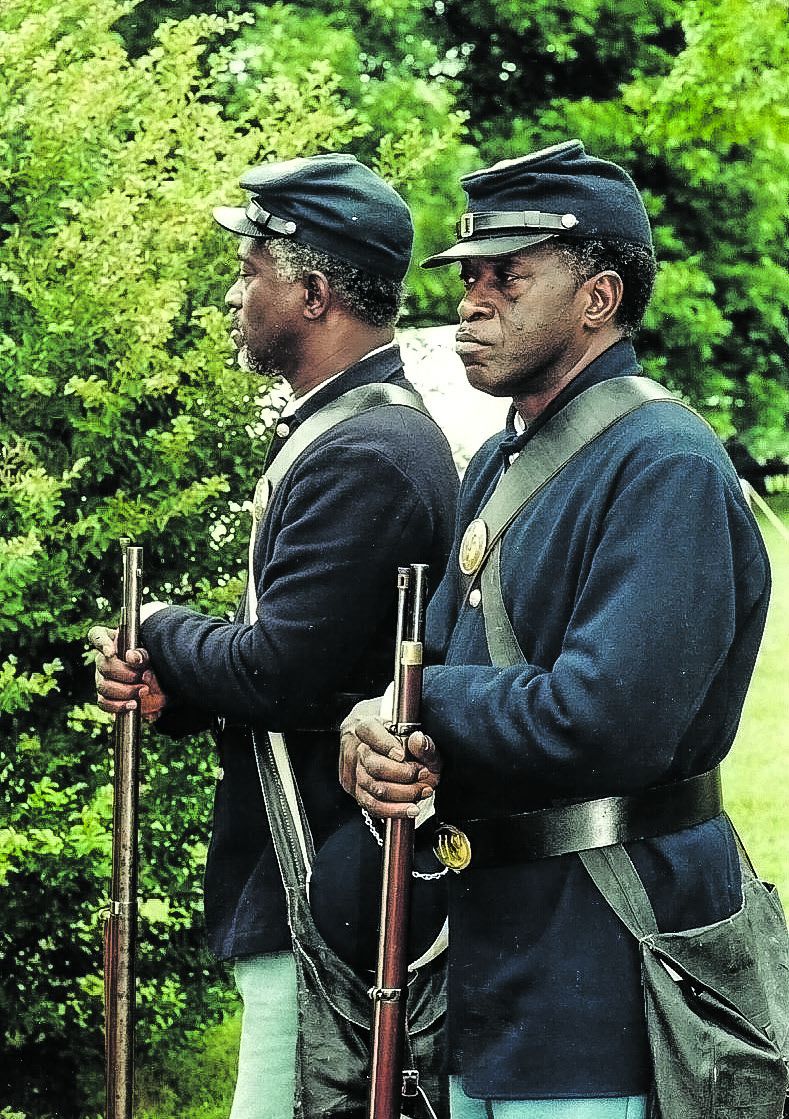
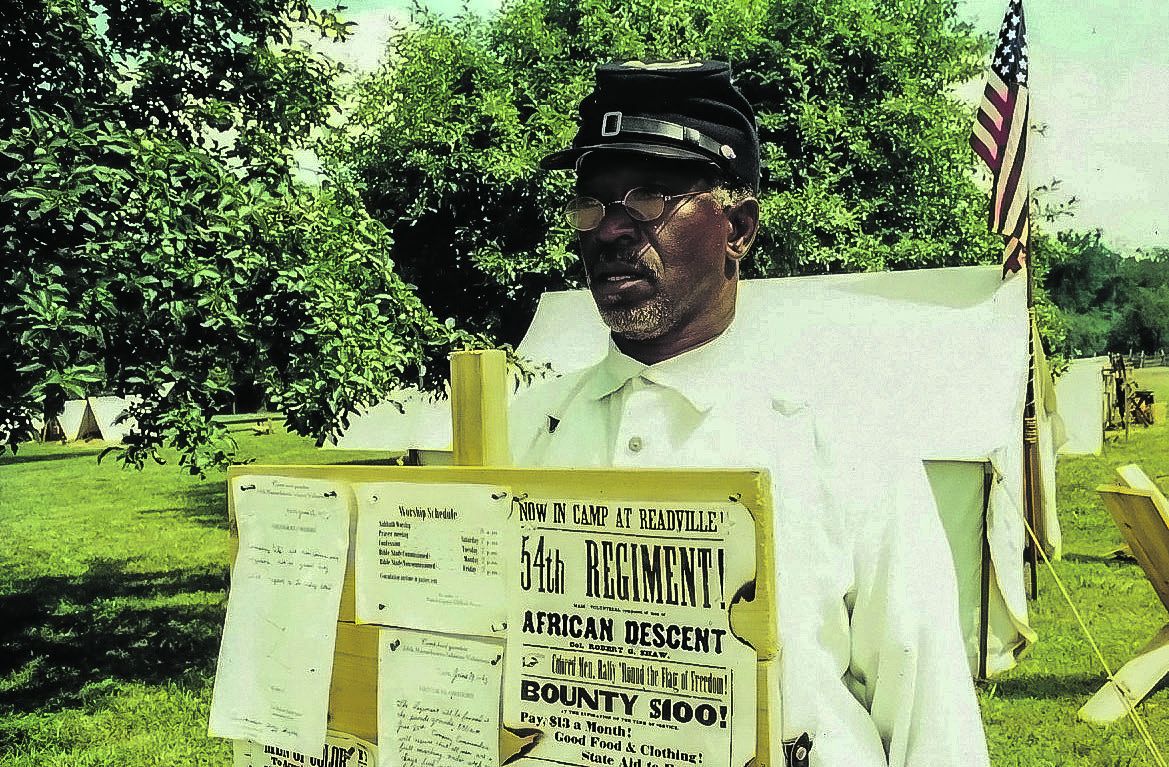
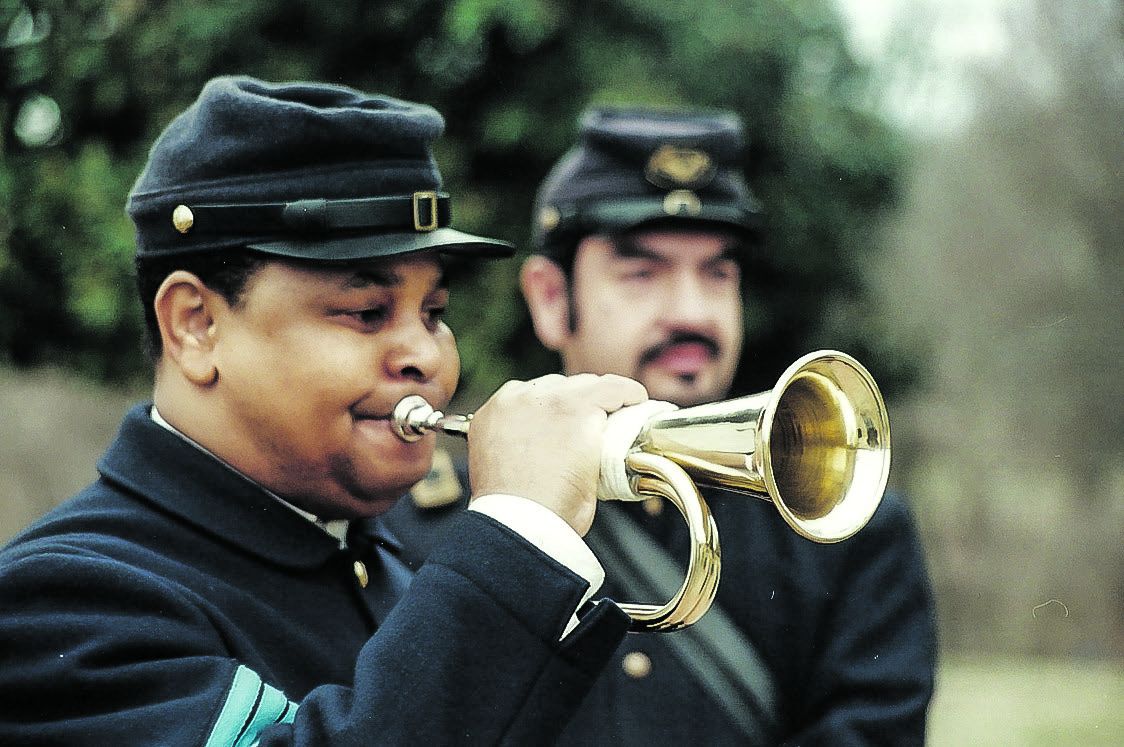
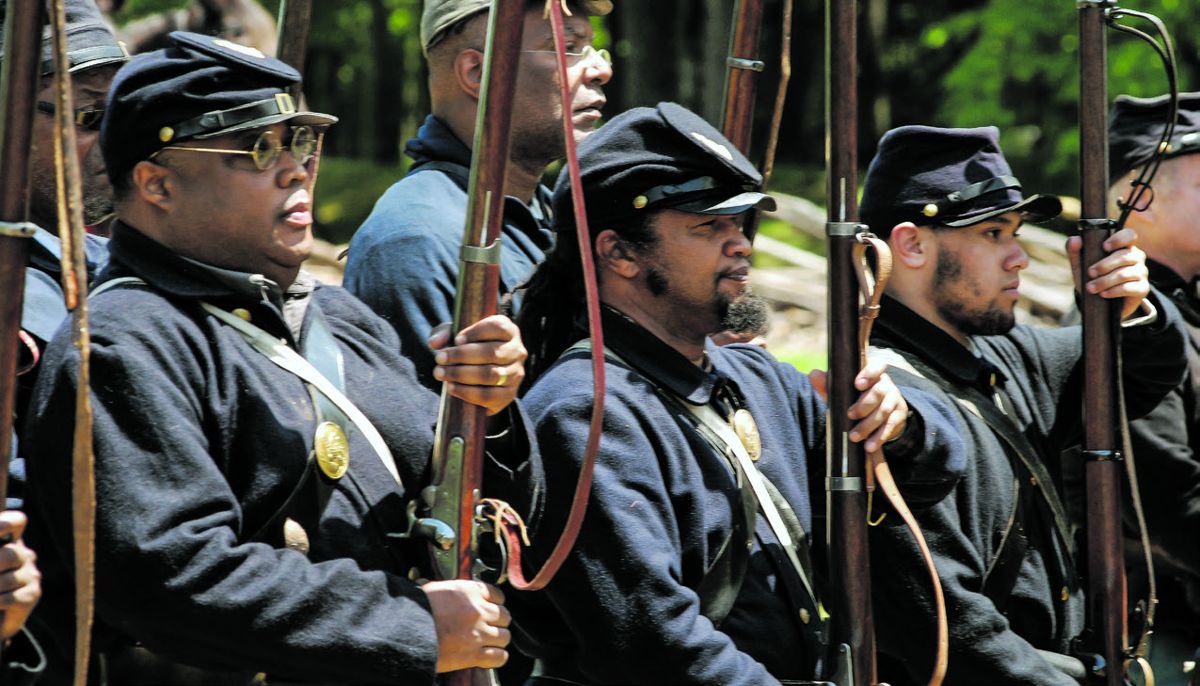
Lincoln, especially among the African American population. “It depends on what particular realm you’re talking about. Of course, in the African American community, Douglass was the leader of the nation, of the people,” said Richardson. “It’s possible from a historical perspective that Douglass was more popular in the 19th century,” he said. “Now that you have the hindsight of 20/20, looking back, what Lincoln accomplished after his death made him the most famous.” While Lincoln and Douglass were never hostile opponents, they did view the Civil War as it related to slavery from different perspectives. Although Lincoln was opposed to slavery, preserving the Union was his primary objective in waging the Civil War. Douglass passionately maintained that the central purpose of the war ought to be the total and everlasting abolishment of slavery. They certainly started out, not as adversaries, but certainly with a side-eye at one another,” said Richardson. “They were critical of one another, especially Douglass of Lincoln,” he noted. “After they had an opportunity to meet and feel the character of each person, one for another, they definitely had a great amount of respect for each other.” For Lincoln, the war was a practical matter. He had to win the war. On the other hand, Douglass had an institution, slavery, that had to be abolished on moral grounds. Ultimately, the Civil War became the necessary vehicle for preserving the Union and eliminating slavery. Prior to the Civil War, Frederick Douglass was among the most dominant abolitionists in the nation. During the Civil War, Douglass was initially a recruiter and later an advocate for black soldiers. “Once they got permission from Lincoln’s cabinet to add black soldiers to the fight, he started recruiting,” said Richardson. “Right off the bat, his two oldest sons, Charles and Lewis, joined the 54th Massachusetts Infantry Regiment,” he noted. “Many people don’t know that his youngest son, Frederick Jr., was also in the military. They sent him out to the Mississippi River Valley. He recruited black soldiers out there.” From the beginning, Douglass campaigned for the recruitment of black soldiers in the Union army. He firmly believed that African Americans would eventually become full citizens, only after they had participated in the fight for their own liberation. In Douglass’ mind, the Emancipation Proclamation was only a step toward liberty and citizenship. He believed that black Americans would have to earn their freedom and their right to citizenship through violence, violence that came on the battlefield. “Once let the black man get upon his person the brass letters, U.S., let him get an eagle upon his button and a musket on his shoulder…and there’s no power on earth which can deny that he has earned the right to citizenship in the United States,” observed Douglass.
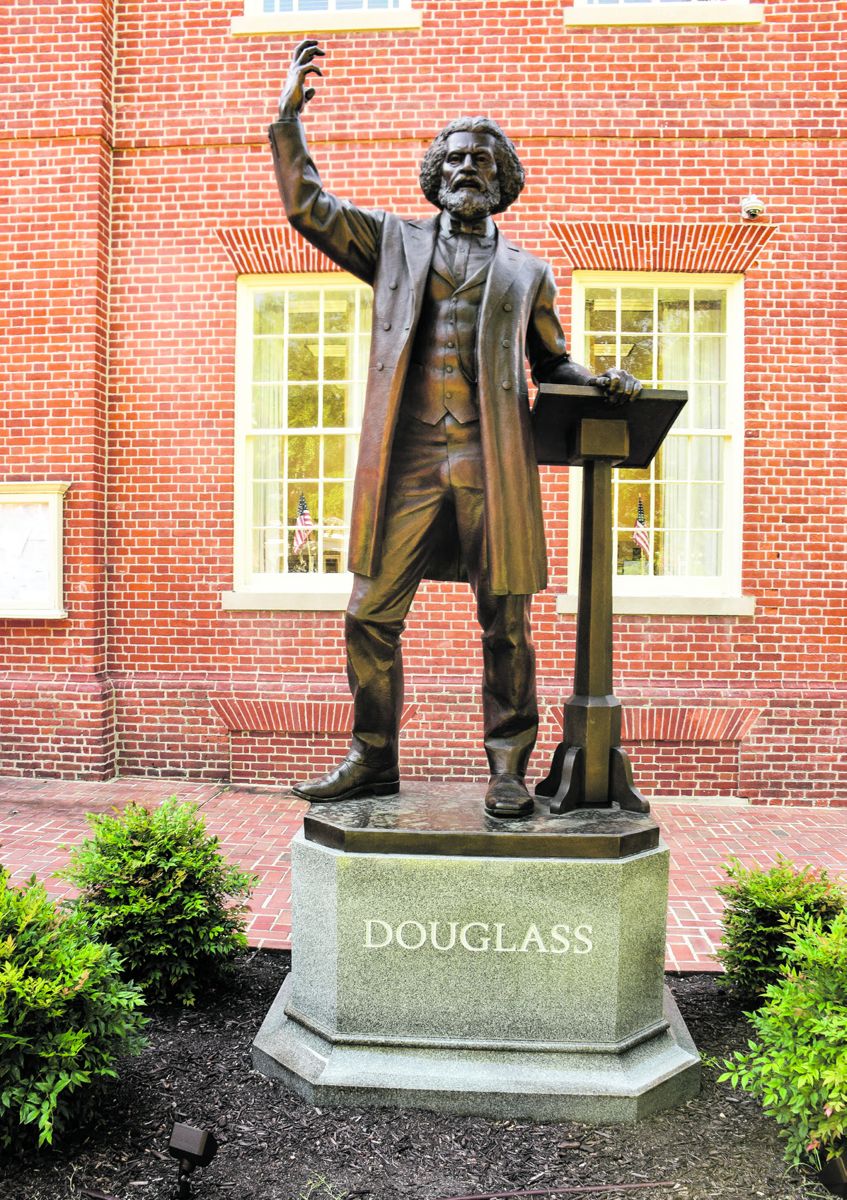
While Frederick Douglass whole-heartedly stirred black men to enlist in the Union army to fight for their own freedom and the total abolishment of slavery, Douglas, although perhaps tempted, never was willing to answer personally his own call to arms. Douglass saw black units commanded by white officers. He discovered that black recruits and soldiers were not receiving the same pay as their white counterparts. Douglass learned to his horror that black soldiers who surrendered or were captured were not accorded the status of prisoners-of-war.
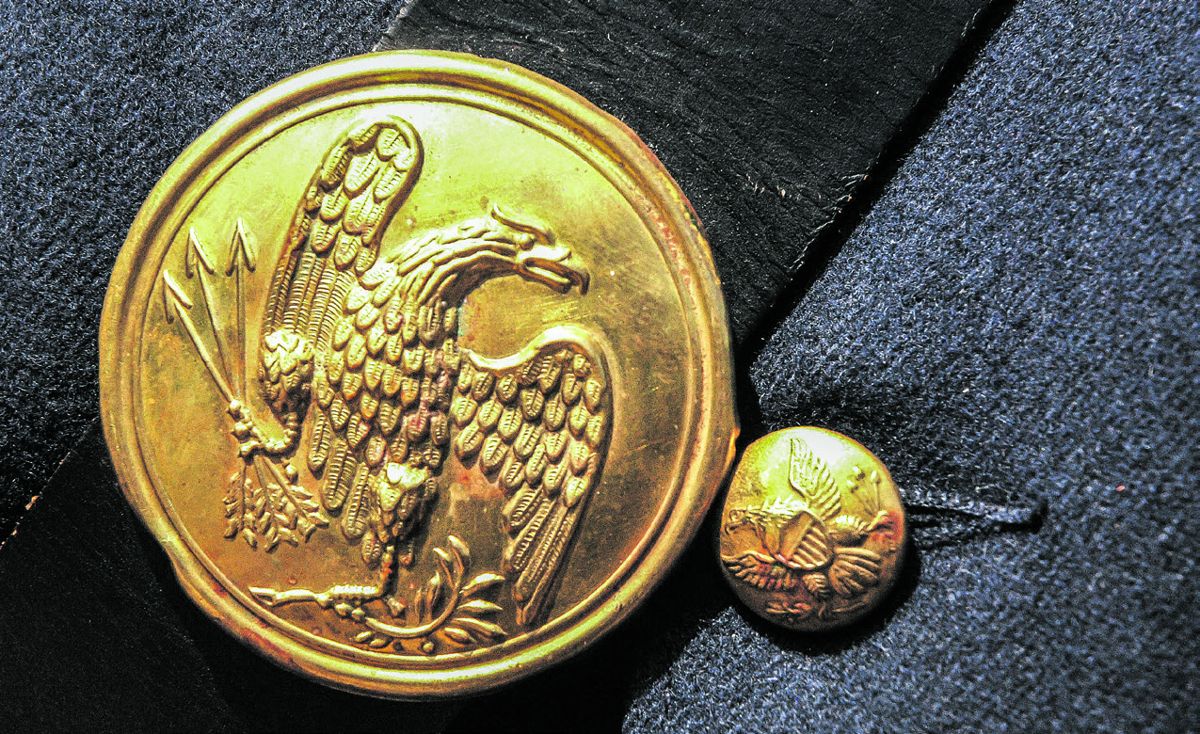
While Douglass, the recruiter, had assured prospective soldiers that they, as soldiers, would be treated as equals by their white comrades, the reality was that black soldiers did not receive equal pay. They were paid as laborers rather than soldiers. Racism in the army and on the battlefield was a reality. Douglass felt he had betrayed the men he recruited by assuring them that they would be treated equally. He had serious reservations about whether he could with a clear conscience continue recruiting men for the Union army. “Douglass had an issue with Lincoln about black soldiers’ pay. That was the catalyst for his first meeting with Lincoln,” said
Richardson. “There were three grievances; one was equal pay, no black officers, and no such thing as a black prisoner-of-war,” he explained. “Most colored men who were captured were executed or sold to the South. So those were the three grievances he brought to President Lincoln for resolution.” Although President Lincoln couldn’t do a lot about Douglass’ grievances immediately, Lincoln demonstrated that he was a person who would listen to both sides of the argument. He listened intently to Douglass and the answers he gave Douglass were reasonable. “It was not as if President Lincoln were trying to dodge the issues. That first meeting was what solidified their relationship. It was kind of the honing of their relationship,” said Richardson. “They absolutely respected each other.” During his presentations, Nathan Richardson carries a cane to represent the gift Mary Todd Lincoln sent Frederick Douglass following President Lincoln’s assassination. The walking stick arrived with a letter from Mrs. Lincoln explaining that the President would’ve wanted him to have the cane out of respect for Douglass as a man and as the leader of his race. Richardson hopes that his portrayal of Frederick Douglass will provide inspiration for others to follow Douglass’ example in the pursuit of their own “greatness.” “The things that inspired Douglass to be great were the things he was denied. He was denied his freedom. He was denied an education. He was denied citizenship and the right to vote,” noted Richardson. “If you’re looking for inspiration or motivation in the modern era, look for those things that you are being denied,” he said. “Don’t just sit down and take it. Use the First Amendment. Get out there and agitate.”
Bob Ruegsegger is an American by birth and a Virginian. His assignments frequently take him to historic sites throughout Virginia, the Mid-Atlantic, and the Southeast. His favorite haunts include sites within Virginia’s Historic Triangle—Jamestown, Yorktown, and Williamsburg. Bob served briefly in the U.S. Navy. He is a retired educator and has been an active newspaper journalist for the last twenty years.