The Study’s Of Gettysburg
By Mike Shovlin · Originally published July 2020 · pp. 6–7
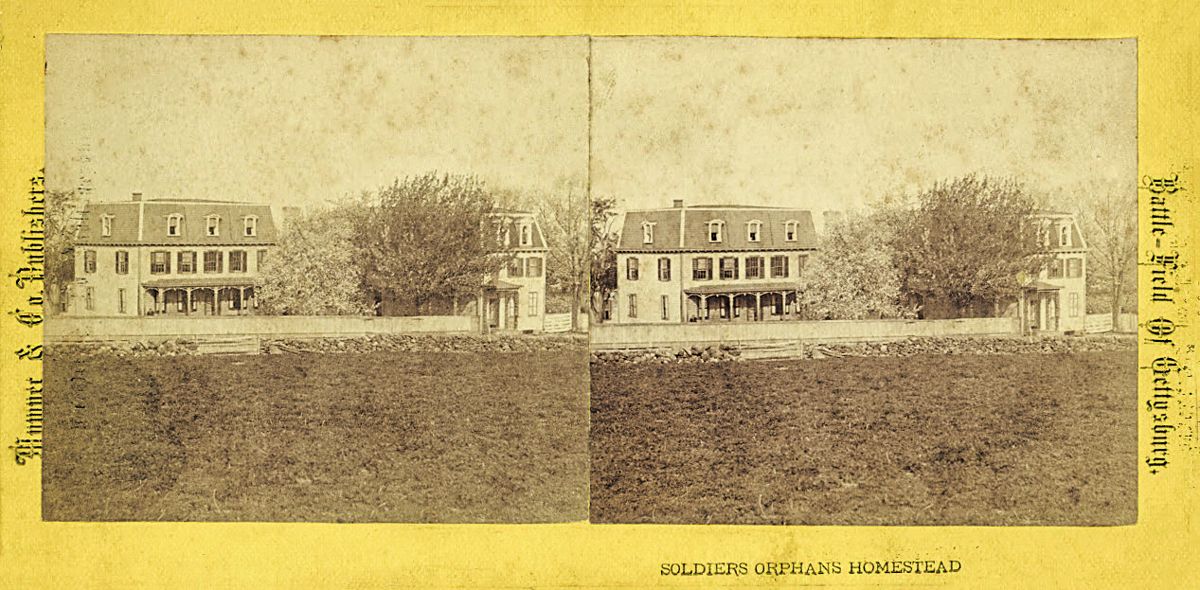
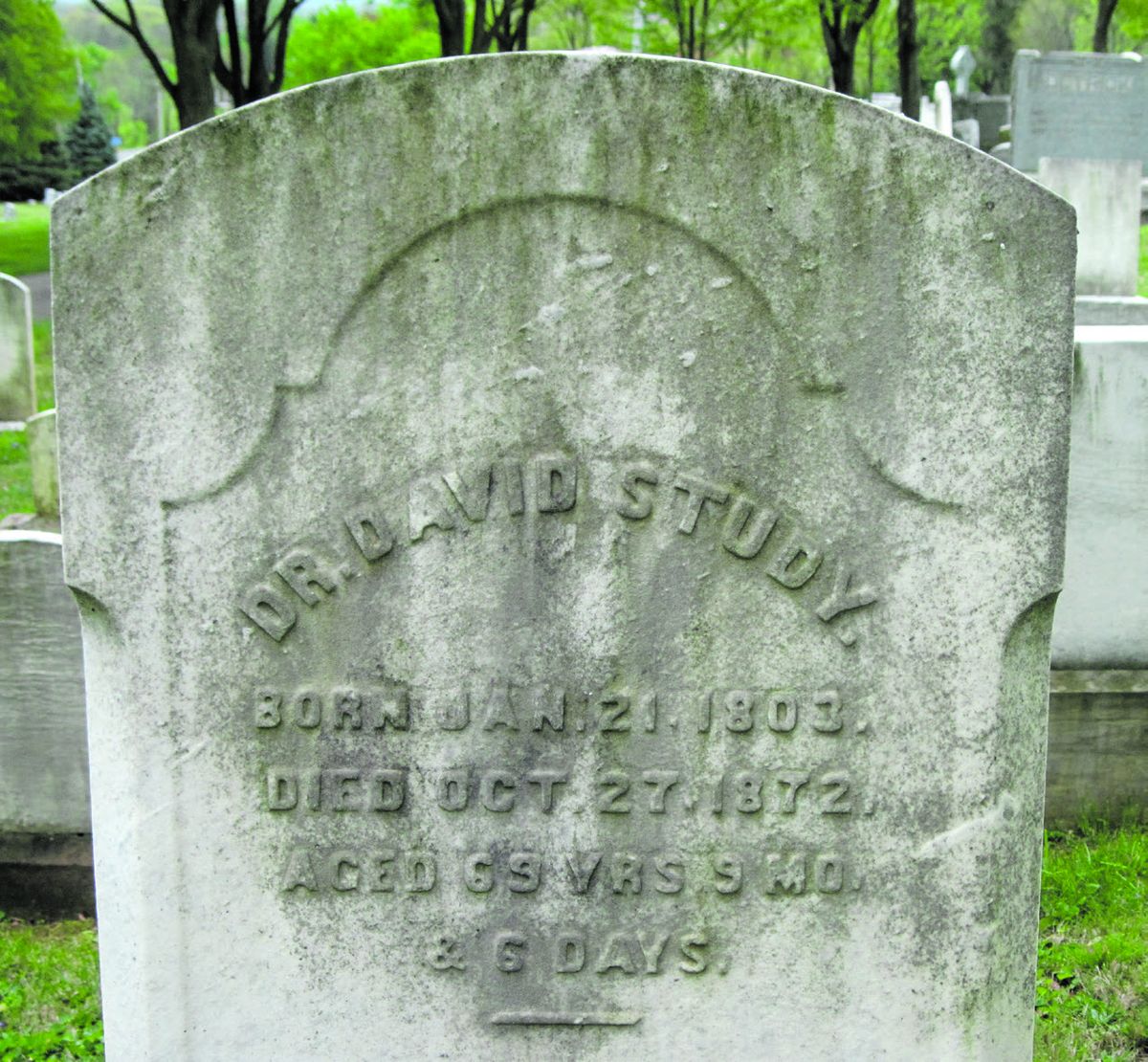
The Study’s Of Gettysburg by Mike Shovlin In this current time period of watching how individuals react to the change of their lifestyles, jobs and lack of basic supplies, it is amazing to see the difference in actions. We all now have experiences in dealing with situations we may have never imagined being part of our lives. Now, more than ever, we really can stand in awe of how our ancestors survived the aftermath of Civil War battles. Living in Gettysburg gives one pause on how the suffering after the battle must have been. Many stories have been written about the aftermath. We have seen books, articles, or town guides that try to relate what the Gettysburg citizens had to face in the months after the fighting. I became interested in researching a family whose members reacted differently from each other. This led to choosing the Study family members who had settled in Gettysburg. The Study’s were from Allegany County, Md. Their parents were Dr. John Study and Hannah Sell Study. The six children were: Jacob, David, John, Elizabeth, Catherine, and Lydia. Three children had moved to the Gettysburg area before the battle. The first we will look at is Dr. David Study. David first settled in Cumberland Township before he bought his home and office on Baltimore Street. I find Dr. Study fascinating because we can see him depicted in the Gettysburg Cyclorama leaning over a wounded soldier beside a haystack on his sister Lydia’s farm. During the battle, his sister and her children had taken refuge in his home. I am curious why a doctor’s home would not be used as a field hospital, especially with its location on Cemetery Hill. Many words have been written about the army surgeons having a poor opinion of local doctors thus limiting their use on the battlefields, but I find it odd that they did not use a facility that had medical supplies. Dr. Study’s sisters both had their homes used as temporary field hospitals Maybe David did go to Lydia’s farm to give aid. Was it after the fighting had stopped? What stories were told that led Paul Philippoteaux to put him in the painting? Dr. Study never married and eventually his home became a part of the orphanage on Baltimore Street. In the tough times after the battle, he had two nieces serve as housekeepers. David was buried in Evergreen Cemetery in 1872. Catherine Study was born in 1809 and married John Slyder on Sept. 25, 1838; together they moved to Gettysburg. They later bought 74 acres along Plum Run and Big Round Top. John and Catherine built a stone house and several outbuildings as they worked the farm. They had four children; William, Matilda Catherine, John, and Isaiah. On July 2, the family was told to leave the house. The Second US Sharpshooters under Colonel Homer R. Stoughton set up behind their walls and fences, defending against the Law’s Brigade’s 14th and 47th Alabama. The Sharpshooters fell back past Big Round Top as Hood’s Division moved beyond the Union’s left. The next day Farnsworth’s Brigade moved across the farm in an ill-fated cavalry attack. The family returned to find their crops destroyed, possessions gone or damaged. The buildings were used for a few days as an Dr. David Study’s headstone.
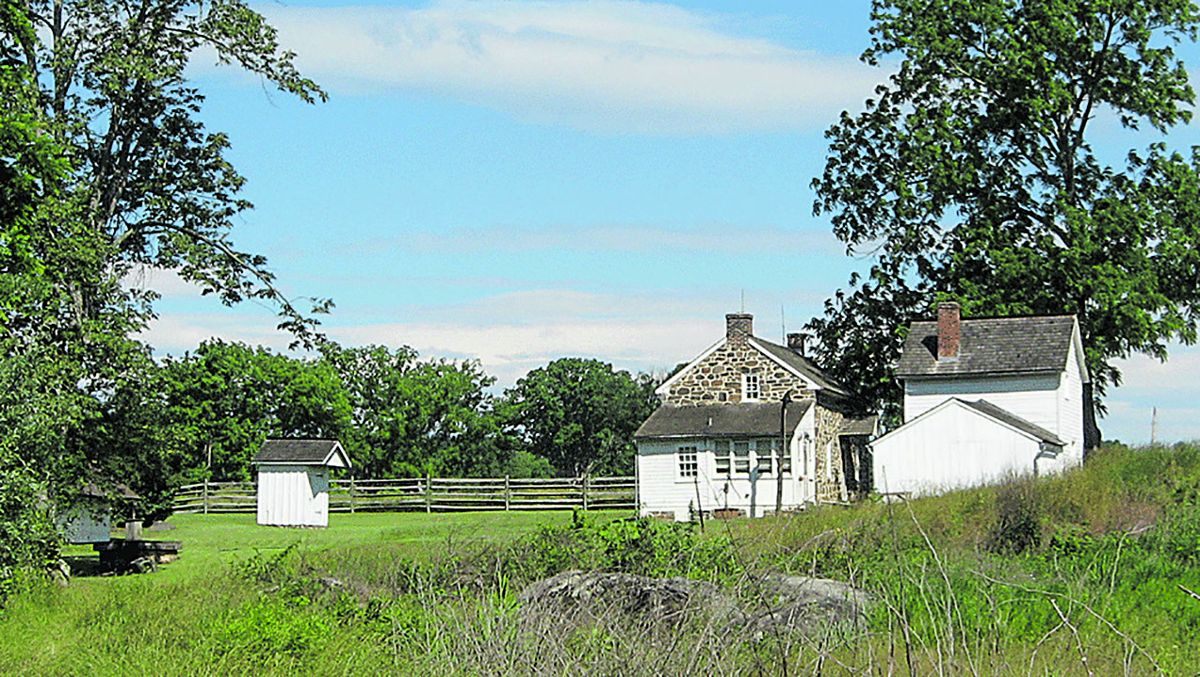
John and Catharine Slyder’s headstone. aid station. Remarkably, in looking at the research done by Greg Coco and Edward Richter, only three or four bodies were buried on the farm. One was identified as Colonel John A. Jones, 20th Georgia Infantry. His body was disinterred in December 1865, and shipped to his family in Columbus, Ga. The Slyder family found things beyond their capability. Compensation would only be made for damages done by the Union army that were supported by receipts or by eyewitnesses. By September their farm was up for sale and the family moved to western Ohio. Their oldest son William lost his wife, Rebecca, in 1862. William planned to move with his parents to Ohio, but first he would marry the girl across the Emmitsburg Road, Josephine Miller.
In the Gettysburg Compiler John stated “As I intend to move to the west, I will sell on very reasonable terms.” The farm today is better known as the Granite Farm. The last of the Study family in Gettysburg was the youngest. Lydia Study was born in 1811. She married James Leister around 1830 and they lived about 15 miles south of Gettysburg. By 1850 they moved to Greenmount, Penn. James had a drinking problem that led Lydia’s father to put her inheritance in a trust. When James died in December 1859, Lydia moved. She sold her late husband’s tools, and together with the money she inherited, bought nine acres along the Taneytown Road from Henry Bishop for nine hundred dollars. Lydia’s son Amos enlisted in the 165th Pennsylvania regiment, infantry in 1862. This left Lydia with her two youngest living in the home at the time of the battle. When asked to leave on July 1st they went to David Study’s home on Baltimore Street. After the battle, they were faced with destruction. Lydia did an interview in 1865 and never mentioned one thing about the battle itself. What she saw on her nine acres was burnt into her memory. “I owed a little on my land yit, and though I’d put in two lots of wheat that year, and it was all tramped down, and I didn’t get nothing from it. The fences was all torn down, so that there wasn’t one standing, and all the rails was burnt up. One shell came into the house and knocked a bedstead all to pieces for me. The porch was all knocked down. There were seventeen dead horses on my land. The dead horse’s spoiled my spring, so I had to have my well dug.” Amos was discharged in late
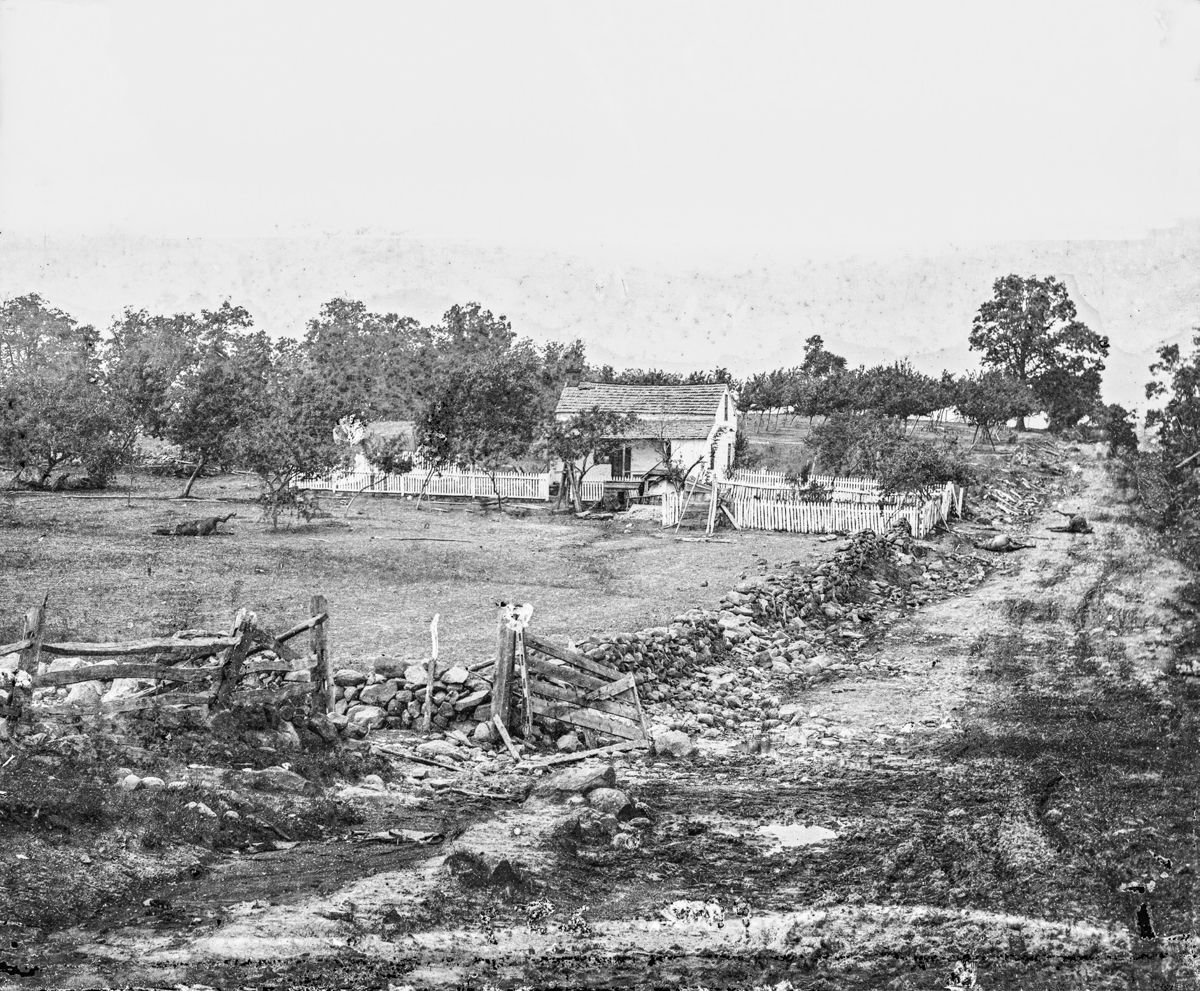
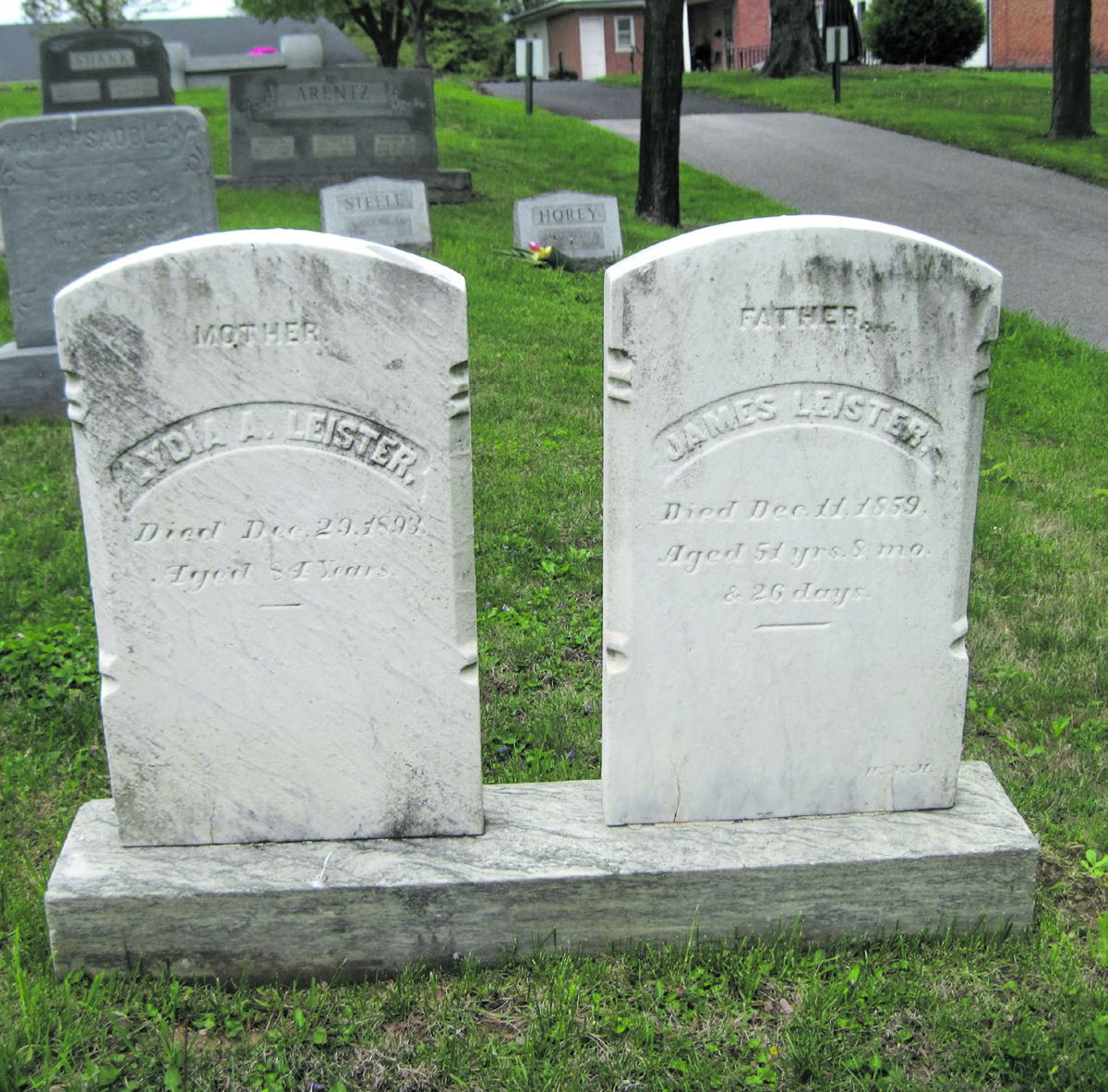
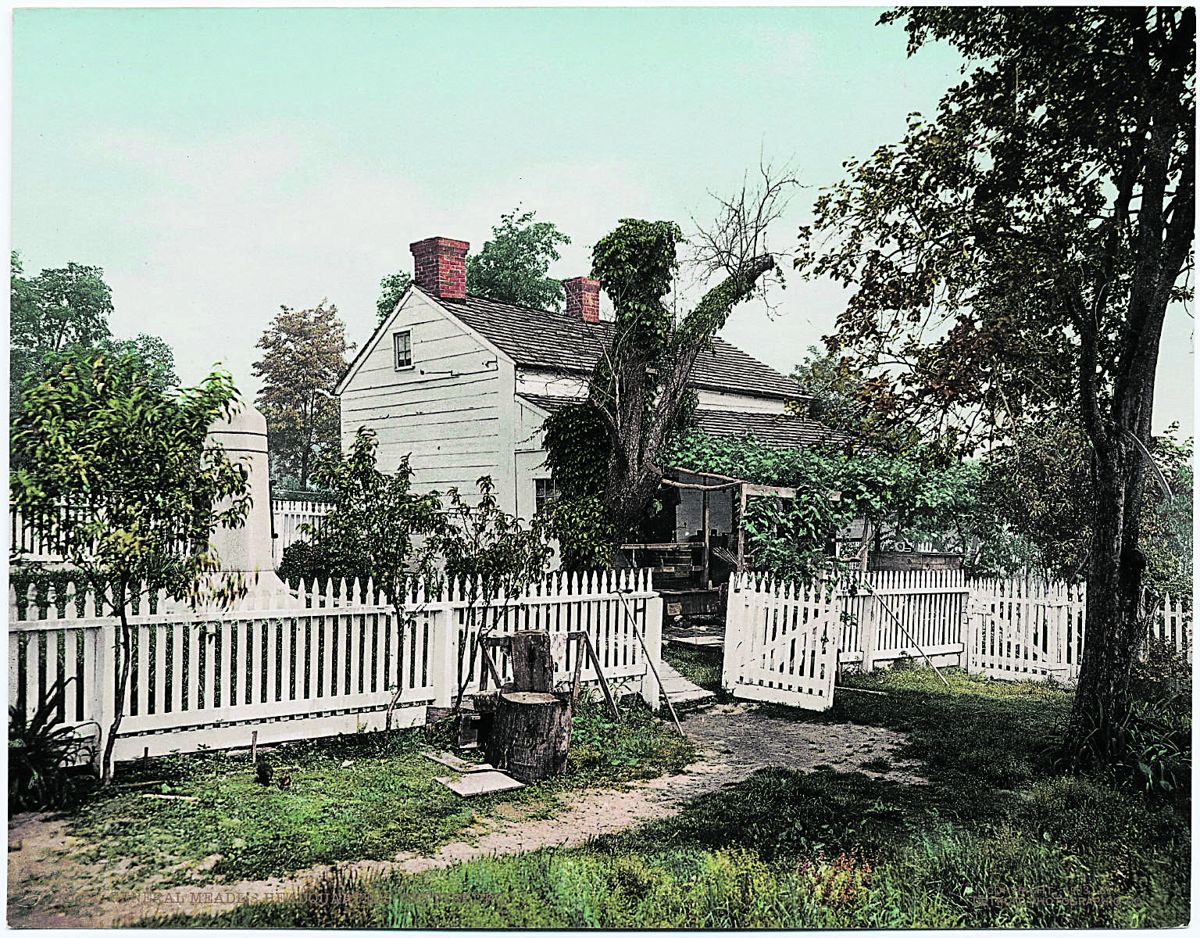
July and he helped burn the horses; the family collected the bones and sold them for fertilizer at fifty cents per one hundred pounds. Lydia Study Leister was faced with damaged buildings, ruined crops and peach trees, bad water and needed to replace her fencing. The home was used as an aid station/hospital as well as General Meade’s headquarters. When one thinks of all the adversities one can face in their lives, we can look back at Lydia Leister for inspiration on what can be done. Lydia replanted her crops and rebuilt her fences. Amazingly, by 1868 Lydia doubled the size of her farm by expanding to the north for nine hundred dollars. In 1874 she constructed a two-story addition to her home where she lived until 1888. The Battlefield Preservation Association offered her three thousand dollars for her farm. Her health was poor, and she made the decision to move into town. When she learned the Association was going to tear down her addition, she had them move it next to the Dobbin house she had purchased. Later she added to this house, and it still is in use as a bed and breakfast. Lydia lived her final days there, dying on Dec. 19, 1893. She is buried in Evergreen Cemetery. I cannot think of another who overcame more. A widow, still owing money, two children at home, her oldest son in the army and then seeing her older sister pull up stakes and move. Anytime I face adversities I can sit back, smile, and ask myself: What would Lydia do? Mike Shovlin is a graduate of Westminster College where he majored in history. He is currently employed by the Gettysburg Foundation as the lead Assistant at the Rupp House History Center.