Battle of Mill Springs Final Reenactment
By Gregory L. Wade · Originally published January 2020 · pp. 36–37
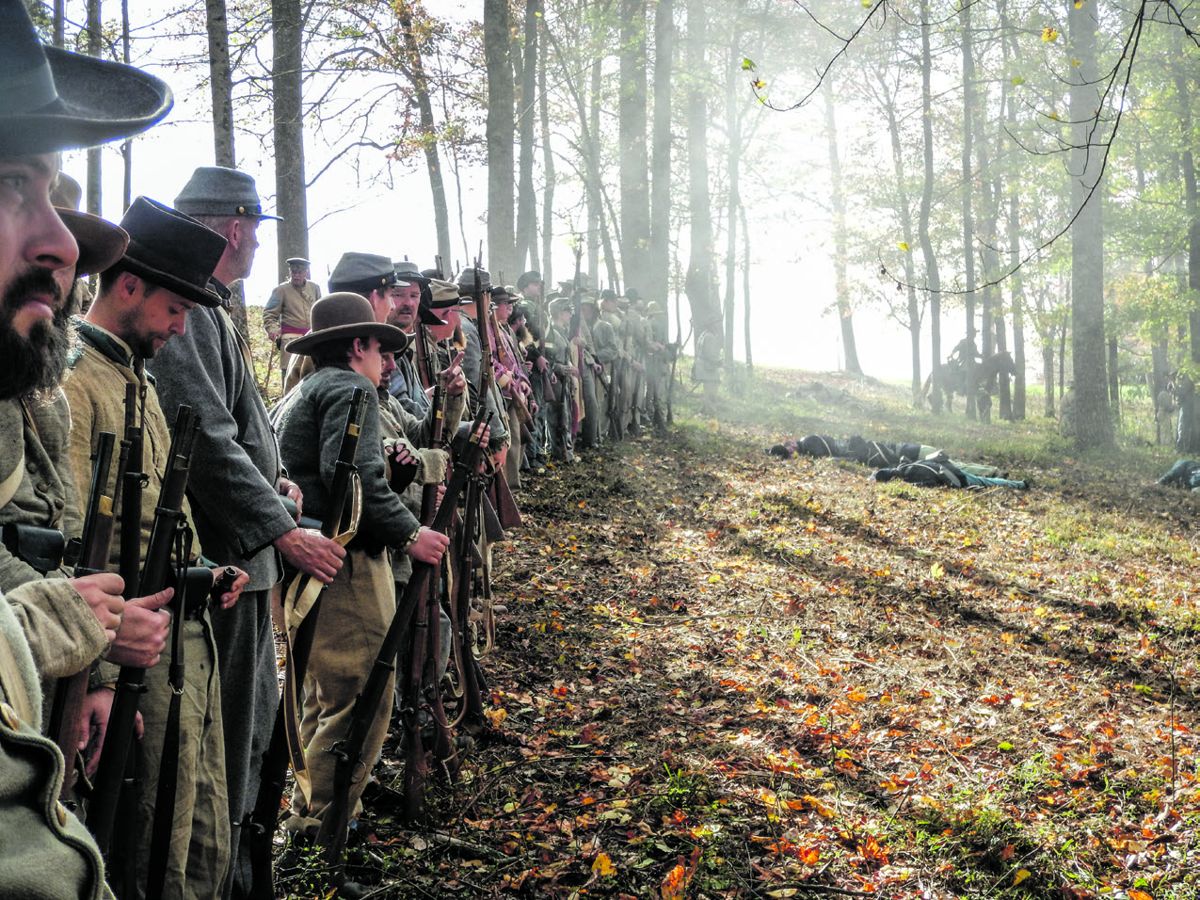
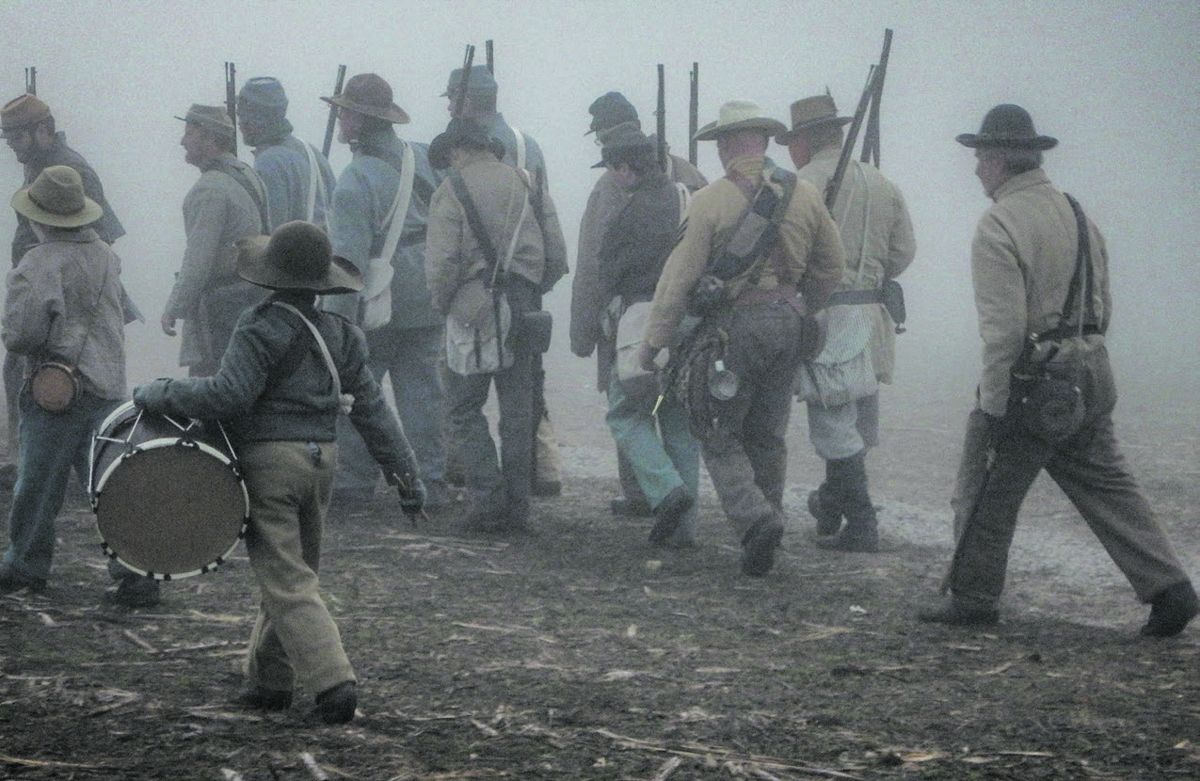
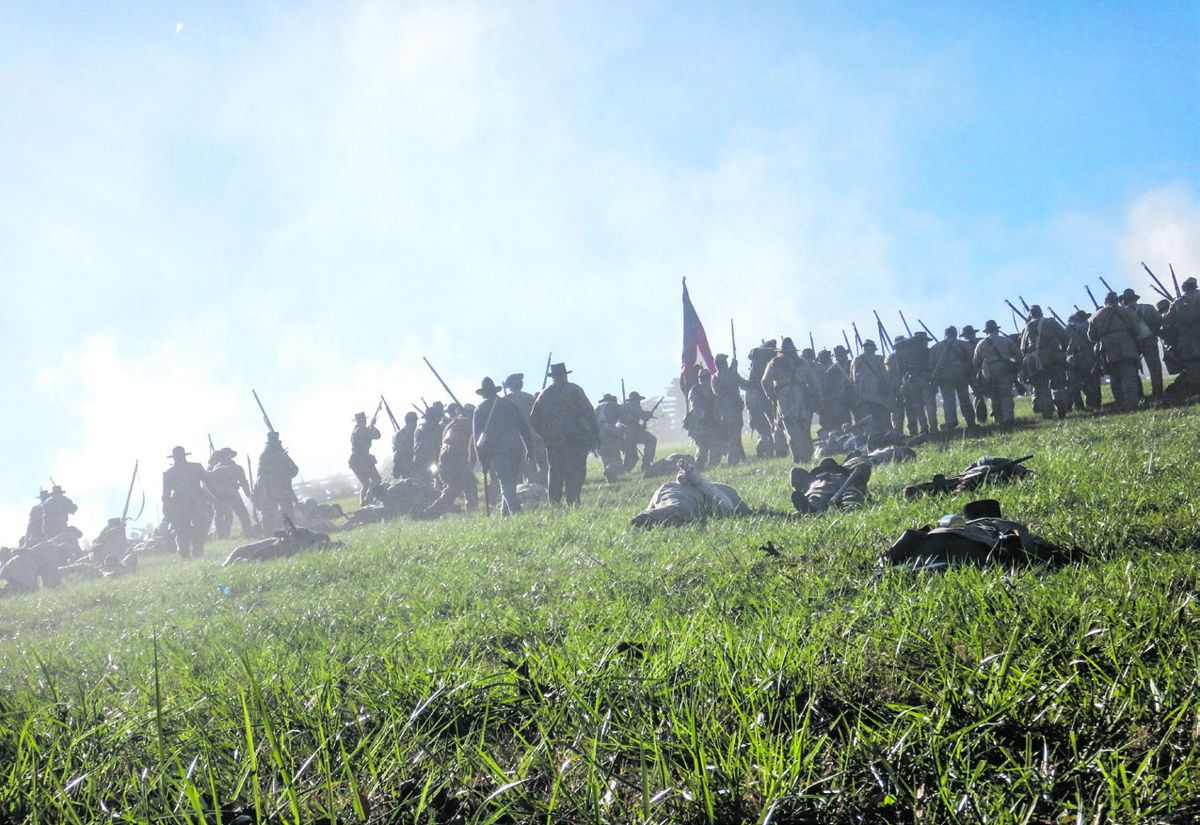
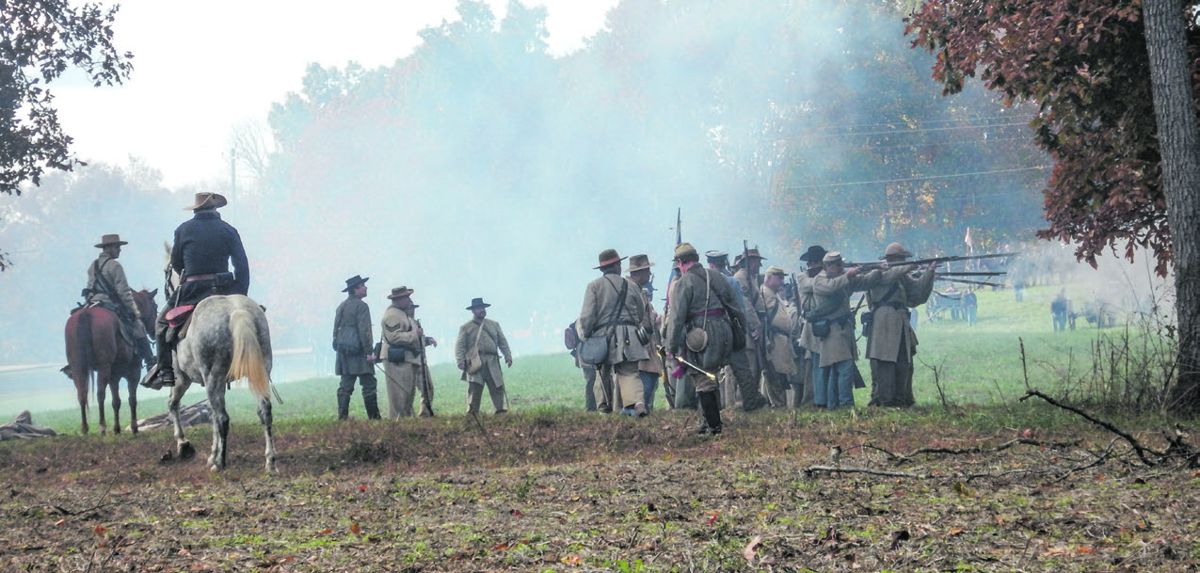
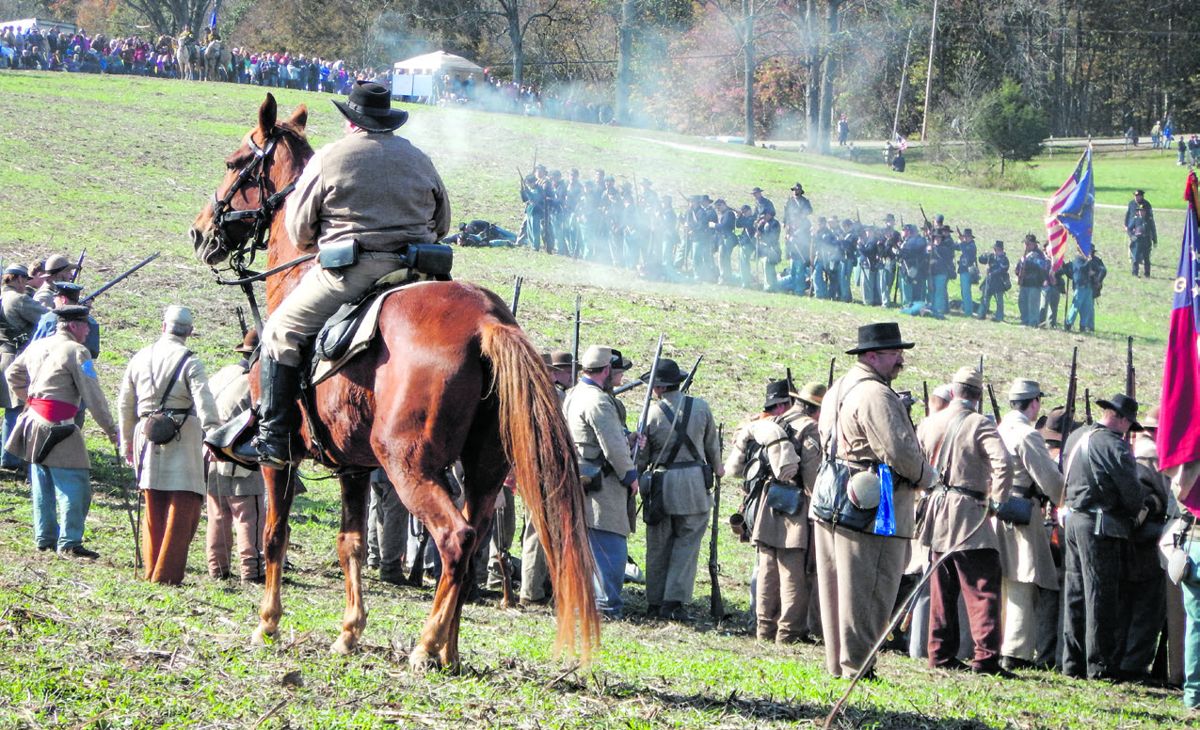
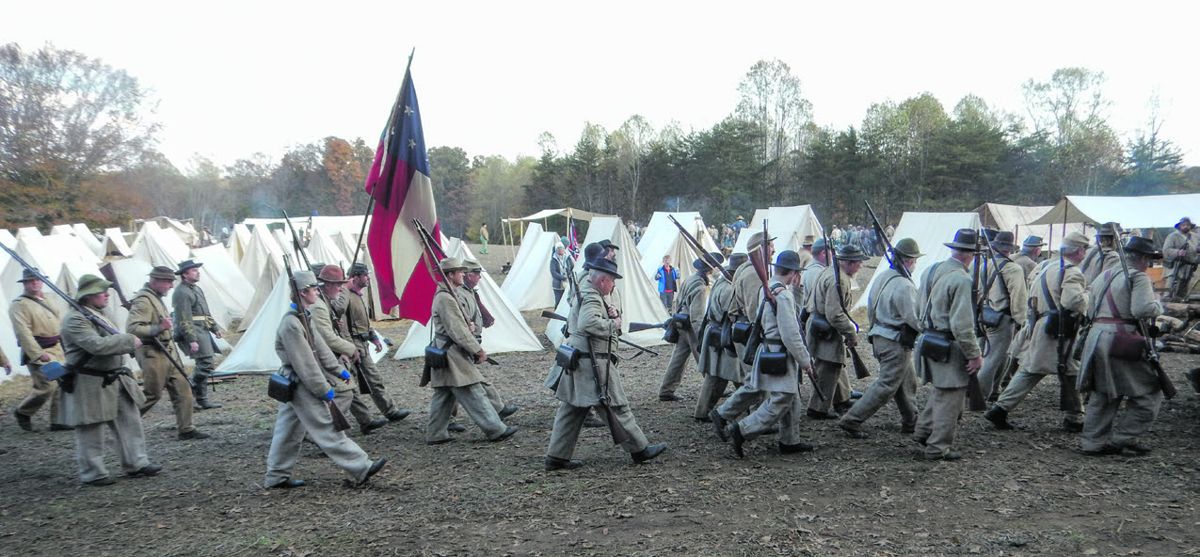
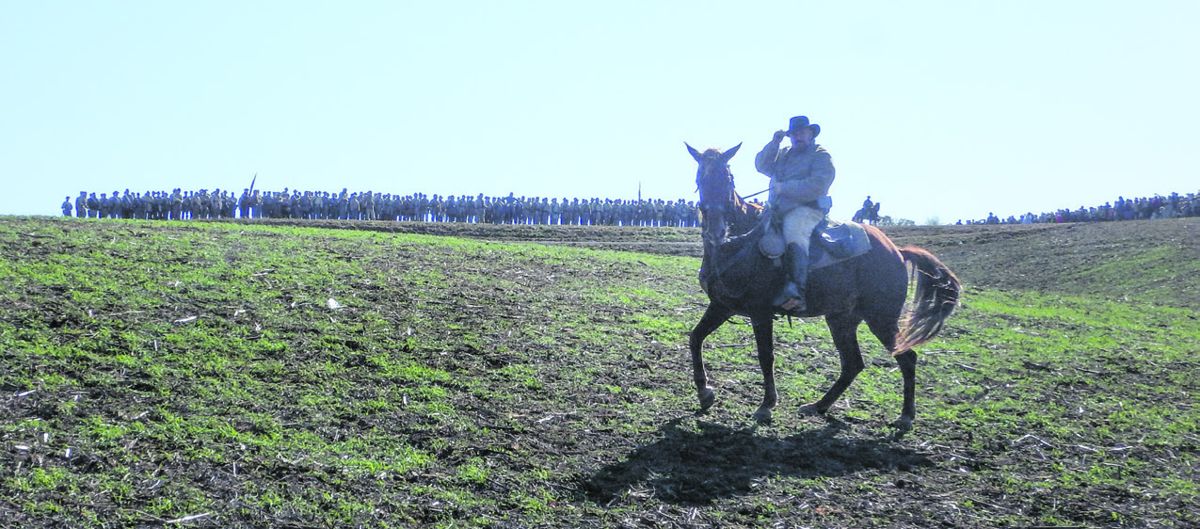
NANCY, Ky.—The 1862 Battle of Mill Springs 2019 Reenactment was held on a crisp early November weekend along the rolling terrain on the actual battle ground, likely the last major event to be held on this site. “We had over 1,000 reenactors and over 6,000 spectators including school groups and sponsors,” said Earl Zeckman of Atlanta Campaign Inc. who put on the event. He added there was one Confederate cavalry unit who, “came all the way from Alaska.” The night time lows dipped below freezing resulting in heavy morning fogs which added to the visual effects of troop and cavalry movements. In May, President Trump signed the John D. Dingell Jr. Conservation Management and Recreation Act that designated well over one million acres as national parks and wilderness areas. Included in that, the Mill Springs Battlefield will become a new unit of the National Park Service (NPS). Nine hundred acres, the current Mill Springs Battlefield Association Visitor Center and Museum, as well as other historical structures are part of the deal. Local officials praised the acquisition as a boon to tourism in the area. Bill Neikirk, one of the Mill Springs Battlefield Association`s long time leaders told local media he was “very excited and very pleased” the legislation was signed. Mill Springs, also known as the Battle of Fishing Creek or Logan’s Crossroads, was part of an early Confederate campaign to hold Eastern Kentucky. In the winter of 1861, Confederate Brig. Gen. Felix Zollicoffer made the Mill Springs area his headquarters and in January 1862, Federal Brig. Gen. George Thomas was ordered to push the Southerners out of the area. The battle, Kentucky’s second largest, initially went well for the Confederates but Zollicoffer was killed when he mistook some Federal infantry as his own men and was shot. His death resulted in confusion in their ranks; when Zollicoffer’s command was flanked, Thomas achieved a significant victory. The defeat broke the Confederate defensive line that was anchored in Kentucky and Zollicoffer’s army fled across the Cumberland River back into Tennessee. Total Confederate losses were about 550; the Federals lost about half that number killed, wounded, and missing. Regarding the potential for future Mill Springs reenactments at other locations since NPS sites do not allow large scale reenactments, Zeckman said there is talk but nothing concrete. “It takes about six hundred acres minimum to hold such a large event,” he added. Mike Hoover of the Twentieth Tennessee said, “we really hope there will be future reenactments here to help people learn about a generally little known but important engagement.” Having the battle scenarios on the very ground they took place was, “extra special,” Hoover added.
Federal cavalry charge.
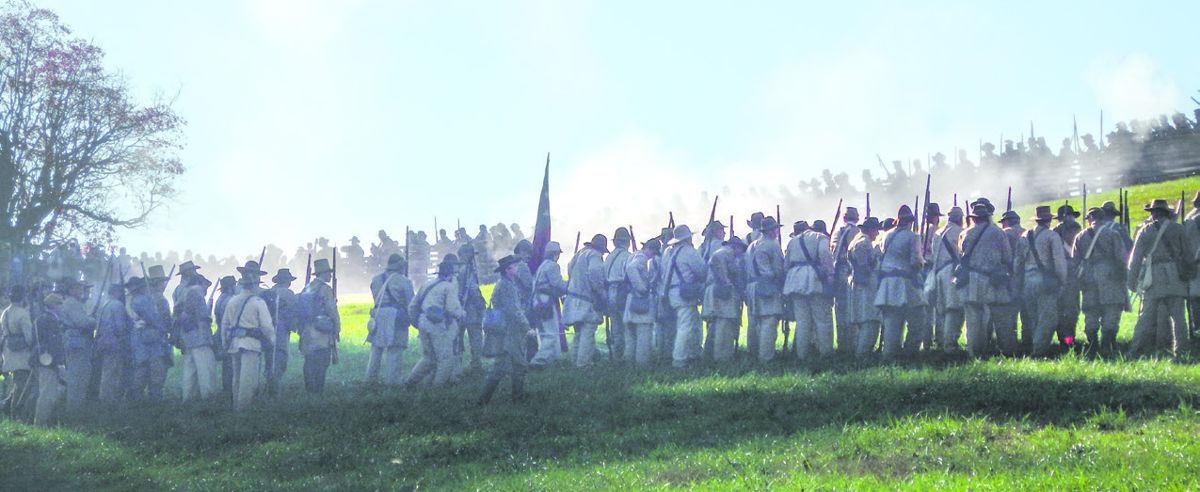
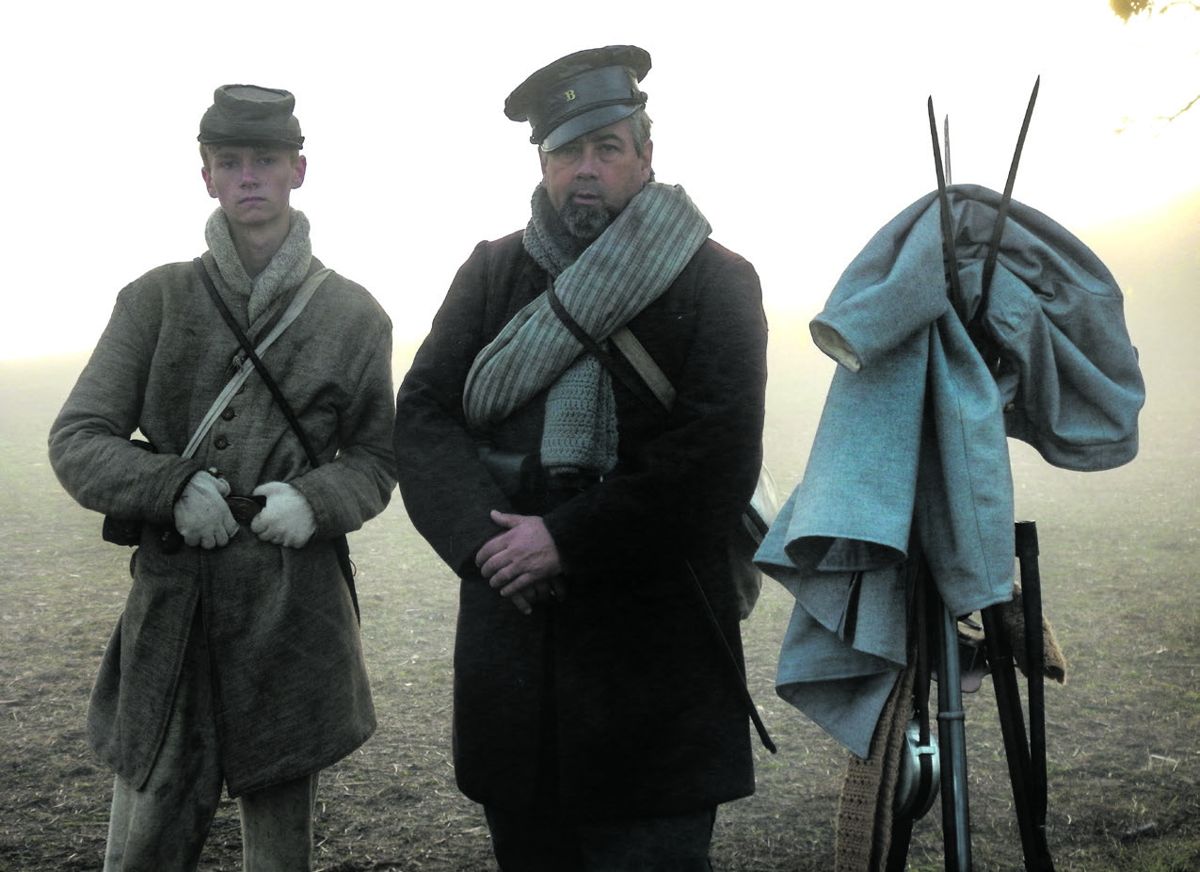
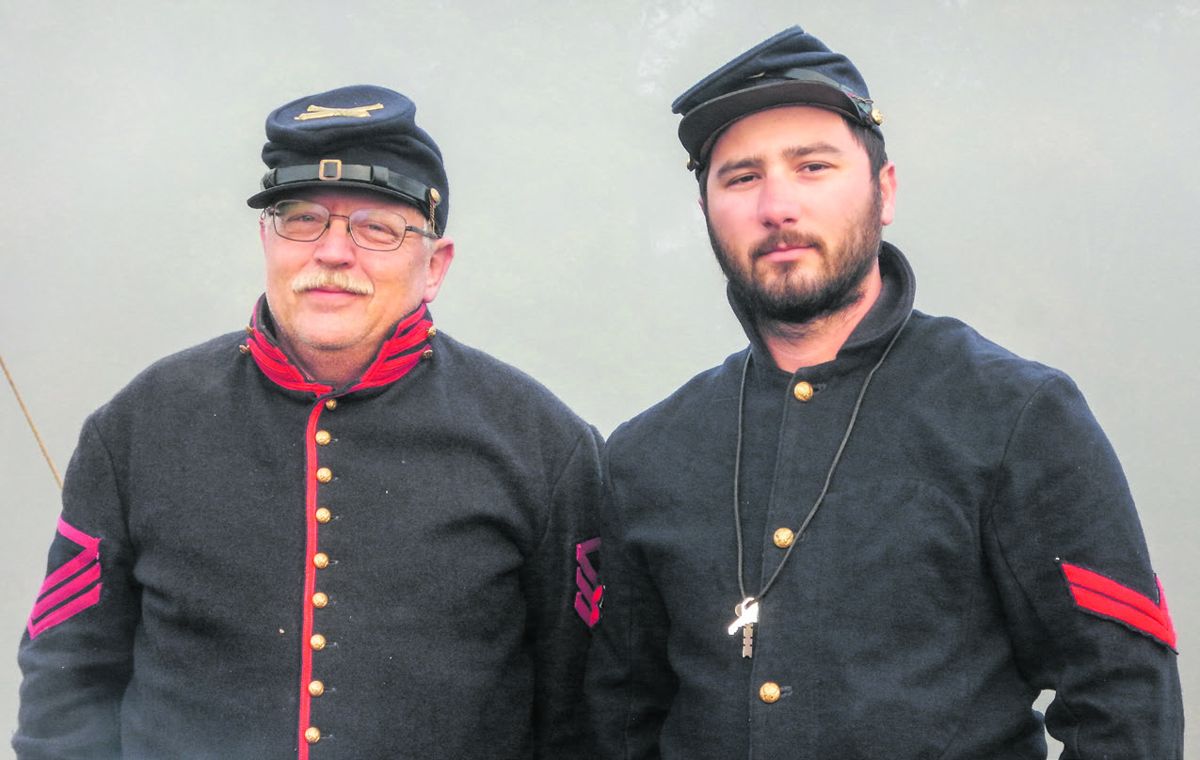
Young Confederate drummer boy marching with the column of troops. (All photos by Gregory L. Wade) Bill Paulecik of Willowbrook, Ill. Chicago Light Artillery, Battery A, Jaclyn Cox. Cincinnati, Ohio’s current “Bockfest Sausage Queen.”
Shannon Rowe of Gallatin, Tenn. Shannon works with the NPS at the Lincoln birthplace site. Anna Marie Rowe of Gallatin is Shannon’s mom. Shannon reenacted with the 20th Tennessee CSA.
Chris Krohn, Acworth, Ga., 125th Ohio.
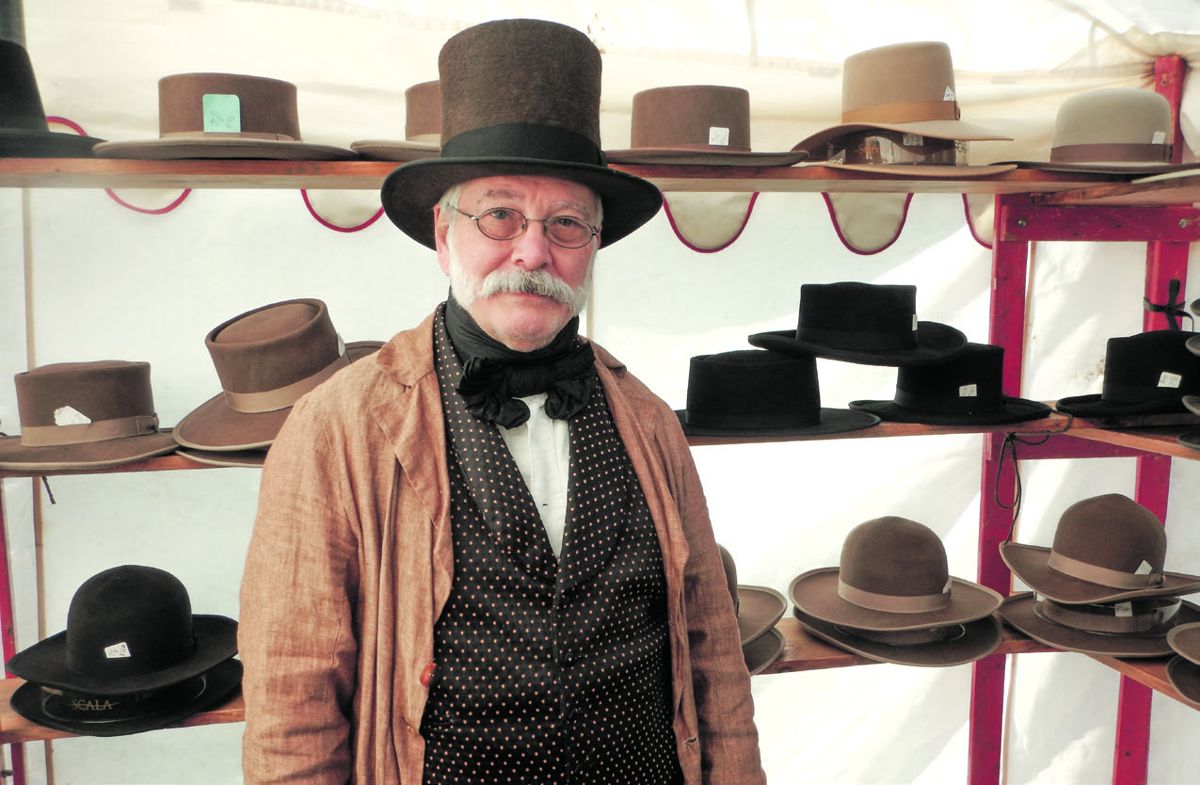
Michael Brown of Atlanta, 5th and 6th Georgia Cavalry CSA. Sutler-Artist Gregory Newson of Newson Publishing.
Left to right, Taylor Bishop Greensburg, Ky., Blake Werner, Jackson, Tenn., and Sam Walgreen, Martin, Tenn.