
“The Troops Are All in Very High Spirits”
By Bruce S. Allardice and Wayne L. Wolf · Originally published August 2020 · p. 12
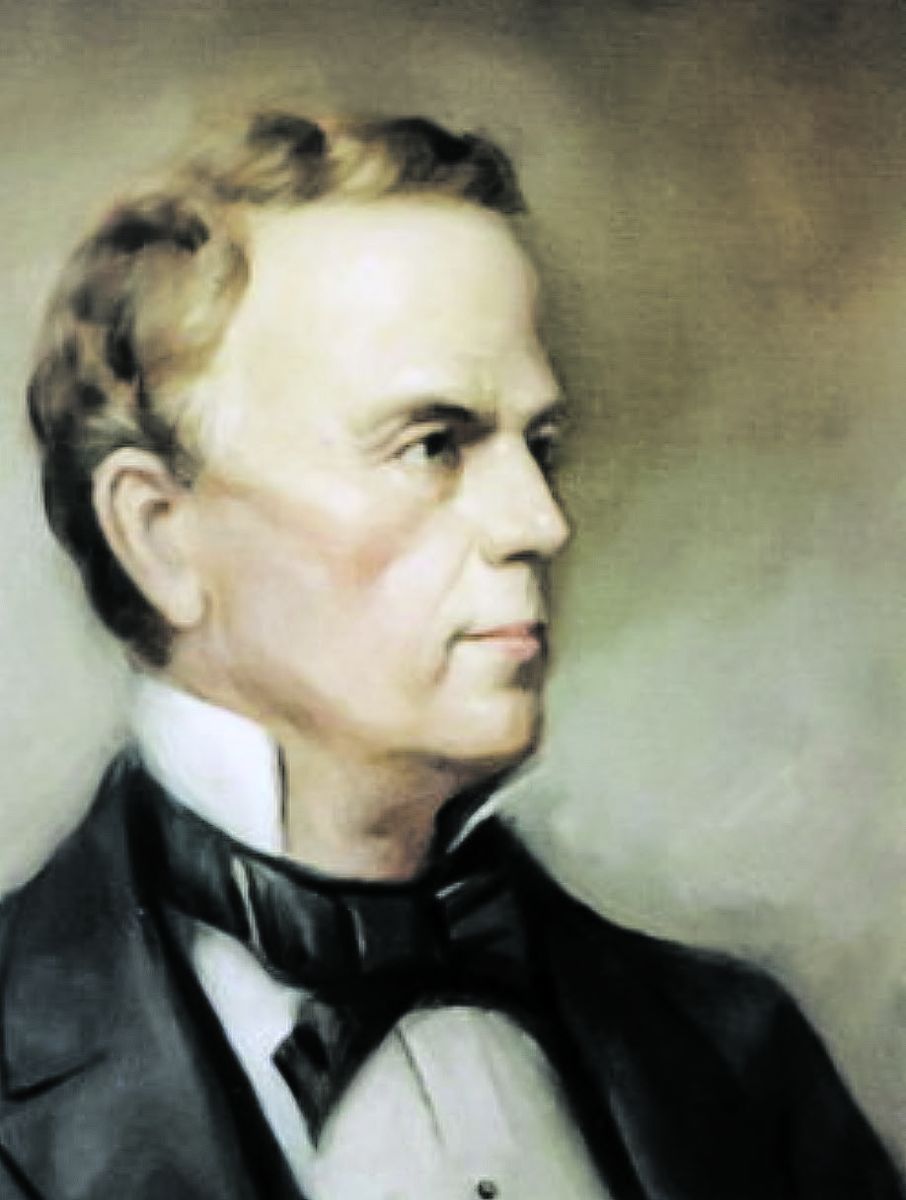
Civil War soldiers’ letters are still being discovered, 150 years after the conflict ended. Letters from Florida soldiers are especially rare, given the state’s small population and relatively frontier status. Lately, one such letter came up for sale, from a scion of one of the state’s leading families. George Washington Wright (1839–1918) was the son of Pennsylvania-born Benjamin Drake Wright (1799–1874), judge and onetime mayor of Pensacola, Florida, and his wife Josefa de la Rua. The younger Wright was managing a lumber mill near Pensacola when the war broke out. He enlisted in the 1st Florida Cavalry in 1861, was taken prisoner in 1862, and after exchange, re-entered service in the 6th Alabama Cavalry of Clanton’s Brigade. He was promoted to lieutenant and later to captain. He survived the war, returned to Pensacola and his lumber mill, and became one of Pensacola’s most prominent citizens. This letter to his father is written amidst the fighting near New Hope Church and Kennesaw Mountain during the Atlanta Campaign. In it he expresses the hope, all-to-common in soldier letters, that the “hard fighting” was about to end. He also mentions that Confederate confidence and morale is high, casting doubt on claims of some historians that morale in the Army of Tennessee was low due to Joe Johnston’s constant withdrawals. Wright’s difficulties obtaining a uniform, and getting paid, illustrate the grinding circumstances that even well-off officers faced. Powder Springs, GA May 31, 1864 Dear Father: In or about the 1st March I left
George W. Wright eight yards of cloth with Mr. Byrnes1 —the tailor—in Selma which was to be completed in two weeks and for which cloth I paid One Hundred and
Benjamin D. Wright Twenty ($120) dollars. We were ordered immediately to North Alabama, and I have not been able to hear from it since. The price of making is One Hundred and Eighty Five ($185) dollars. If you can arrange with Bruno or Moses [servants] to get them [the suit] for me (I understand they are in Selma) I will refund the money in the course of a month or two or as soon as paid. I will have plenty of money when paid and I will refund promptly. The government is owing me six months wages. Henry [Henry Thomas Wright (1842-99) George’s younger brother] is at the front as aide to Genl. Finley [Jessie J. Finley, commander of the Florida Brigade in the Army of Tennessee]. I have just heard from him and he is safe— though his command has suffered severely. He is only acting aide for the occasion. I suppose he thought this would be the closing fight, and it would not do for the war to end without his having been in a fight. Fighting and skirmishing has been going on continuously for five or six days. And the enemy has made many night assaults, but have always been repulsed with great loss. Everything is quiet this morning. The troops are all in very high spirits and they generally consider this the last hard fighting that we will have with this army. I have just seen Louis Hyer.2 I am very much in need of the suit of clothes and hope you will take some steps to secure them. I would not trouble you if I could attend to it myself. Love to all, In all duty, Geo. W. Wright Endnotes:
- Edward G. Byrnes (1813– 79), a tailor in Selma. 2. Louis Hyer (1830–67) of Pensacola, Quartermaster on Finley’s staff and postwar state representative. Bruce S. Allardice is Professor of History at South Suburban College in Illinois. He is a past president of the Civil War Round Table of Chicago. Wayne L. Wolf is past president of the Lincoln-Davis Civil War Roundtable.