
Patriotism and Necessity: The Use of Homespun in the Southern U.S. during the American Civil War, 1860–1865
By Annette Bethke · Originally published April 2020 · pp. 34–37
Written by Annette Bethke, based on the research of Vicki Betts “Ackworth [sic], Ga., June 9, 1864 Editors Chicago Tribune: The accompanying song is from a letter of a Southern girl to her lover, in Lee’s army, which was obtained from a mail captured on our march through Northern Alabama. The materials of which the dress alluded to is made in cotton and wool, and are woven on the hand-loom [sic], as commonly seen in the houses at the South. The scrap of a dress enclosed in the letter as a sample was of a grey color with a stripe of crimson and green— quite pretty and creditable to the lady who made it…” Chicago Tribune, June 24, 1864. p.3, c.3
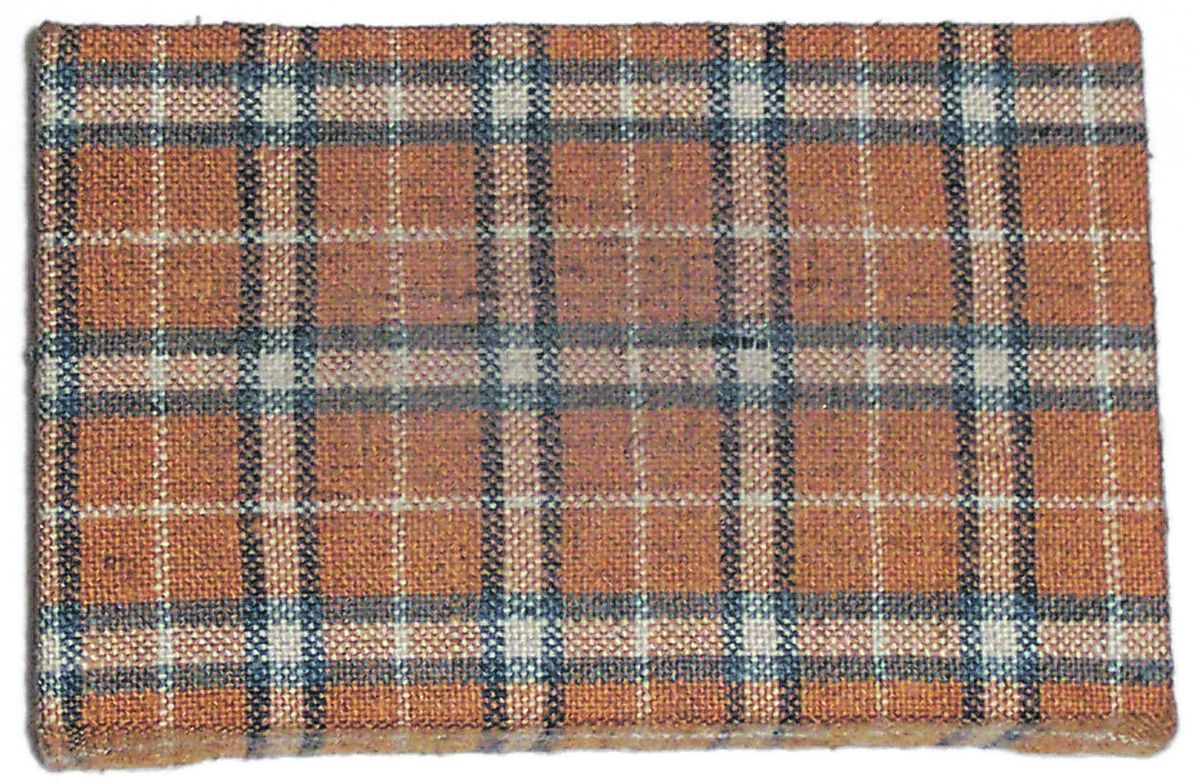
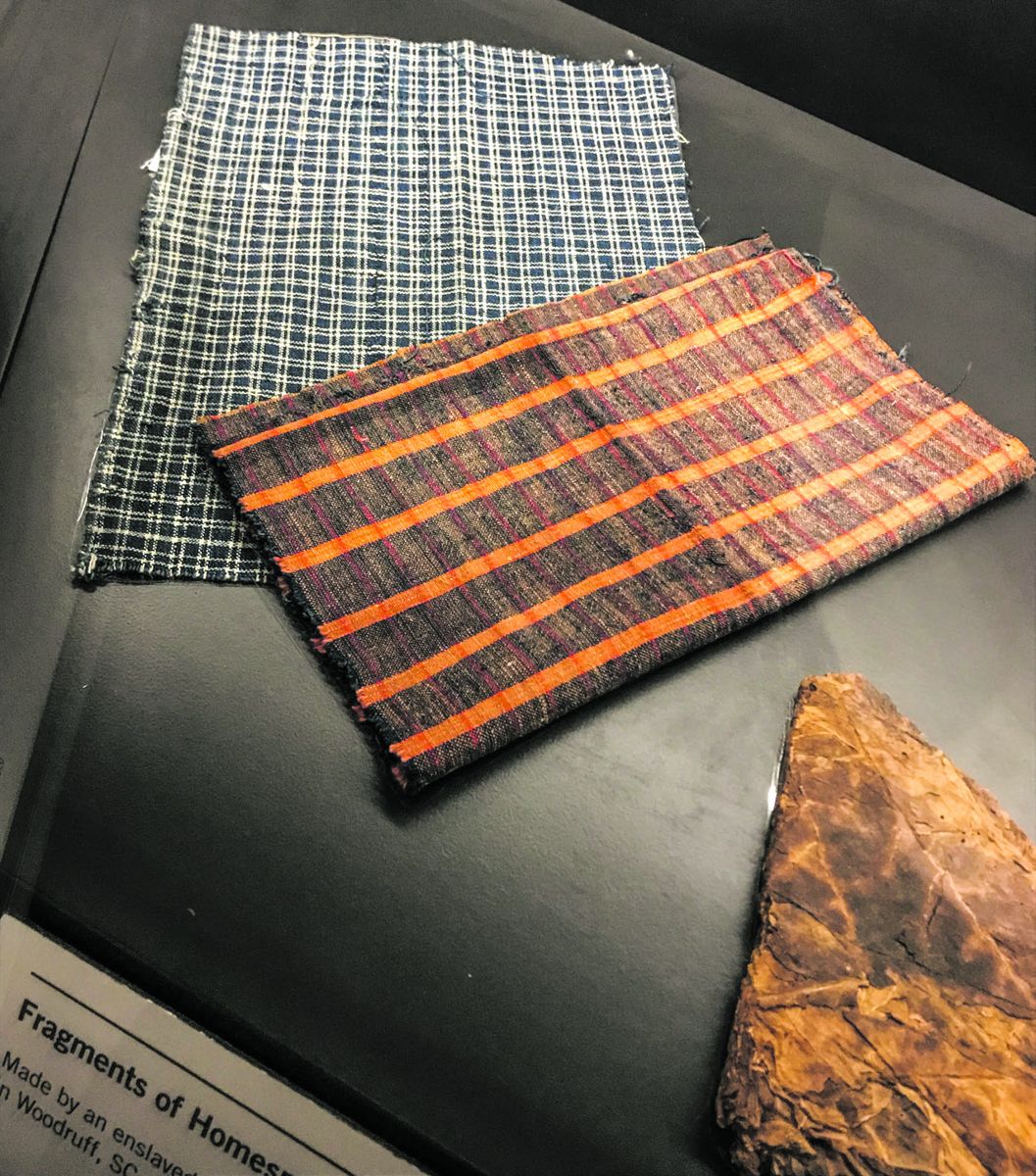
Swatch of homespun fabric. Pennsylvania State History Museum. (Annette Bethke) 3. All factory spun, but hand woven; 4. All factory spun, and factory woven in the South, where “home” means the South; intended to resemble true hand-woven fabric; or 5. Fake homespun – factory spun and woven in the North, considered a cheap imitation. It is impossible to know for sure what kind of homespun is being discussed in sources unless there is specific reference about how it was produced.
Making Homespun
Sheet music, The Southern Girl or the Homespun Dress. Library of Congress, M1642.S. A. E. Blackmar, New Orleans, 1865. Most scholars of the American Civil War home front are familiar with the song “The Southern Girl or The Homespun Dress.” Attributed to Carrie Belle Sinclair in 1862; it praises women for wearing homespun dresses in support of the South during the Civil War. The homespun dress has become the symbol of the hard scrabble life many Southerners experienced during the war. How common was homespun? Was it worn as a sign of pride as suggested by the song, or was it worn out of necessity when all other fabric choices were used up?
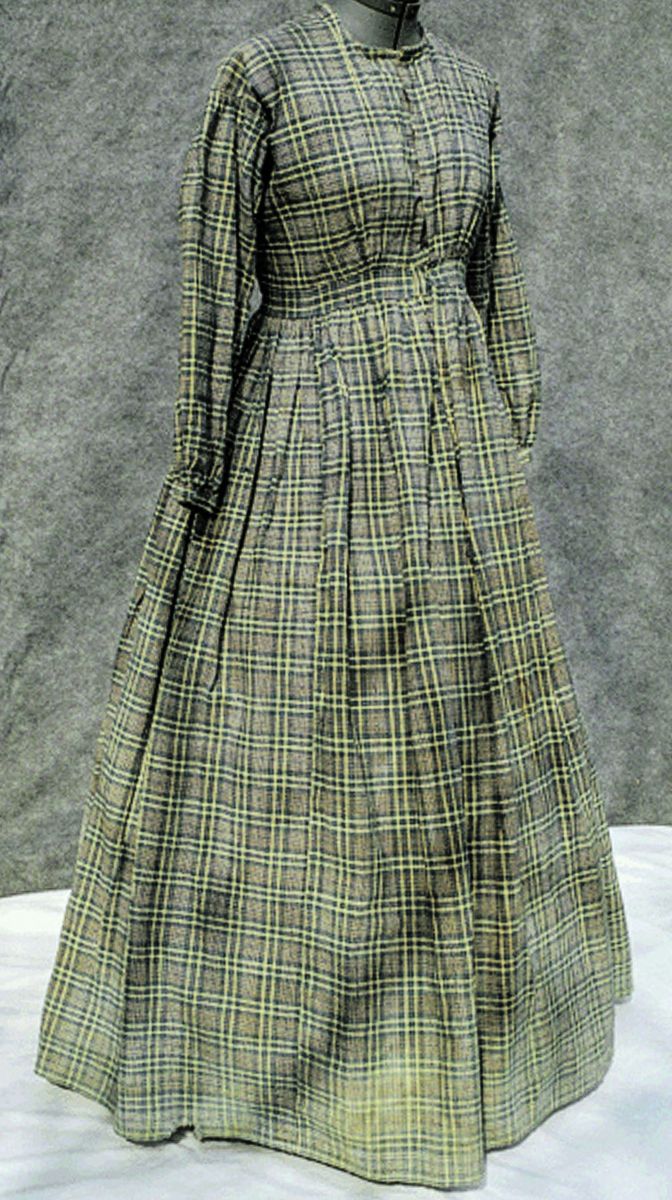
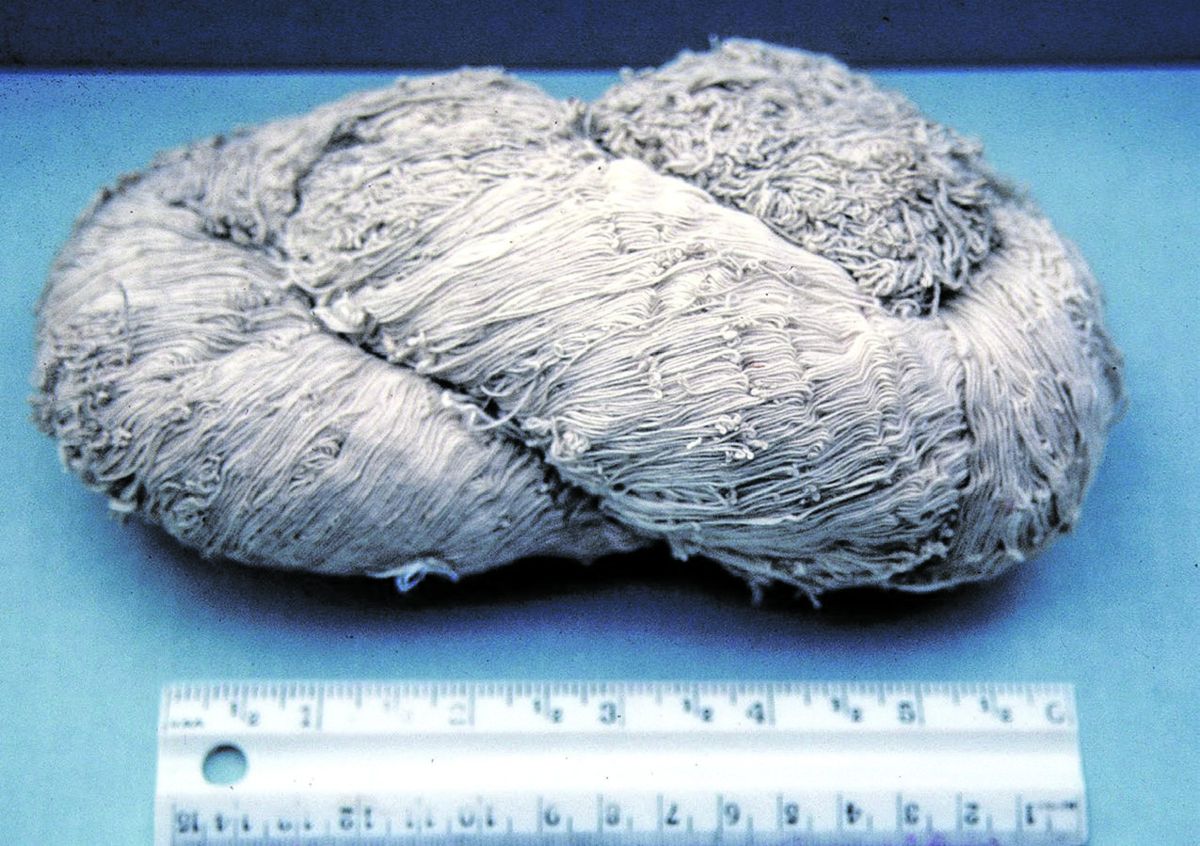
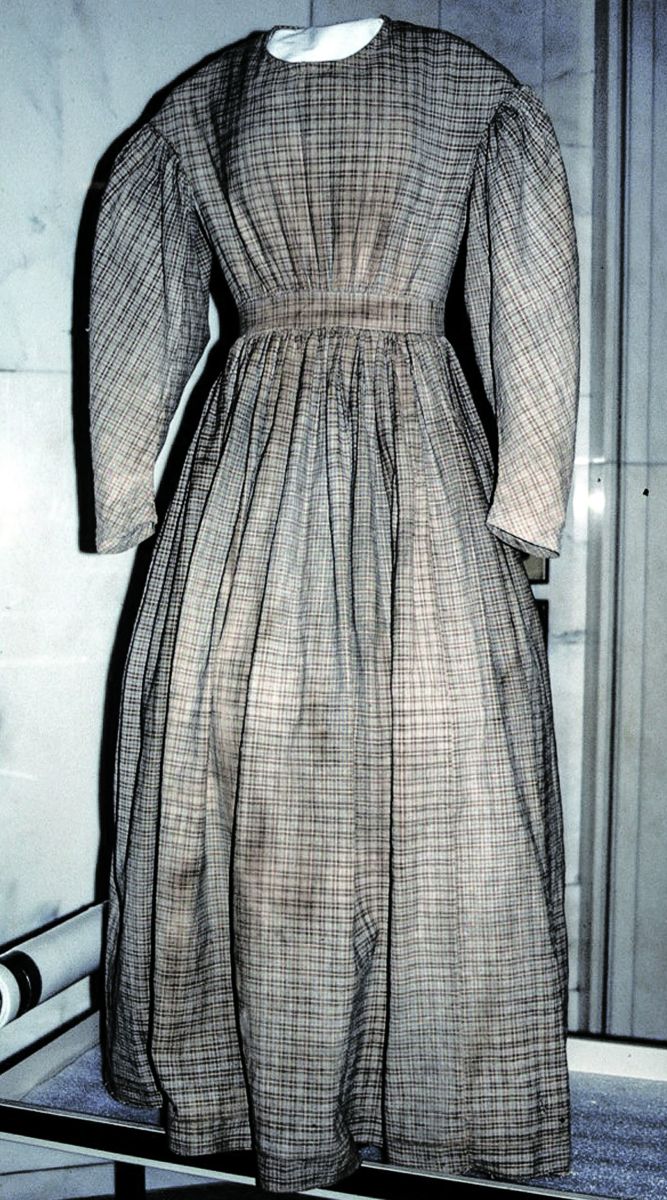
Home spinning and weaving had fallen out of common practice in the U.S. by the time of the Civil War; diaries and newspapers often mention taking spinning wheels out of the attic, or of women having to learn to spin and weave. However, some women were still producing homespun for home and retail purposes when the War came. Mary Love Fleming remembered that in Dale County, Ala., “At first few knew how to spin and weave. But my aunt, Mrs. Bennett, and some of the older women in the Byrd, Martin, and Johnson families had learned to spin and weave long years before, and they now gladly taught relatives and all others who wished to learn. Women from all over that section of the country went to them to learn how to manage the spinning wheels and the looms.”1 Kate Cummings wrote from Georgia in 1862, “This lady had two young daughters, who were busy weaving and spinning. They had on dresses spun and woven by themselves. This ancient work is all the fashion now, as we are blockaded and can get no other kinds of goods.”2 Diaries of the planter class in the South often give the impression that plantation mistresses produced multitudes of cloth and thread. In letters to her husband, Harriet Perry mentions several times the amount of cloth her mother-in-law managed to spin. In 1862 she wrote, “the spinning machine spins thirteen yards of cloth per day-they have two looms weaving now.”3 By October she was making 90 yards of cloth a week, by February 1863 she had made nearly two thousand yards of cloth. As often as Harriett mentioned her mother-in-law making cloth you would think she was a very busy woman, skilled in spinning and weaving; however, it was the enslaved persons, male and female, of the plantation doing the work. Harriett commented that Aunt Betsy, an enslaved woman, is with the looms all the time. Also, Willis and two women spun from light till dark. Willis and the two women, “spin the warp for fifteen yards every day,4” and “women, who have young babies are spinning with the hand.”5 Making a completely homespun/homemade dress is time consuming; taking more time than the typical white woman in 19th century America was willing to devote to clothing production without help. W.N. Watt, in Early Cotton Factories in North Carolina and Alexander County estimated that it took 360 hours to produce 30 yards of homespun fabric: • 160 hours to pull the cotton by hand from the seed and card it when cards were available. The manufacturing of cards became less a priority once the war began. The cost of cards when they could be bought went for $10 to $80 a pair. • 85 hours to spin and then hank the weft • 17 hours to gather bark, dye, size the thread, and spool the warp • 12 hours to quill the weft • 10 hours to warp, beam, harness, and “slew” the loom • 75 hours to weave the cloth This work adds up to a total of 36, 10-hour workdays. If the labor is proportionate, it should take almost seven 10-hour days to produce the 5 2/3 yards of cloth for the Furr dress shown below.
Purchasing homespun Purchasing homespun was an option. The Perrys sold cloth produced on their plantation at a rate generating from $100 to $125 a week; it is unclear who is buying the cloth. Based on the amounts, it is probably the government or
What is Homespun? Homespun can be: 1. All handspun and hand woven, what most think of as “homespun”; 2. Factory spun warp, handspun filler, hand woven; Furr homespun dress. Privately owned by Vicki Betts, Tyler, Texas. (Photo by Vicki Betts used with permission.)
other slave owners purchasing slave cloth. Even with all this cloth on hand, they are still purchasing calico on the market. Harriet also mentioned in 1862, “everyone is very busy making cloth & there is a good deal for sale at $1 & $1.25 per yard for common plain negro cloth…”6 Prices for homespun differed greatly by year of the war and location in the South. For example, in 1862 Southerners could find homespun from 50¢ to $4 a yard depending on where in the South they were. By 1865 the cost had risen to $8-$10 a yard. Calico, on the other hand, cost between 50¢ and $2 a yard in 1862, but by 1865 ranged from $25-$35 a yard. The Southern Illustrated News published a letter from Louise, November 8, 1862, “Well, Messrs. Editors, I bought me a home-spun dress, had it made up and wore it to church on Sunday last.”7 It is important to pay attention to this quote: she bought the fabric, she did not make it.
Why Homespun Since homespun was so labor intensive and early in the war other options were available, why was it being used in fashion? Early in the war homespun appeared as a patriotic statement. Homespun as a patriotic statement dates back prior to the American Revolution. It served to promote American industry, simplicity, and democracy, as opposed to “British luxury and corruption.” As tensions rose in 1860 and 1861, Southerners again turned to the old symbol, fully aware of homespun’s historical significance. While across Virginia, in late 1859, men met and spoke on self-dependence, by early 1860, “the ladies have begun to act. Without noise they have commenced to give force and color to our resolutions” by sponsoring homespun parties. “More than a hundred ladies and gentlemen, belonging to the most respected families in the city [Richmond], were present all of whom were attired in part or in whole in garments of homespun.”8 Elzey Hay from Georgia remembered in 1866: “In the first burst of our ‘patriotic’ enthusiasm, we started a fashion which it would have been wise to keep up. We were going to encourage home manufacture… so we bought homespun dresses, had them fashionably made, and wore them instead of ‘outlandish finery.’ The soldiers praised our spirit and vowed that we looked prettier in homespun than other women in silk and velvet. A word from them was enough to seal the triumph of homespun gowns.”9 Caroline Seabury wrote in her diary while in Mississippi in 1863, “Then they showed me cloths [sic] they had spun and woven of themselves—saying ‘I’ll wear homespun as long I live before I’d depend on Yankees for it…’”10 Schools also encouraged homespun. In October 1860, twenty-seven teachers and pupils of the Spring Hill School attended the Georgia State Fair, “all attired in a substantial Check Homespun Dress.” Sarah Conley Clayton later wrote about the experience: “to show our patriotism at that critical time, we were all clad in homespun dresses made by our own hands, the girls, with two or three exceptions being under sixteen years of age. … so in our simply made blue and white and brown checks, with all eyes upon us we walked proudly from the Union Depot out to the grounds on Fair Street near the cemetery.”11 The girls did win a prize, but they were “a little bit crest fallen” to discover another homespun clad young lady also in attendance. Years later Sarah could describe almost every detail: “It was made quite stylishly, as I remember; more of a riding habit… we understood that she herself had woven the material.”12 Graduating classes made a special effort to patronize homespun, much as Harvard and Yale did during the Revolution. In March 1860, the students of Mercer University pledged themselves to buy “no more apparel of Northern manufacture… [and] to appear on the rostrum of our next Annual commencement in Southern-made clothing.” Editors and correspondents noticed young ladies around the region who exemplified the Southern ideal. “Home Industry” wrote into the Charleston Mercury in November 1860: “We observed, while on a visit to a lady friend, a bonnet and dress of Georgia linsey and cotton, designed for the daughter of one of our leading Secessionists.…The entire work is domestic, as well as the material, and exhibits considerable ingenuity. The idea illustrates the patriotism of the ladies, and their earnest sympathy with the great Southern movement, while its execution affords convincing proof of how independent we can be of our Northern aggressors, when we have the will to undertake and the energy to achieve.”13 Within the next month, the Columbus [Ga.] Times noted “In the street yesterday was observed one of our pretty young ladies attired in a dress of Georgia homespun and wearing the blue cockade.”14 “Miss T.”, the daughter of a friend of the editor of the Atlanta Southern Confederacy, arrived at that printing establishment on August 24, 1861, “dressed in beautiful checked homespun; … Let us have more homespun dresses—enough at least to destroy the novelty…”15 By fall, the Charleston Courier was noticing, “Many beautiful damsels were seen yesterday on King street, in suits of homespun.”16 If editorial comments were not enough, some prominent citizens sponsored “homespun parties” of various sorts and fairs. In Leake County, Miss.,, Col. Donald gave a party in which “The ticket sent to each young lady, required that she should come dressed in Mississippi manufactured apparel, in the manufacture of which she must in some way assist. The gentlemen were also required to dress in the manufacture of Mississippi, made in Leake and Attala.”17 In Atlanta, for one of the first fairs sponsored by the Ladies’ Relief Society in Sept. 1861, the notice in the newspaper announced that “The ladies will appear in southern homespun.”18 One of the most interesting accounts, however, is of an Alabama homespun ball. Mrs. Elizabeth Lyle Saxon recalled the preparations leading up to that event and the unintended results. “The young ladies were all preparing for a grand ball, that was soon to be given, and four of them were going to wear homespun dresses… The four girls were sewing on their dresses, vile-smelling, common checked goods, such as we used for our servants at that time. They were making them with long trains, low neck and short sleeves, and the lace they were trimming them with was Pointe de Alencon, Honiton and Valenciennes, suitable for the dress of a duchess at a court ball… One of the young men who had danced with all the four…taking me to one side, asked…: ‘Miss Lizzie, what in heaven’s name is it that smells so awfully about those girls?’ ‘Why, it is a new perfume they are using,’ I said. ‘They call it patriotism; I call it indigo dye.’…I told the girls about it, and when they got home there was a beautiful blue all about their necks, and they hardly allowed the word homespun ever to be uttered to them until we really had to make it at home and wear it.”19 The young Southern ladies of 1860 and 1861 created and “ostentatiously” wore their homespun dresses as a means of being “heard” politically, without leaving their separate spheres and without having the vote. Homespun became, for them, a visible tie with their heroic and independent past and a uniform to match the gray of their brothers and beaux. Some soon became disillusioned with the fashion, however, putting their dresses aside when they washed poorly or were too hot to wear.
Giving Up Homespun Amanda McDowell of White County, Tenn., wrote in October 1864, “We have got our wool ready… at last, Oh! I am getting so tired picking, coloring, carding, spinning, etc., I would secede from it if I could conveniently.”20 Upper-class women made relatively little use of homespun, depending instead on re-made finery of prewar times or on new clothing obtained from outside the South. A young Georgia aristocrat wrote one of her friends in March 1863: “I am going into the [Federal] lines … and expect to get the prettiest wardrobe which Paris or France afford… .”21 The Memphis Daily Appeal included an article in Feb. 1864, “You who, in the first flush of your patriotism, gave twenty five [sic] and thirty dollars for homespuns and ostentatiously wore them, do not now discard them because they wash badly and cost so much…”22 Again, in 1863 Georgia, as published in the Richmond Sentinel, “Messrs. Editors: …In Atlanta and Macon the ladies dress as in times of peace, have an abundance of fine clothes…Fine bonnets and silk dresses are as thick as blackberries. Homespun by the city ladies is not much worn. It is not becoming, they say, and gives them rather a plebeian appearance.”23 “A still better reason is that calico is cheaper than homespun, besides being more comely. Our observation teaches that homespun is about the dearest every-day dress a lady can wear…What with trimming to make them look decent, the fading after the first introduction to the washtub and consequent early abandonment, it is poor economy to indulge in homespun dresses.”
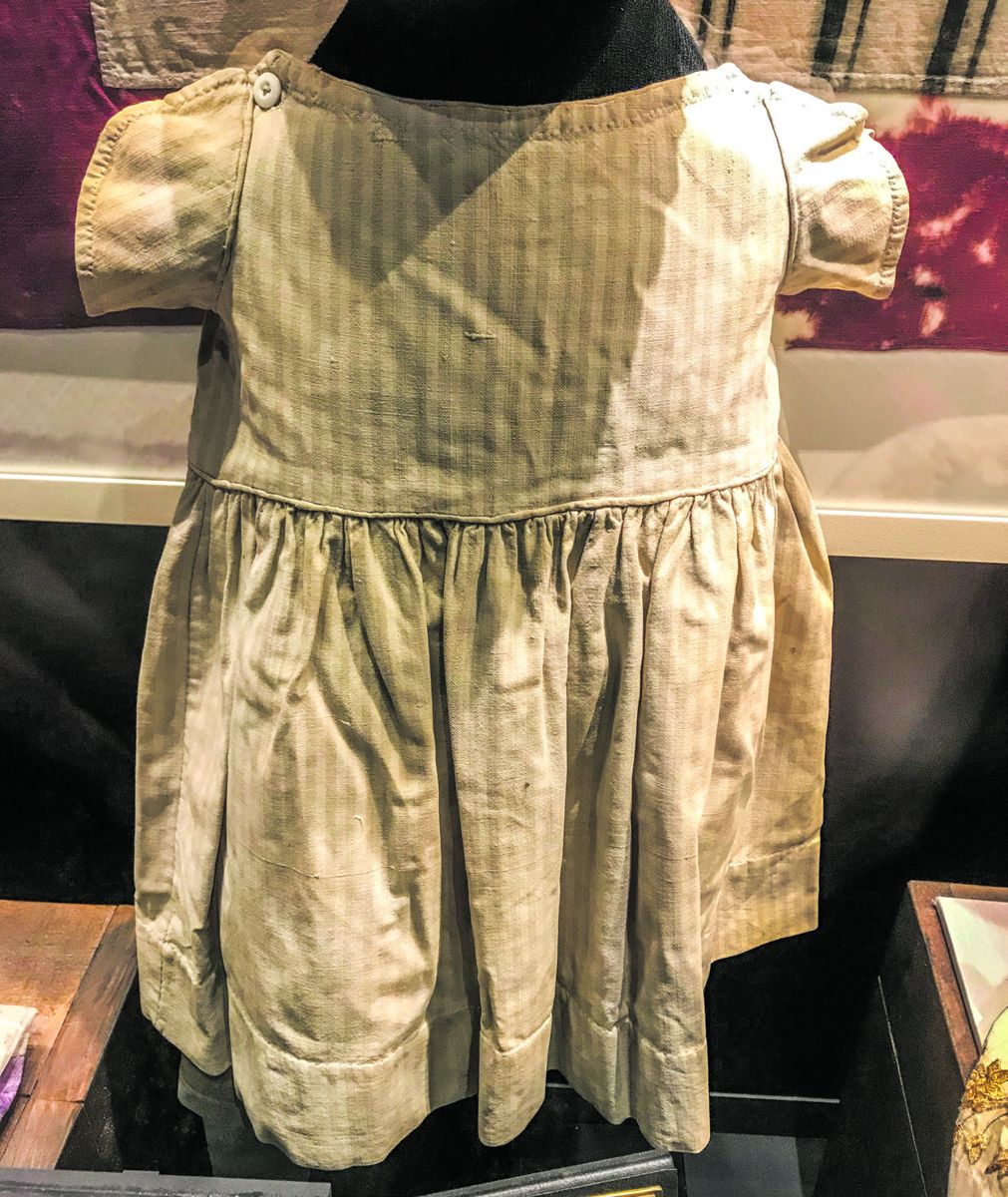
Necessity By late 1862, many civilians were beginning to turn back to homespun out of necessity, as the blockade cleared off merchants’ shelves and the Confederate army consumed much of what came from Southern textile mills. Eventually, even the Alabama girls with the Valenciennes lace “really had to make it at home and wear it.”In Sept. 1864, Sarah Watkins wrote, “If it [the war] lasts much longer I do not know what Baby and I am to do for clothes. We are both very needy. Some people run the blockade and get things. I believe your Pa would go in rags before he would trade with the enemy. I could not go in their lines but if I had money or cotton and could get the chance, I would supply myself with clothes.”24 Some women stocked up but wanted homespun to save the better dresses “… I wanted some homespun dresses to wear about home to save my others; as there is not a yard of calico, gingham’s [sic], or anything else in Cam[den], except berage or swiss &cc.” wrote a woman from Arkansas in 1862.25 (Annette Bethke) Harriet Perry felt very strong- some like it and said you thought ly about using homespun as she it better taste to wear home made wrote to her husband in Feb. goods—it is cheaper for you to 1864, “You spoke of a suit Lt. wear any other kind and I know it Dukes had & expressed a wish for looks better than the homespun— the latter is so smutty and dirty I do not like it.”26 Drew Gilpin Faust wrote in Mothers of Invention: The homespun revolution so heralded in the postwar accounts of white southern women’s wartime achievements seems to have been actually of very limited scope. A recent study and museum exhibition entitled Mississippi Homespun: Nineteenth Century Textiles and the Women Who Made Them came to a conclusion that might be generalized to the entire South: “The oft-reported surge in spinning and weaving by women on the homefront during the Civil War was not reflected” in the surviving evidence from Mississippi. Women who had actively engaged in textile production before the war continued to do so; households where slaves had produced cloth before the war maintained or even increased their output; some women who had never spun or woven made efforts to produce fabrics, but Homespun boy’s dress, 1862–1863. American Museum of the their contributions did not have
Johansson. P. 41.
Southern Illustrated News, November
Ltd., 1984, p. 19.
UCA Press, 1995, p. 140.
- Fannie Baylor to Virginia King,
8, 1862
March 23, 1863, as quoted in Bell
Dallas Herald, February 8, 1860, p.
Irvin Wiley, Confederate Women.
1, c. 6
New York: Barnes & Noble, 1994, pp.
Hay, Elzey. “Dress Under Difficulties; or, Passages from the Blockade Experience of
Rebel
Women.”
Godey’s Lady’s Book and Magazine 73 (July, 1866): 32-37. Contributed by Jan Stofferna to Citizens’ Companion 8 no. 5 (December 2001-January 2002): 30-37.
168-169. 22. Columbus [GA] Enquirer quoted in Memphis Daily Appeal [Atlanta, GA], February 6, 1864, p. 2, c. 6 23. Southern Confederacy [Atlanta, GA], April 10, 1863, p. 1, c. 3-4 24. Sarah E. Watkins, Winona, MS to Mrs. L. A. Walton, in Dimond, E. Grey,
- Seabury, Caroline. The Diary of
and Herman Hattaway, eds. Letters
Caroline Seabury, 1854–1863. Edited from Forest Place: A Plantation
by Suzanne L. Bunkers. Madison, WI:
Family’s
University of Wisconsin Press, 1991,
- Jackson: MS: University Press
p. 91.
of Mississippi, 1993, pp. 322-323.
Correspondence,
1846–
-
Clayton, Sarah Conley. Requiem for
-
Ouachita County, AR, August 16,
a Lost City: A Memoir of Civil War
1862, in Sisters, Seeds, & Cedars:
Atlanta and the Old South. Macon,
Rediscovering
GA: Mercer University Press, 1999,
Life Through Correspondence from p. 30.
Rural Arkansas and Alabama. Edited
- Ibid
by Sarah M. Fountain. Conway, AR:
- Charleston Mercury, November 20, 1860, p. 1, c. 3, repeated in Daily Chronicle & Sentinel [Augusta, GA],
Nineteenth-Century
- Johansson. p. 219
Annette Bethke lives in Gettysburg, Pa., after 20 years in Texas. She has been involved in Civil War living history since 1989. While it was the love of the clothes that first brought her to the hobby, her interest has expanded to include the study of everyday life of the mid-19th century. She has given presentations for the Association of Living History, Farm and Agricultural Museums; the Ladies and Gentlemen of the 1860s Conference; the Texas Living History Association; and numerous school presentations. She has also published papers in the Citizen’s Companion and the ALHFAM “Bulletin.” She currently works for the Seminary Ridge Museum in Gettysburg.
November 27, 1860, p. 3, c. 2 14. Columbus [GA] Times, quoted in the Daily Chronicle & Sentinel [Augusta, GA], December 2, 1860, p. 2, c. 1 15. Southern Confederacy [Atlanta, GA], August 15, 1861, p. 3, c. 1. 16. Charleston Courier quoted in the Natchez Daily Courier, 2 October 1861, p. 1, c. 3. 17. Marshall Texas Republican, April 20, 1861, p. 3, c. 3 18. Southern
Confederacy
[Atlanta],
September 27, 1861, p. 2, c. 1-2 19. Lyle Saxon, Elizabeth A Southern Woman’s War-Time Reminiscences.
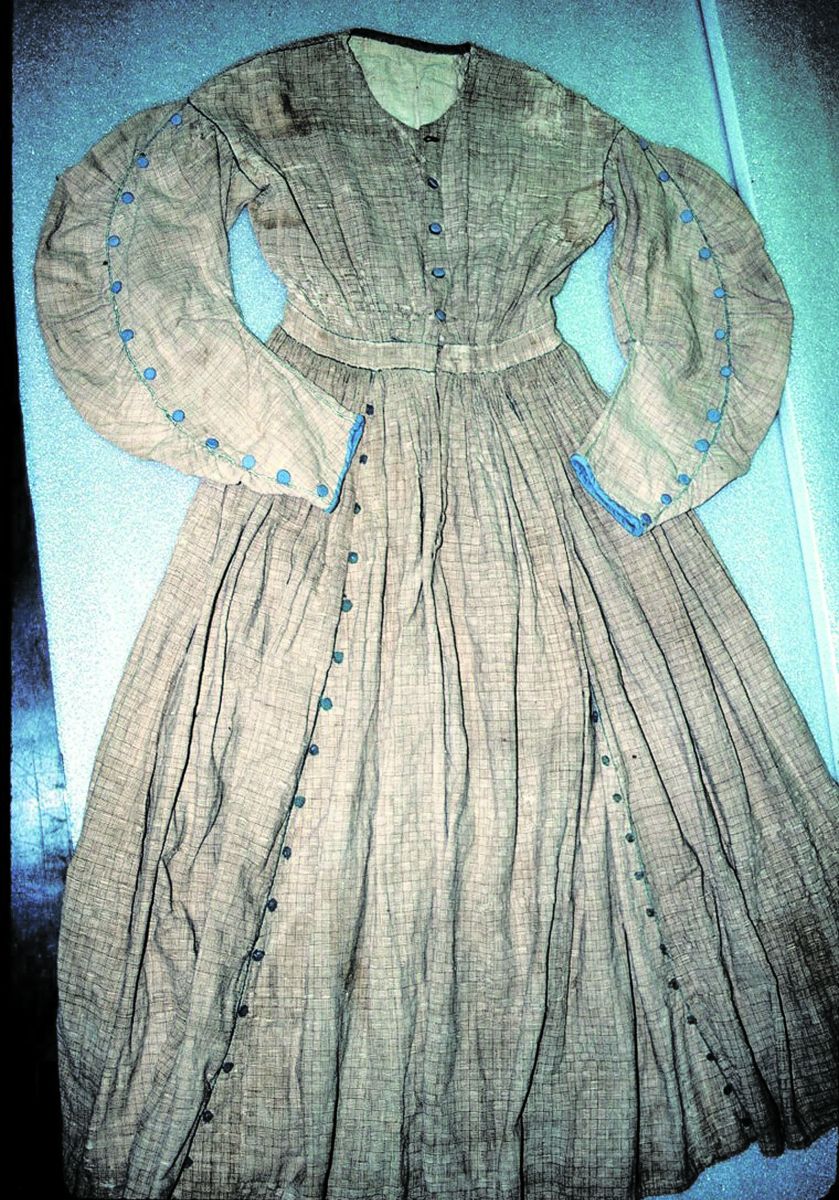
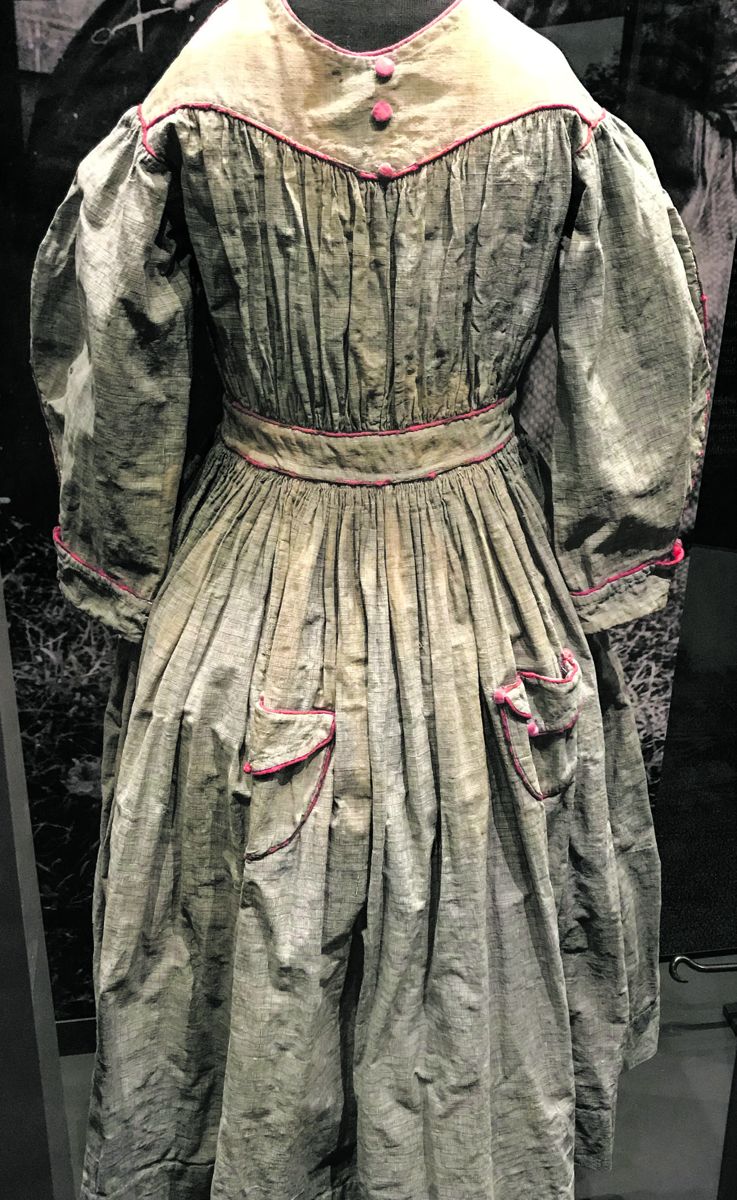
Homespun dress, 1864–1865.Original owner: Mary E. Love (1849–1866). Current location of dress: Alabama Department of History and Archives, Montgomery, Ala. (Vicki Betts) the demand for textiles in the Confederacy. … Less fortunate southerners made do by recycling bed or table linens, curtains, and discarded garments. Economic pressures on Confederate households did not result in profound or widespread alterations in white women’s relationship to home textile production. Endnotes: 1.
Fleming,
Mary
Love the Civil War” Alabama Historical Quarterly 19 (1957): 61-109. 2.
Memphis: Pilcher Printing Co., 1905, pp. 18, 22, accessed July 28, 2002, http://sunsite.unc.edu/docsouth/saxon/saxon.htm. 20. Irwin, John Rice. A People and Their Quilts. Exton, PA: Schiffer Publishing
Cumming, Kate. Kate: The Journal of a Confederate Nurse. Baton Rouge: Louisiana State University Press, 1959, 1987 reprint, p. 64.
Johansson, M. Jane, ed. Widows by the Thousand: The Civil War Letters of Theophilus and Harriet Perry, 1862– 1864. Fayetteville: The University of Arkansas Press, 2000, p. 28.
Edwards.
Ibid, p. 103.
“Dale County and Its People During
Ibid, p. 116.