News Briefs
News Briefs — April 2020
Originally published April 2020 · p. 19
Kearny Statue In Peril It seems popular opinion today is to rid this country of all things Confederate. Now, however, there are many in the New Jersey State Senate who wish to remove and replace a statue honoring a Union military hero! They have already approved New Jersey Bill S-1369. It must now be approved by the NJ General Assembly before it is sent to Gov. Phil Murphy for his signature; this could happen before the end of March! According to William Styple (the modern authority on Kearny) the bronze statue of Major General Philip Kearny was placed in Statuary Hall in the U.S. Capitol on August 21, 1888, thanks to the efforts of Cortlandt Parker, a highly respected Newark, N.J., lawyer and Kearny’s closest admirer. He began his quest to honor Kearny in 1868, three years after the Civil War ended, because: “Philip Kearny gave his life to eradicate slavery.” General Kearny was killed in action leading his Union troops in the Battle of Chantilly, Va., Sept. 1, 1862, on the heels of the Second Battle of Manassas. Parker continued, “Kearny saw early and clearly the stake of the war….he preceded all in suggesting our duty to the race. Nationality for the union, freedom for the slave, these his simple directness saw were the issues of the strife….” At the ceremonial unveiling of the statue, one of the speakers was U.S. Congressman Albert C. Thompson, a Civil War veteran who fought in Kearny’s command. Speaking of his old commander and his fellow Union soldiers, he said: “These men came from every walk of life and abandoned the prosperous employments of peace to die, if need be, for country. The lessons of patriotism taught by them should be constantly impressed upon the youth of the Nation, and no higher or more important duty devolves upon the survivors of the grand army of the Union than that of bringing up their children in that respect for authority, that reverence for the Constitution and that love of country which so distinguished them in the days of ’61.” Major General Philip Kearny, who New Jersey claimed as her citizen, fought with all his might against a Confederacy that advocated slavery and gave his life to destroy slavery and give freedom and equality to all in a reunited country. His statue should not be removed from Statuary Hall. His bronze features should now compel us to bring up our children, of all races, to respect authority, revere the Constitution and love this country, the United States of America. Please, let your voice be heard by contacting the N.J. state lawmakers and governor. Don’t let them remove this American hero! – Norman A. Dykstra Charter member/Trustee – New Jersey Civil War Heritage Association Charter member/Officer – Phil Kearny Civil War Round Table of North Jersey
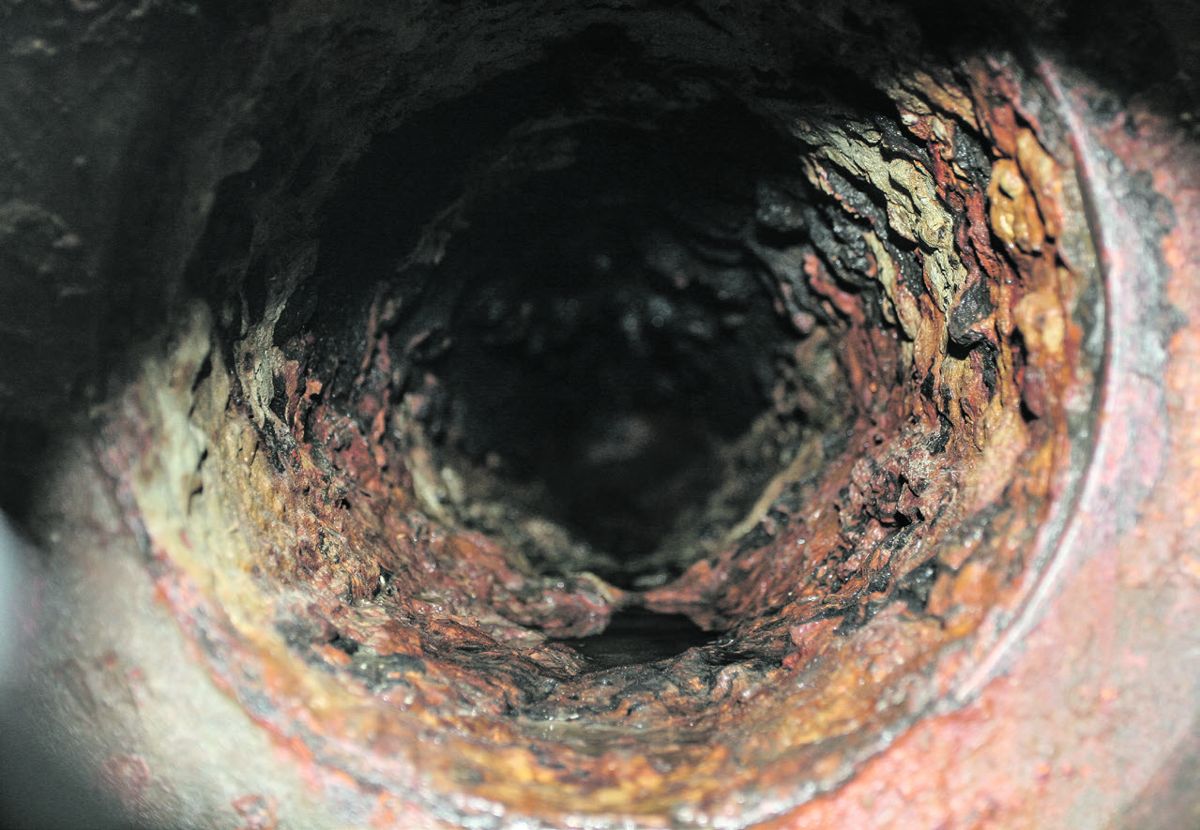
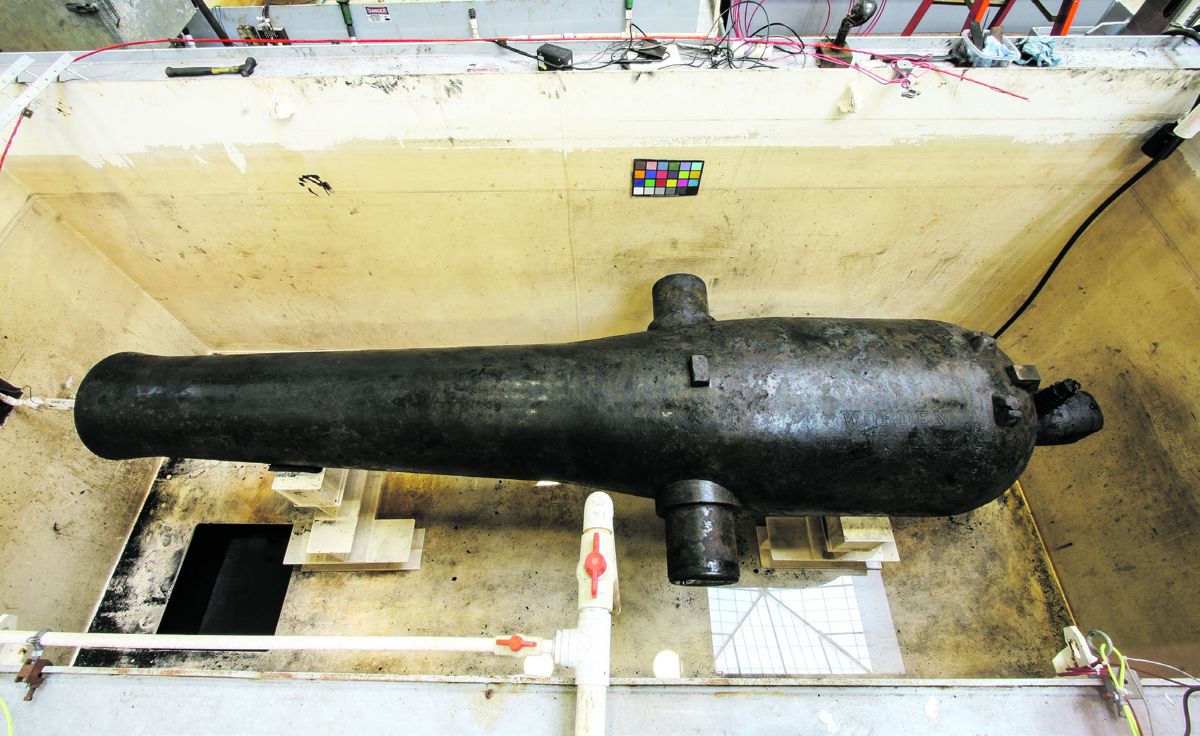
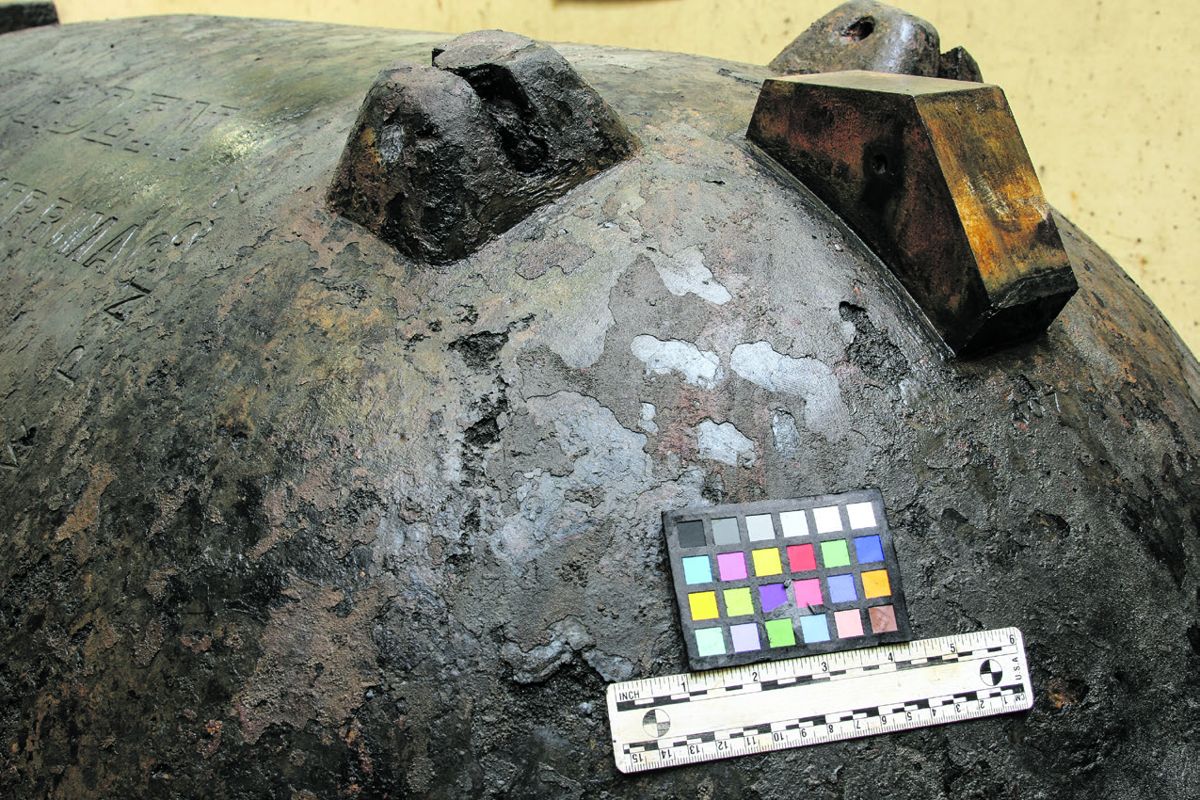
NEWPORT NEWS, Va.—The Mariners’ Museum and Park will embark on the next monumental step in conserving USS Monitor’s Dahlgren guns. In late February and early March, the Museum will clean out the 11-foot-long bores in each gun using a custom-made machine. Monitor’s guns are the largest guns ever bored for conservation, giving this significant step its own mark in history. The removal of the marine material is the final mechanical cleaning step before the guns can be dried and put on display. “By boring the guns, we will finally have the ability to remove trapped ocean salts from the interiors of these massive artifacts; setting the stage for us to dry and then put the guns on display,” said Will Hoffman, the Museum’s director of conservation. “Due to the size of the guns, no one has done this procedure at this scale, so we’ve had to develop new equipment to make it happen.” In 2002, after the National Oceanic and Atmospheric Administration (NOAA) and U.S. Navy divers raised the 120-ton USS Monitor turret, the massive artifact came to The Mariners’ Museum and Park for conservation, curation, and display. The turret was covered in thick layers of concretion; over time, the material was removed using hand and pneumatic tools exposing the turret itself and hundreds of additional artifacts including the two 11-inch (bore diameter) Dahlgren guns. In 2004, the guns were removed from the turret and transferred to individual treatment tanks to advance the removal of concretion and facilitate extraction of marine salts using electrochemical treatments. By 2018, the exterior of the guns had been cleaned of ocean deposits, but the bores of the gun are still full of marine materials which cannot be accessed by hand tools. To remove this material, a custom boring machine and holding apparatus is currently being built by the Museum and Master Machine and Tool of Newport News. The Museum is hopeful to find Civil War-era artifacts during the process. During excavation of USS Monitor’s turret, hundreds of artifacts were found including many personal items from crew members. “Although the chance is small, the potential to find artifacts is exciting,” added Hoffman. “Personal items such as silverware, coins, and pocket knives have been found in the turret. Items such as these provide us with a direct-connection to the crew of Monitor.” The Dahlgren guns will be bored one at a time and will take about a day per gun.