Meet Mike Greenfield: CVBT’s Lands Manager
Originally published April 2020 · p. 16
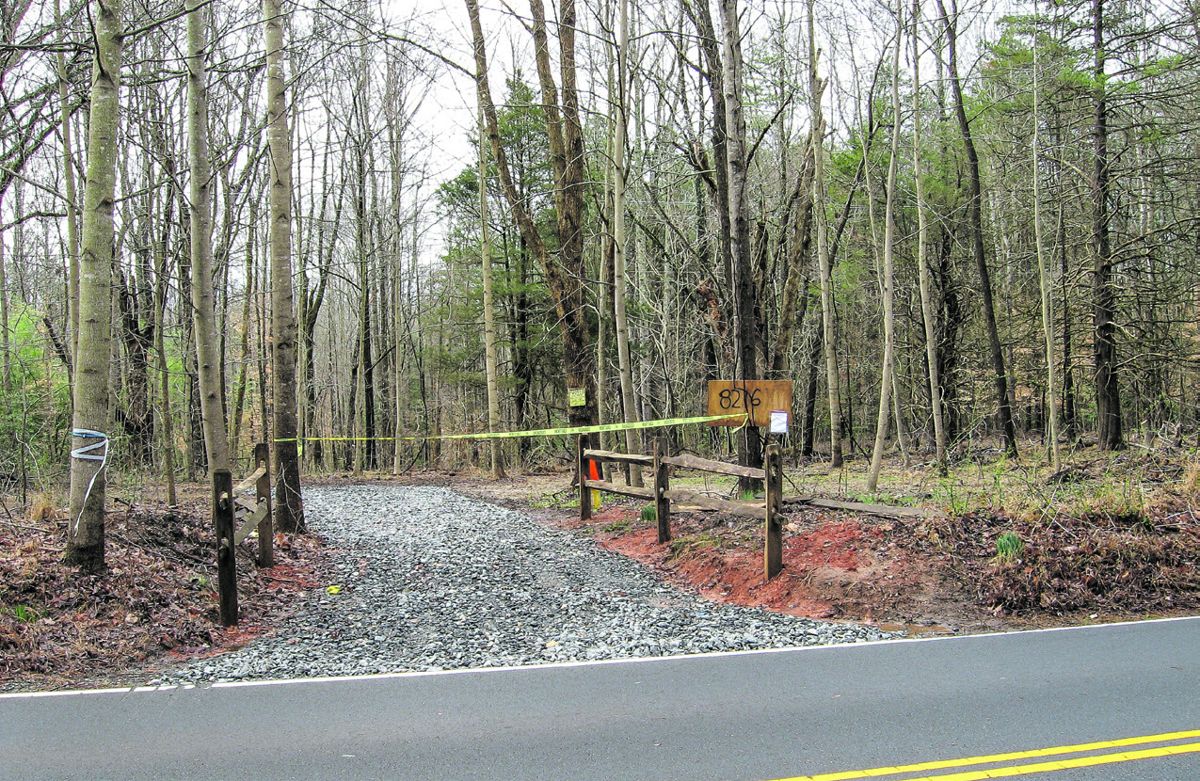
Mike Greenfield volunteers as Lands Manager for Central Virginia Battlefields Trust after a career with the National Park Service. Over the last couple of months, Mike Greenfield has been keeping a close eye on land bordering Brock Road. Mike, the Lands Manager for the Central Virginia Battlefields Trust, has been watching, specifically, a tract that the Union Fifth Corps occupied in 1864. It’s a 14.4-acre property bordering historic Brock Road, an area where troops fought and rallied during the Battle of Spotsylvania Court House. In 1864, the site offered a commanding ridge with a broad view of the battlefield. The V Corps/ Brock Road Tract served as a staging area for the Union Army of the Potomac’s initial attacks on May 8, 1864. Over May 10 and 12, General Gouverneur K. Warren’s V Corps launched new attacks from the property. Finally, on May 14, Confederates moved across the ground when they probed Union defenses. The preservation saga along Brock Road started in 2017 when Mike saw a “For Sale” sign at the property. The land lies near the authorized boundary of the national park, a good initial indicator that troops were probably at the location during the Civil War. When board historians researched the location, they found more details about the ground’s significance. The next step involved looking at the land’s assessed value and parcel features. It took time and tact, but a few weeks later, in January 2018, CVBT made an offer. The following month, CVBT signed a contract with the landowner and then began working with preservation partners to raise $205,000. Once the contracts were signed and fundraising began, Mike’s next job started, studying the land more closely and observing all the topographical and hidden details. He spent hours walking the property in a criss-cross pattern, looking for boundaries, identifying any safety hazards, searching for historical resources, and bringing back answers. With any parcel, a few key questions he always keeps in mind are related to information that will be needed to secure grants and easements for its preservation: “What’s on the land? What can we do with the land? What should we do with the land? What types of easements already exist? How can we ensure the land will be protected forever?” He made a list of answers for the Brock Road tract. From the hours spent on the property, Mike speculates that the land might have been farmed or logged after the War, actions that may have destroyed earthworks. So far, trenches have not been identified, but there is an earthwork line along the property’s border that abruptly ends at the national park boundary, suggesting there may have been a trench line that ran across the tract at the time of the battle. Two challenges to restoring the property to a more historical appearance were unmistakable; a
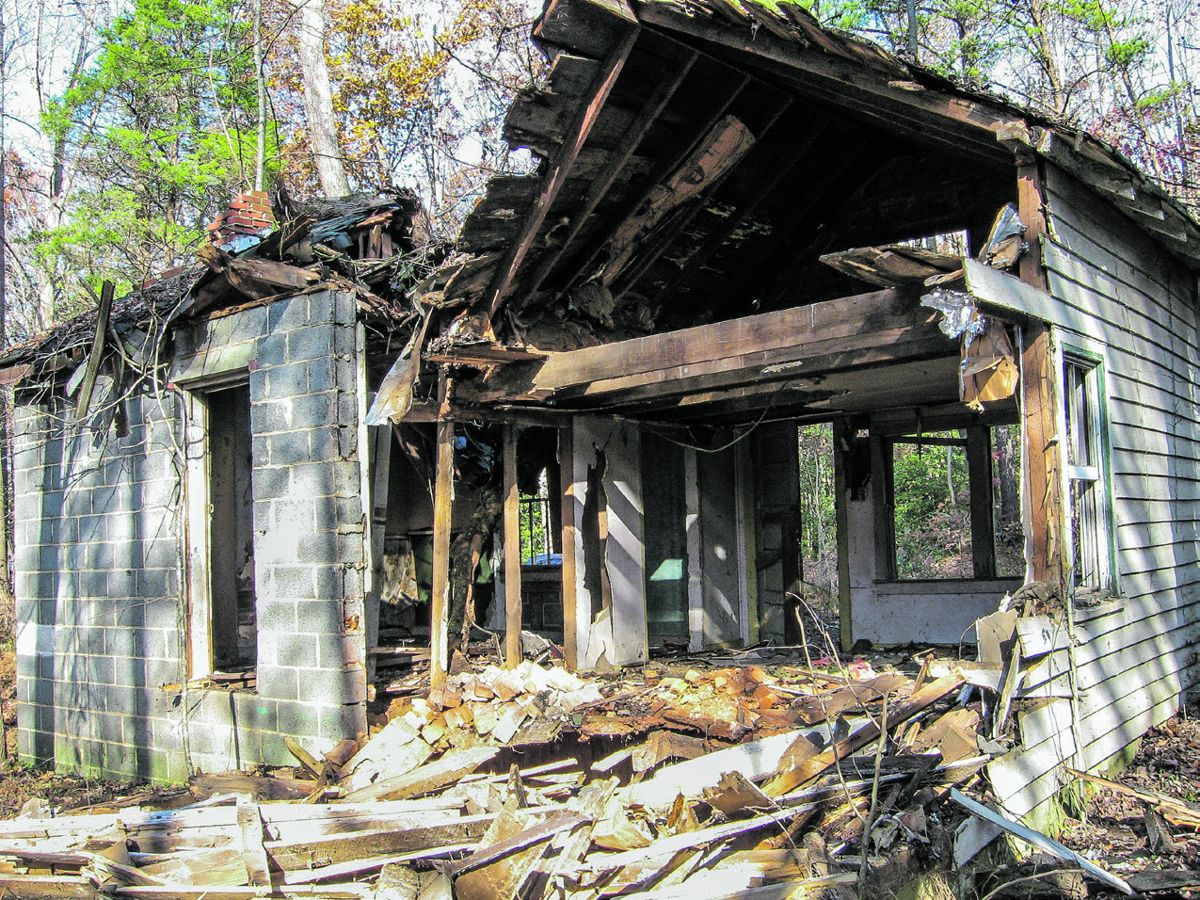
20th Century house had to be removed and two wells on the property required filling and capping. During the following months, Mike worked with the rest of the CVBT team to answer specific questions about the land’s future and how to proceed with demolition and safety projects when that time came. It might seem easy enough to hire a demolition team, but there are many steps to consider. First, grants and easement processes dictate when a structure can be removed. Second, the process for removal must ensure the least amount of damage to the land and other resources. As Mike explains, access points are often the key to these dilemmas. He always finds ways to get heavy equipment on and off the property and confers with the demolition crews to avoid unnecessary ground disturbance. Permits must be filed to remove structures, and the Health Department advises and oversees demolition of wells. Finally, in November 2019, Mike stood by, camera in hand, and watched the demolition of the 20th Century structure that had no ties to the Civil War. He inspected the site daily and kept in contact with the demolition team, always checking to see if there were any problems. “In a process like this, I’m watching for the situations we don’t expect,” he said. “I’m especially looking for historic resources that might have been hidden by a structure or foundation.” Mike explained what’s next for the V Corps/Brock Road Tract. “In my walks, I’ve identified other locations that need major clean up,” he said. “This is for the environmental health of the land and also to give a better sense of the land’s appearance in 1864. Maybe we will be able to have a Youth Day or Community Service Day to remove the litter and other unsightly features.” The discussion is continuing for when and how to bring visitors to the property and the safest options for access. “There’s a lot more to preserving battlefields and preparing them for public access than just buying land,” Mike shared with a smile. Defining his role as Lands Manager at CVBT, Mike said, “It’s dealing with the properties after acquirement, but I’m also heavily involved in the acquisition process, too. There’s a lot of hands-on work, including surveys, studying records from the land’s previous deeds, title insurances, and grants, overseeing demolition, collaborating with historians to determine the 1860’s appearance, arranging for bush-hogging, and keeping the properties open to the public ‘looking respectable.’” Mike served as a National Park Service ranger from 1974 to 2004, working at Blue Ridge Parkway, Everglades, Assateague Island, Fort Necessity, and Fredericksburg-Spotsylvania. As a field ranger, he actively protected lands and resources and worked at solving survey issues. He always wanted to work at a Civil War-related national park. His fascination with the Civil War started around age four or five when his grandmother let him play with family artifacts from the war period. Mike says his experiences have shaped his vision, which he is glad he’s now able to share through his volunteer work with CVBT. “I realize how neighboring lands affect the national parks, and I know how much land affected by Civil War battles isn’t preserved within the park boundaries,” he said. “Private efforts are the only way to help with new preservation efforts like this. In the Central Virginia region, we have four major battlefields. The effects of the war cover so much land and everything was changed by the Civil War, economy, topography, forests. This was really an area repeatedly devastated by the conflict. We have to preserve the areas of significant history. That’s what I like to work on. That’s what I’ll continue to do.” Central Virginia Battlefields Trust saves Civil War battleground to preserve the memory and meaning, sacrifices and stories of the men who fought at Fredericksburg, Chancellorsville, The Wilderness, and Spotsylvania. Learn more: www.cvbt.org Come tour these four battlefields with nationally recognized historians at CVBT’s Annual Conference, April 24-26, 2020. A la carte or package tickets available. Event details: www.cvbt.org/cvbt-annual-conference.