Former U.S. Congressmen Henry Shaw Was Killed in Civil War Combat
By Bob Ruegsegger · Originally published April 2020 · pp. 28–29
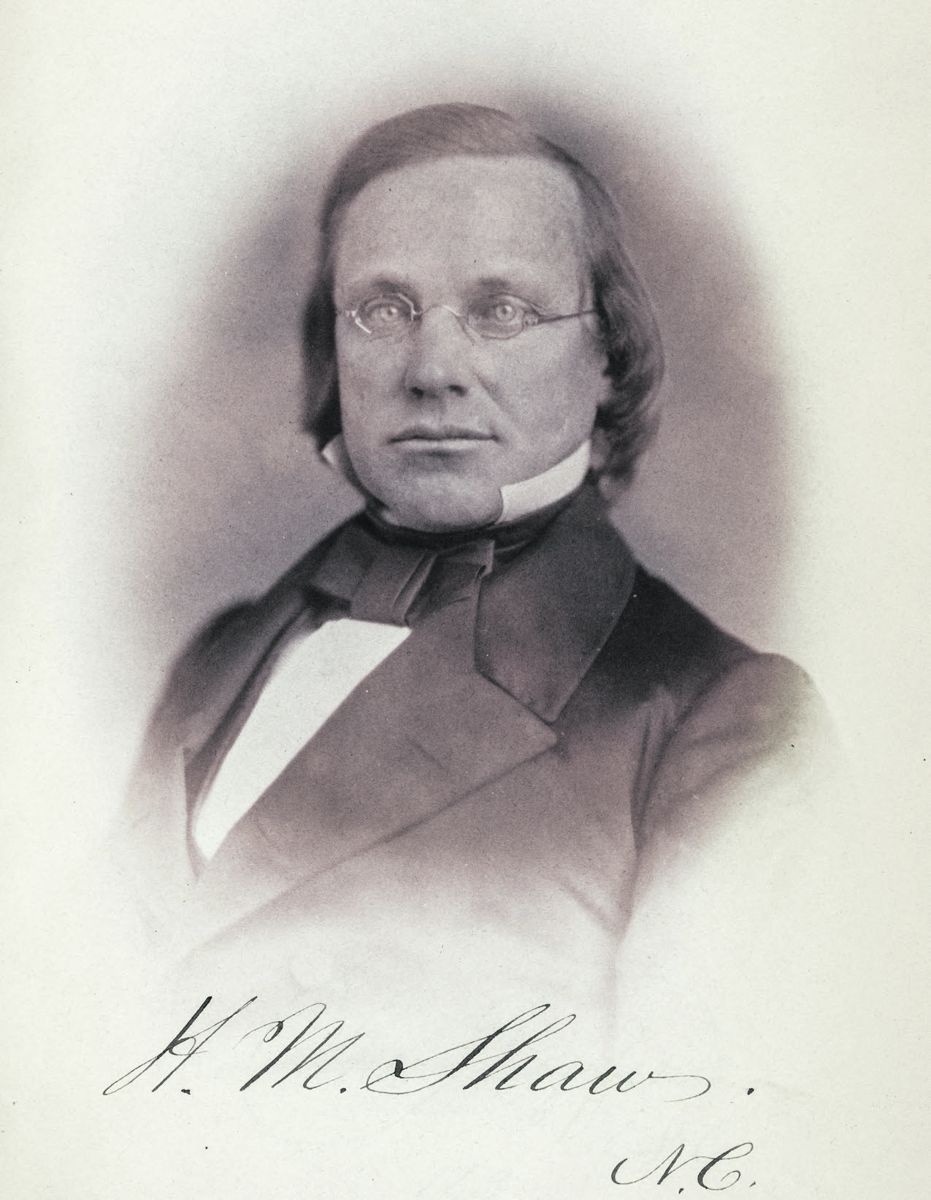
Colonel Henry Marchmore Shaw had the dubious distinction of being one of the few former congressmen killed in combat during the Civil War. Henry Shaw was born in Newport, R.I., on Nov. 20, 1817. His family moved to North Carolina following his father’s commercial setbacks during the War of 1812. After his mother’s death in 1829, Shaw’s younger brother, Silas, was sent back to Rhode Island to live with relatives. Henry remained in North Carolina with his father. Sponsored by Gideon Marchant, a local Currituck County physician, Shaw studied medicine at the University of Pennsylvania and later established a medical practice in the Indiantown area in Currituck County, N.C. Dr. Shaw became involved in politics in the 1850’s. He was elected to the U.S. Congress in 1853. Defeated in the 1855 election, he was again elected to Congress in 1857. “He was a doctor. He was also a state representative from Currituck before the war,” said Currituck native E.G. Swain. An ardent secessionist, he represented Currituck County at the 1861 Secession Convention.
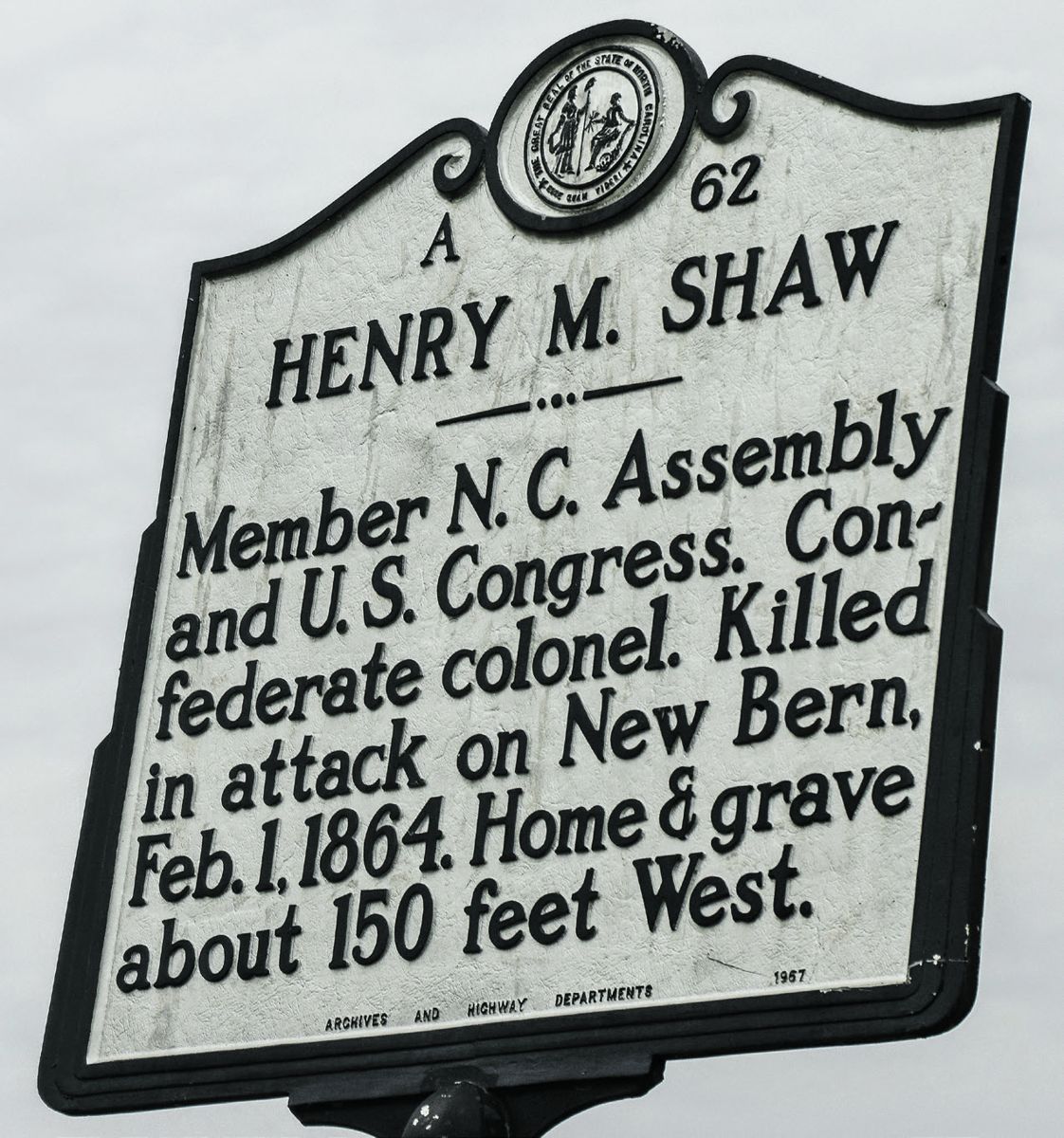
Shaw was so adamant about North Carolina’s secession from the Union that he resigned from the convention and joined the North Carolina State Troops that were later amalgamated into the Confederate Army. “The whole of northeast North Carolina was almost 50-50 as to whether to secede or not,” said Swain. “The businessmen all had their ties with the North, and they didn’t want to lose their businesses. There were very few slave holders in this area. That did not play a big part in it,” he said. “North Carolina was supposedly the last state to secede, and they did not secede until Lincoln called for 75,000 troops. They made the statement that ‘We won’t fight the South’.” North Carolinians, according to Swain, were a lot like the other southern people. Southerners thought with considerable justification that the Union was invading their land and their lives; they resented the Yankee aggression according to Swain. “I think there was a whole lot of that. That’s why the southern people joined the Confederacy,” he said. “That, to me, would be the main reason.” Shaw elected to join the army as an infantry officer; not a surgeon. He was appointed colonel of the 8th Infantry Regiment N.C. State Troops organized in September 1861 at Camp Macon near Warrenton, N.C. Personnel in the 8th Infantry Regiment were drawn from the counties of Pasquotank, Perquimans, Camden, Currituck, Franklin, Cumberland, and a number of other areas. Colonel Shaw and his regiment were sent to the coast to defend Roanoke Island, an important link in the defenses of North Carolina. Colonel Ambrose Wright with the 3rd Georgia Infantry was also sent to Roanoke Island. He established Camp Georgia and built fortifications all over the island to protect the rear approaches to Portsmouth and keep Union forces from entering Albemarle Sound and other eastern North Carolina waterways. “Colonel Shaw and the 8th NC were sent to reinforce him,” said Swain. “When Colonel Wright and his troops left, Colonel Shaw was more or less in charge on the island until Brigadier General Wise was sent from Virginia to assume overall command.” Wise only had about 2,500 troops to defend Roanoke Island from an impending Federal attack. “During the Battle of Roanoke Island, Wise was sick with the flu in a Nags Head hotel room,” said Swain. “Colonel Shaw was in charge of the Battle of Roanoke Island.” General Ambrose Burnside’s expedition arrived at Hatteras Inlet in the Outer Banks with 15,000 soldiers and a fleet of 80 ships. Bad weather delayed his amphibious operation for nearly a month. On Feb. 7, 1862, Burnside attacked the outer defenses on Roanoke Island with 10,000 soldiers. The Union force was overwhelming. Colonel Shaw withdrew his troops to the northern end of the island. There was no hope of escape. Resistance would have been futile. The Confederate troops would have been annihilated. Colonel Shaw surrendered his entire force on Feb. 8, 1862. Following their surrender on Roanoke Island, the men were briefly held as prisoners of war. They were transported to Elizabeth City by steamer, paroled, and sent home. After they were formally exchanged, the men reformed the regiment at Camp Mangum near Raleigh. Once the unit was re-assembled, the 8th North Carolina was assigned to General Clingman’s command. Colonel Shaw’s regiment Shaw highway marker. was sent to Morris Island in Charleston where they fought against the Union attack on Battery Wagner. One of the attacking commanders was Robert Gould Shaw, 54th Massachusetts, the regiment made famous in the movie Glory. They were later assigned to Fort Moultrie across the harbor on Sullivan’s Island. Later, as part of General Hoke’s Division, the 8th North Carolina took part in the 1864 eastern
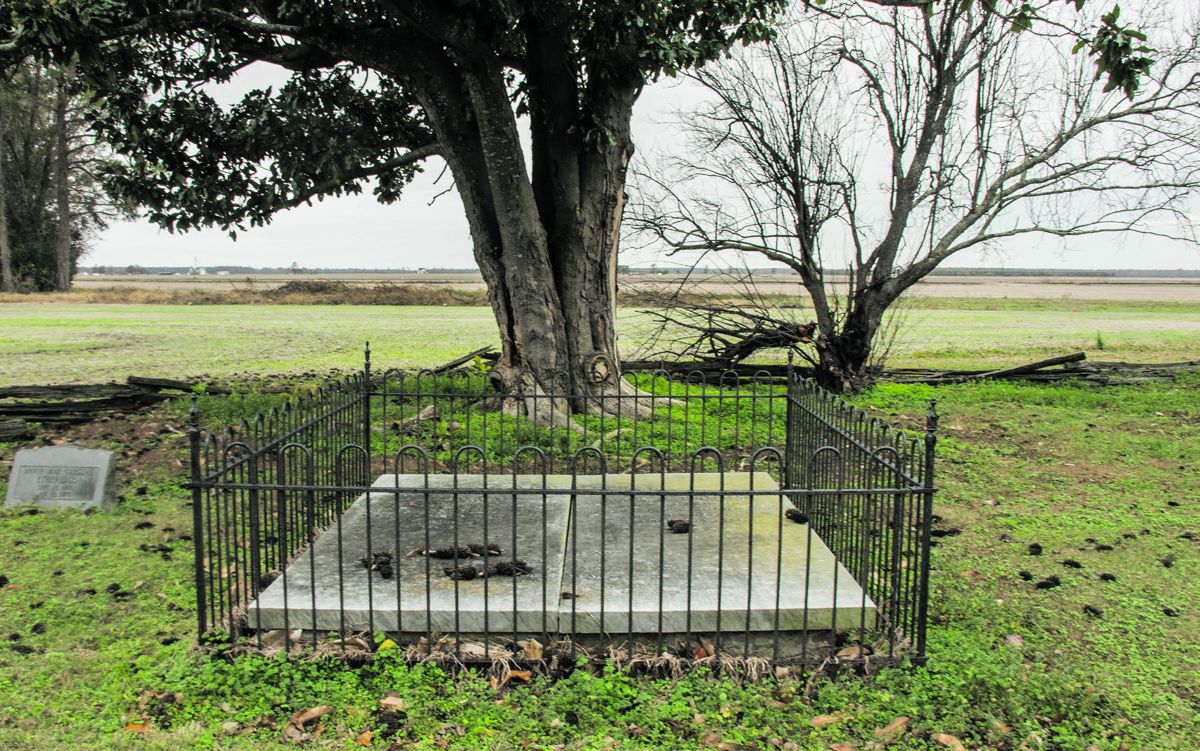
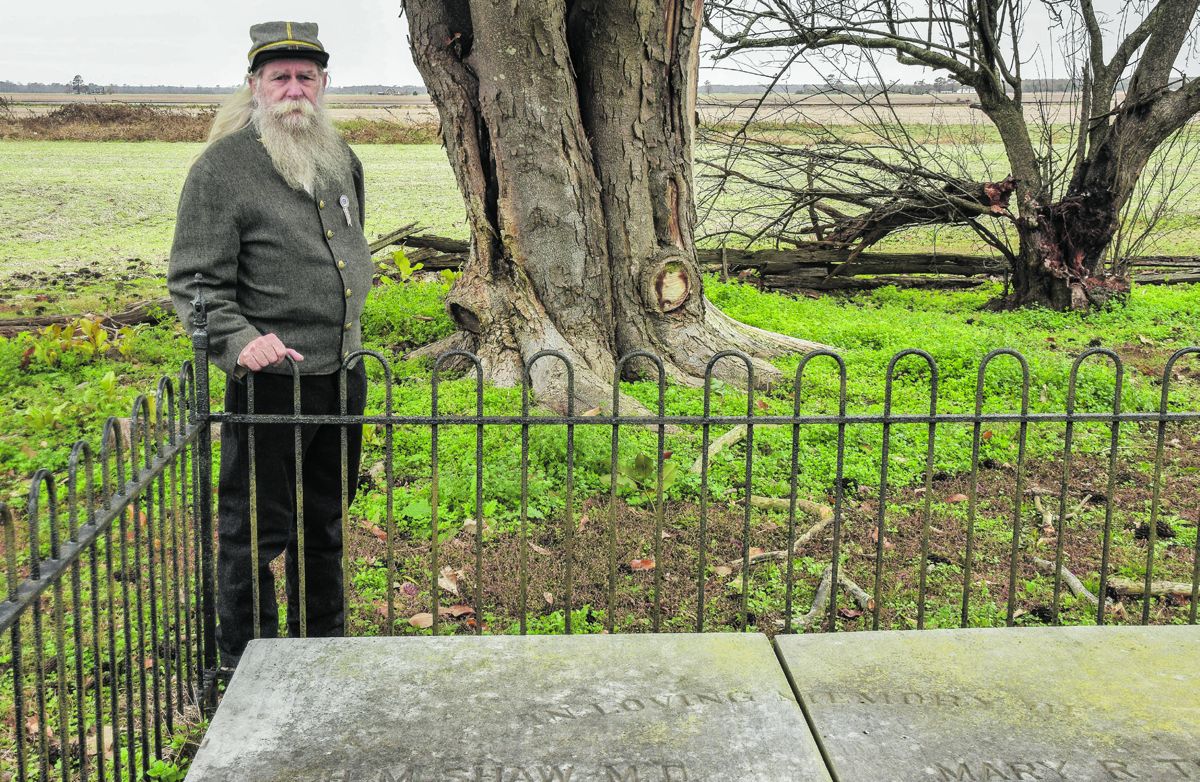
North Carolina campaign, an effort to reclaim parts of eastern North Carolina occupied by Union troops. During initial preparations for a Confederate attack on New Bern, Colonel Shaw suffered a fatal wound at Batchelder’s Creek on Feb. 1, 1864. “While in this position, within 200 or 300 yards of the creek, Colonel Shaw, who was with me at the head of his regiment, was instantly killed by one of the enemy’s shots from the opposite side of the stream,” wrote General Thomas Clingman in his report. Clingman added that “this unfortunate casualty” made it necessary that Lt. Colonel Whitson assume command of the 8th North Carolina. “Actually, a Yankee sharpshooter shot him off of his horse,” said E.G. Swain. “His troops thought so much of him they bought a brand-new uniform to dress him and shipped him home so he could be buried at the home place.” Colonel Shaw’s home was in Bayley, in Currituck County. After the Civil War, Bayley became known as Shaw’s Corner, then was designated Shawboro by the Norfolk & Southern Railroad, in honor of the Shaw family. Henry Shaw and his wife Mary rest peacefully side by side in the Shaw family cemetery adjacent to their former home.
In recent years, the William F. Martin Sons of Confederate Veterans Camp #1521 from Elizabeth City has hosted an annual memorial service for Colonel Shaw in Shawboro. E.G. Swain, member of SCV Camp #1521, admires Colonel Shaw most for his patriotism. “Apparently, he was well liked and loved by his men,” said Swain. “They said that he was a good soldier. He knew what to do.” Bob Ruegsegger is an American by birth and a Virginian. His assignments frequently take him to historic sites throughout Virginia, the Mid-Atlantic, and the Southeast. His favorite haunts include sites within Virginia’s Historic Triangle—Jamestown, Yorktown, and Williamsburg. Bob served briefly in the U.S. Navy. He is a retired educator and has been an active newspaper journalist for the last twenty years.
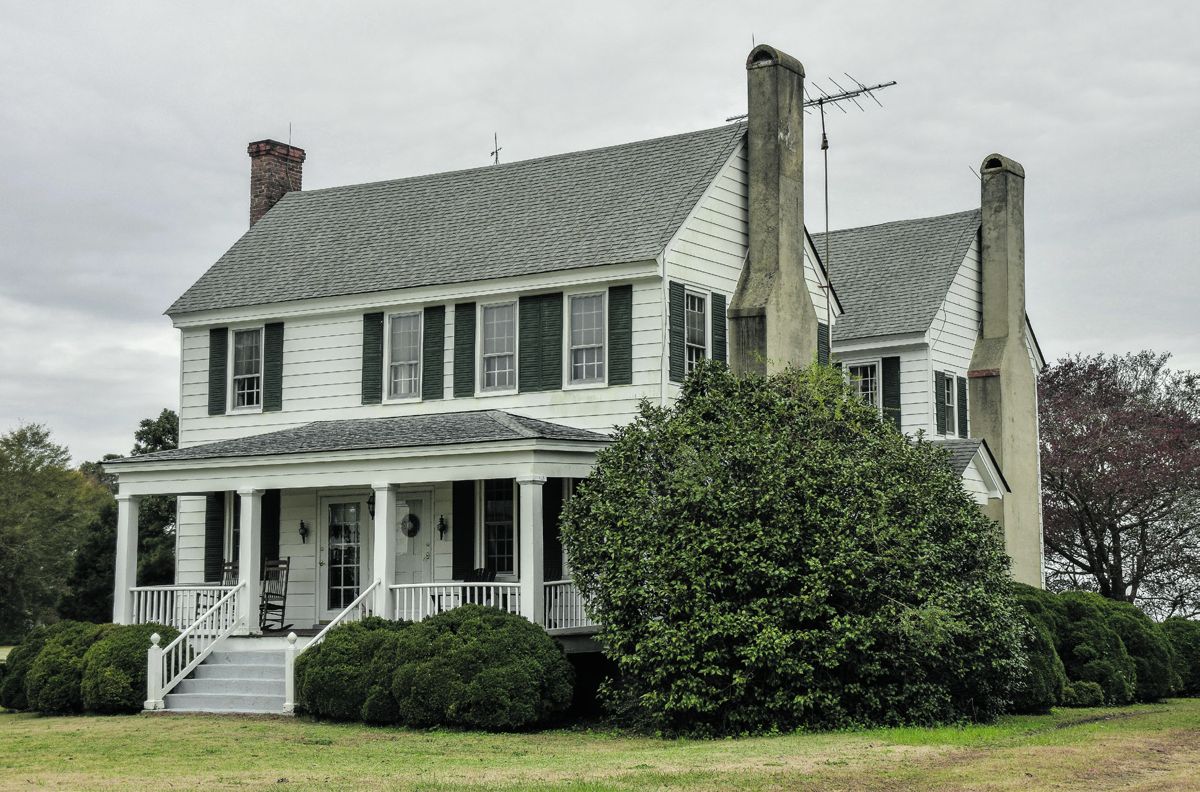
Shaw Family home, Currituck County, N.C.