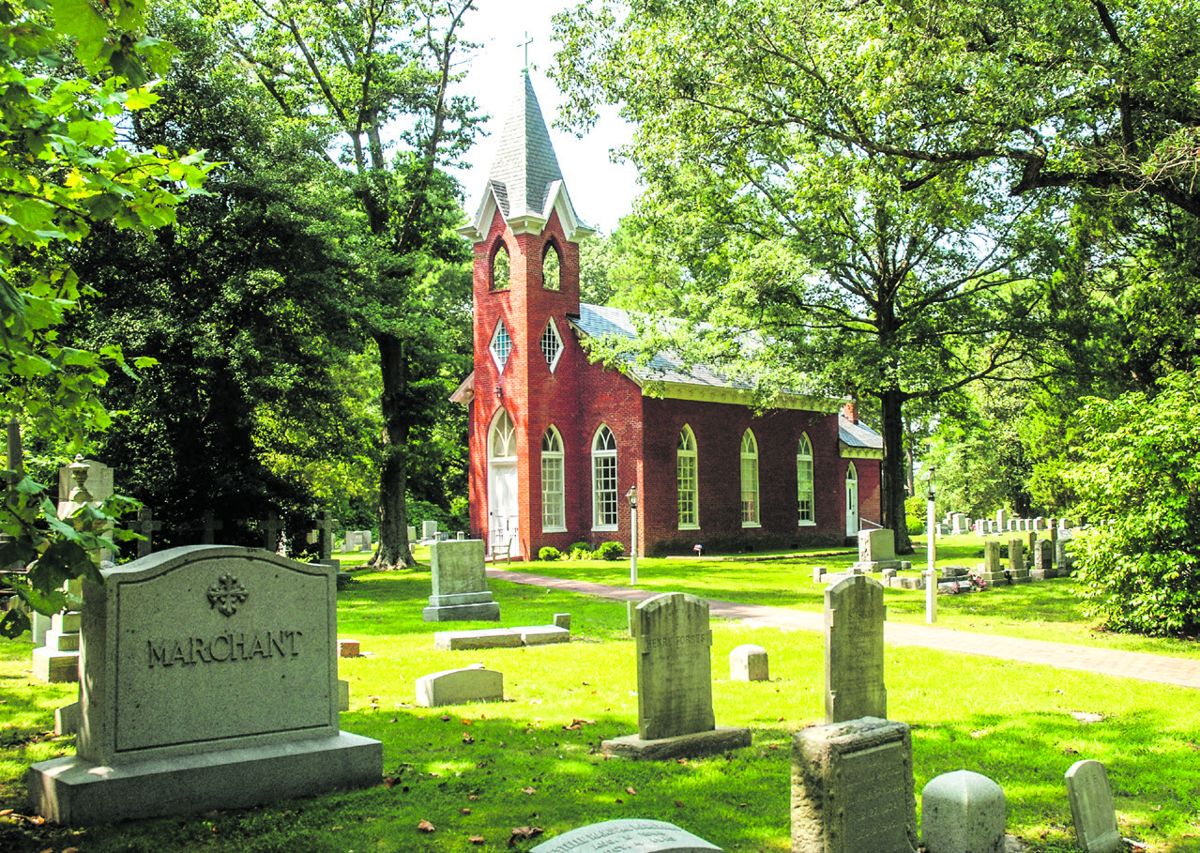
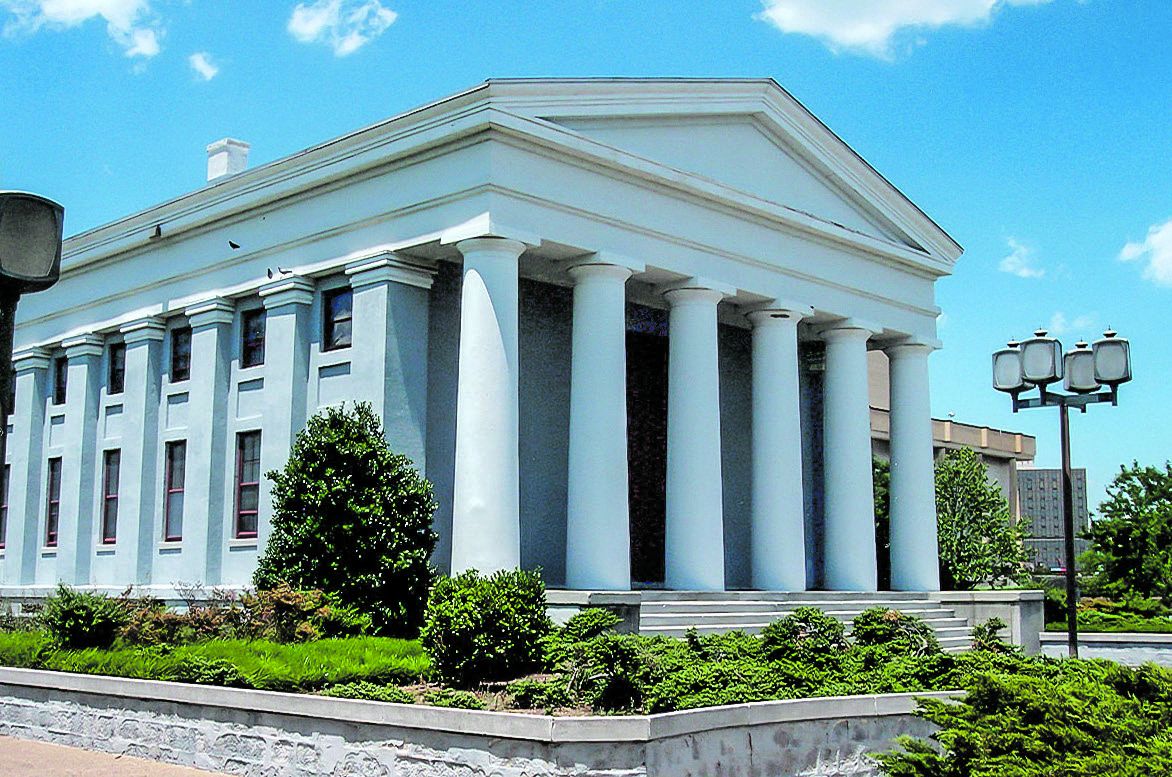
Major Giles B. Cooke: Grand Old Man of Virginia
By Bob Ruegsegger · Originally published September 2019 · pp. 32–33
![Rev. Giles B. Cooke portrait taken in 1887 by Frank Wybrant [or someone from his studio] a Louisville, Ky., photographer. (Note: photo MAY have been taken during the Orphan Brigade Reunion, August 18, 1887, in Bardstown, Ky. (Photo courtesy of the Portsmouth Public Library)](/article-images/cwn-2019-september/cwn-2019-september-major-giles-b-cooke-grand-old-man-of-vir-01.jpg)
Douglas Southall Freeman, renowned Richmond newspaper editor and revered biographer of General Robert E. Lee, described Major Giles Buckner Cooke as the “Grand Old Man of Virginia” in an editorial in The Richmond News-Leader on Friday, February 5, 1937, the day after Major Cooke’s death. The Pulitzer Prize winning biographer’s tribute to Virginia’s Grand Old Man noted that Cooke passed away peacefully in his sleep a few months before his 99th birthday. Major Cooke was the last surviving officer who served on General Robert E. Lee’s immediate staff. Freeman observed, regretfully, that Cooke’s passing marked the close of an era; an age profoundly distinguished by its heroic ideals. Giles Buckner Cooke, known as “Buck” to lifelong friend Walter Herron Taylor of Norfolk, was born in Portsmouth, Virginia, on May 13, 1838. Both Cooke and Taylor attended Norfolk [Military] Academy and later attended Virginia Military Institute in Lexington. Taylor, a member of the VMI class of 1857, was forced to withdraw from the Institute in the fall of 1855. After spending a year at Fleetwood Academy in King and Queen County, Cooke entered VMI in 1855 and graduated four years later. On July 4, 1859, graduation day at VMI, Cooke was reported to have entered into a heated disagreement with Major Thomas J. Jackson about the grade Cooke received in Jackson’s Natural Philosophy [Physics] class. Cooke, according to his son John Warren Cooke the late publisher of the Gloucester-Mathews Gazette-Journal, made sure that his diploma was officially signed before the argument with Jackson. Cooke’s original intention was to pursue a career in law, but the War Between the States, and a strong sense of duty, compelled the young 22-year-old aspiring attorney to revise his plans. Young Cooke’s first service in the Confederate cause was to assist in capturing gun powder from Fort Norfolk on April 19,
- According to Cooke’s diary, his detail seized 8,400 pounds of powder at Fort Norfolk, loaded the powder onto a barge, and promptly delivered it to Richmond. Through his military training at VMI and kinship with General Philip St. George Cocke, young Cooke was granted a commission as a Confederate staff officer. Lieutenant Cooke, like numerous other VMI alumni and students, contributed to training the droves of spirited, but raw, recruits who began arriving at Manassas Junction in April 1861. From the fall of 1861 until the autumn of 1864, Captain Cooke served at various Confederate Army headquarters as a staff officer. Cooke served on the staffs of General Braxton Bragg in the Army of Tennessee and General Samuel Jones in the Department of Western Virginia before he was reassigned to General P.G.T. Beauregard’s staff prior to the beginning of the siege of Charleston in April 1863. Cooke’s close association with General Beauregard continued until September 1864 when Beauregard was reassigned from the defense of Petersburg to overall command of the Army of Tennessee and the Department of Alabama, Mississippi, and East Louisiana in the West. Largely through the intercession of Lt. Colonel Walter H. Taylor, General Lee’s chief of staff and Cooke’s lifelong friend, Major Cooke received the honor of being assigned to General Lee’s personal staff in November 1864. Cooke served on Lee’s staff as assistant inspector general for the remainder of the war. When Lee surrendered the Army of Northern Virginia at Appomattox, Major Cooke, wounded in the leg by shrapnel at Saylor’s Creek, was in an
The Cooke family has a long tradition of service to Virginia and Virginians. This plaque in the Old Gloucester Courthouse notes some of their contributions. ambulance at Lee’s headquarters. As General Lee departed Appomattox for Richmond, Cooke rode with him, albeit in an ambulance, as far as Belmead [the estate of Cooke’s kinsman Philip St. George Cocke] in Powhatan County. General Lee, Lt. Colonel Marshall, and Lt. Colonel Taylor, and the wagon and ambulance drivers, continued on to the Lee’s Franklin Street residence in Richmond. The Army of Northern Virginia was relegated to history; the war was over for Major Cooke and his comrades. Their hopes for Southern independence had vaporized. “Farewell war—farewell General—farewell brother staff officers and companions in arms, I am now a citizen-slave and what will become of me and the people of our Southland, God only knows,” wrote Major Cooke in the concluding entry of his war time diary.
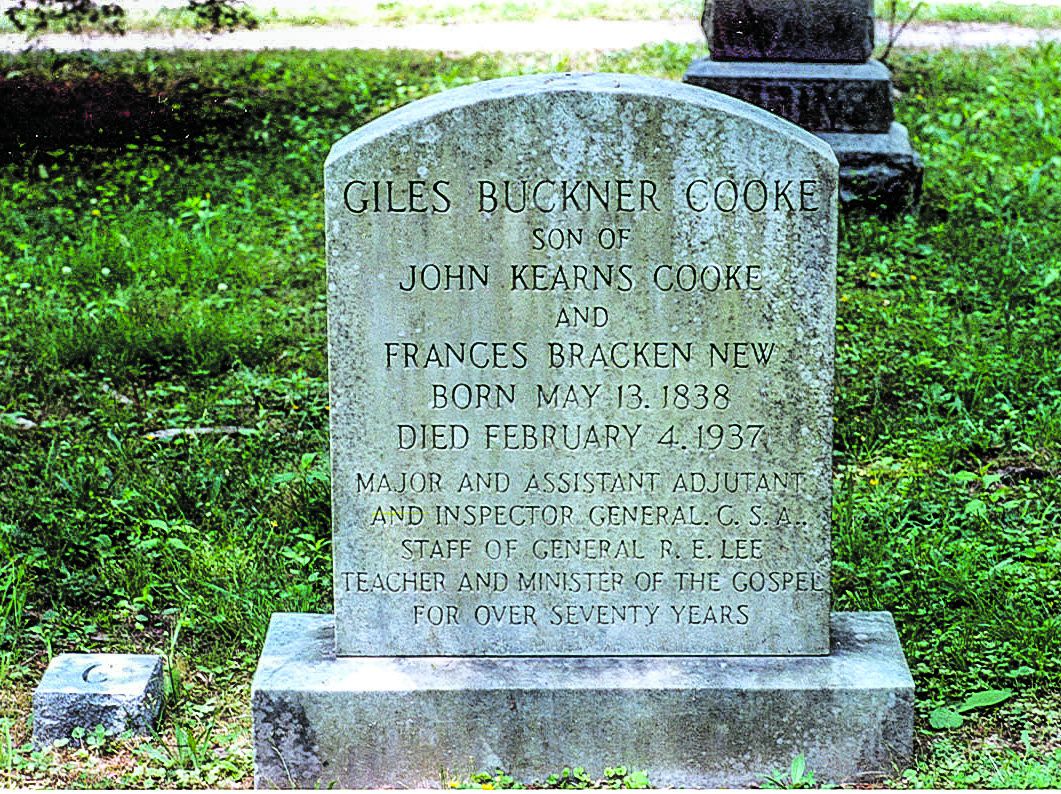
Although Cooke survived the war, he had certainly not escaped unscathed. The war had been a life-changing spiritual experience for Cooke, an epiphany, as it had been for countless other Southerners. Cooke’s firm faith in God had only been strengthened in the crucible of war. He was convinced that his life had been spared because it had been ordained by Providence. The 27-year-old Confederate veteran decided that he would devote what remained of his life to the ministry. Cooke’s deliberate decision to enter the priesthood was, as Providence would have it, a selfless investment that paid gracious dividends to Virginians for more than 70 years. When the Federal government required Virginia to approve a new constitution [Underwood Constitution] that guaranteed voting rights to all men, black or white, in order to be readmitted to the Union, Major Cooke was convinced that the freedmen must be provided with a “wisely-fashioned education” lest they fall victim to the odious scalawags and opportunistic carpetbaggers who sought political office and advantage in the South after the war. Laws passed by Congress denied voting rights to many former Confederates and excluded almost all from holding public office. Major Cooke received a letter from his former commanding officer in 1866 in response to his request regarding autographed pictures for St. Paul’s Sunday School in Petersburg. After reading the response from Lee, it must have been clear to Cooke that he had chosen one of life’s most noble paths. For the teacher and aspiring cleric, Lee’s elegant response must have been the ultimate earthly encouragement. “My interest in the citizens of Petersburg is as great now as when I was daily witness of the dangers to which they were subjected from the siege of their beloved city and my admiration of the fortitude and courage they displayed has not in the least abated,” wrote Cooke’s former leader. “The children of the city will always have my warm affection, and I rejoice that they so early possess a desire for that knowledge which leads to righteousness and eternal life, and in comparison with which all other learning is valueless,” he added. This elegant letter of reassurance was signed, “R. E. Lee.” In 1867, Major Cooke began teaching in one of the schools established by the City Council of Petersburg to educate AfricanAmerican children. Major Cooke, an early champion for educating the underprivileged in Virginia, has been credited with being one of the first, if not the very first, white native Virginians to become a teacher of African Americans after the War. Reverend [Major] Cooke was ordained a deacon in 1870 and a priest in 1872. At the time that the Episcopal Church resumed its ministerial role among
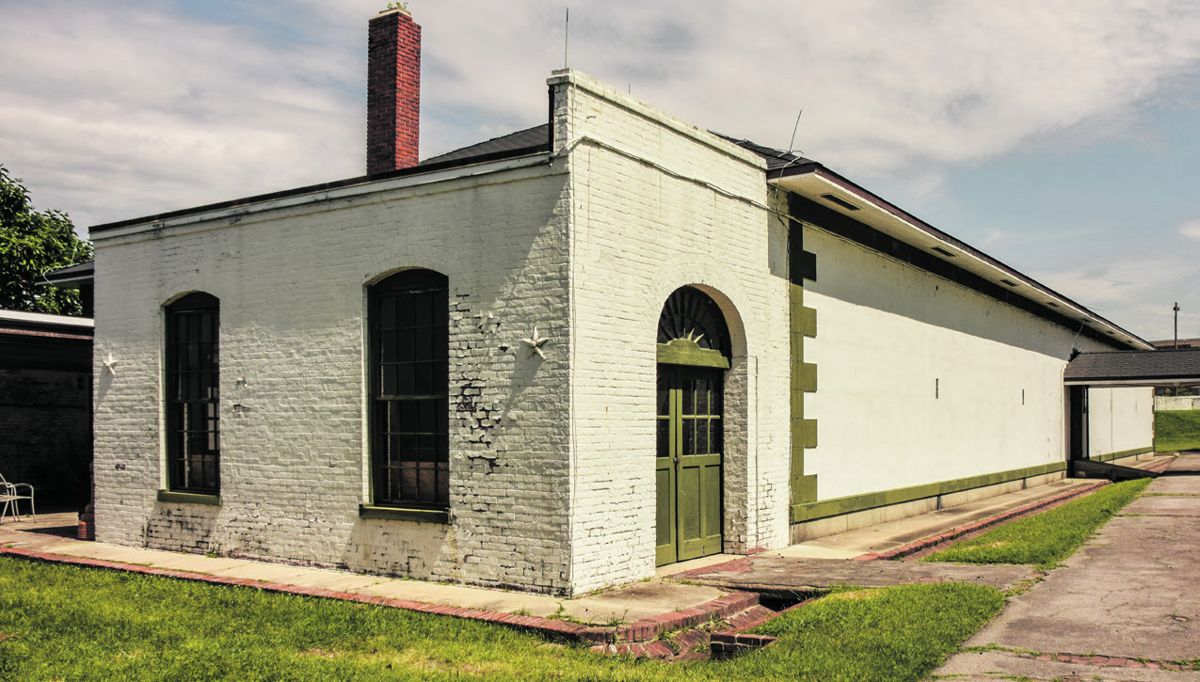
African-Americans, he founded a church day school on Harrison Street in Petersburg at the Old Oak. He recruited students for St. Stephen’s Parish School by going door to door in Petersburg’s African-American quarter. St. Stephen’s eventually became Bishop Payne Divinity School, the Episcopal Church’s first theological training facility for African-Americans. Archdeacon James Solomon Russell, founder of St. Paul Normal and Industrial School [later St. Paul’s College] in Lawrenceville, Va., was among Reverend Cooke’s first and perhaps most distinguished pupils. Reverend Cooke served the ministry as rector of Kingston Parish in Mathews County from 1904 to 1915 as well as other Episcopal parishes in Kentucky, Maryland, and Virginia. While at All Saints Church in Portsmouth, his place of birth, he retired from the active ministry in 1917. During Reverend Cooke’s tenure, he and his family developed an affection for the people of Mathews County. After his retirement from the ministry, he purchased a home in Mathews Court House where he lived until his death in 1937. His former residence remains occupied by a family member. “I have always been on the side of the underdog,” noted Reverend Cooke on numerous occasions. When asked by Reverend Dr. James Saul of Philadelphia about the primary reason he had chosen to become directly involved in providing education for freedmen, Cooke responded, “Because no one else would.” Reverend Major Giles B. Cooke was, aside from being the last surviving member of General Lee’s immediate staff, chaplain general of the Confederated Southern Memorial Association, oldest alumnus of Virginia Military Institute, and dean of Episcopal clergymen in Virginia. For many admirers, including Douglas Southall Freeman, Reverend Giles Buckner Cooke epitomized the archetype of Southern chivalry in an heroic age, truly the Grand Old Man of Virginia. Bob Ruegsegger is an American by birth and a Virginian. His assignments frequently take him to historic sites throughout Virginia, the Mid-Atlantic, and the Southeast. His favorite haunts include sites within Virginia’s Historic Triangle—Jamestown, Yorktown, and Williamsburg. Bob served briefly in the U.S. Navy. He is a retired educator and has been an active newspaper journalist for the last twenty years.