
The Unfinished Fight
California Beer
By Craig L. Barry · Originally published October 2019 · pp. 10–11
California Beer In 1864, during Sherman’s “March to the Sea,” his invading army lived on the bounty of the farmlands they marched across. For every story of subsisting on parched corn or frying a rat for want of rations, there are recollections of soldiers who wisely made friends with the local civilian population. In this way they were able to buy food or were invited to meals at civilian homes in the area. At least while the civilian population had resources to share, the stories soldiers shared in their diaries suggest abundance. One soldier reported the supper he was served included: Warm biscuits, corn bread and honey, fried ham, stewed punkin sass (sauce), good coffee, sweet milk, and buttermilk. We could not have had a better meal. He was not alone; here is another similar experience from “Company Aytch.” This recollection enthusiastically describes a family style meal prepared for some men of the First Tennessee Infantry near Chattanooga in late summer, 1863, just before Chickamauga. Sam Watkins was apparently one of the men invited into this civilian home for a meal that made a lasting impression on him: …the old gentleman invited us all to take supper with him. If I have ever eaten a better supper than that I have forgotten it. They had biscuits for supper. What! flour bread? Did my eyes deceive me? Well, there were biscuits—sure enough flour bread-and sugar and coffee—genuine
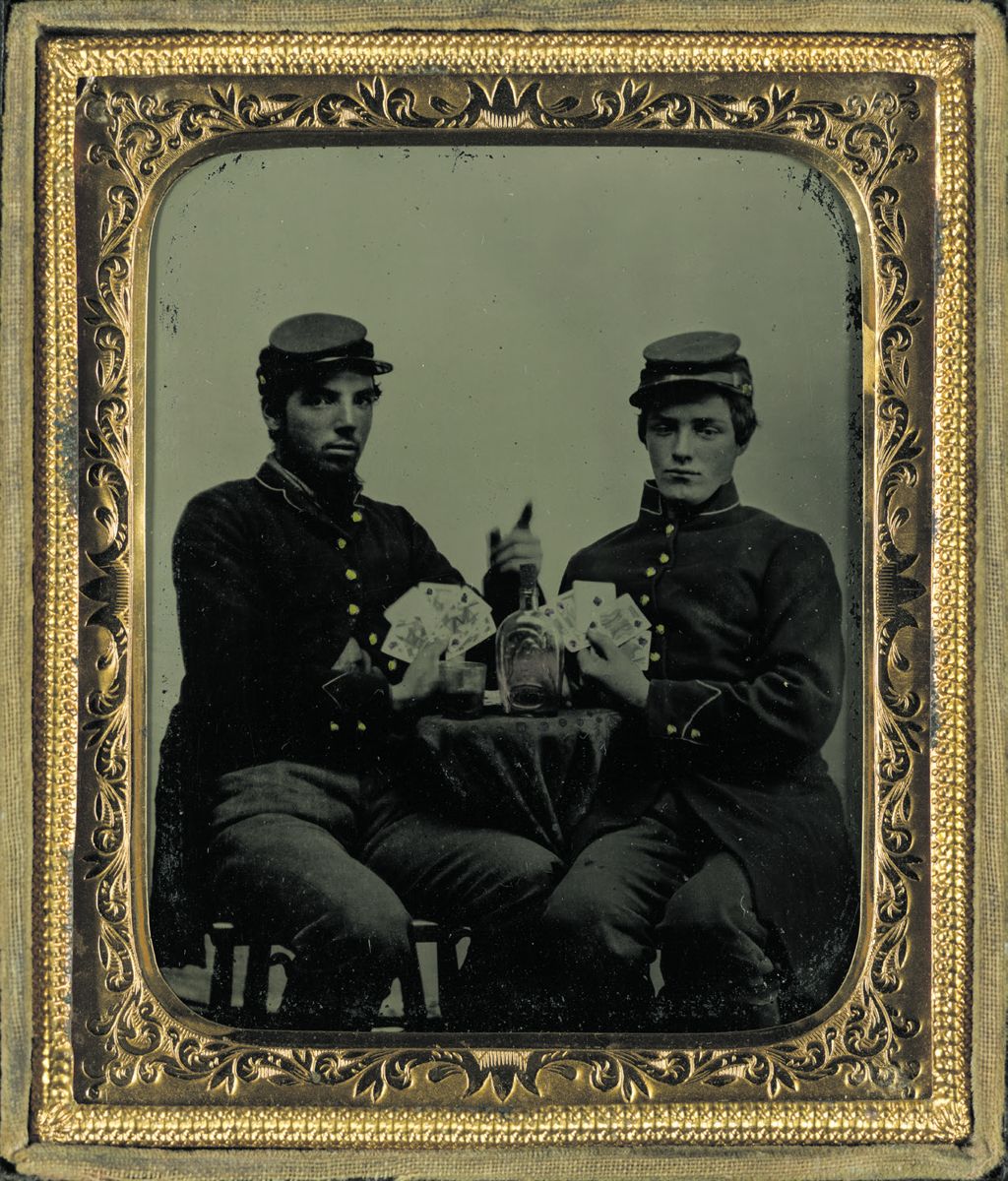
Rio—none of your rye or potato coffee, and butter—regular butter—and ham and eggs, and turnip greens, and potatoes, and fried chicken, and nice clean plates—none of your tin affairs— and a snow-white table-cloth and napkins, and white-handled knives and silver forks… We were invited to help ourselves. Our plates were soon filled with the tempting food and our tumblers with California beer. We would have liked it better had it been twice as strong, but what it lacked in strength we made up in quantity. As for the elixir Watkins called “California Beer,” it was a fermented drink produced from water, molasses (or sorghum), and some kind of yeast (seed) as an activating agent. It sounds like the starter for a sourdough bread recipe. See the following:
SACRAMENTO, Nov. 4—A plea for a stake of “California Beer Seed” that will produce a beverage… has been received by Charles Paine, secretary of the California State Agricultural Society, from W. A. Adair of Marshall, Texas. Mr. Paine said he had no information concerning this “beer seed,” but has appealed to the public for assistance that he may comply with the request. Adair’s letter said: During the Civil War, we made a home beverage called California beer, made from beer seed. The seed multiplied several hundred fold monthly, is my recollection. I know that a seed the size of a grain of sugar grew to be as large as buckshot rose gradually from the bottom of the container to the top then burst into hundreds of little ones and sank to the bottom again. It was mighty good with ginger cake during the war and beat sassafras tea. As it is made of water and cheap molasses, it will beat ice tea without sugar… and it is a healthful drink much better than root beer. It never intoxicates. That California beer concoction would certainly ferment and therefore will intoxicate if you follow this recipe and consumed enough of it. The sugar from the sorghum would result in fermentation if it was aged a while. You are to be excused if you do not find all of this as fascinating as I do. Any careful study of the material culture below Mason & Dixon’s line during the 1860s must take note of the many differences in the basic food served as well as preparation methods and how it was served. There was a recent television series produced where a group of modern people were trying to live in a Victorian-era home with no modern conveniences. If the thrust of it is remembered correctly, the modern contestants all nearly starved to death for lack of necessary basic culinary skills needed to cook food given the uneven temperatures produced by wood burning stoves of the era. Craig L. Barry was born in Charlottesville, Va. He holds his BA and Masters degrees from the University of North Carolina (Charlotte). Craig served The Watchdog Civil War Quarterly as Associate Editor and Editor from 2003–2017. The Watchdog published books and columns on 19th-century material and donated all funds from publications to battlefield preservation. He is the author of several books including The Civil War Musket: A Handbook for Historical Accuracy (2006, 2011), The Unfinished Fight: Essays on Confederate Material Culture Vol. I and II (2012, 2013) and three books (soon to be four) in the Suppliers to the Confederacy series on English Arms & Accoutrements, Quartermaster stores and other European imports.