The Source
The Atlanta Papers (cont.)
By Michael K. Shaffer · Originally published May 2019 · pp. 16–17
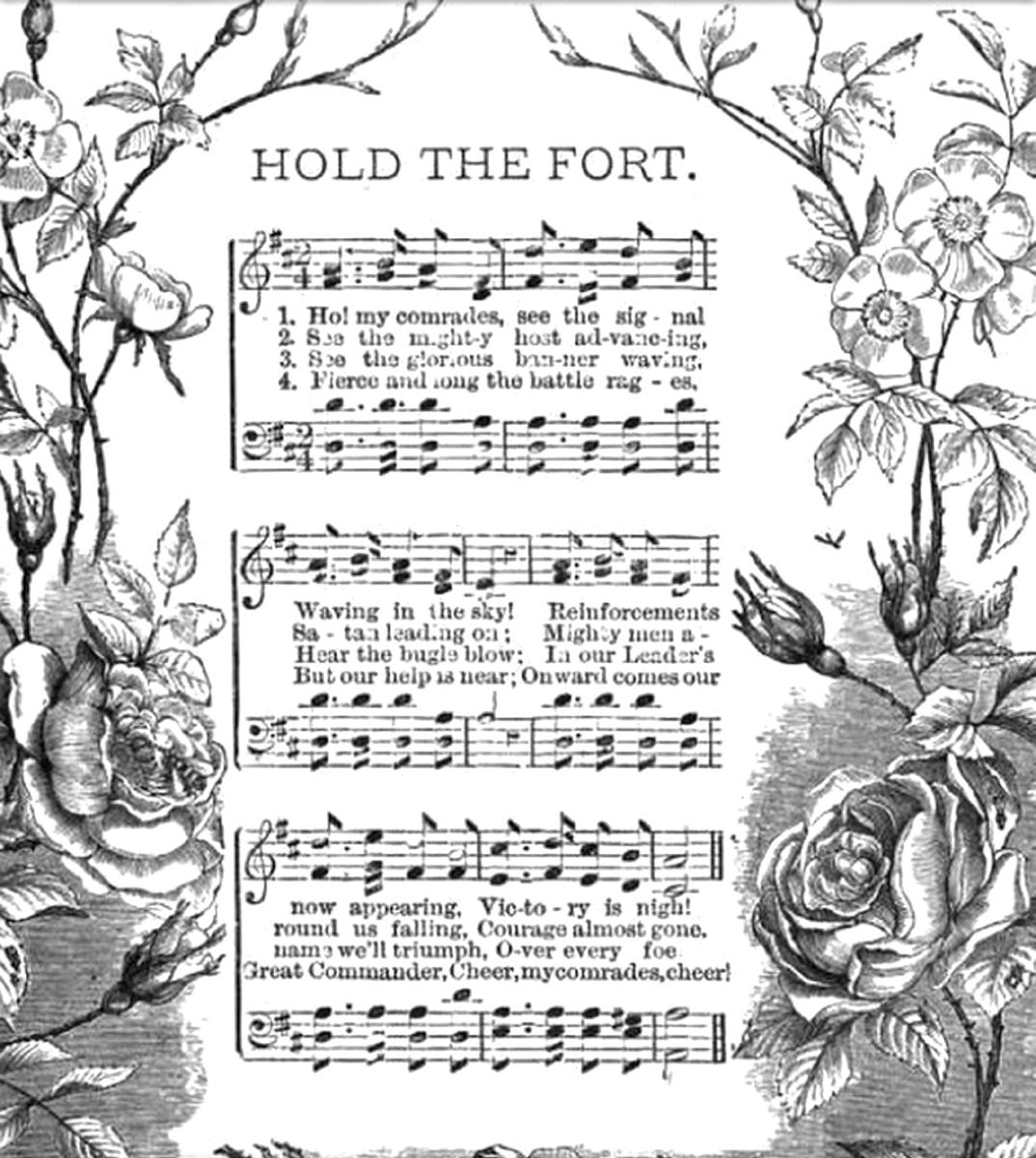
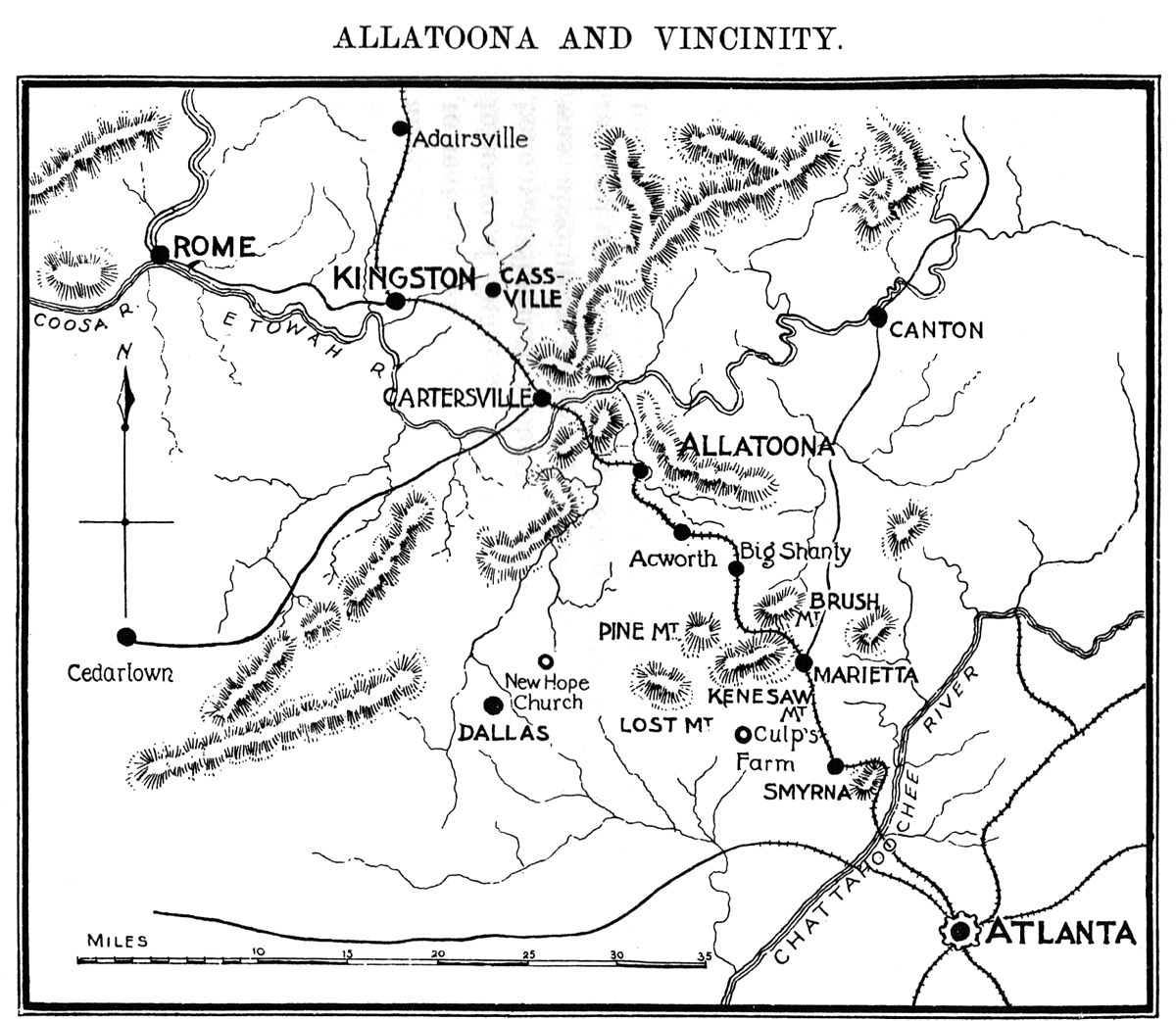
This month, we conclude our exploration into Sydney C. Kerksis’s The Atlanta Papers; a collection of Federal accounts from the Atlanta Campaign. Paper No. 25, ‘With Sherman’s Cavalry,” contains various accounts from the March to the Sea Campaign, as Colonel Smith D. Atkins recalled his service under Brigadier General Judson Kilpatrick, an officer Atkins, unlike others, held in regard. Captain John P. Rea of the 1st Ohio Cavalry provided Paper No. 26 – ‘Kilpatrick’s Raid Around Atlanta.’ Rea offers a detailed account of the mid-August 1864 fighting near Lovejoy. Another account from the Federal troopers follows, as Colonel Horace Capron, with the 14th Illinois Cavalry, penned ‘Stoneman’s Raid to the South of Atlanta,’ Paper No. 27. Stoneman’s men engaged in battle at Sunshine Church, where many of his troopers, including Stoneman himself, fell prisoner to the Confederates. Rea almost numbered among those heading for Andersonville. However, as he recalled, “…Stoneman had surrendered…the sight was mortifying…and for an instant I thought of surrender. But…my eyes… fell upon my youngest son, who had taken up arms…[and] before whom…yawned the sepulcher of Andersonville.’ Rea offers an exciting account of the escape of several hundred cavalrymen (including his son), which he eventually led in returning to their headquarters in Marietta. ‘Stoneman Raid to Macon, Georgia, in 1864,’ Paper No. 28, contains Captain Albert Capron’s account of his participation with the 14th Illinois Cavalry on this particular attempt to cut the last rail lines servicing Atlanta. ‘The Battle of Allatoona,’ Paper No. 29, from Captain Mortimer Flint, provides great insight into the October 5, 1864, fighting at Allatoona. Mortimer led the 1st Alabama Cavalry (U.S.A.) during the battle and proved his talent with the pen might have equaled his skill with the saber. In painting the scene of the pass, he wrote: “The glorious sun of Austerlitz flashed not more brightly upon Napoleon’s legions in magnificent battle array, than did its brilliants[sic] beams crown the Allatoona hills on that lovely autumn morning of October 5th, 1864.” Mortimer quotes from the various communications between Federal Brigadier General John Corse, and the Confederate commander on the field, Major General Samuel French, in constructing his account. He proceeds to weave a colorful, and detailed account of the fighting and casualties in Paper No. 29. Captain William Ludlow in the Corps of Engineers supplements Mortimer’s account with Paper No. 30, ‘The Battle of Allatoona October 5th, 1864.’ An equally gifted writer, Ludlow offers greater detail on the battle, including the signal flag correspondence with Major General William T. Sherman, who held a position atop Kennesaw Mountain on October 5, and encouraged Corse to “Hold the fort!” Elaborating on the important signal flag message to Corse, which eventually led songwriter Philip Bliss to compose a famous hymn with the same name, Captain John Q. Adams, who served as a signal office at Allatoona during the battle, contributed Paper No. 31 entitled ‘Hold the Fort!’ Adjutant W.C. Johnson with the 89th Ohio Volunteer Infantry authored Paper No. 32, which covers ‘The March to the Sea.’ This Paper contains Johnson’s diary during the advance on Savannah. Sydney C. Kerksis, the editor of
The Atlanta Papers, wrote the final entry, Paper No. 33 – ‘Action at Gilgal Church, Georgia: June 15-16, 1864.’ For those interested in a thorough description of the Battle of Gilgal Church, Kerksis does not disappoint! His account, complete with an annotated Federal casualty listing, remains the best source on this engagement. Citing letters and diaries from various Federal soldiers, Kerksis creates a detailed description of the fighting near the church. Drawing from reports in the Official Records, he supplemented the narrative with a hand-drawn map of the battlefield, land, which Kerksis owned a sizable portion of when he wrote this account. Remember to check WorldCat http://www.worldcat.org for help in finding this source in a local library; search The Atlanta Papers + Kerksis. Researchers may also have luck in securing a copy of this 1980 Morningside Press publication from an online bookseller. Next month, we will explore another primary source. Until then, continued good luck in researching the Civil War! Michael K. Shaffer is a Civil War historian, author, lecturer, instructor, and a member of the Society of Civil War Historians, the Historians of the Civil War Western Theater, the Georgia Association of Historians, and the Georgia Writers Association. Readers may contact him at mkscdr11@ gmail.com, or to request speaking engagements, via his website www.civilwarhistorian.net. Follow Michael on Facebook www.facebook.com/michael.k.shaffer and Twitter @michaelkshaffer.