
Central Virginia Battlefields Trust
Originally published March 2019 · p. 9
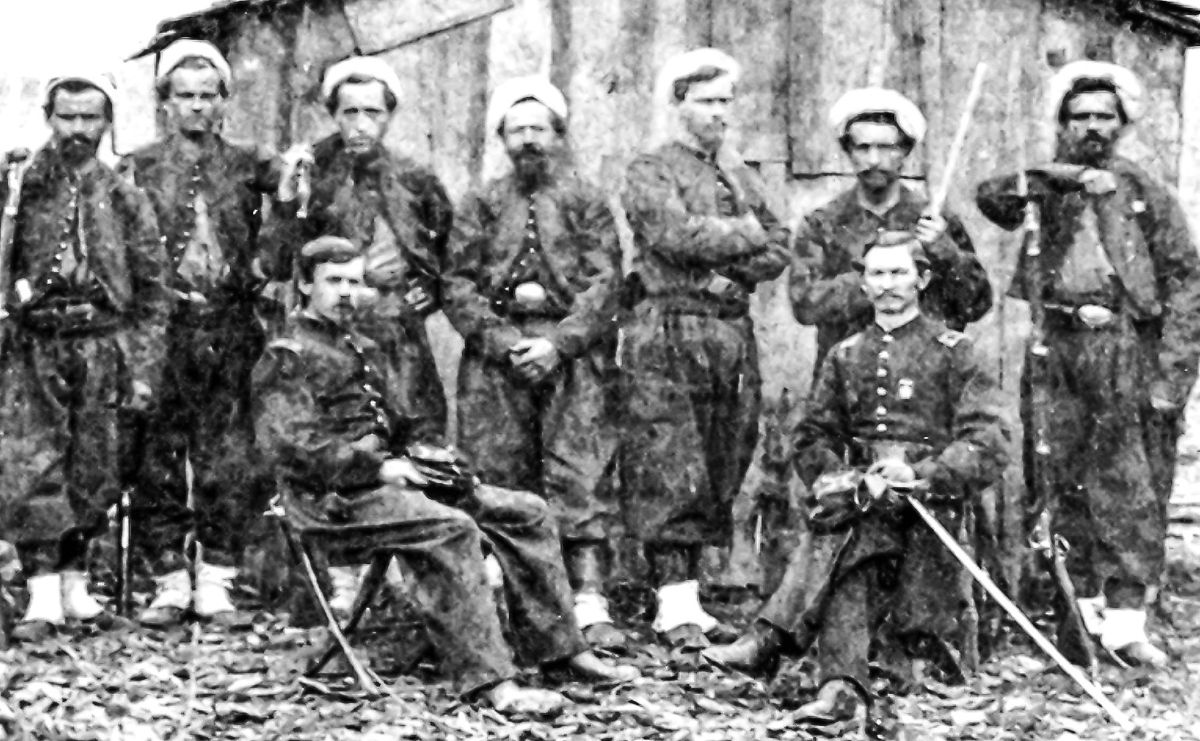
WASHINGTON, D.C.—“We are trying to save land in Virginia where boys from Rochester fought, and in some cases were captured, wounded, or killed,” said Tom Van Winkle, president of the land preservation and conservation group The Central Virginia Battlefields Trust (CVBT). Rochester’s own 140th New York Infantry fought on battlefield property the CVBT is now saving. “Although CVBT is based in Spotsylvania County, Va., we have a national following, and we want it to grow. We are in a race against time to save historic greenspace in this county where people from Rochester fought for the preservation of the Union and we are asking for your help,” said Chris Mackowski, professor at St. Bonaventure University and CVBT board member. Since 1996 the CVBT has saved over 1,300 acres of “battlefield greenspace” from America’s bloodiest conflict, in the country’s bloodiest county—Spotsylvania, where over 750,000 soldiers fought and 110,000 fell in four battles in a mere 18 months. “Major newsgroups were publishing reports from ‘The Front’ regularly in Spotsylvania. Many Americans would know very well the names of the county’s battlefields, Fredericksburg, Chancellorsville, ‘The Wilderness,’ and Spotsylvania Court House, in addition to the local names of the roads, rivers, and farms, that were fought over,” said CVBT board member
Pete Kolakowski. The four battlefields are ranked in the top ten deadliest battles of the Civil War. The race with time to save this battlefield land has accelerated since Spotsylvania County, being just 60 miles from Washington, D.C., has been one of the fastest growing areas in the United States. In Spotsylvania, the roads are being choked with rising traffic congestion. Those same roads were also where massive armies marched and bled over in the 1860’s, posing a quandary for preservation and conservation groups. Compare the rapid growth of Spotsylvania County with the hard reality that the underfunded National Park Service (NPS) owns just 1,500 acres of the 21,000-acre Spotsylvania Court House battlefield, or only 14%. Ironically, Spotsylvania Court House was the third bloodiest battle of the Civil War, lasting 13-days. The target property the CVBT is now saving is part of the long-neglected fighting in an area known as Myer’s Hill, where Rochester’s 140th Infantry fought. The fighting at Spotsylvania Court House was also the costliest battle of Union General Grant’s famed and aggressive “Overland Campaign.” Grant’s Federal army suffered 50,000 casualties in the 50 days it slugged through Virginia in 1864; it was a presidential election year, and Abraham Lincoln needed military victories to be re-elected. In 1864 the warfare took on a more modern, and more desperate, feel. By the time Rochester’s 140th New York attacked Myer’s Hill they had been in action for 9 straight days and lost 315 of 529 soldiers. They were a hard-fighting, “zouave” unit, wearing fez caps and turbans, short jackets, baggy pantaloons and leggings, a popular style at the time. At 8 a.m. on May 14, the 140th New York Zouaves and another regiment, attacked Rebel artillery and cavalry on Myer’s Hill. “Forward we go with bayonets,” said 140th Private August Seiser, “Under a rain of bullets.” Company B’s John Wetzel was hit in the left thigh, and George Dreschler in the hip. Tim Farrell of Brockport’s Company A took a Rebel bullet in the left foot. John Snyder of Churchville’s Company G was hit by a minieball in the finger. The 140th took Myer’s Hill from the Confederates. Private Seiser rushed into the Myer House stating, “We reach the top, rush into the building. The rebels take to their heels and quickly we are the possessors.” The 140th set up a defensive position in Myer’s orchard. They were relieved by a 900-man Federal brigade that was later routed by a Confederate counter-attack. In this vicious Rebel assault General Meade was almost captured while directing a Federal picket line. After a fierce Federal artillery barrage, Meade ordered the 140th New York, and over ten thousand other Union troops, to attack and retake Myer’s Hill. A Union soldier said, “The rebs were lying on the other side to avoid our shells which were hissing and exploding around the crest …” Then the Federals attacked. “When all was ready the bugle sounded the charge and we broke from cover like quarter-horses and with a volley of cheers mounted the hill… when they heard our cheers supposed a mighty force was coming and so they ran like the Devil.” Historians have wanted Myer’s Hill preserved for a while. Chief Historian Emeritus of the National Park Service, Ed Bearss, said, “At Myer’s Hill Grant is checked, but he goes back and takes it. The fighting for the hill resulted in a crucial two-day delay for his army.” Noted Civil War, and Spotsylvania, author Gordon Rhea, said, “It is imperative that Myer’s Hill be saved to enable future generations to walk the ground and understand the momentous events that transpired there.” Local resident and Spotsylvania Court House historian, John Cummings added, “I’ve been hoping for nearly twenty years to see this vital property preserved. The human interest stories relating to Myer’s Hill abound, and its preservation and interpretation will greatly enhance the understanding of the two week struggle at Spotsylvania Court House.” CVBT pays fair market value for historic land. They work with landowners who want to see their property saved for future generations to appreciate and learn about America’s vast history. Private Seiser wrote after the Myer’s Hill battle, “Deadly tired we throw ourselves onto the wet ground … How is it possible to endure such strain and how long will it still last in this way?” “We want to remember
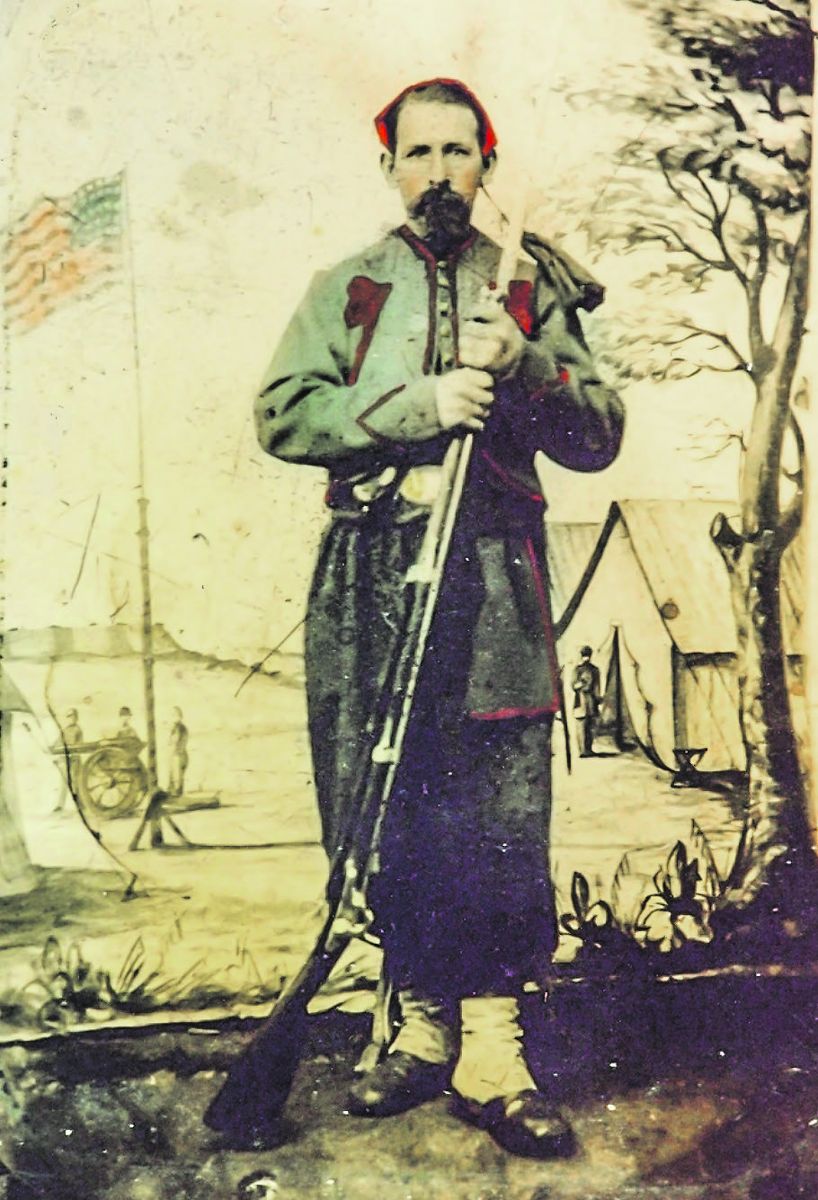
Rochester’s soldiers, and others, who fought at Myer’s Hill. By protecting this land it helps tell their story. CVBT is also saving greenspace along the way, and, simply put, we need your help to accomplish this,” said CVBT Executive Director, Elizabeth Heffernan. She added, “CVBT’s administrative costs are low at 14%; one of our mottos has been ‘Your green buys green.’” To join, or to donate to, CVBT visit their website: www.cvbt.org/membership. For more information contact: Robert Hodge [email protected]