This And That
The Valley Project: Delving into the Online Archive
By Gould Hagler · Originally published January 2019 · pp. 28–30
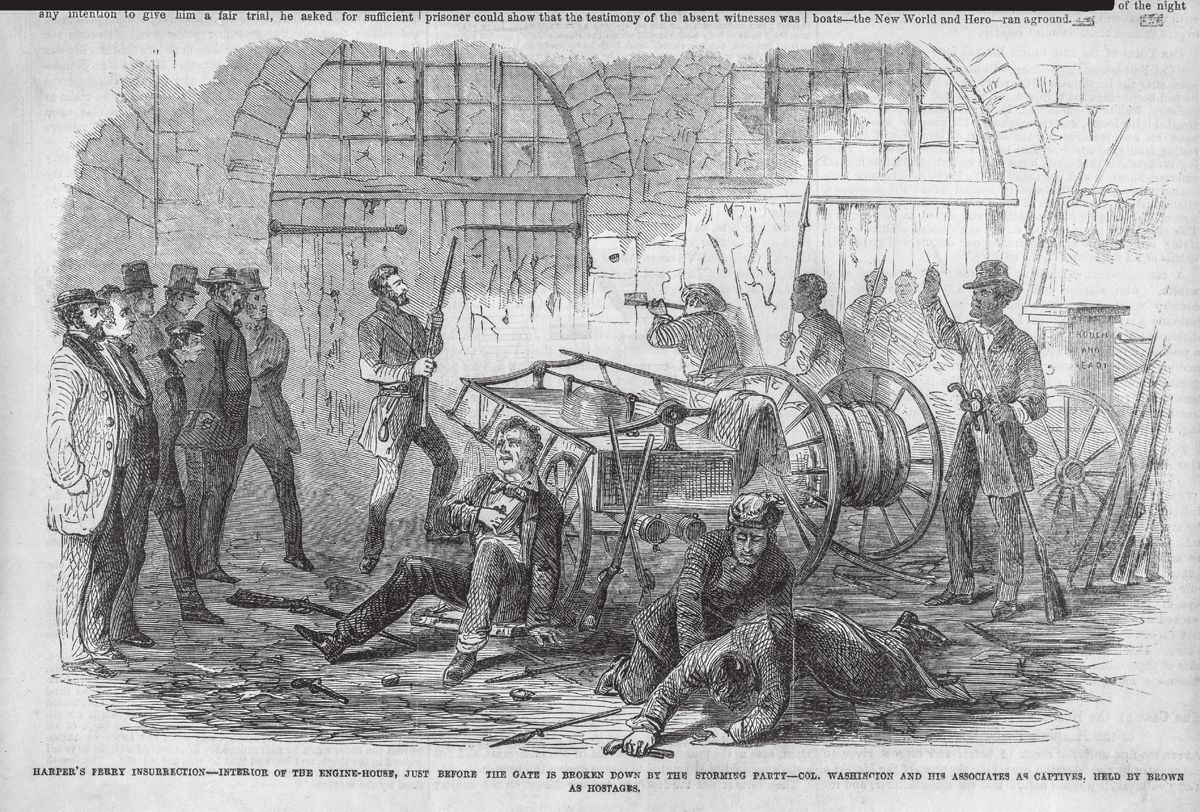
The Valley Project: Delving into the Online Archive In December 2017, Ed Ayers spoke to the Atlanta Civil War Round Table on the subject of “War and Reconstruction.” He discussed, inter alia, the Valley of the Shadow Project (http:// valley.lib.virginia.edu), a digital archive that houses a remarkably rich store of Civil War-era documents from Augusta County, Va., and Franklin County, Penn.* Both communities lie in the Great Appalachian Valley and both featured prominently in the war which (in the view of the denizens of Augusta County) placed, for a time, an international border between the two communities. Newspapers. Census and tax records. Diaries. Letters. Courthouse records. Statistics. Soldiers’ records. Veterans’ records. Maps. Images. All there, all accessible online, and all free. I dove in. I selected two events from immediately before the war, John Brown’s Raid in October 1859 and the election of Abraham Lincoln thirteen months later, and perused the newspapers published just after the events occurred. As Yogi Berra said, you can observe a lot by watching. I watched the newspapers and this is what I observed. First, the raid on Harper’s Ferry.
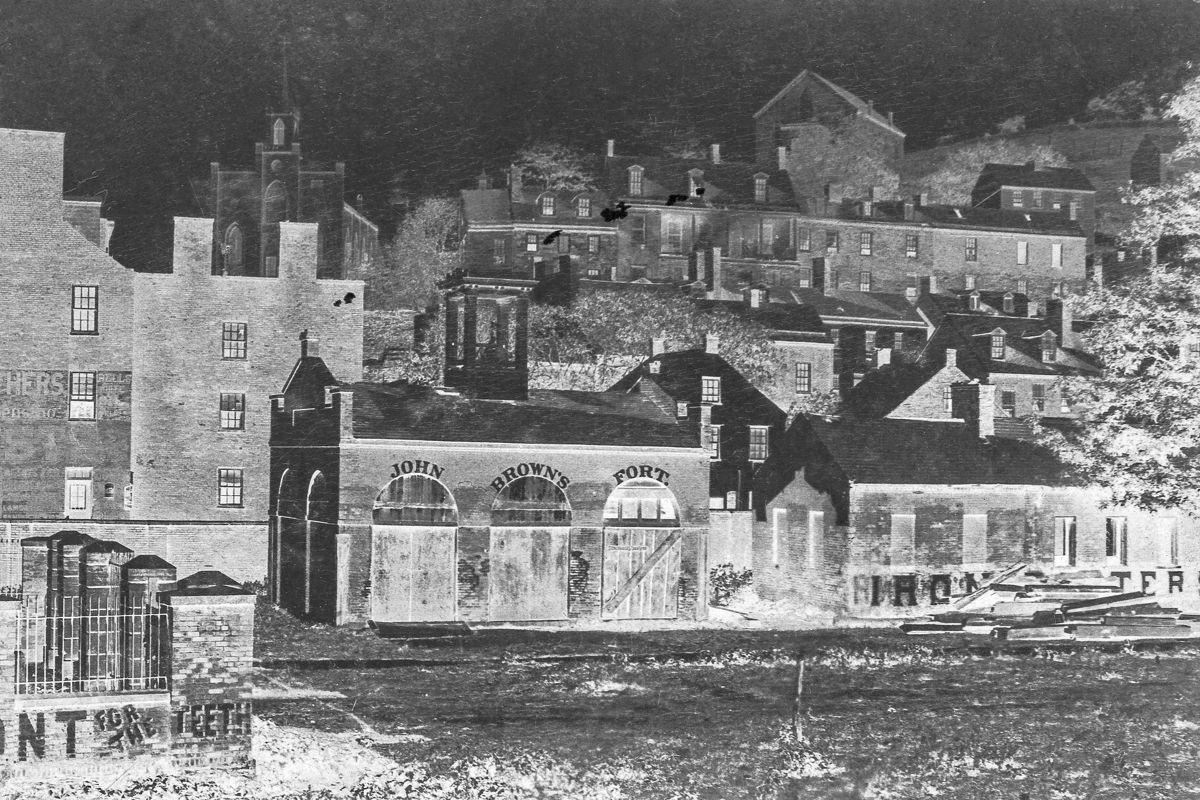
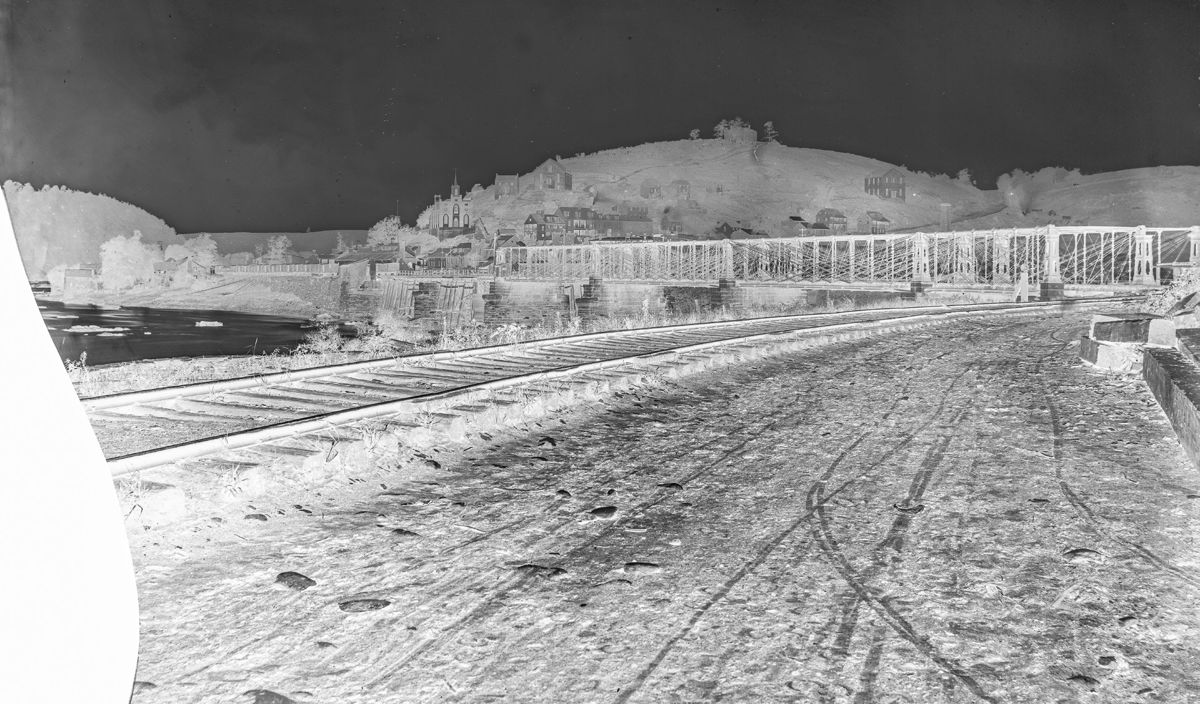
“Qui facit per alium, facit per se,” reads the headline in the Staunton Vindicator on Oct. 21, 1859. A person who acts through another person does the deed himself. John Brown was “a humble instrument of the great, who, after the dirty work is done, never fail to thrust aside the poor devils; and so shield themselves from blame.” Like many others in the South, Staunton’s editors blame anti-slavery politicians for the insurrection. William Seward and Joshua Giddings earn specific mention. Along with the opinion come rapid fire reports taken from various sources telling the readers who, what, when, where, and why, from the first report by the railroad’s mail agent and early speculation about the raiders’ motives, to the storming of the “fort” by the marines, and an account of the wounded John Brown speaking freely about his aims. On Oct. 28 there is follow up. It is reported that papers found on Brown prove the “existence of a widespread conspiracy at the North for the forcible suppression of Southern slavery.” The paper expresses the hope that Virginia’s governor would seek extradition
John Brown (abt. 1846–1847) by Augustus Washington. of the conspirators and “demand them of the states in which they reside.” “Qui facit per alium, facit per se.” Further north in the Great Valley, on Oct. 26, the Franklin Repository in Chambersburg reports on the raid. This edition gives little space to the factual details of the event, but does offer a firm opinion on where to lay the blame, in an editorial relayed
(Library of Congress)
(Library of Congress)
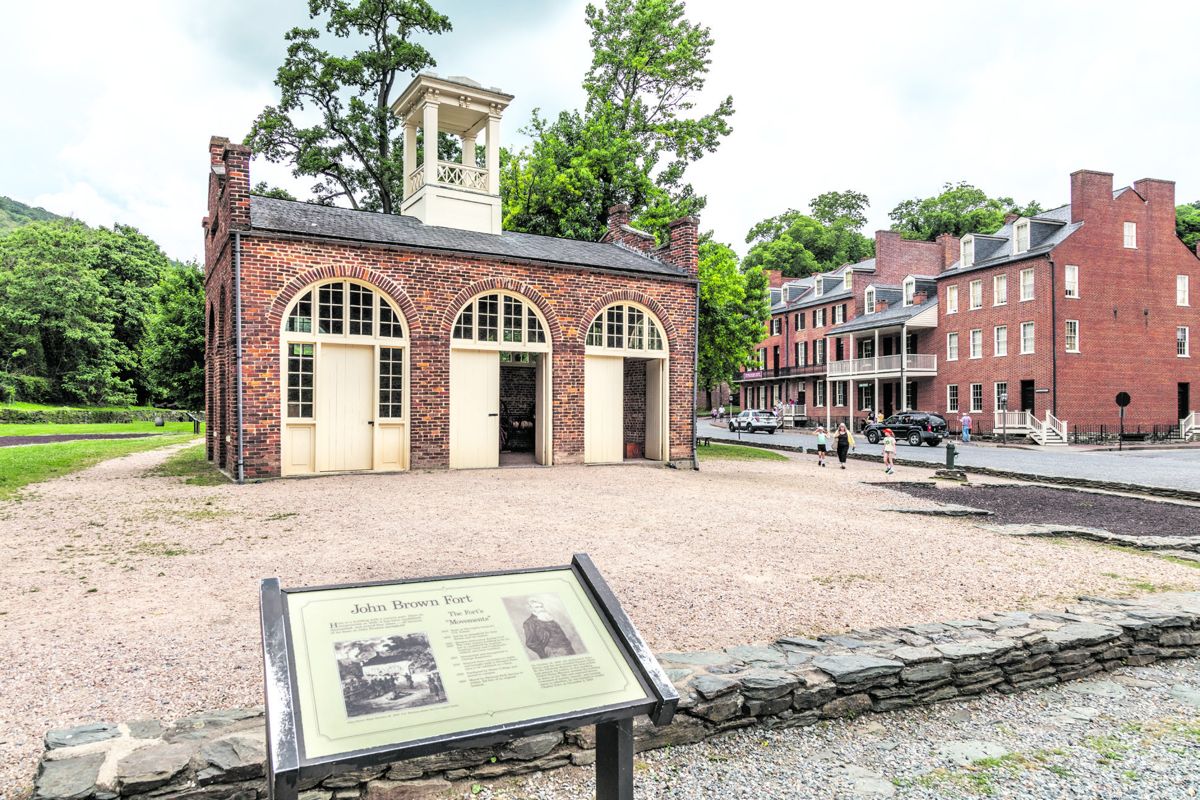
Tablet on “John Brown’s Fort.”
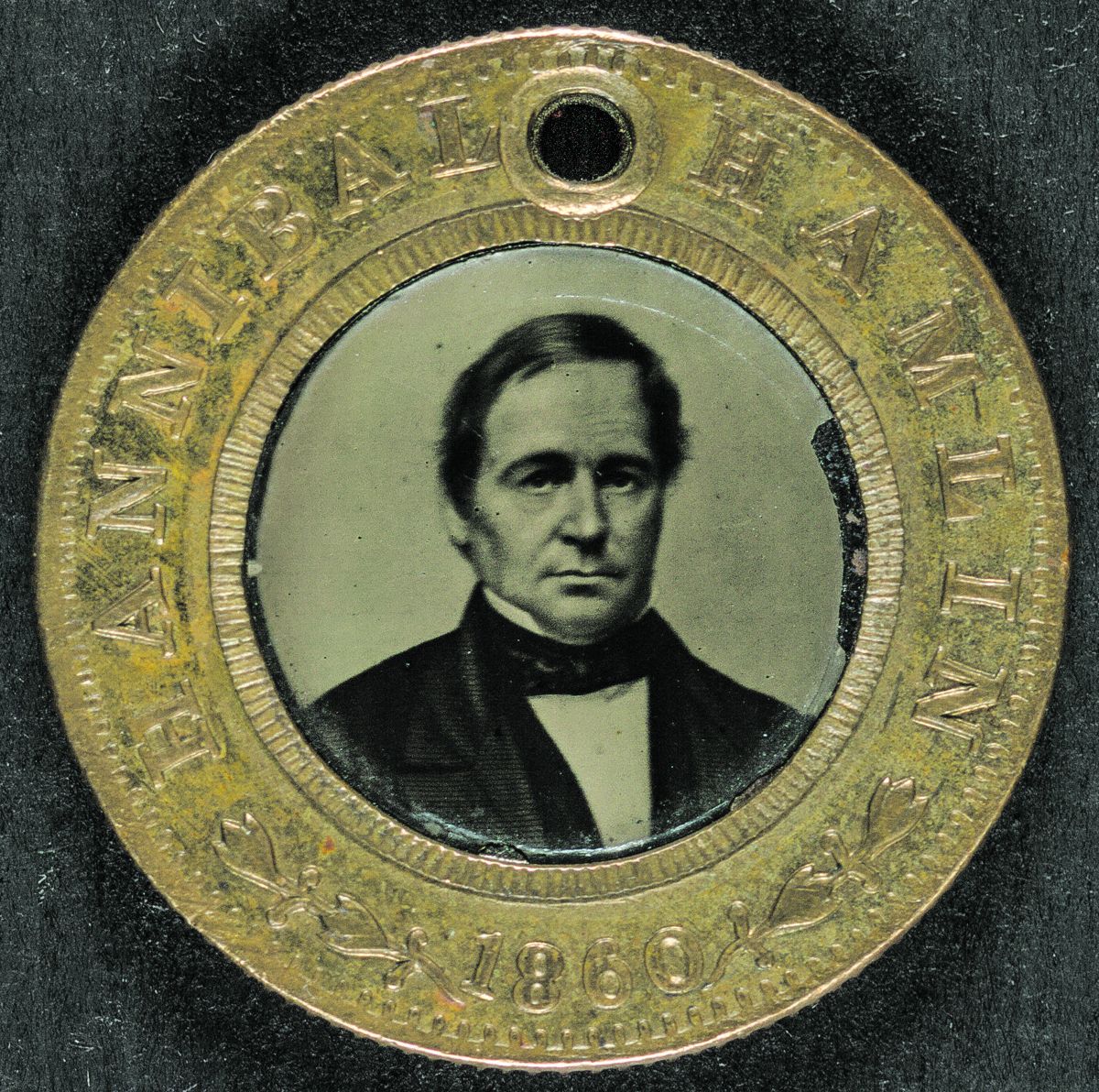
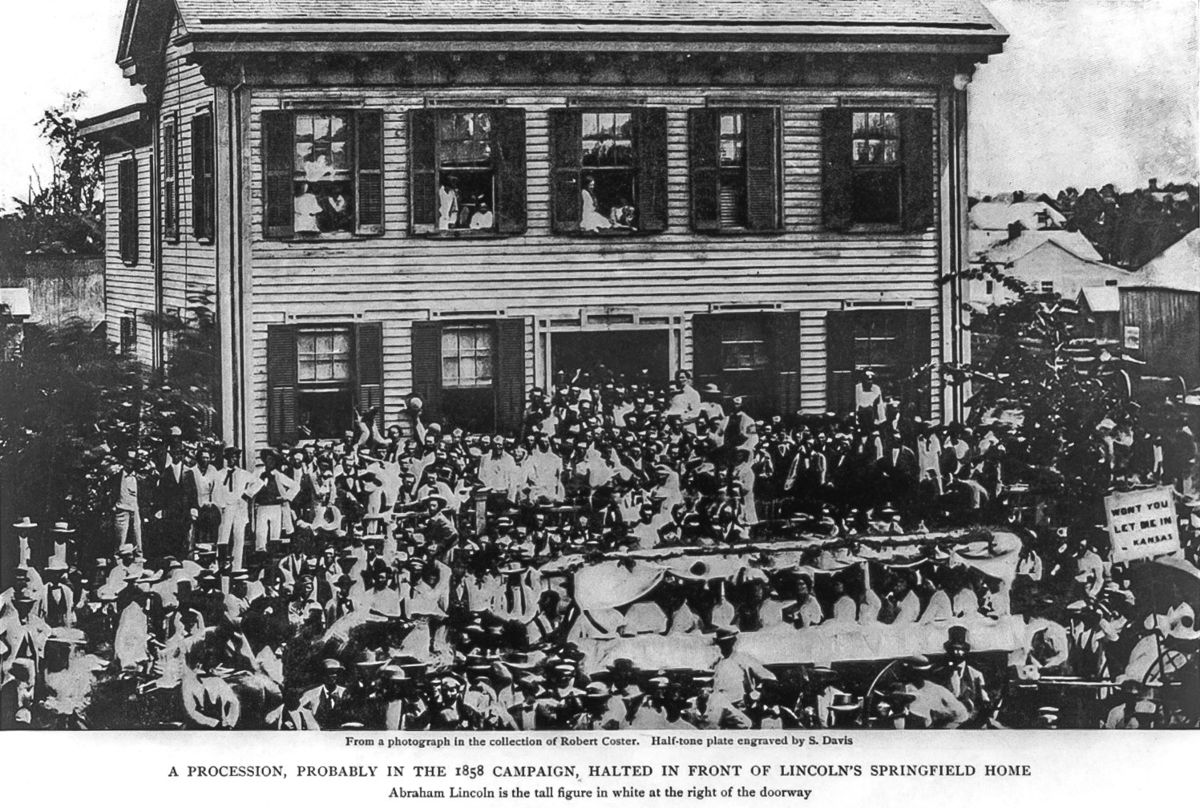
from a New York paper. If we were to look beyond the immediate actors in that affair, says the New York Tribune, we should say those were responsible who first set on foot and afterward encouraged and sustained the Border-Ruffian Pro-Slavery war against the Free-Labor settlers of Kansas. John Brown, then a peaceful and quiet citizen, went to Kansas with no intention to do anything against Slavery, except so far as his vote and influence might go to keep it out of that Territory by purely peaceable and legal means. He settled himself at Osawatomie, built a steam saw-mill there, gathered quite a settlement about him, and devoted himself with energy to the business in which he was engaged. The lawlessness and violence of the pro-slavery forces left Brown no choice but to resist with arms. Kansas bled as a cycle of violence spun out of control. Brown was not blameless, the Tribune and the Repository say, as Even after this partisan war was appeased in some parts of the Territory, it was kept up in Southern Kansas, and Brown had an active part in it. He began on the principle of defense – he now acted on that of revenge…. If anybody is to be held responsible for Brown’s conduct, we must say it must be those who made him what he is. The Franklin Repository is also quite clear about who was not to blame. An editorial in this same edition defends the community of Chambersburg against the calumnious charges made by some in the South that townspeople aided the plotters. To suppose they would, in the most remote degree, countenance or favor, or “aid and abet” such a ruthless and murderous plot, or any thing even slightly approximating to it, with a view to the wiping out of their “peculiar institution,” is ungenerous – nay, it is cowardly. Had our people had the least inkling of the designs of these deluded men, they would have nipped the plot in the bud. Well, the plot was not nipped. The raid exacerbated tensions and helped propel the division of the Nation. We now move forward one year and see the newspapers’ various perspectives on the 1860 presidential election. The Staunton Spectator expresses profound regret over the election of Lincoln. “We are mortified at the success of the Black Republicans,” declares an editorial in the Nov. 12, 1860, edition. However, the paper counsels against secession. Democrats still controlled both houses of Congress and the Supreme Court and could halt anything the hated Lincoln would propose. “The danger is in secession,” the editors warn. “If several of the Southern States secede, they will leave us with a minority in Congress, where we now have a safe majority.” The Spectator is nearly as hard on the Southern fire-breathers as it is on the Republicans. Reducing the Democratic majority in Congress to a minority may be the reason why some of the Southern States are in such a hurry to secede. They think that if they secede and leave us at the mercy of a Black Republican majority in Congress, that we will secede likewise. This is the way in which they expect to drag us into a like destiny with them. The Valley Spirit in Chambersburg was a Democratic paper. The October 24 edition urged the electorate to vote for “Union, and not a sectional president.” The editors warned against voting for the election of “an Abolitionist President – the greatest curse that could befall the Nation.” In spite of the paper’s efforts, Pennsylvania and Franklin County went for Lincoln. Still, the Spirit is hopeful, advising its readers after the election that “While we fear the worst results to the nation from the election of LINCOLN we still trust that the threatened calamity may be averted.” Hopeful, but just barely. While the Staunton editors are mortified, and the Chambersburg Democrats disappointed, the Chambersburg Republicans celebrate and explain that there is little reason to fear that the election would split the nation. Lincoln is not an abolitionist, the editors at the Franklin Repository and Transcript calmly point out on Nov. 7. The Republicans will not permit the spread of slavery to the territories, but where the institution exists, it is protected by the Constitution. The Nov. 14 edition tells us that an increase in the protective tariff will save jobs and help the “poor man, desirous of employment” and “foster every branch of American industry against ruinous foreign competition.” And the South will calm down. “After Abraham Lincoln has taken hold of the Ship of State… for a year or two, by that time the fear of our affrighted Southern brethren will have become allayed – their shattered nerves will have become settled and calm.” Well, Yogi said some other things too, like “Predictions are hard to make, especially about the future.” The reader is invited to check out the Nov. 1862 editions of the Vindicator, the Spectator, the Spirit, and the Repository to learn how “settled and calm” things were two years after Lincoln’s election—and 21 months into the administration of Jefferson Davis.
Next time we will look at some 1864 newspapers, and see what they had to say about the war at that stage. We will also test the Valley Project’s search feature and examine some diaries and letters. *Ayers has written two books that draw on this resource, In the Presence of Mine Enemies (2003) and The Thin Light of Freedom (2017). The latter was reviewed in the April 2018 issue of Civil War News. Gould Hagler is a retired lobbyist living in Dunwoody, Ga. He is a past president of the Atlanta Civil War Round Table and the author Georgia’s Confederate Monuments: In Honor of a Fallen Nation, published by Mercer University Press in 2014. Hagler speaks frequently on this topic and others related to different aspects of the Civil War and has been a regular contributor to CWN since 2016. He can be reached at [email protected].