Preservation of Major Phillip Preston Johnston’s Uniform
By Jessica Hack · Originally published February 2019 · pp. 24–25
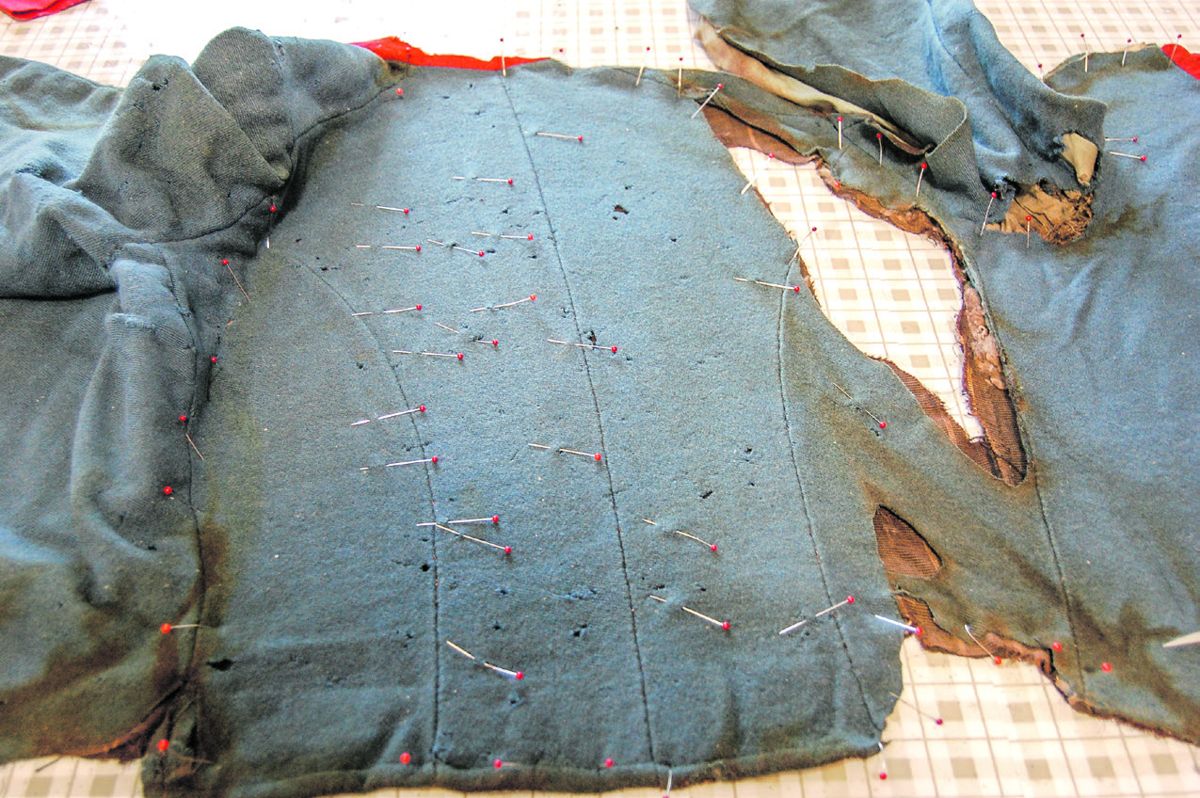
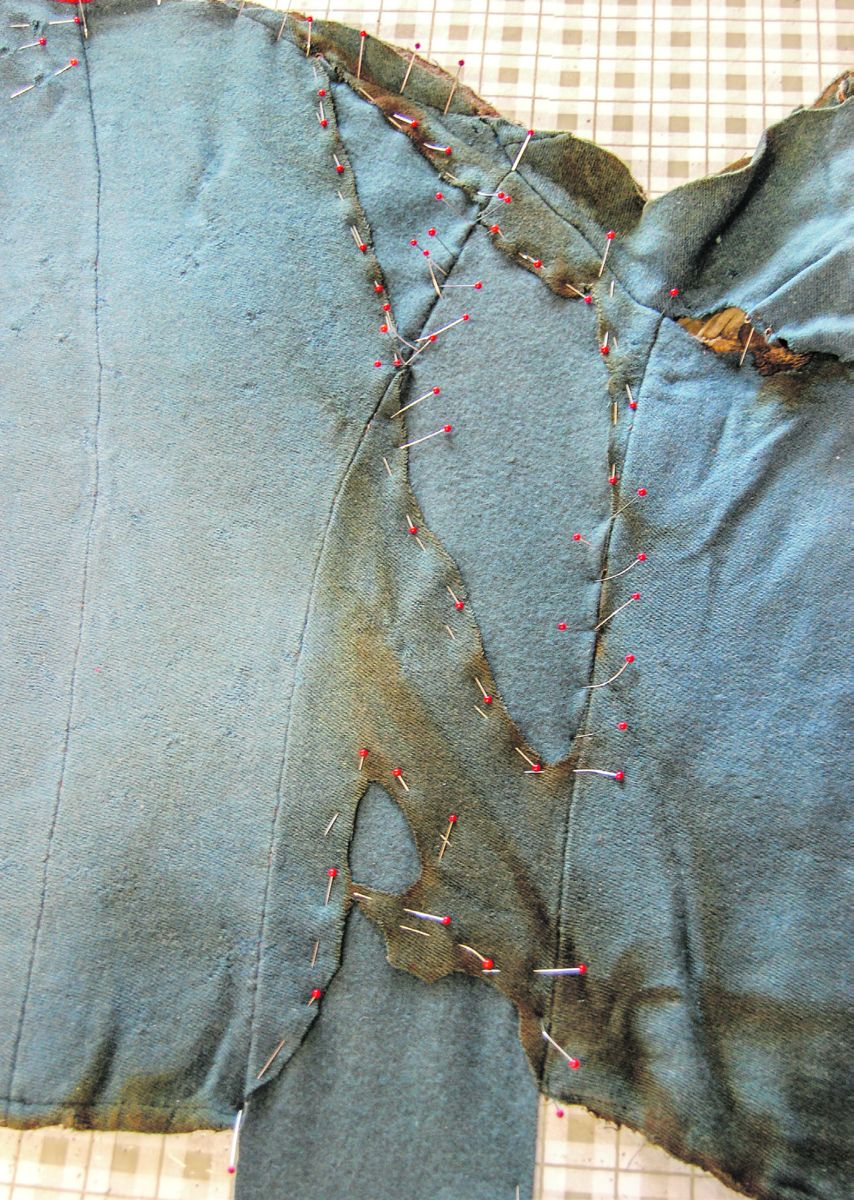
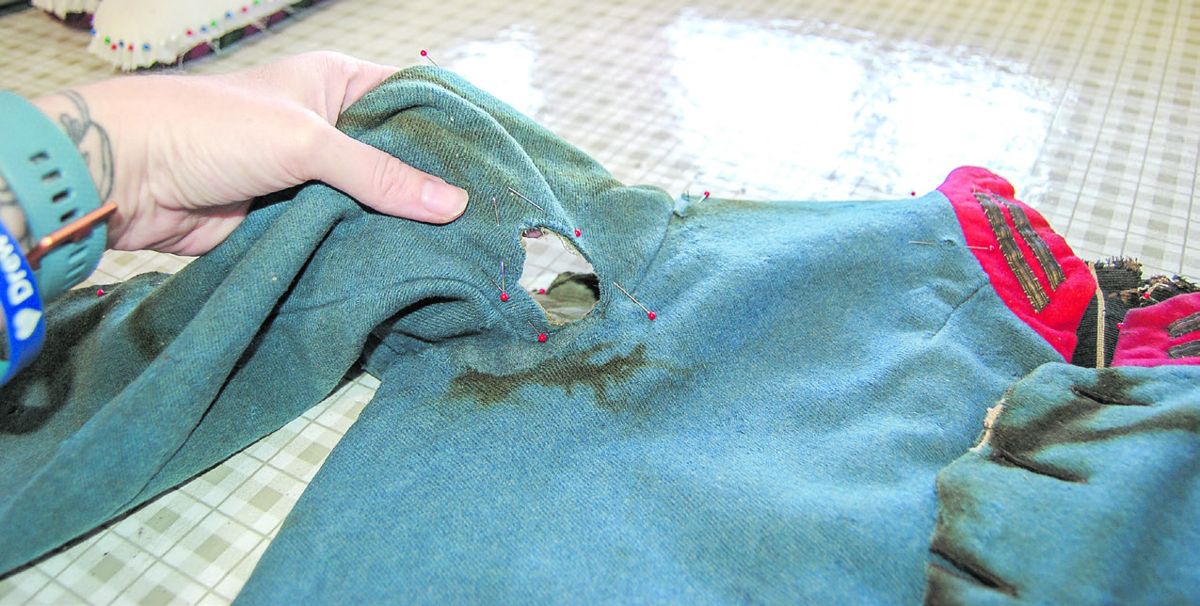
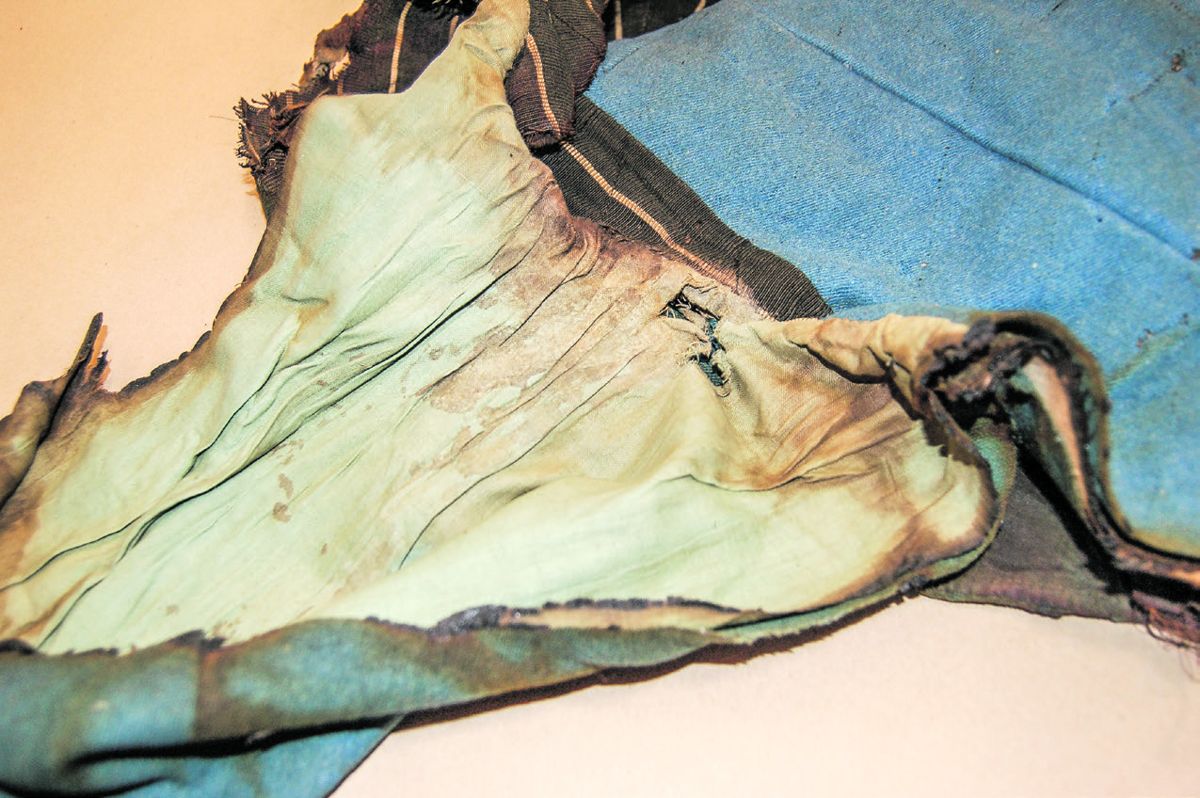
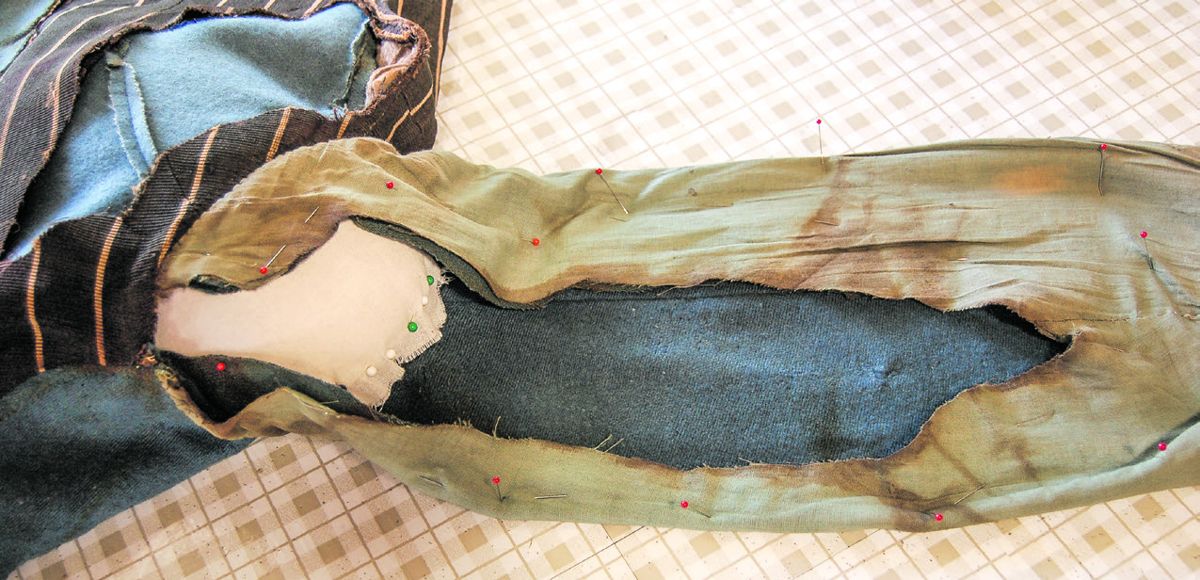
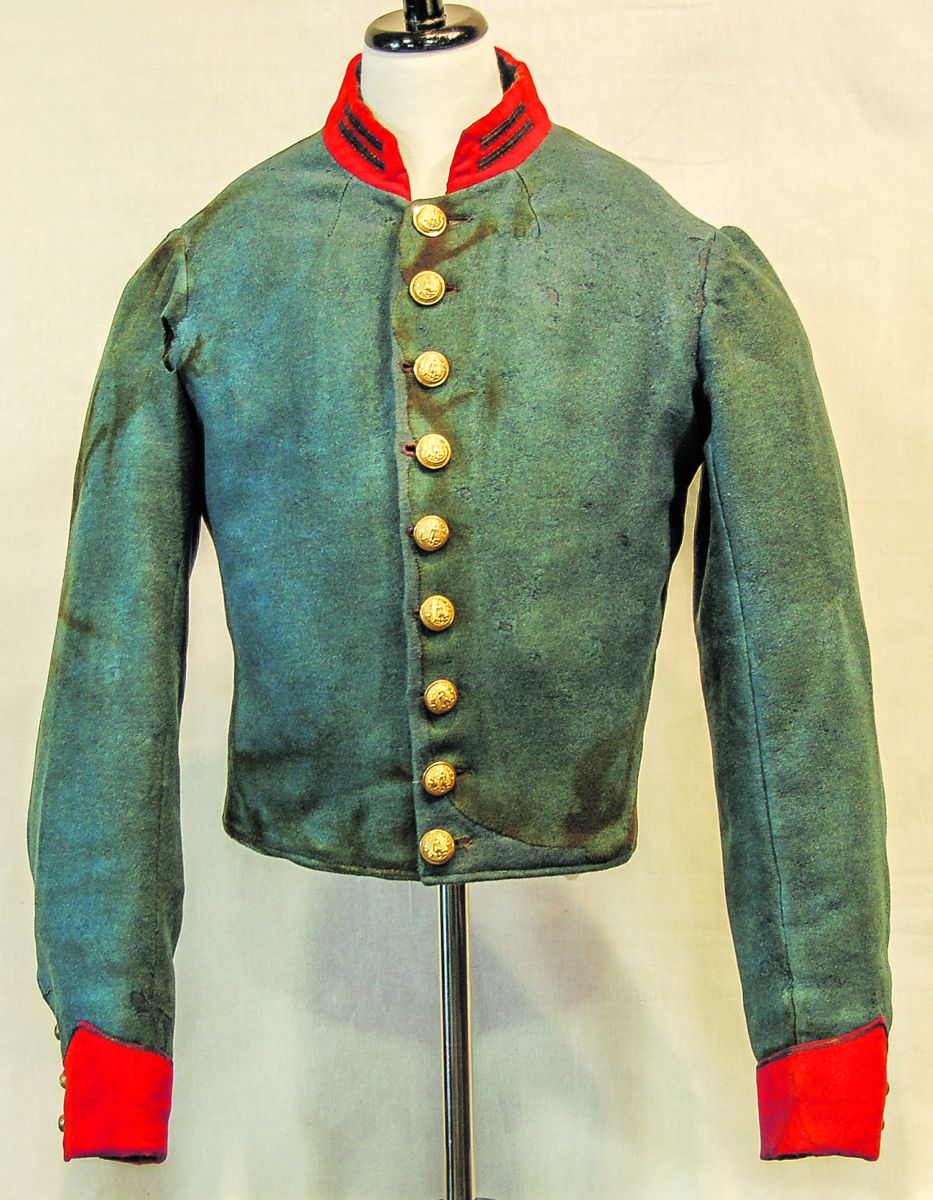
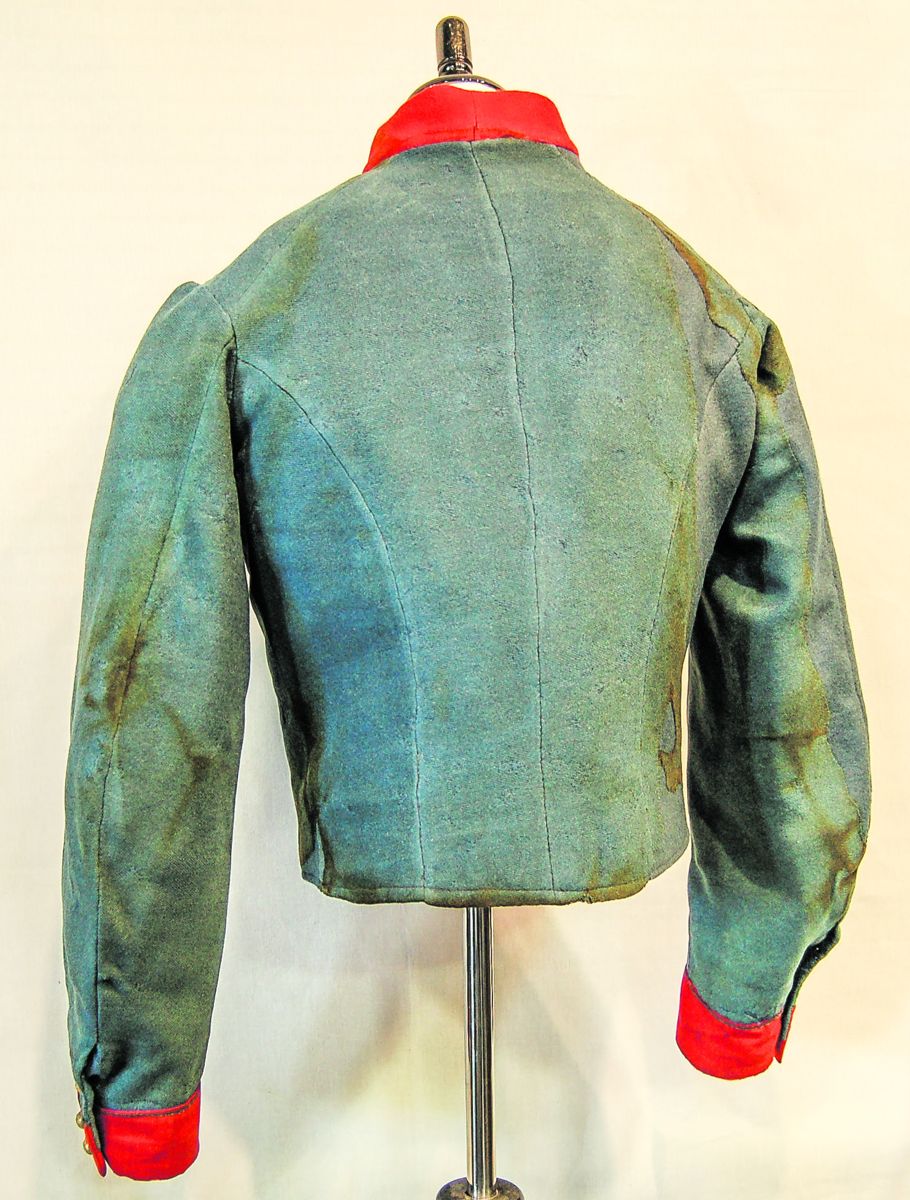
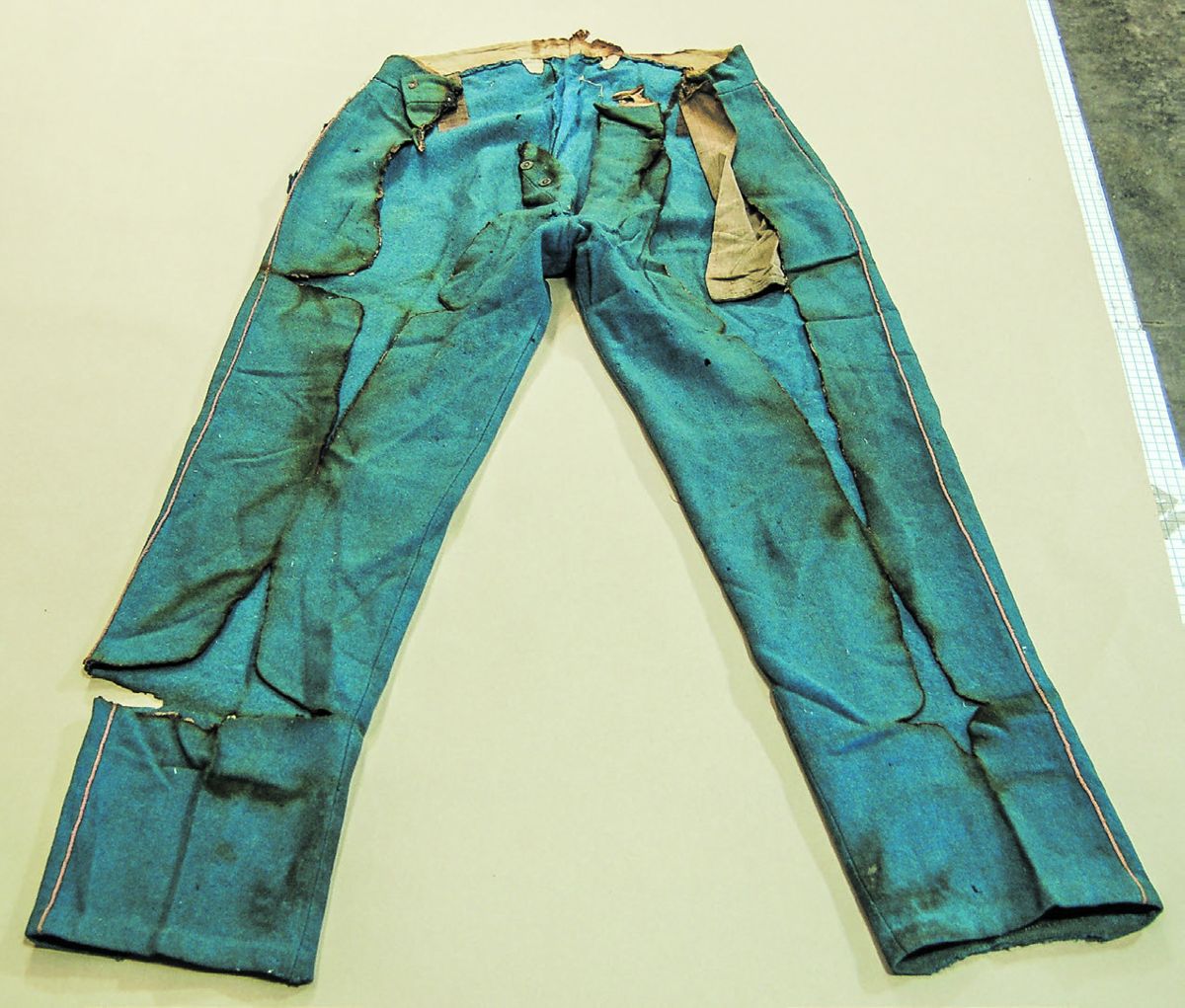
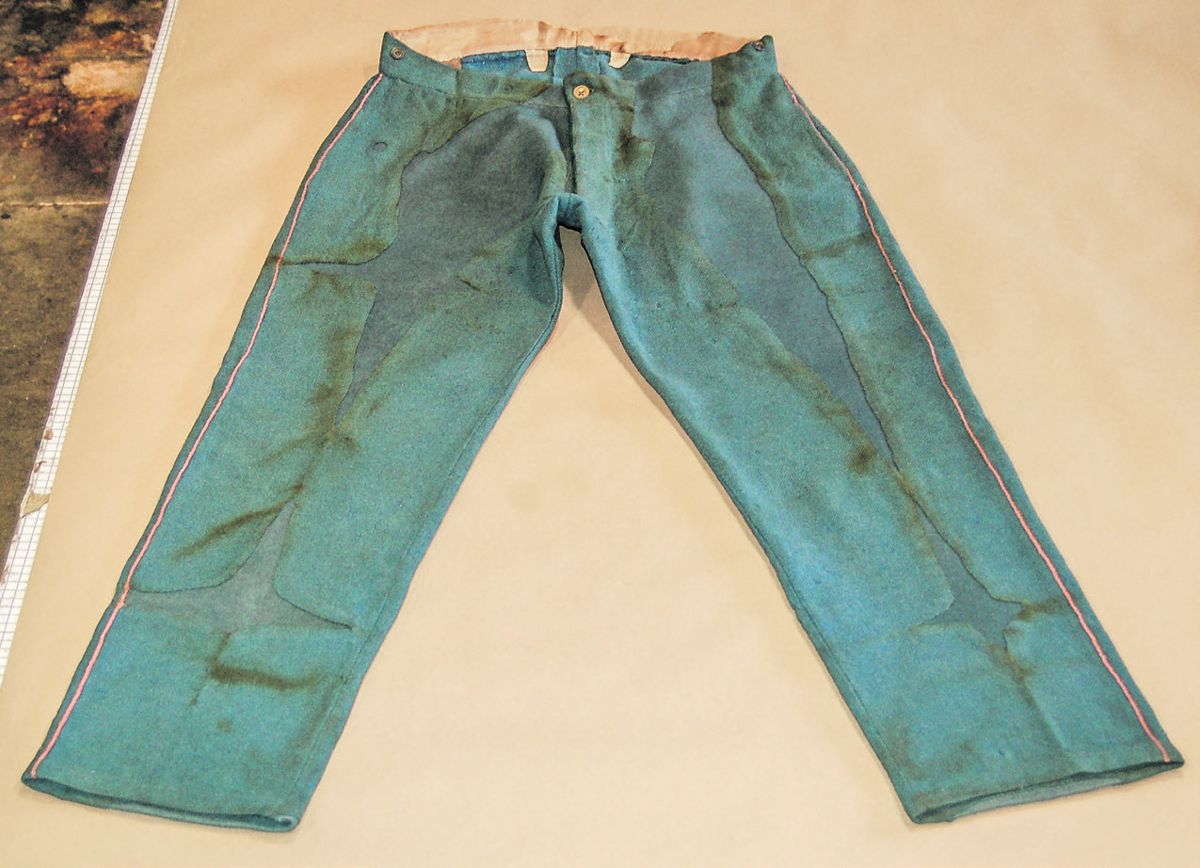
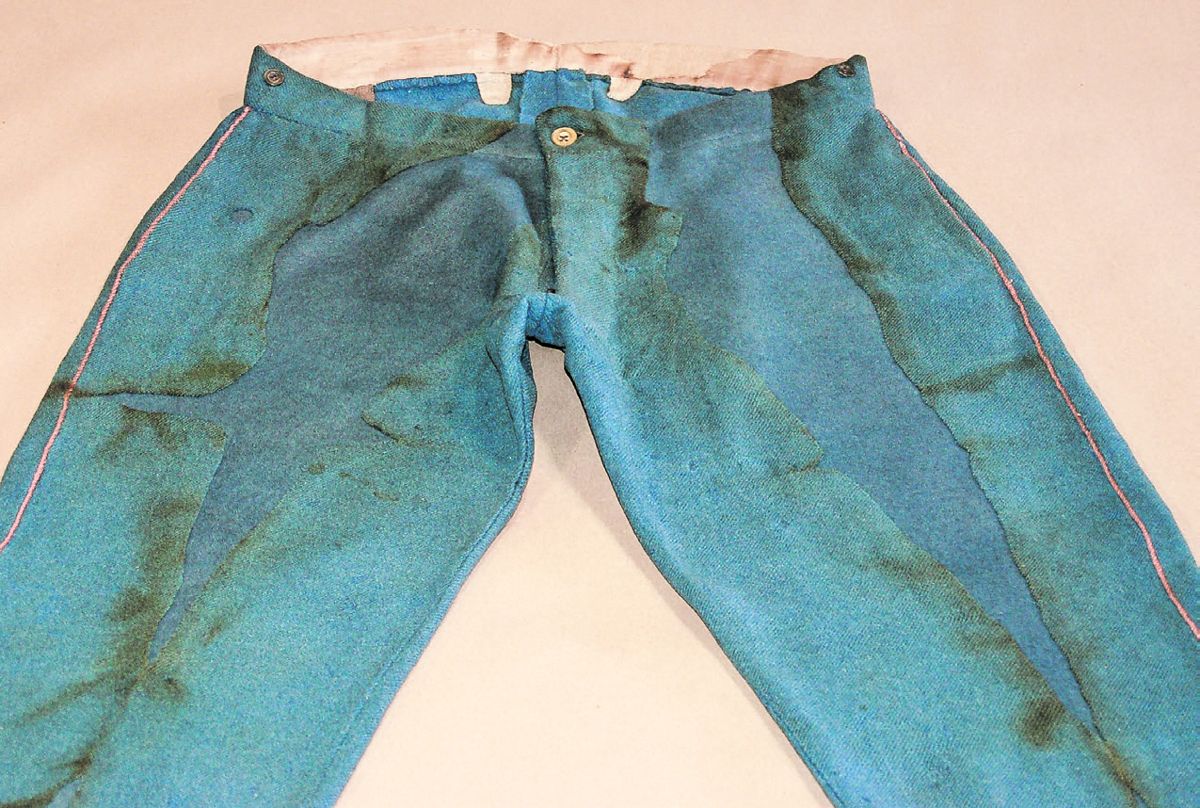
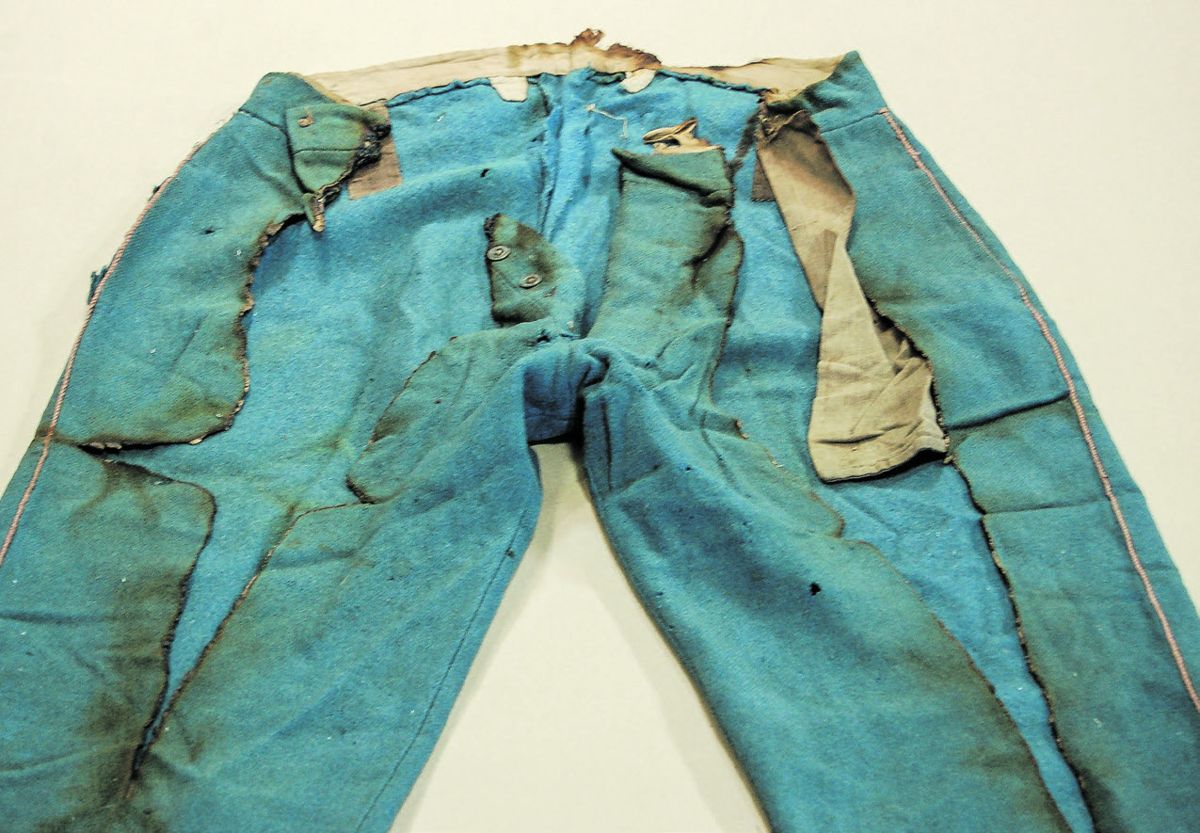
Preservation of Major Phillip Preston Johnston’s Uniform By Jessica Hack Major Phillip Preston Johnston (1840–1925) was a Confederate Army veteran who served in the command of Gen. J.E.B. Stuart. He joined the First Stuart Horse Artillery Battalion in 1862 as a second lieutenant, where he served with the legendary John Pelham. After interim promotions to first lieutenant and captain, Johnston was promoted to major in Feb. 1865. He was wounded twice, once in the shoulder at Spotsylvania, and again at Buckland Farm where he took shrapnel to his hip. Last year the current owner of Major Johnston’s uniform contacted us, requesting that we restore the uniform, which included a shell jacket and trousers. The uniform was received in poor overall condition. It had significant areas of burn damage, as well as moth and age damage throughout. Large original pieces of wool material were burned away. The trousers had major loss to the front panels of the legs. The waistband was missing large sections of the original wool as well. The coat had several areas burned out along the right back panel. A large portion of the right sleeve (as worn) was missing. There was a bullet hole in the right sleeve, close to the armpit, a relic remaining from Johnston’s injury at Spotsylvania. The lining around the bullet hole is stained with blood. The back center section of the collar was missing. A section of the left breast panel of the coat (as worn) was burned away along the closure edge by the buttonholes. The coat was missing all its original buttons. The coat and trousers are made of a heavy blue/gray wool twill material. The coat features a red wool standup collar with metallic rank bars and red cuffs. The back of the coat is made of four panels of fabric, hand sewn together in a cylindrical shape, to form the back of the coat. The lining is a brown and cream wool pin striped textured material. The inside panels of the coat are padded with wool flannel. Our immediate attention went to cleaning the filthy and charred materials, and replacing large areas of missing fabric in both the coat and trousers. It was also the wish of our client that we stabilize damage to the body and the right arm of the coat around the hole made by the bullet, while retaining the holes the bullet made in both the coat and coat lining. By now, our regular readers have learned that many general procedures we use in our conservation treatment and restoration work are essentially the same from project to project. The unique element in each project lies in the diversity of the damage and the condition in which these artifacts are brought to the studio for treatment. As always, we began with hand vacuum cleaning the uniform with a low suction HEPA filtered cleaner. The uniform was then hand washed in a solution of sodium lauryl sulfate, a neutral pH surfactant, and water. After cleaning, the singed perimeters of the burned areas were trimmed and cleaned up. New wool twill material was hand dyed to blend with the original color of the uniform. Small holes were darned closed with cotton thread. Patches of the dyed wool were positioned, and pinned under the holes throughout. The larger missing areas throughout the uniform were fitted with panels of new wool. The holes and larger insets were then hand stitched to the new support wool with 2 ply crepeline silk thread. The front closure area of the left breast panel of the coat was rebuilt, and the missing buttonholes re-stitched by hand with cotton thread. Original Maryland and Virginia Confederate dome buttons were acquired for the front of the coat and the cuffs. Flat metal buttons were acquired for the trousers. All were hand sewn to the uniform with brown linen thread. One additional challenge with the project lay in the fact that the owner wishes to continue to share the uniform on exhibit, traveling with it to a variety of locations, several times a year. To this end, we procured a lightweight table top torso mannequin form, and dressed the coat on the form, so it will be easy to transport and set up. If any of the readers have any information on Johnston; photos, letters, diary, equipment, the owner would love to know about it. Please contact me through CWN, and I will forward the information. Jessica Hack founded her company, Jessica Hack Textile Restoration in 1979. A 1972 graduate of Newcomb College of Tulane University in New Orleans, with post graduate studies in dye chemistry (Louisiana State University) and Textile Conservation (University of London; London, England), Ms. Hack was awarded Professional Associate status with AIC (The American Institute of Conservation) in 1995.
Sleeve lining, after treatment.
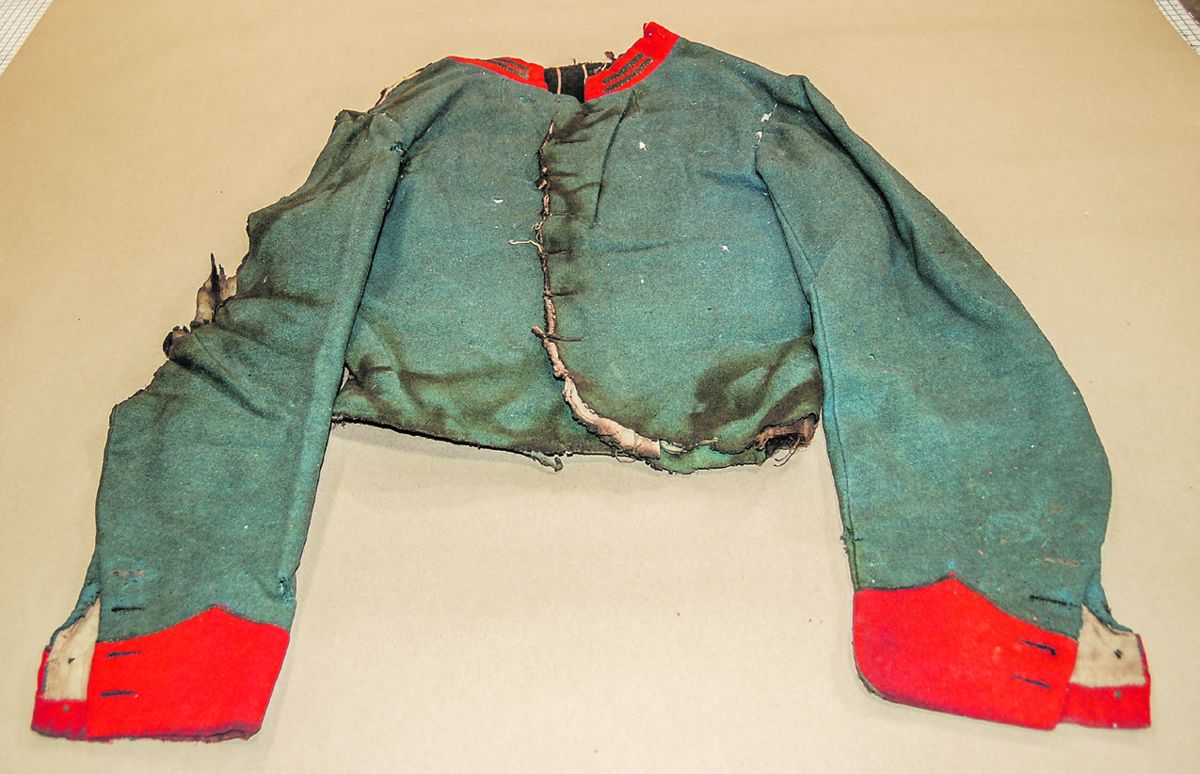
Trousers, front, after restoration. Trousers, front, before restoration.