Leech & Co. Bowie Knife
By Shannon Pritchard · Originally published February 2019 · pp. 10–11
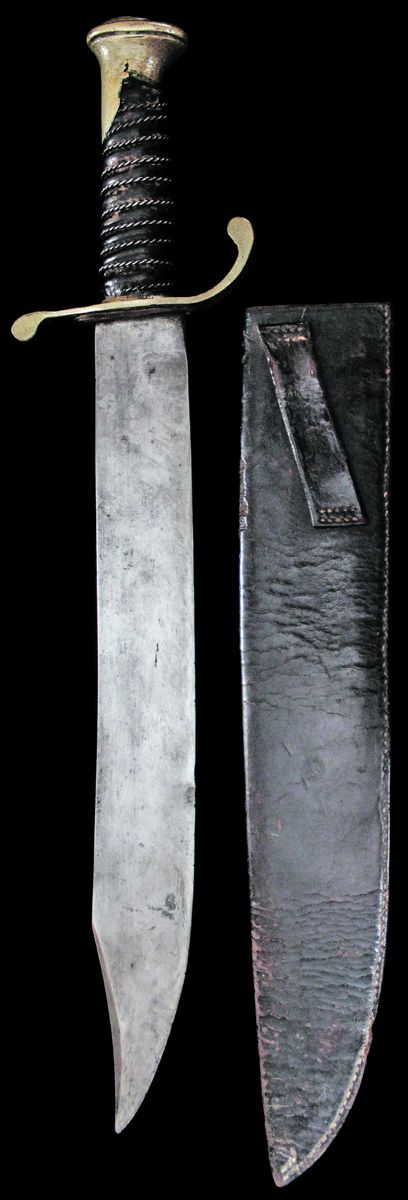
Leech & Co. Bowie Knife By Shannon Pritchard The beautiful clip point Bowie knife shown here is pure Confederate. The maker of this ultra-rare Bowie knife is the Memphis Novelty Works, Thomas Leech & Co. Thomas S. Leech had moved to Memphis, Tennessee in 1854 to establish a cotton dealership. It was financed by his partners: his brother John B. Leech, Thomas Harrison, Sir Arthur Forwood, and Sir William Bower Forwood of Liverpool, England. Leech opened the firm of Thomas Leech & Co., Cotton Broker, at 35 Front Row Street in Memphis. As war became imminent, Leech and his partners began to expand their business to include war material. The military items were sold under the name of “Memphis Novelty Works, Thomas Leech & Co.” Under this name Leech manufactured swords, side knives, belts, and buckles. An advertisement in the Sept. 18, 1861, edition of the Memphis Daily Appeal listed Bowie knives in bold among the various swords and cutlasses made by the company. The following March, Leech formed a partnership with Charles H. Rigdon, renamed the partnership Leech & Rigdon, and opened a new manufacturing facility in Columbus, Miss. On May 1, 1862, the Appeal once again listed the company’s products in an ad, but this time did not mention Bowie knives. A few days later on May 8, Thos. Leech & Co. began closing up business at the Memphis Novelty Works storefront. During the following summer in Columbus, Ga., no knives are recorded as being made and in the fall Messrs. Leech & Rigdon began moving out of sword manufacturing and into revolver production. Once out of the edged weapon business, there is no record of the company having returned to that particular niche of arms making. The foregoing would strongly suggest that no knives were manufactured at the Columbus facility. Only five of these rare clip point Bowie knives are known to exist. Furthermore, the only known markings are: “Memphis,” “Novelty Works,” and “Thos. Leech & Co. Memphis Tenn. C.S.” These various known facts indicate to me that these large 20 inch knives were only produced in Memphis during 1861, and perhaps only early fall of 1861. Though it is sheathed in an original, period scabbard, it is not this knife’s original scabbard.
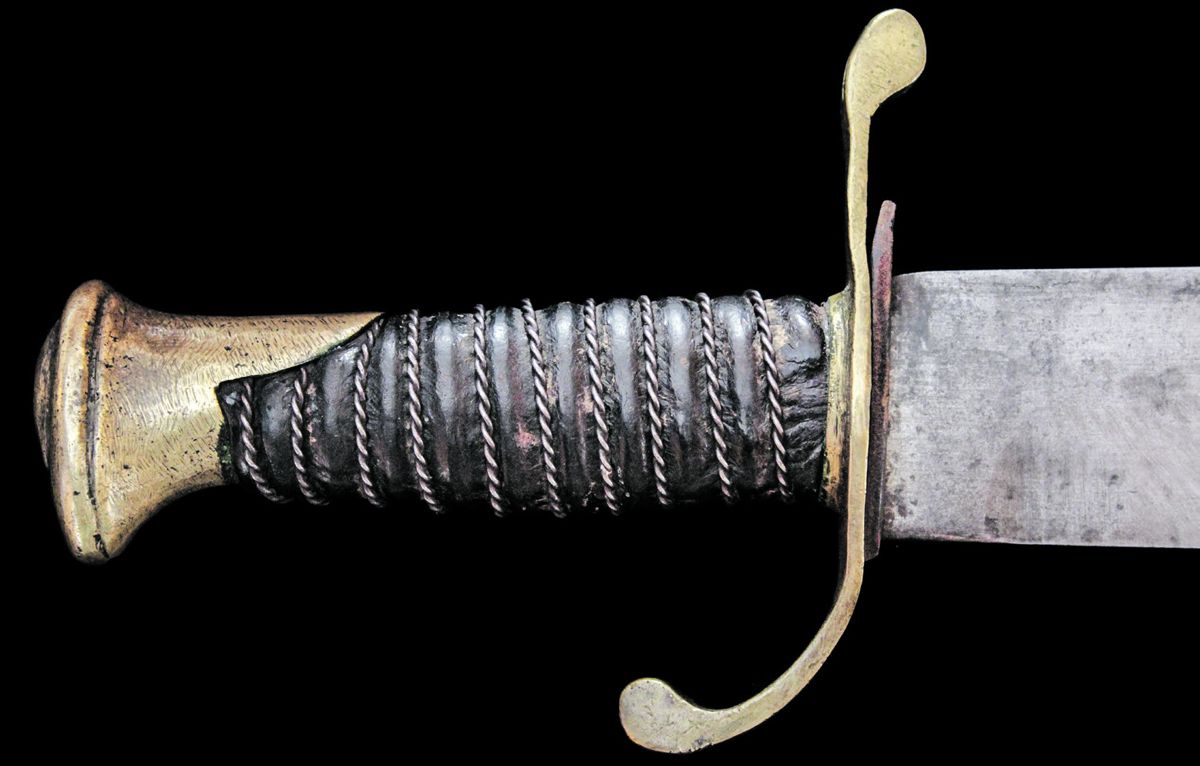
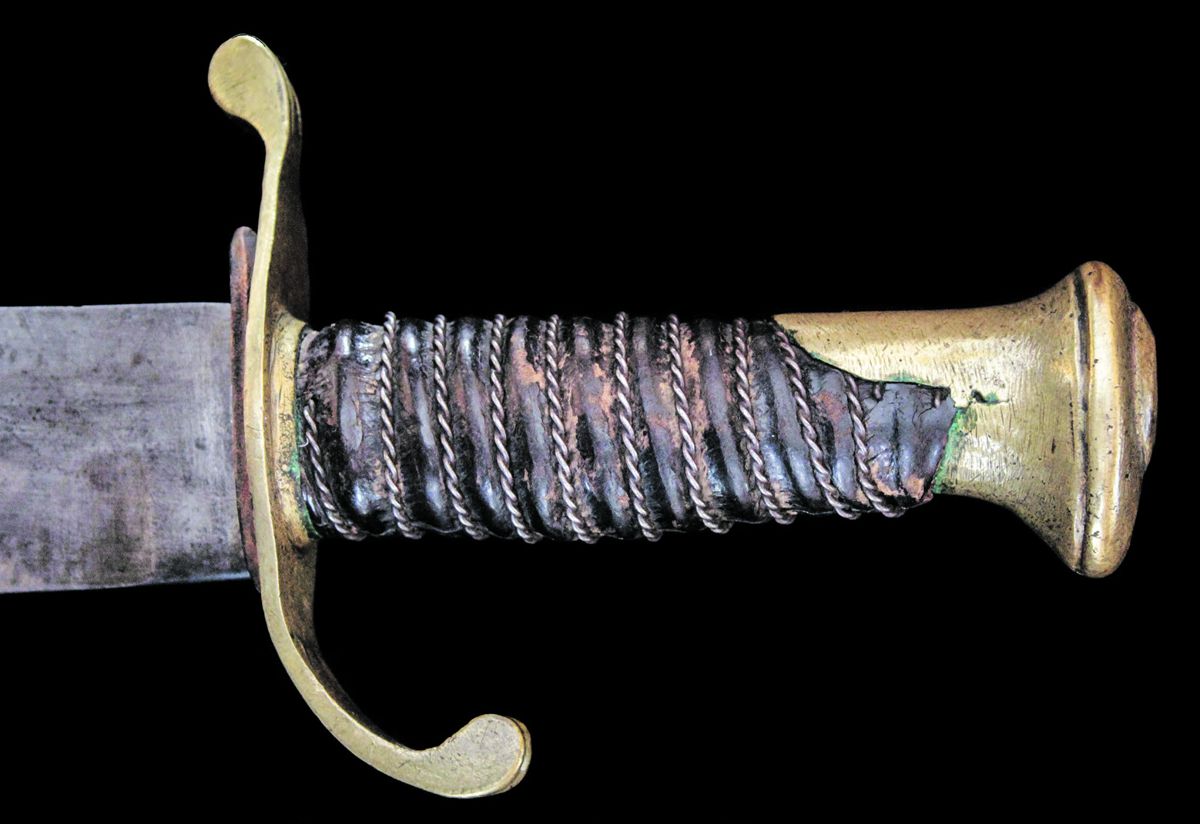
The knife is in the best condition of the five surviving specimens; it has been published, along with this scabbard, in Confederate Bowie Knives, by Jack Melton, Josh Phillips, and John Sexton, and in The Bowie Knife by Norm Flayderman, without the accompanying scabbard. Of especial interest is the wire wrap; Leech used two strands of iron wire twisted together. With the exception of other examples of this same maker’s products, there are no known Confederate knife or sword makers who used twisted iron in their edged weapons. Shannon Pritchard has authored numerous articles relating to the authentication, care and conservation of Confederate antiques, including several cover articles and is the author of the definitive work on Confederate collectibles, the widely acclaimed Collecting the Confederacy, Artifacts and Antiques from the War Between the States, and is co-author of Confederate Faces in Color.
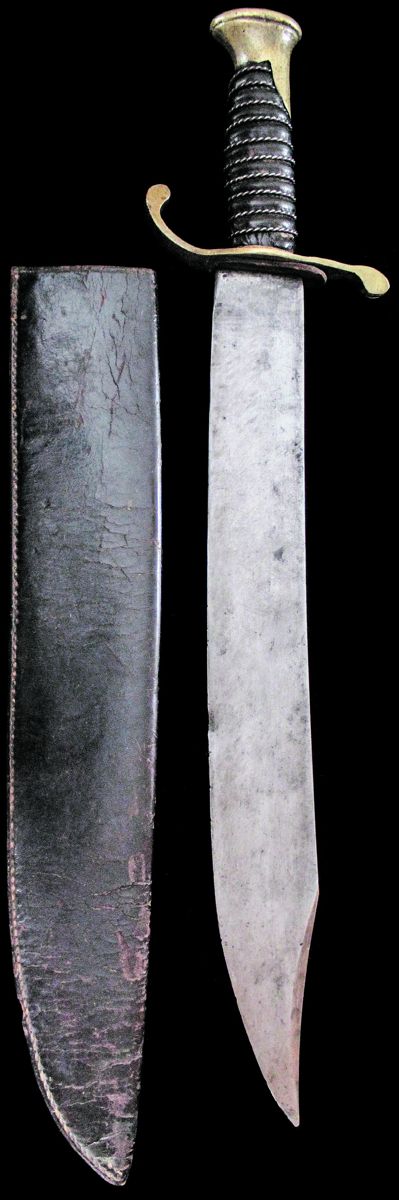
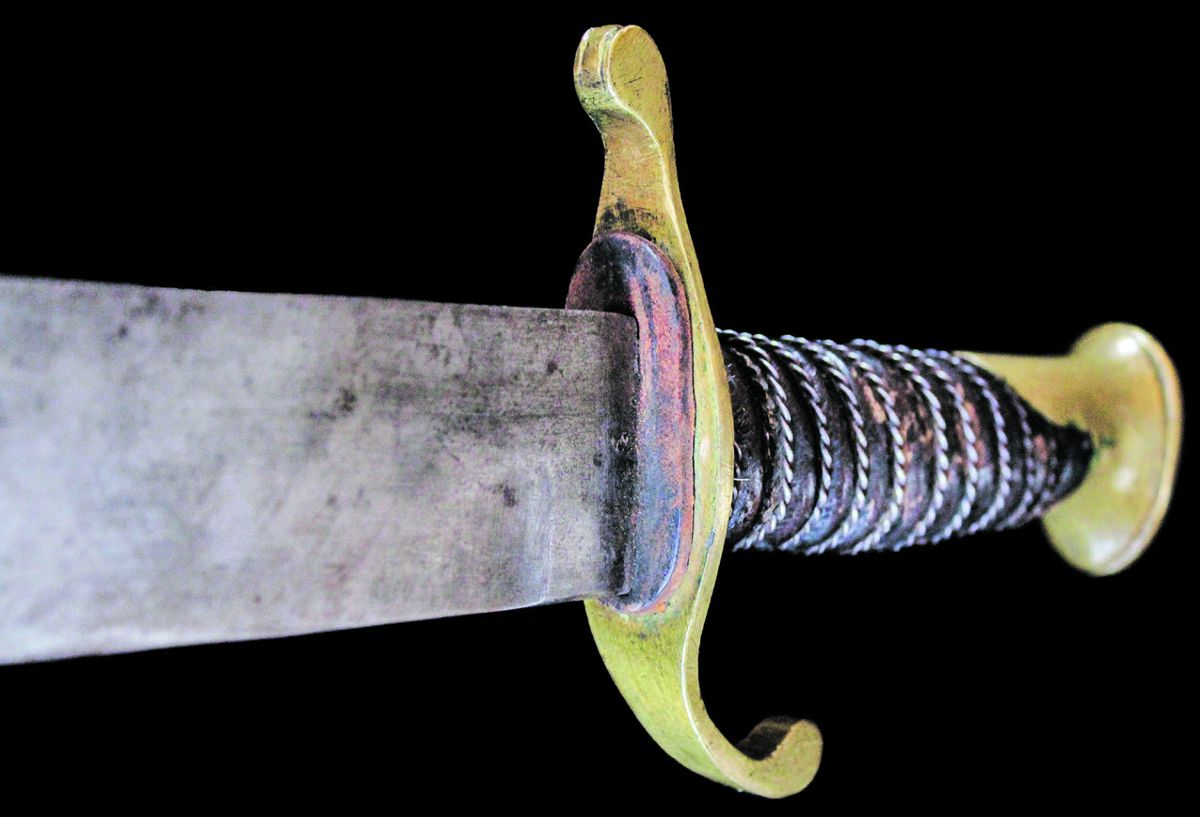
Newspaper clipping from the Sept. 18, 1861, edition of the Memphis Daily Appeal. (Library of Congress) Top right: Obverse and reverse (below) of the Leech & Co. Bowie knife.