Richmond Chapel Was Dedicated to the Memory of the Confederate War Dead
By Bob Ruegsegger · Originally published December 2019 · pp. 32–33
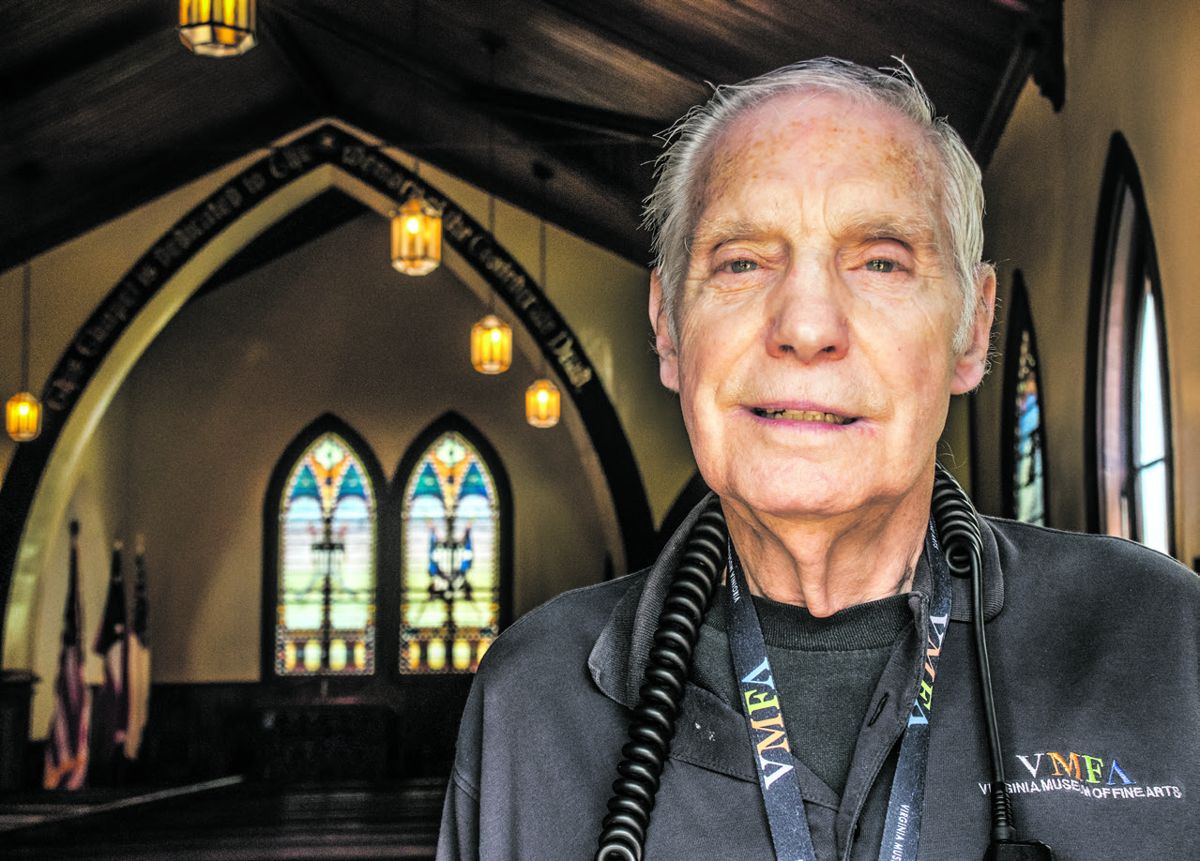
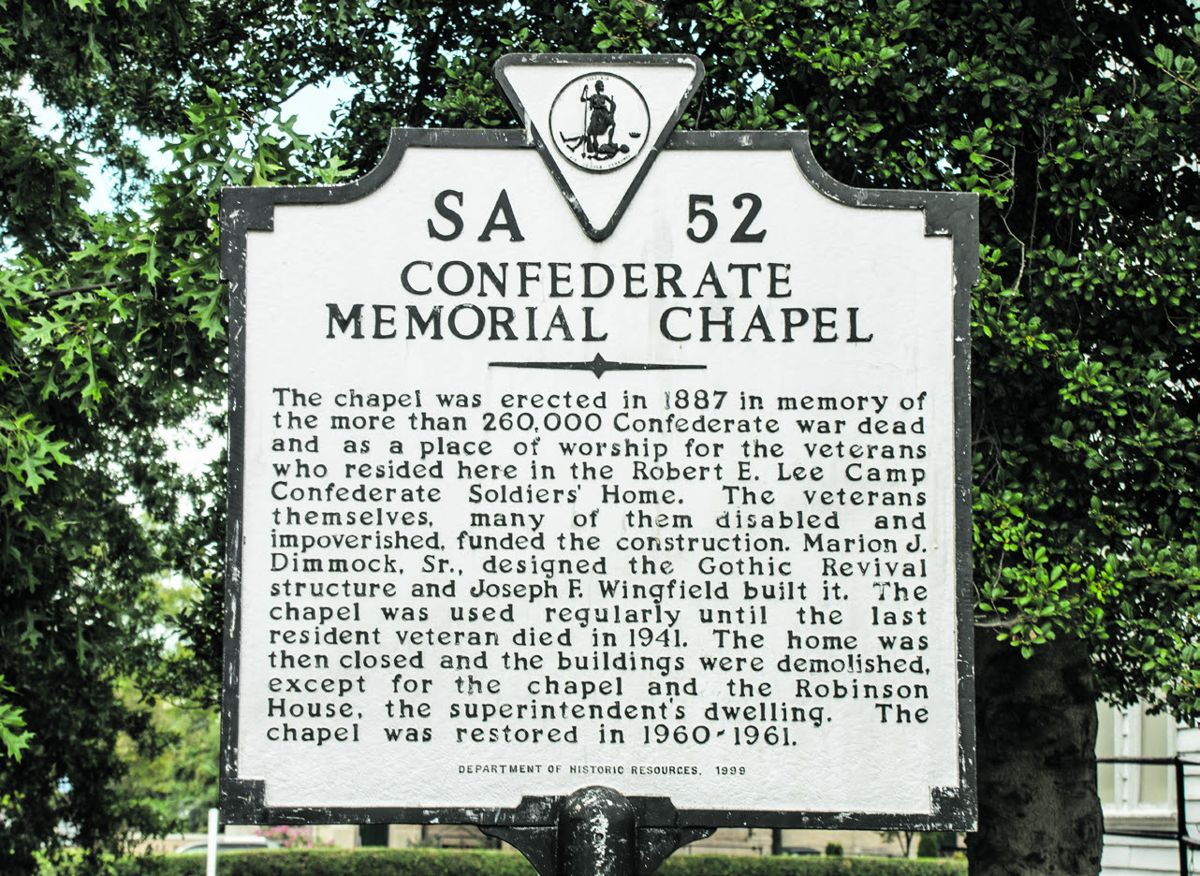
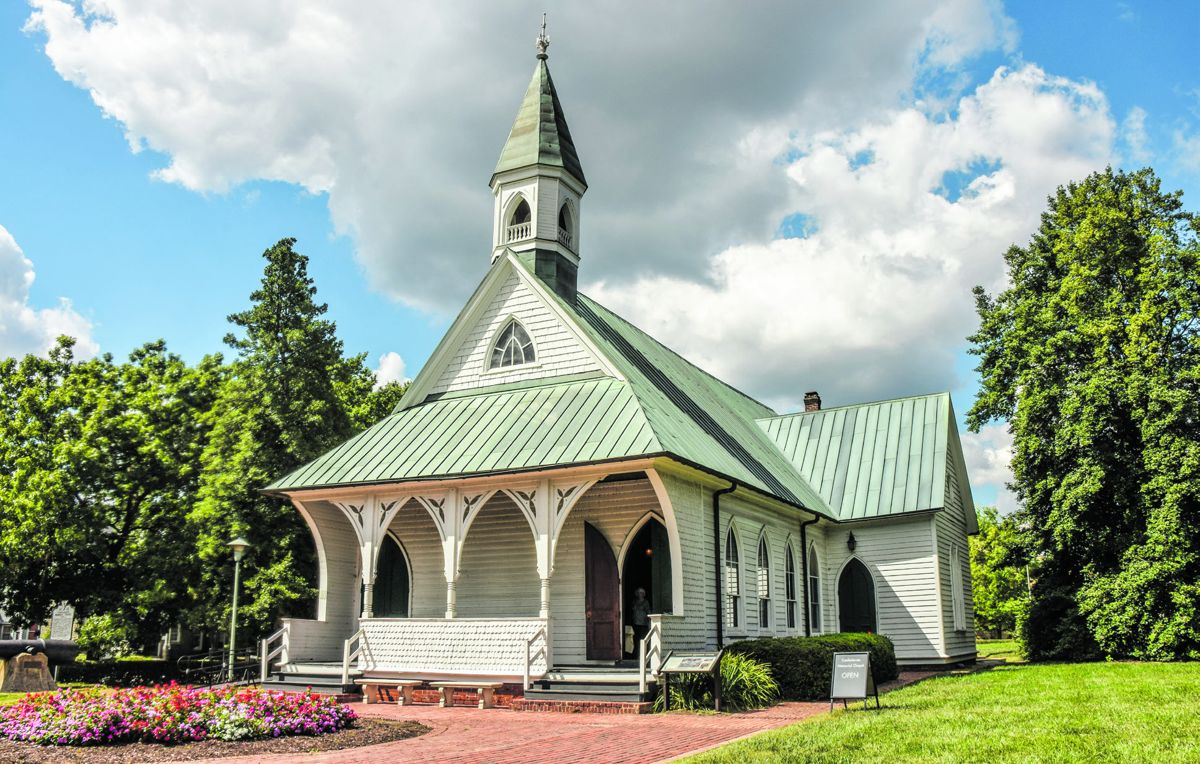
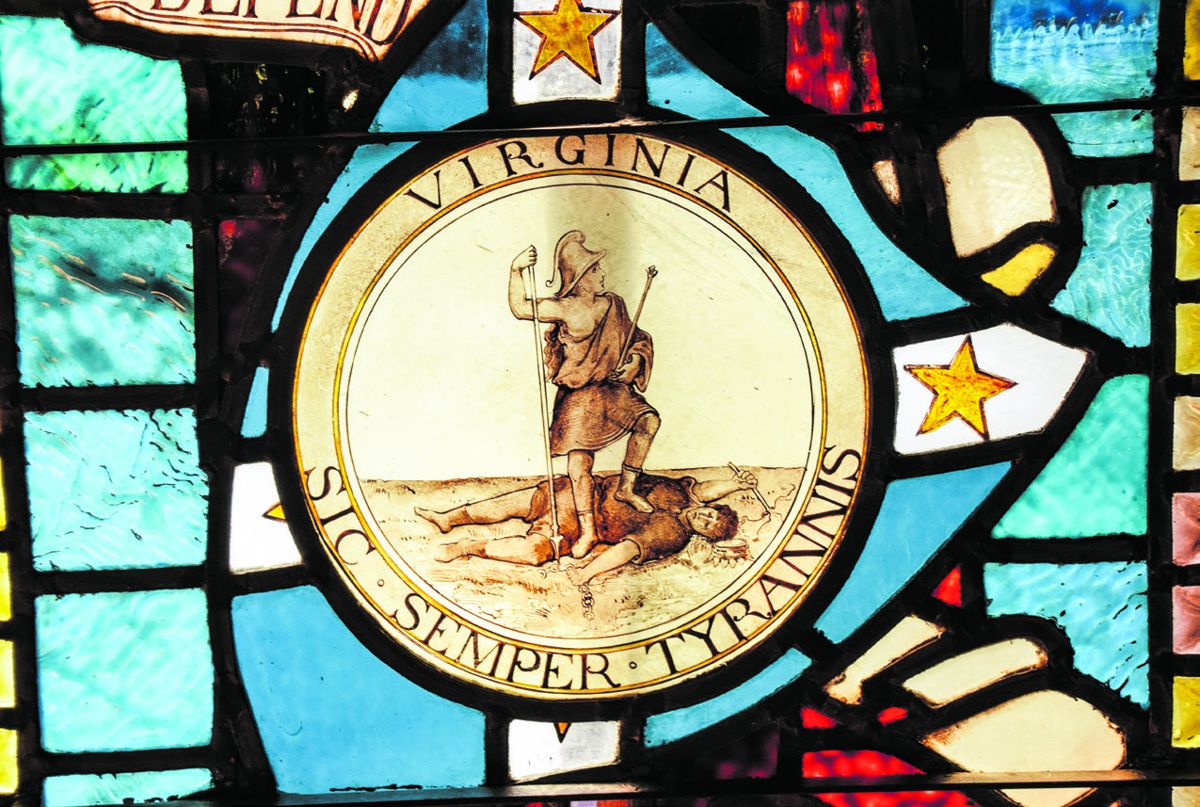
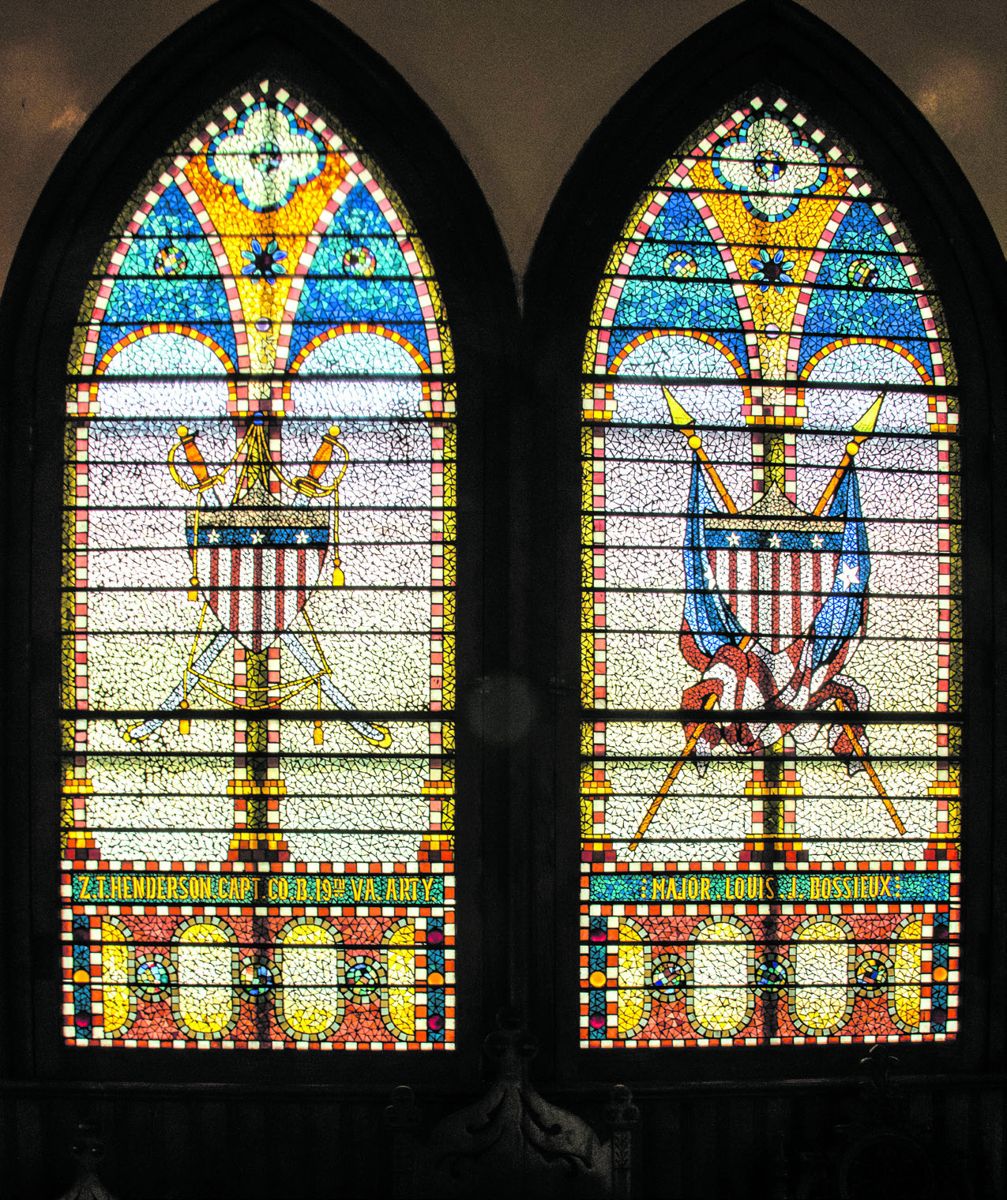
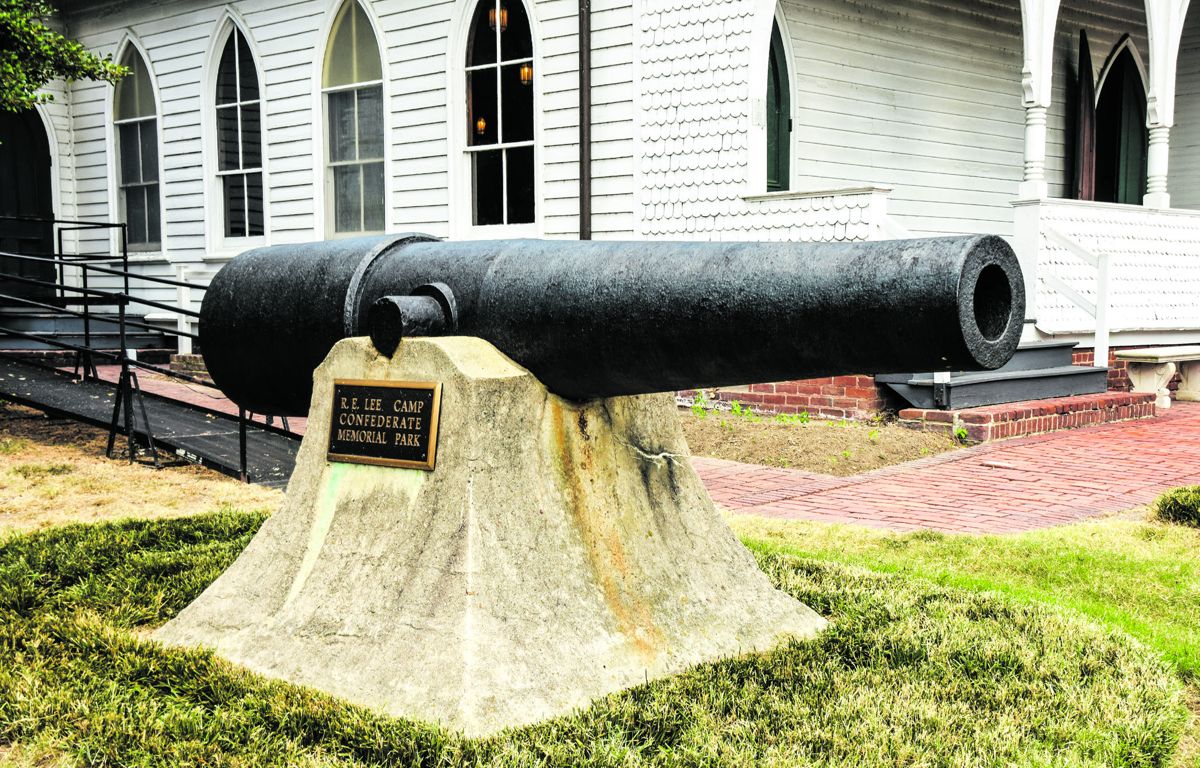
The Confederate Memorial Chapel near the intersection of Boulevard and Grove Avenue stands where it served indigent and disabled Confederate veterans for more than 50 years following the Civil War. The Carpenter-Gothic style structure designed by architect Marion Johnson Dimmock, a former Confederate officer, was dedicated to the memory of the 260,000 Confederate servicemen who died during the War Between the States on May 8, 1887. Originally, the chapel served the R.E. Lee Camp Confederate Soldiers’ Home as a nondenominational house of worship. The Old Soldiers’ Home, as it was called, proved to be the country’s first effective and longest operating residential compound for impoverished and ailing Confederate veterans. The veterans home successfully operated on the site from 1885 to 1941. When the facility’s occupancy was at its peak, it accommodated slightly more than three hundred residents. By the time it closed in 1941, the complex had served as home for almost 3,000 veterans from thirty-three states. The Home for Disabled ExConfederate Soldiers provided shelter, food, medical care, and clothing for the men. Admission was by application. There was a military regimen. Insane persons and habitual drunkards were not admitted under any circumstances, according to a statement on the application form. Using profane language, treating officers with disrespect, disorderly conduct, and refusing to comply with the orders of officers were among the grounds for discharge from the facility. Veterans from the South and North donated funds to build the Soldiers’ Home. The grounds of the Soldiers’ Home grew to be a popular site for Blue and Gray reunions during the late 19th and early 20th centuries. “People come for different reasons,” said Joe Mitchell, a Virginia Museum of Fine Arts associate. “Some come out of curiosity. Some come to experience what happened here,” he said. “We average between 25 and 30 visitors a day. It fluctuates.” When the museum first acquired the chapel property, it leased the building to the Sons of Confederate Veterans and the United Daughters of the Confederacy, according to Joe Mitchell, “The Sons of Confederate Veterans ran this for many years until the museum decided to take it back.” “The Daughters of the Confederacy and the Sons of Confederate Veterans would hold events on special occasions like Lee’s birthday,” he said. “They’d have ceremonies here and stuff like that.” Built in the Carpenter-Gothic form, the wood-framed chapel exemplifies an economic building style common during the 1880’s. It added pointed arches, steep gables, fancy scrollwork, and towers to long-established American light-frame construction. Originally, the chapel’s design called for 13 stained-glass windows. Each of the former Confederate states was, according to the plan, to donate a window. After the war, the states, economically devastated by the war, could not afford to provide the funds for the stained-glass windows. “The only stainedglass windows you see now were donated by families and friends of someone except for the two windows up there [behind the altar],” said Mitchell. “They raised money for those. People up North gave money also. That’s the reason they put the Union shield on those windows,” he said. “They used to have reunions here. The Confederate veterans and Union veterans would come down, and they’d have reunions and all get together.” The stained-glass windows, some incorporating Confederate battle flags, memorialize individual soldiers or units. Four windows were fabricated by Belcher Mosaic Company in Irvington, N.J. The Confederate Memorial Chapel is capped with a belfry that includes the original bell cast in Philadelphia at the Lewis Debozear Foundry in 1848. Inside the chapel, rows of hand-hewn pews face an elevated chancel equipped with Gothicrevival furnishings including chairs, lectern, and pulpit. Three soaring arches bearing bold, gilded inscriptions frame the opening to the chancel. The inscription on the center archway declares: “This Chapel is Dedicated to the Memory of the Confederate Dead.” “It’s pretty well maintained. It could be better, but it’s pretty well maintained,” said Mitchell. “In 1961 they did some rehabilitation. They did some roof work and stuff like that. Basically, everything in here is original,” he noted. “They thought about putting air-conditioning in it, but they didn’t want to disturb the flooring and anything historical.” A model diorama inside the church illustrates what the Soldiers’ Home complex with the residences, outbuildings, and chapel looked like when it served the veterans after the war. Of the buildings that existed to provide for the old soldiers, only the chapel and the Robinson house have survived. “I think there’s a whole lot of, and this is my opinion not the museum’s, distortion about the Civil War,” offered Mitchell, a Richmond native. “Unfortunately, the history has been distorted, and people don’t understand what it was all about,” he said. “I think this [chapel] gives people an idea of what did happen after the war.” Confederate Memorial Chapel offers visitors a sense of what was going on in Richmond and soldiers’ homes across the country more than two decades after the Civil War and following the official end of Reconstruction. America, North and South, was still grieving for the 620,000
soldiers who were died during the war. Surviving veterans were treated with dignity and respect. Tangible assistance was afforded to soldiers who lacked the financial means to provide for themselves. Blue-Gray reunions marked the beginning of a national reconciliation. It was here in this quaint, white-clapboard chapel on the corner of Grove and Boulevard in Richmond, Va., that veterans who had once been bitter enemies assembled, prayed, and looked toward the future together. It was here in this modest chapel that men who had participated in man’s inhumanity to man for four years on the battlefield hoped to bring themselves some semblance of inner peace before stepping across life’s tenuous threshold into eternity. Note: Confederate Memorial Chapel is open daily from 10 a.m. until 4 p.m. There is no admission charge. It is located at 2900 Grove Avenue in Richmond, VA 23221. Bob Ruegsegger is an American by birth and a Virginian. His assignments frequently take him to historic sites throughout Virginia, the Mid-Atlantic, and the Southeast. His favorite haunts include sites within Virginia’s Historic Triangle—Jamestown, Yorktown, and Williamsburg. Bob served briefly in the U.S. Navy. He is a retired educator and has been an active newspaper journalist for the last twenty years.