
Cornelia Hancock, a Civil War Nurse
By Joe Bordonaro · Originally published October 2018 · p. 17
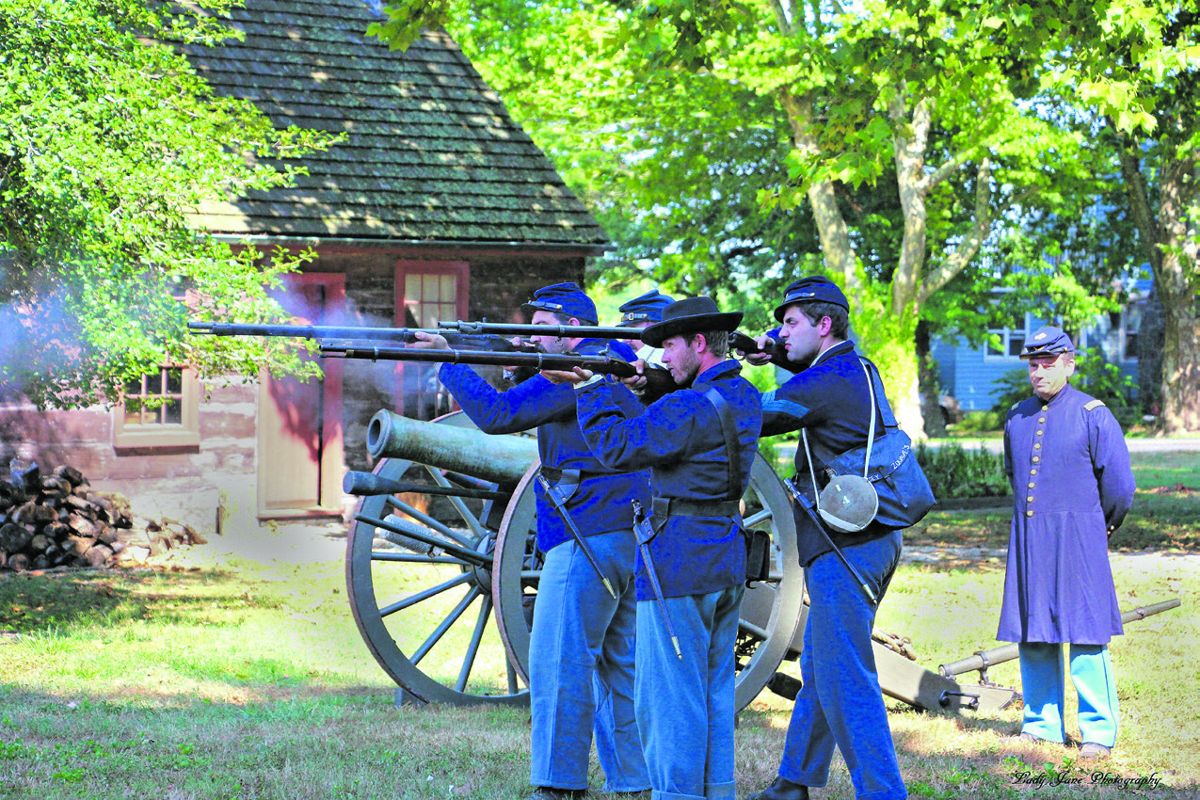
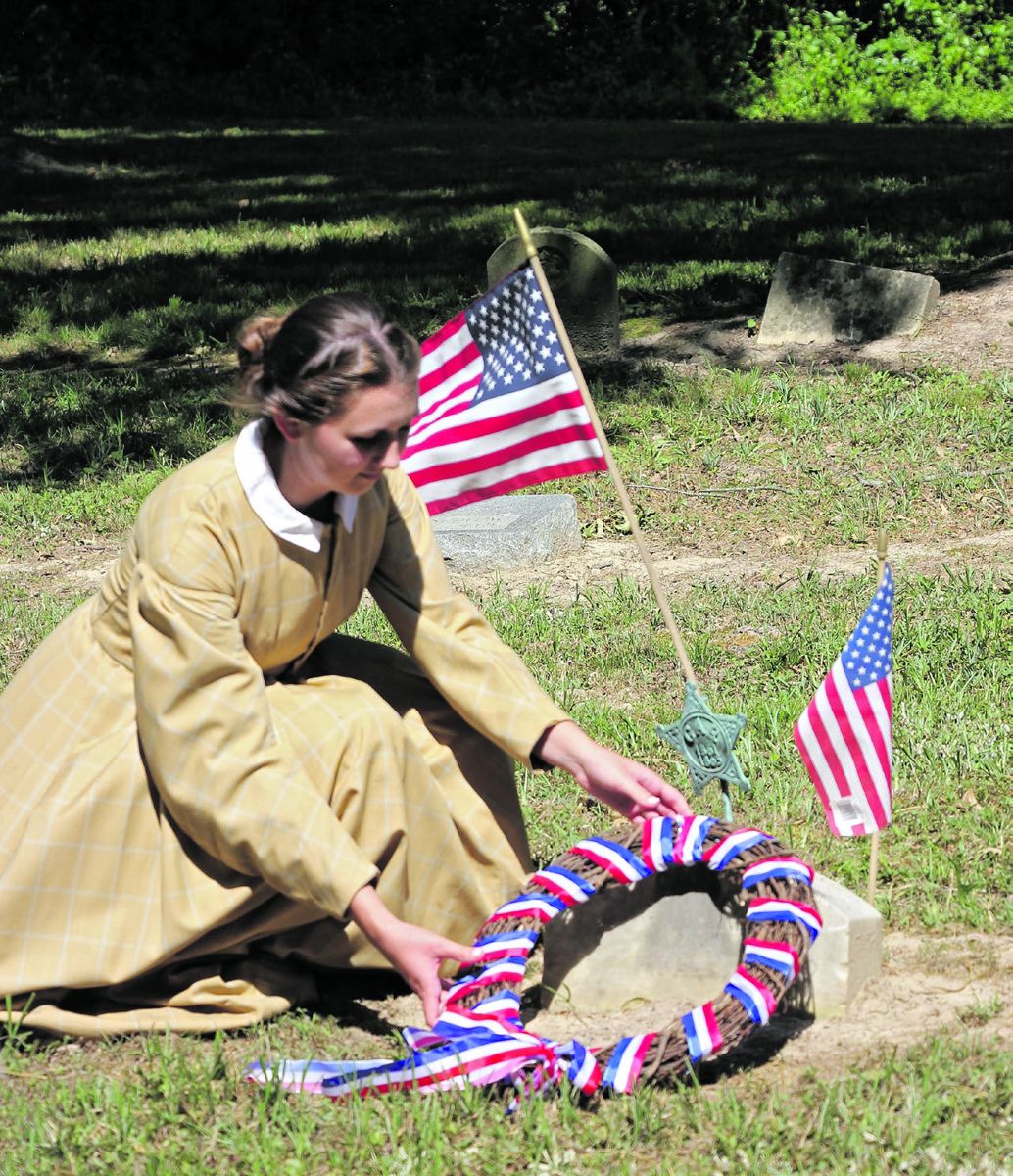
“I was the first woman who reached the Second Corps after the three days fight of Gettysburg. I was in that corps all day not another woman within 1/2 mile… women are needed very badly. There are no words in the English language to express the suffering I witnessed today. The men lie on the ground; their clothes have been cut off them to dress their wounds. They are half naked, have nothing but hard tack [very dense crackers] to eat only as the Sanitary Commissions, Christian Association, and so forth give them. I gave to every man that had a leg or arm off a gill of wine, to every wounded in Third Division, one glass of lemonade, some bread and preserves and tobacco. They need it very much, they are so exhausted. I would get on first rate if they would not ask me to write to their wives; that I cannot do without crying.” Cornelia Hancock, July 7, 1863. Source: https://www.civilwarwomenblog.com/cornelia-hancock. The young woman (age 23 at the time of the Battle of Gettysburg) who wrote the passage cited above was born in Hancock’s Bridge in southern New Jersey. Born into a Quaker family, Cornelia still wanted to do what she could to help soldiers who were wounded in battle during the Civil War despite the Friends well-known opposition to war. Leaving her job as a teacher at the Buttonwood Academy, Cornelia traveled to Baltimore, Md., with a female chaperone. Encountering Dorothea Dix, Superintendent of Army Nurses, Cornelia was turned down. Dix set guidelines for nurse candidates. Volunteers were to be aged 35 to 50 and plain-looking. They were required to wear unhooped black or brown dresses, with no jewelry or cosmetics. Dix wanted to avoid sending vulnerable, attractive young women into the hospitals, where she feared they would be exploited by the men, doctors as well as patients. Source: https://en.wikipedia.org/wiki/ Dorothea_Dix#The_Civil_War. While Cornelia’s chaperone was arguing the point, Cornelia slipped aboard a train bound for Gettysburg and arrived there on July 6, 1863, just three days after the battle. Cornelia’s first assignment, at the II Corps Field Hospital, left her shaken. She wrote on July 7th, “I feel assured I shall never feel horrified at anything that may happen to me here-after.” Source: https://en.wikipedia.org/ wiki/Cornelia_Hancock. After the II Corps Field Hospital was closed and remaining wounded transferred to Camp Letterman, Cornelia went to Washington, D.C., where she worked in a hospital that cared for newly-freed slaves. “This hospital is the reservoir for all cripples, diseased, aged, wounded, infirm, from whatsoever cause; all accidents happening to colored people in all employs around Washington are brought here.” Source: https:// www.civilwarwomenblog.com/ cornelia-hancock. In February 1864, as the Union Army of the Potomac prepared for the coming campaign, Cornelia went to the field hospital of the Third Division, Second Corps, near Brandy Station, Va. She served throughout General Grant’s Overland Campaign and during the Siege of Petersburg. With the fall of Richmond and surrender of General Lee’s Army of Northern Virginia, Cornelia thought of returning home. But she remembered the plight of the freed African-Americans, and in 1866, using funds from Philadelphia Quakers and the Freedmen’s Bureau; she opened the Laing School for Negroes in Mount Pleasant, S.C., where she taught for ten years. Cornelia continued her charity work until 1874 when advancing years caused her to move in with a niece in Atlantic City, N.J. She died there in 1927. Source: https://www.civilwarwomenblog.com/cornelia-hancock. On July 14, 2018, Cornelia Hancock was honored with a wreath-laying ceremony at her grave at the Cedar Hill Friends Cemetery in Harmersville, N.J.
An associated living history event took place that day at the Hancock ancestral home in nearby Hancock’s Bridge. This home was the site of a massacre of ten people by American Loyalist troops. Thwarted in their attempt to clear an area of American rebel militia south of the Alloway River, the Queen’s Rangers were sent down the Delaware River, landed in a marshy area about two miles from the town of Hancock’s Bridge, and marched there in the dead of night. Surrounding the home, which was incorrectly suspected of quartering American militia officers, the Rangers broke down the doors and killed all the occupants with their bayonets. The owner of the home, William Hancock, a Quaker who was not fighting against the British, was one of those who were killed that night. The home is presently maintained as an historic site by the State of New Jersey and is well worth a visit, especially considering the fact that it has strong ties to events of both the American Revolution and the Civil War.
Joe Bordonaro is a USAF veteran (1973–1977), Glassboro State College graduate (1980), Catholic school teacher (St. Joseph’s ProCathedral, 1983–1988), and retired public school teacher (Mullica Township School, 1988–2009). He has been involved with Civil War reenacting/living history since 1999. Joe began submitting articles to the Civil War News in 2005 and has been covering events for the News on a regular basis since 2016. He has also recently begun to write book reviews for Civil War News. Joe lives in Mount Laurel, N.J., and has been married to his wife Karen for 29 years. If you wish to contact Joe, email him at [email protected].