
News Briefs
Neshaminy 2018 Reenactment Canceled
By Joseph Bordonaro · Originally published June 2018 · p. 14
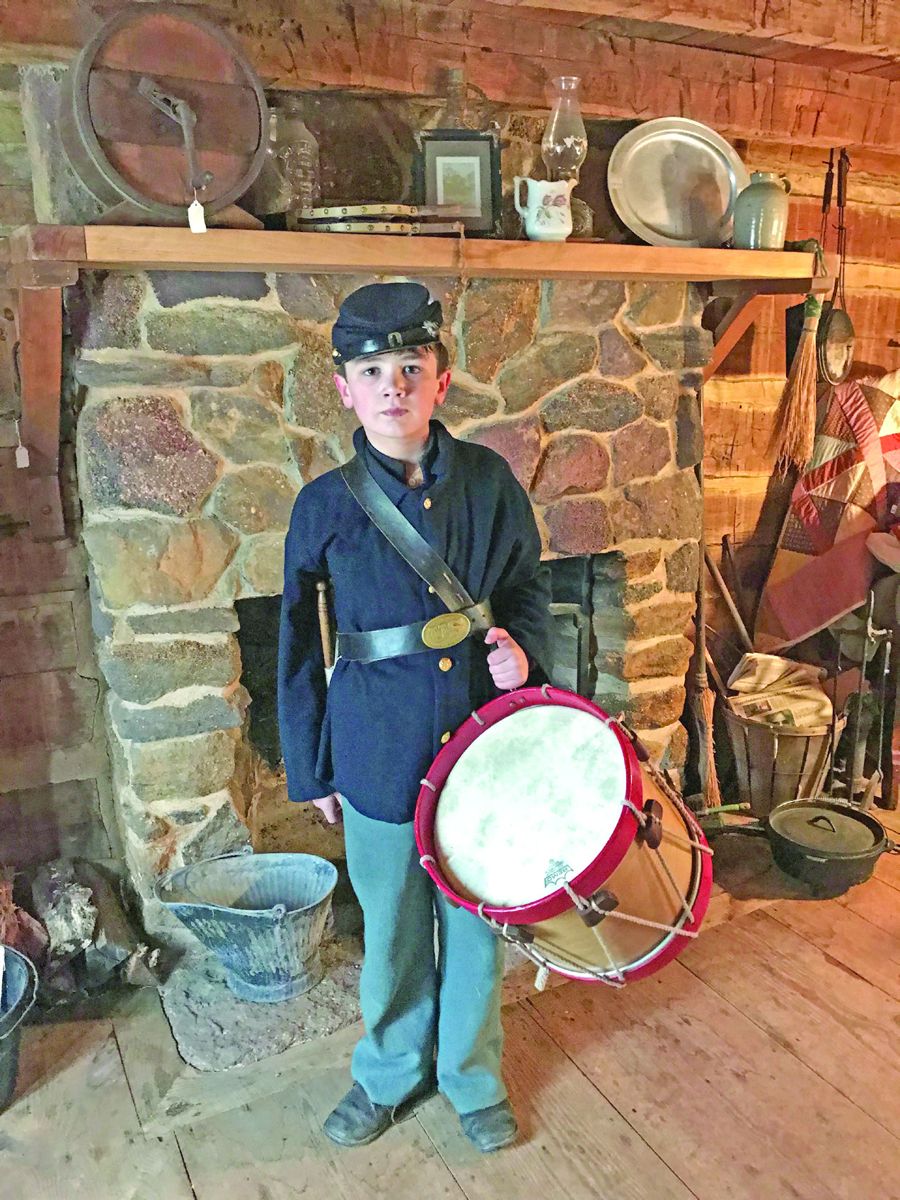
BENSALEM, Penn.—The Board of Directors of the Neshaminy Living History Association has canceled the 2018 Neshaminy Reenactment. The news was quite a surprise to the reenacting community, coming only two weeks before the event was set to begin on April 27. What made the announcement even more surprising was the fact that the Neshaminy reenactment has been held at Bensalem, Penn., State Park for over 30 years. It is advertised as the largest reenactment held on the East Coast, apart from Gettysburg. So what caused the cancellation? First, the point of view of the Board of Directors, from one of its members, Greg DiLalo: “The park has a new manager who it seems did everything he could do to kill the event without cancelling it himself. Months ago, another board member and I were approached by the head park ranger during a walk through…[He wanted to talk] about the [park’s] alcohol policy. We understood that no alcohol is allowed in the park. The ranger explained that late in the 2017 season a ranger at another state park was assaulted while citing park visitors for drinking in the park. This [led] to [an] increased emphasis on the no alcohol policy in all state parks in 2018. The board met and discussed this issue and we decided to fully cooperate with the park and give fair warning to all visitors to our event, both reenactors and spectators. We drafted a statement and released it via Facebook. Obviously, there was some backlash from the community, but really very little. We made sure that we spoke individually with all [the reenacting] umbrella organizations to reiterate that the policy was in place as well as the park’s increased enforcement. A few months ago, at the park’s second largest annual event (the reenactment being the largest by far), around 40 participants in the Polar Bear plunge were cited, fined, and ejected from the park. We were contacted by the park and offered overnight park police presence which we declined, not for security purposes, but simply because overtime rates for two nights for two officers, would generate a bill of more than $2,000. We operate on an extremely tight budget. Our registration fees are among the lowest for an event of its size and we don’t charge admission fees for the public. We survive by our registration fees and donations from several corporations including Parx Casino. We do collect donations during the spectator battles, but 100% of that money goes to battlefield and historic preservation. Early last week, our president was called in for a meeting with the new park manager. The park manager then laid out several comments made on the Facebook post about the alcohol policy. While some were probably in poor form, two comments in particular were taken ridiculously out of context. One referenced the assault on the park ranger at the other state park, which the park manager mistook for a threat on rangers at our event; the other was about narcotics. Unfortunately, there have been dozens of overdoses in the park over the last year, which is what that comment was in reference to. The park manager used these faulty assumptions to add two requirements for the 2018 event: a written alcohol containment plan that would be due to the park this past Friday at noon; and an increased park ranger presence for which we would have to cover the cost estimated to potentially be as much as an additional $8-9,000 for the weekend. The money factor essentially canceled the reenactment right there. There was no way we could come up with that money two weeks before the event. Frankly, even if we could, we would essentially be paying the park to fine and kick out reenactors. When it came down to it, the choice was simple, either cancel the event and find a new venue for next year, or have the event, go broke, and alienate the reenacting community.” For a quite different perspective on the cancellation, we turn to the Park Manager, Brian D. Heath: “The Civil War Reenactment event at Neshaminy State Park was canceled by the sponsor on April 13. This annual largescale event, scheduled for April 28–29 in the park, was approved through a contract called a Special Activities Agreement. On April 5, park management spoke with the event sponsor to reiterate conditions of their event permit and their obligation as the sponsor to ensure participants comply with state park regulations. On April 10, state park officials met with the sponsor, once again, to address non-compliance activities being promoted through the sponsor’s social media channels, such as alcohol consumption and after hours park usage. During that meeting, state park representatives asked the sponsor to provide a plan of action to address the concerns. The sponsor then opted to cancel the event.” A look at a few of the Facebook posts related to the sponsor’s announcement about the increased enforcement shows that the comments were more in the nature of sarcastic remarks pertaining to “opioid use,” but the comments do also seem to indicate that some reenactors were more interested in how to avoid the restrictions on alcohol than they were in complying with the ban. It is difficult to decide whether there was an overreaction to these posts or not. In any case, there is little doubt that the last minute increases in security costs left sponsors with no choice but to cancel the event. Since they seem to be looking at a new site for the event, it seems unlikely that Neshaminy State Park will ever again host the reenactment. This is a shame because the reenactment and living history in the park brought Civil War history within easy reach of the six million people who live in the tristate Penn., N.J., and Del. region. The event was always free to the public, which made it a very family-friendly event. Hopefully, if a new site is found, the availability and low cost of the event will continue to be its hallmarks going forward.