Longstreet Society Seminar: The Valley Forge of the Civil War
By Tim Massey · Originally published January 2018 · pp. 23–25
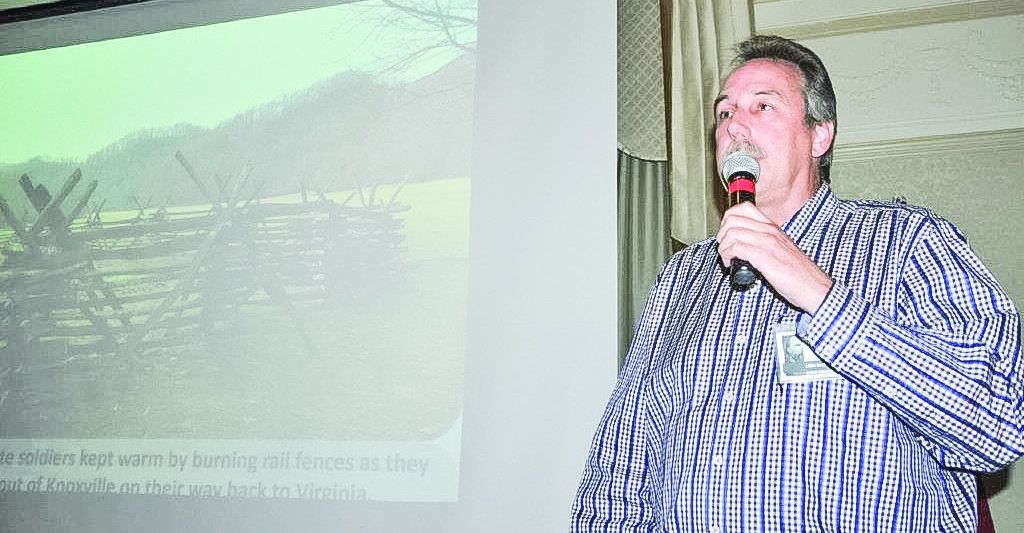
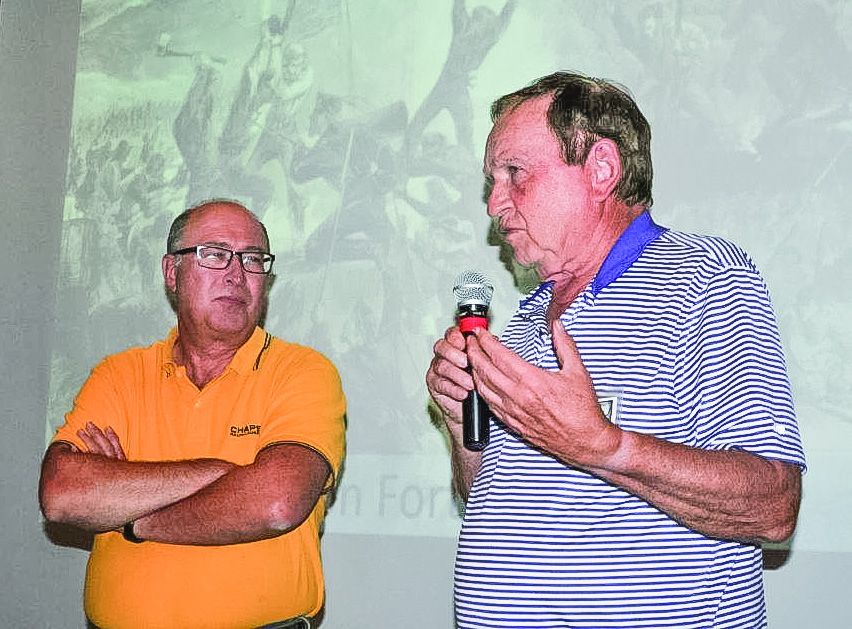
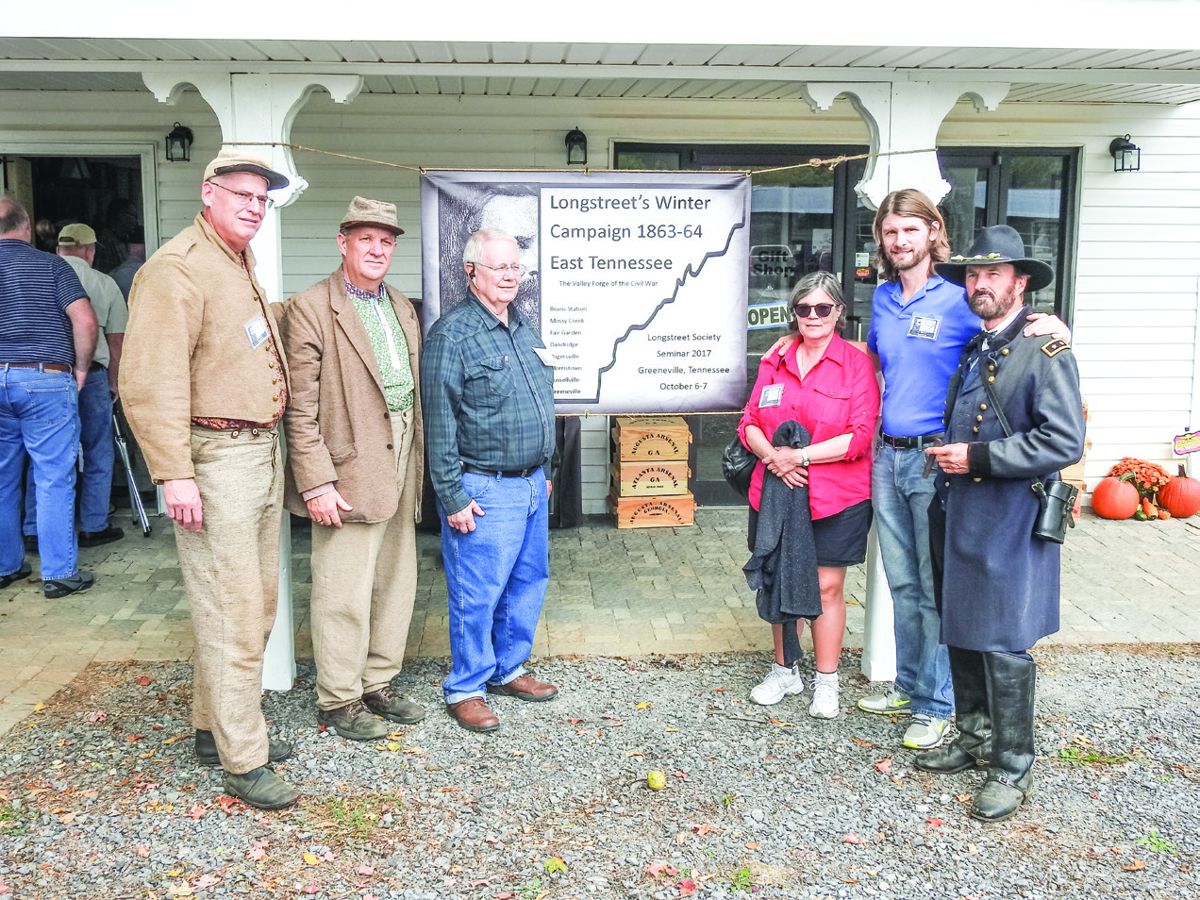
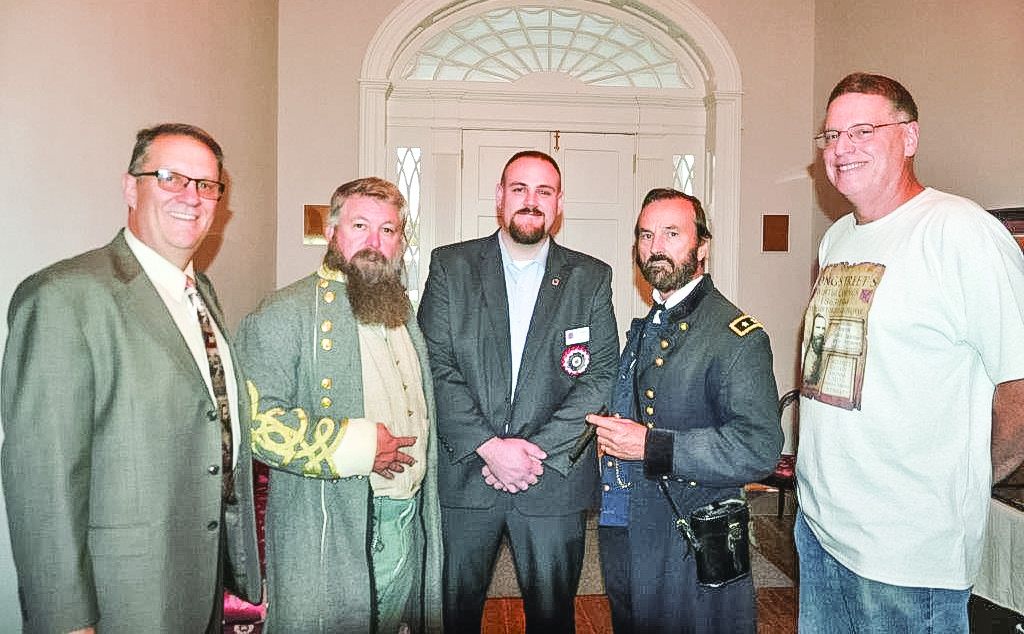
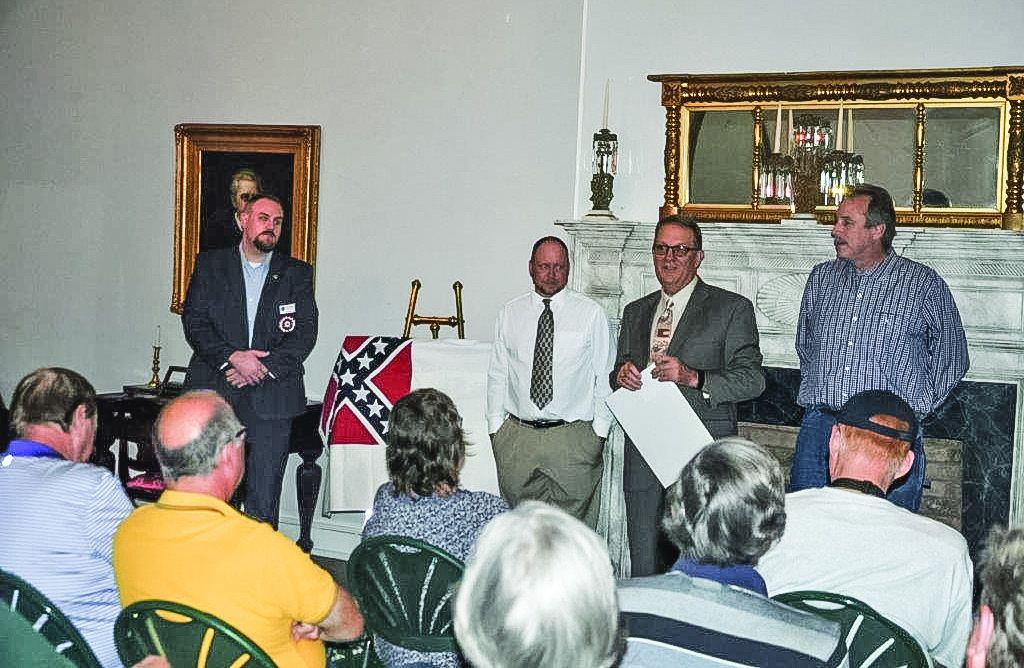
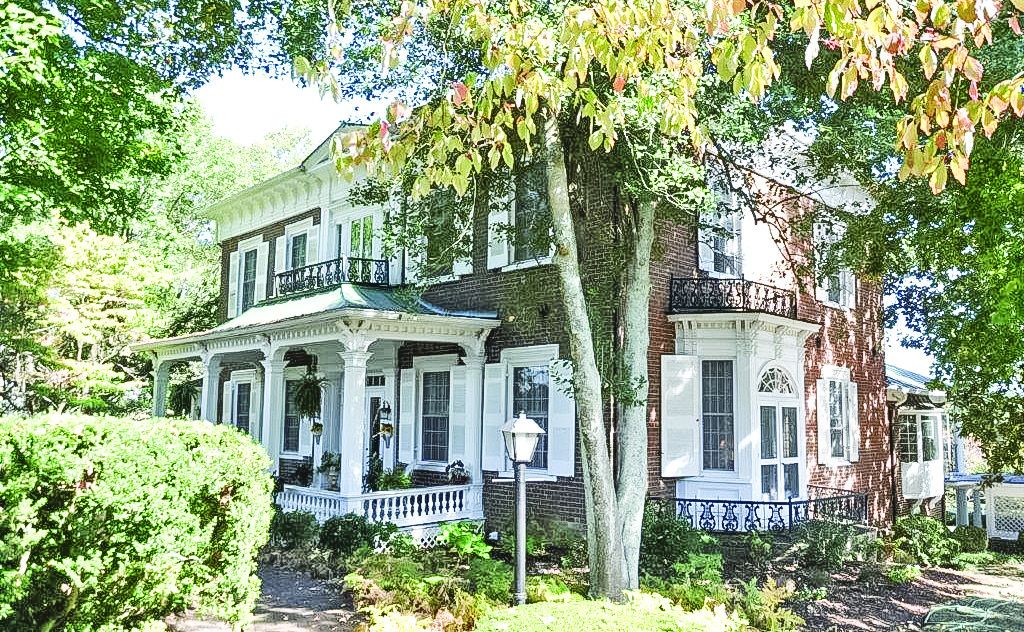
In most annals of the war, Longstreet moved east after failing to take Fort Sanders, thereby driving Burnside’s army out of Knoxville, Tenn. The narratives say Longstreet then rejoined Lee’s Army of Northern Virginia. What is lost in that translation is that Longstreet was in East Tennessee for seven months. It is a period that should neither be forgotten nor overshadowed; a lot of war took place during that period. In addition to battling the Federal forces coming out of Knoxville, Longstreet’s men traveled south to Chickamauga in their summer uniforms and then faced the coldest winter on record. Men in blue and gray later wrote that it was “our Valley Forge.” Military Governor Andrew Johnson wanted Longstreet out of East Tennessee, as did Lincoln, and U.S. Grant traveled as far as Strawberry Plains, east of Knoxville, to personally ascertain why his army could not drive Longstreet out. This scenario sets the stage for the annual Longstreet Society Seminar in Greeneville, Tenn. Longstreet arrived in Greeneville Tenn., on Feb. 27, 1864. He set up his headquarters at the Joseph Brown house just outside town. He stayed there a short time before moving to the Judge Milligan home. On Friday Oct. 6, 2017, members of the Longstreet Society toured the historic Brown home. John and Susan Lister graciously opened their doors, so seminar attendees could walk where Longstreet walked. Some of Longstreet’s staff continued to occupy the Brown House after Longstreet moved. The Brown House, known as “Boxwood Manor,” had been closed to visitors for many years and the Listers are to be commended for sharing their home. The evening only improved as the LS members attended a reception at the Dickson-Williams Mansion, another beautifully restored home that Longstreet is reported to have stayed in. We do know that Gen. Wade Hampton headquartered here during Longstreet’s time in Greeneville. The kitchen of the historic mansion was the center of the reception with wine, cheese, and other treats. Seating was provided on the porches and on the lawn. The mansion’s tour guides were stationed about to give details about the home during the war. Following the reception, members and guests gathered in the mansion’s parlor for the continuation of the evening’s program. LS president C.J. Clark welcomed everyone to the 2017 Seminar and made introductions. LS board member Tim Massey welcomed the group to Greeneville, and introduced Beverly Williams, a descendant of William Dickson, the mansion’s builder. He provided more information about the historic structure. Massey reflected that he had worked for several years to see that Gen. Longstreet’s time in Greeneville was properly remembered with a Civil War Trails marker. Massey asked those who had helped to make the marker a reality to come forward. Mike Beck, and Jason Boshers (Tenn. Div. SCV) R.J. Wilkerson, Kevin Witherell, and Todd Pierce, all representing the Sons of Confederate Veterans John Hunt Morgan Camp in Greeneville, made this project happen. This group then removed a Second National Confederate flag to reveal the new Longstreet in Greeneville marker. The marker is scheduled to be located at the site of the Judge Milligan home in the spring. Massey asked all the attendees to sign the copy of the marker that will be displayed at Longstreet’s Piedmont Hotel, the LS headquarters, in Gainesville, Ga. Finishing the evening at the mansion was a special treat. Massey talked about Gen. Grant coming to Knoxville and traveling out as far as Strawberry Plains. He said, “but what people don’t realize, is Grant came to Greeneville and he is here tonight.” At this, General Grant (Curt Fields) came into the room along with General Longstreet (Bill White). Grant reported that he was there “by order of President Johnson,” and was honored to do so, and to be with “longtime friend Pete Longstreet.” The two men presented an outstanding program reflecting the forging of their lifelong friendship at West Point and at pre-war stations, Jefferson Barracks, Mo., and in Texas, as well as during the war with Mexico. The give and take of the two gentlemen was mindboggling. It reflected the in-depth knowledge the two possess of the generals. Those in the room quickly forgot it was Bill White and Curt Fields, for this spellbinding evening, it was Grant and Longstreet reminiscing together. This presentation, scheduled for 45 minutes, went on for an hour and a half. Nobody left early, nobody nodded off; it was one of the most awesome presentations this writer has witnessed. This was the final act at the mansion. As the group made their way out onto the lawn, a magnificent full moon rose over the mountains and lit the town. It was nature’s way of showing that this was a special evening! The Friday evening activities resumed at the General Morgan Inn at 8 p.m. The inn provided an array of gourmet cupcakes, along with tea and coffee. The evening’s speakers focused on the Saturday tour activities, giving an overview and related history. Tim Massey, LS board member and Greene County Historian, presented a slide show on Greeneville and its role in the war. It included many buildings, some still here, others gone, that stood during Longstreet’s time here. He talked about the Bridge Burners, the Battle of Blue Springs, the death of Gen. John Hunt Morgan, President Andrew Johnson, other local citizens and their role in the war. It also gave a look at other homes, mills, etc., the group would not be able to visit on the next day’s tour. General Longstreet’s great-grandson Dan Paterson introduced Mike Beck, a founder, and chairman of the Lakeway Civil War Preservation Association. He is recognized as the man who saved Longstreet’s headquarters in Russellville from being razed. Beck talked about the strategic gaps along the railroad, with Bulls Gap a primary focus. Beck’s slide show gave the group views that Longstreet’s men would have seen from the ridgelines. He is a lifelong relic hunter who has been instrumental in identifying camp locations and, by the artifacts found, who camped there. He talked about the Battle of Bean’s Station, the group’s first tour stop. Beck introduced Ken Coffee, Grainger County Historian, and author Don Sheridan. Coffee and Sheridan have both written books about the Bean’s Station battle. Sheridan has a revised book coming out soon that doubles the size of his original work. These men gave a lot of insight into Longstreet as he moved east from Knoxville. General James Shackleford was ordered by Gen. John G. Parke, who had just replaced Gen. Burnside, to shadow Longstreet. He sent Carter’s cavalry to “nip at his heels.” Longstreet, still smarting over the defeat at Fort Sanders, saw an opportunity to turn his army and take out the Union troops piecemeal. Three Confederate columns and artillery approached Bean’s Station to catch the Federals in a vise. By 2 a.m. on Dec. 14, one column skirmished with Union pickets. The pickets held out as best they could and warned Shackelford of the Confederate presence. He deployed his force for an assault. Soon, the battle started and continued throughout most of the day. Confederate assaults occurred constantly, but the Union forces held until Confederate reinforcements tipped the scales. By nightfall, the Federals retired from Bean’s Station through Bean’s Gap and on to Blain’s Cross Roads. Longstreet attacked the Union forces again the next morning, but as he approached them at Blain’s Cross Roads, he discovered that they had entrenched themselves beyond eviction. Longstreet withdrew, and the Federals soon left the area. The Knoxville Campaign ended following the battle of Bean’s Station. Longstreet soon went into winter quarters at Russellville, Tenn.
The final speaker of the evening was Dan Paterson, Longstreet’s great-grandson. He gave a slide show of photos from an old Longstreet family photo album. It included many familiar photos, but many rare ones too. It was a fitting end to an eventful day. The program concluded at 11:30 p.m. At 7 a.m. the General Morgan Inn provided a country breakfast fit for any soldier. The buffet for the LS group included eggs, bacon, sausage, waffles and an assortment of fruits. The group boarded a new tour bus at 8 a.m. for the trip to the Clinch Mountain Overlook and a Birdseye view of the Bean’s Station battle ground. We were welcomed to Bean’s Station by Mayor Terry Wolfe. Ken Coffee gave a history Grant. of the early gap and noted that the likes of Daniel Boone and Davy Crockett had trod on the old road near where we stood. Mike Beck joined Coffee for more on the often-overlooked battle in the mountains. Coffee noted that Shackleford, upset upon learning of his wife’s illness, never filed a report of the battle. More than 700 Union and 900 Confederates died here; it was not a small skirmish to be relegated to the back pages of history in an unknown volume. We boarded the bus and crossed the crest of the mountain. Here we had another breathtaking view of the valley below. Ken Coffee pointed out the road where Grumble Jones’ troops captured a Union supply train. Jones was criticized for his men’s delay as they relished the captured food and clothing, items they had been forced to do without. The next stop was back across the crest and down the mountain to Bean’s Station. The valley was flooded by TVA in the early 40s, but there is still much to take in. We stopped at the location of the early Bean’s Tavern where Abraham Lincoln’s mother had worked. This was a major cross road in its day and many a famous and infamous visitor stopped here. Beck and Coffee led the group to the Bean’s
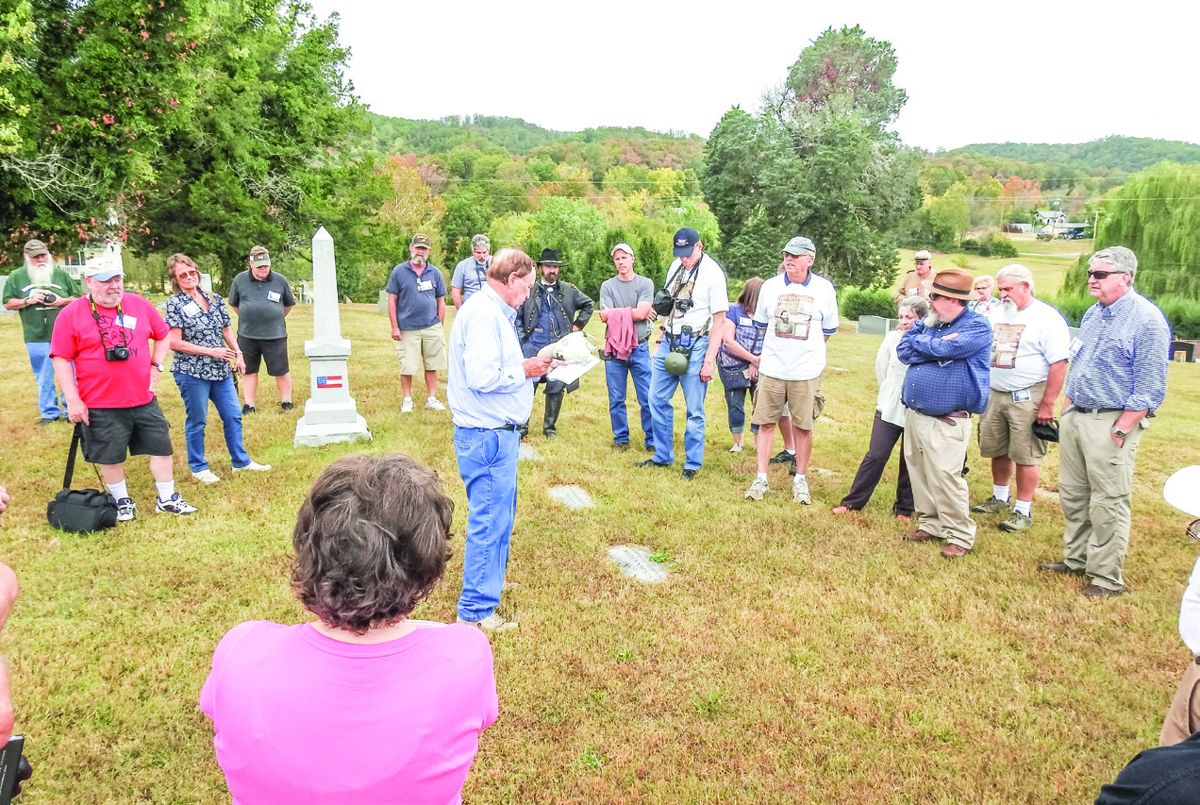
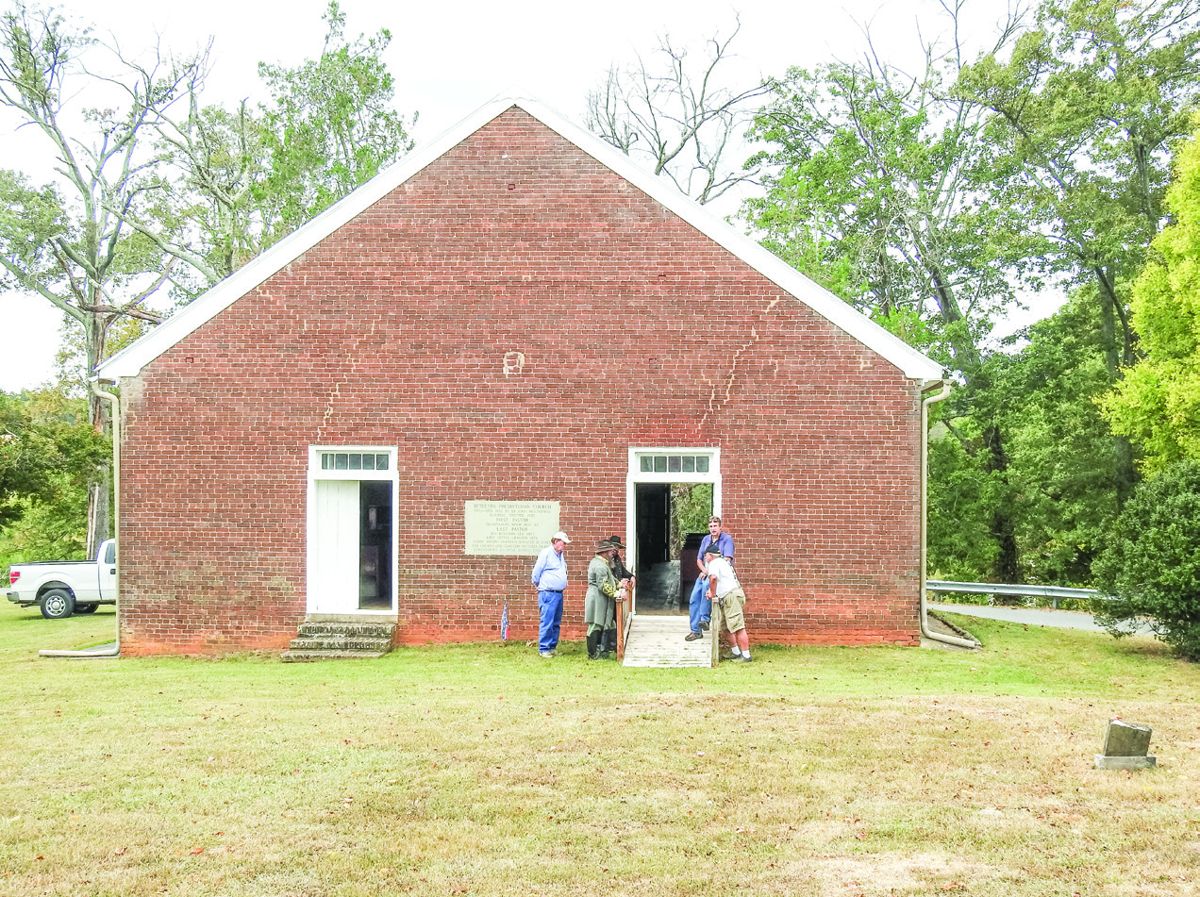
Station Cemetery. This cemetery was active during the battle, and many of Longstreet’s men are buried here. A marker at the center honors men of both sides. A private land owner allowed us to walk across his property, so we could see the location of Union earthworks and an earthen fort. We traveled in the direction of Rutledge and back on the old roadbed to see homes used as hospitals and headquarters. We had looked down from the mountain and now looked up at the mountain. Many times, Mike Beck expressed his appreciation for Longstreet as a strategist, “his ability to see the landscape and make his plan.” Before departing Ken Coffee presented everyone a DVD about the history of Grainger County. We continued to follow in Longstreet’s footsteps back to the General Longstreet Museum in Russellville. I have written about this place before, and it is in existence because of Mike Beck. Beck, hearing that a well-known chain store planned to purchase the property, rallied local Civil War enthusiasts to save Longstreet’s Billet. They literally bought it out from under the chain store. It was overgrown and in overall poor condition, but local volunteers made the museum a reality. Now it sits as a beacon to lovers of history calling them to visit and learn of the Civil War in East Tenn. We arrived and were welcomed with a nice dinner on the grounds. Following lunch, we were invited to visit the visitor’s center and tour the home. The museum has the only Civil War communications center in the state. The sound of the telegraph chattering away greeted visitors to the room. Longstreet’s men ran the wires into the room from the nearby train station. Any student of Longstreet in East Tenn. knows Moxley Sorrell kept those wires hot! Following the museum visit, we headed up the road a short distance to Bethesda Church. This historic church shows the scars of war where a cannonball entered the back and came out the front and bloodstains can still be seen on the floor. The congregation split at the beginning of the war and never held services here again. Steve Street met us with the doors and windows open and a warm welcome to come in and take a seat. Street provided a detailed history of the church and its time as a field hospital for Longstreet’s Corps. Many of Longstreet’s men are buried in the church’s graveyard, some marked, and many unknown. Once more we were on the bus and headed back to Greeneville. We made one last stop, this time at the Bridge Burners Park. It contains the Harmon Cemetery where two hanged bridge burners are buried. Jacob Harmon was forced to watch as his son Henry was hanged first. The two rest side by side in the cemetery. Next to them is the other son Thomas, also condemned to be hanged but sent home because he was sick. He died shortly thereafter. Local historian Donahue Bible saved the Bridge Burner story from being lost to time and was instrumental in founding the park in their honor. It has a monument honoring the five men hanged for their part in the failed plot of the Union army to invade East Tenn., in Nov. 1861. The final evening again provided a packed agenda. The General Morgan Inn is known for its culinary perfection and did not disappoint. Period music was provided by Canjo John Van Arsdall and Tony Malone in their Confederate attire. LS president C.J. Clark again welcomed everyone and thanked those who made a great weekend happen. Tables set up in the room contained items for the silent auction which started Friday. There were a lot of great items to be had for a price! LS founder and past president Richard Pilcher presented the Helen Dorch Longstreet Awards for 2017. The Longstreet Society presents an engraved crystal bowl to the person who best exemplifies the courage, determination, and dedication of Helen Dortch Longstreet in her life long effort to defend the reputation of her husband, Gen. James Longstreet. It is presented in honor of the General, in memory of Helen, and in appreciation of the hard, often thankless work, done by our members and friends. This year’s recipients were Margaret and Tom Rasmussen, and Bill Johnson. The Rasmussen’s have been instrumental in the landscape plan at the Piedmont Hotel. They have dedicated hours of work and plants in their ongoing effort. Bill Johnson was part of the driving force to see the Longstreet Monument in Gettysburg become a reality. Both awards were well deserved and a small token for time and work involved. Tim Massey then introduced this year’s speaker, Michael Hardy. Hardy, a well-known historian and author of over 20 books, talked about the war within the war during Longstreet’s time in Greeneville. Hardy brought enthusiasm that is hard to match when talking about the war. His passion for the subject permeated the room. He related that by the spring of 1864, the war had taken its toll on the region which included western N.C. In fact, Longstreet was drawing supplies from Asheville as well as ammunition from the Asheville armory. The road between Greeneville and Asheville was a no-man’s land of bushwhackers, deserters, and thieves. There was no railroad connecting the two because of the mountains. The whole of east Tenn. and western N.C. was a Civil War within the Civil War. Neighbors could not trust neighbors and it was many times kill or be killed. Locals who had been cleaned out by the armies and marauders were forced to steal or starve. As Hardy pointed out, it was not a good place to be in 1863-64. It is an aspect of the war often overlooked. After many a thank you and salutations, another Longstreet Seminar is in the books. The silent auction organized by the always resourceful Maria Lagonia was a great success. General Grant (Curt Fields) and General Longstreet (Bill White) spent the entire weekend in uniform and added immensely to the activities. The many historians who worked and toured to help tell the story of Longstreet’s time in East Tenn. are greatly appreciated. Attendees came from Canada, England, and from coast to coast. One person can tell a story, it takes many to bring it to life. Next year’s Longstreet Seminar is slated for Richmond, Va. Visit the Longstreet Society at: http://www.longstreetsociety.org/ home.html