Civil War Photography – Discoveries and Explorations
Originally published January 2018 · p. 15
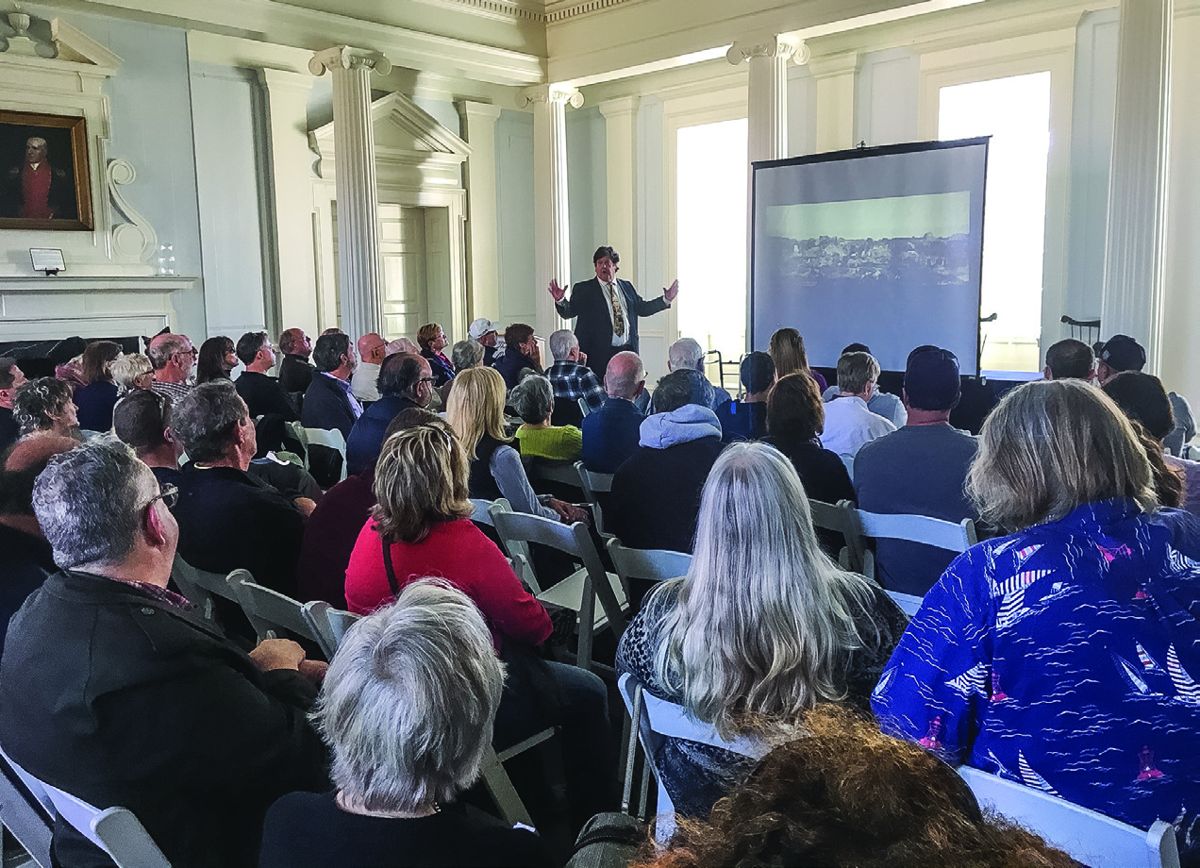
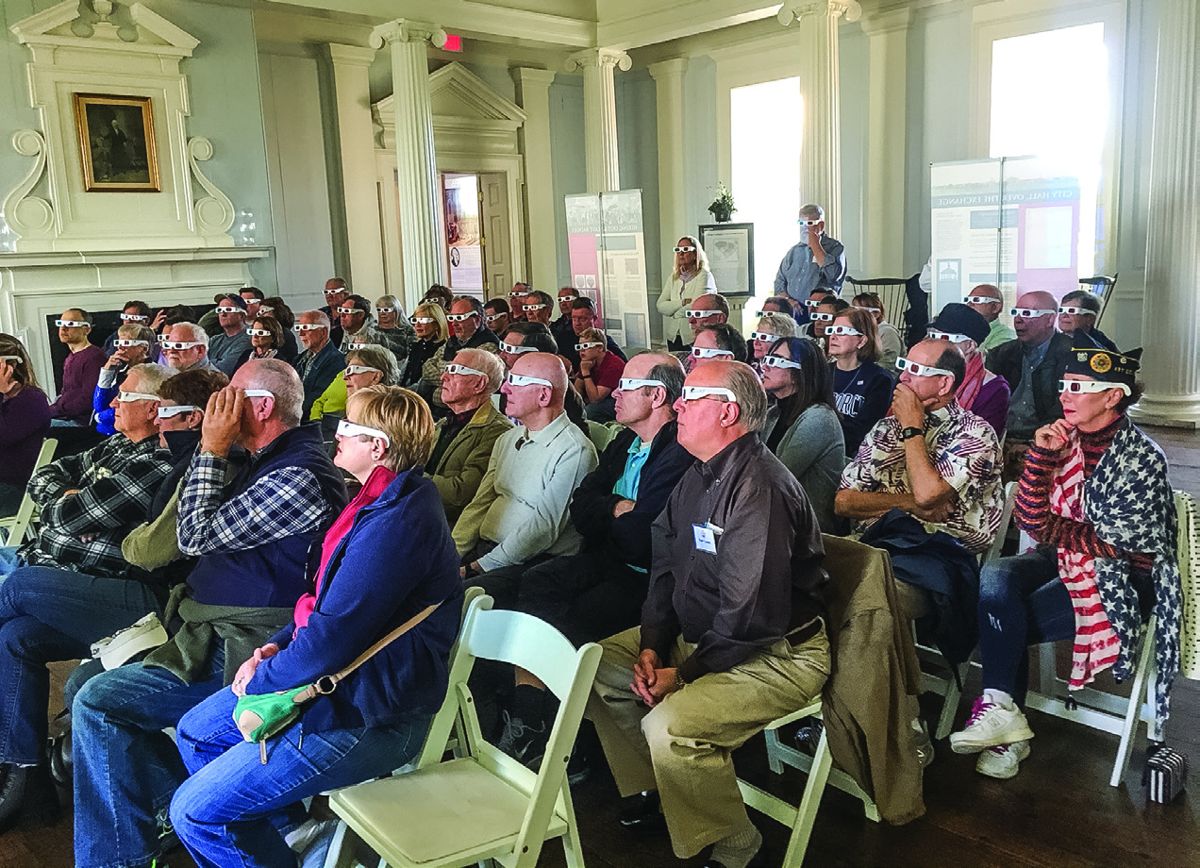
CHARLESTON, S.C.—The Civil War provided a number of “firsts” in American History. These include the war being the first extensively photographed. Of note are the first combat images taken in the nation’s history. These were taken in September 1863 and show U.S. warships shelling C.S. fortifications on Sullivan’s Island during the 1863–65 Siege of Charleston. On Nov. 11, Bob Zeller, Center for Civil War Photography president, presented a program in the Old Exchange building in Charleston, S.C. Over 60 people attended the event co-sponsored by the Fort Sumter – Fort Moultrie Historical Trust and the Old Exchange. The great visual treasure left to us by the war’s photographers is still revealing itself in previously unknown, new images and in new ways of examining and interpreting known images. Zeller showed many photographic treasures that have been unearthed in the past several decades. In addition, Zeller showed photos that have been discovered in the past several decades. Bob also detailed how Alexander Gardner colorized photos to make his graphic photos of the Antietam dead even more gruesome. He demonstrated how Civil War “motion pictures” – four images taken back-to-backto-back-to-back from the same spot, that, when combined, they capture wagons and ships in motion and Confederate prisoners of war shuffling along a dock gangplank. Bob, a writer and Civil War photo expert, presented over forty period images, with half in 3-D. A number of these were of Charleston, Fort Sumter, and other locations in and around the city during the war. Then Zeller asked the audience to don their 3-D glasses, provided at no charge courtesy of The Center for Civil War Photography, and with the same image on the screen, he transitioned from 2-D to 3-D to show the photo the way it was originally taken and meant to be seen. Wearing 3-D glasses, you feel as if you can literally step into the tableaus of some of the war’s most famous photographs, many reproduced directly from meticulously restored, 150-year-old, glass-plate negatives, providing unmatched clarity and vividness. These include the first combat action photograph and the first example of a pre-war/wartime, then-and-now pairing of images. The secret that Ken Burns never revealed in his PBS series The Civil War is that most of its documentary photographs were created in 3-D. Stereo views were the videos of Civil War America – a primary form of home entertainment. Bob Zeller, co-founder and president of the non-profit Center for Civil War Photography www.civilwarphotography.org pioneered the reintroduction of 3-D Civil War photography 20 years ago with his groundbreaking book, The Civil War in Depth – History in 3-D. (Chronicle Books, 1997). Since then, Zeller and Chronicle have published The Civil War in Depth Volume II, (2000), as well as Lincoln in 3-D, co-authored with John Richter (2010). Zeller is also the author of The Blue and Gray in Black and White: A History of Civil War Photography (Praeger, 2005), the first and only book-length narrative history on the photography of the war. Zeller’s latest book, published in May 2017, is Fighting the Second Civil War: A History of Battlefield Preservation and the Emergence of The Civil War Trust. Bob is married to former newspaper photographer and city manager Ann G. Bailie. They have two grown children and live on Lake Norman, N.C. For more information, contact Bob Zeller at 336-707-7165, or at bobzeller@ civilwarphotography.org
Bob Zeller’s 3-D presentation of Civil War photos converted to 3-D anaglyph’s. (All photos by Carlin Timmons)