Battlefields Mean Business
By O. James Lighthizer · Originally published February 2018 · pp. 6–7
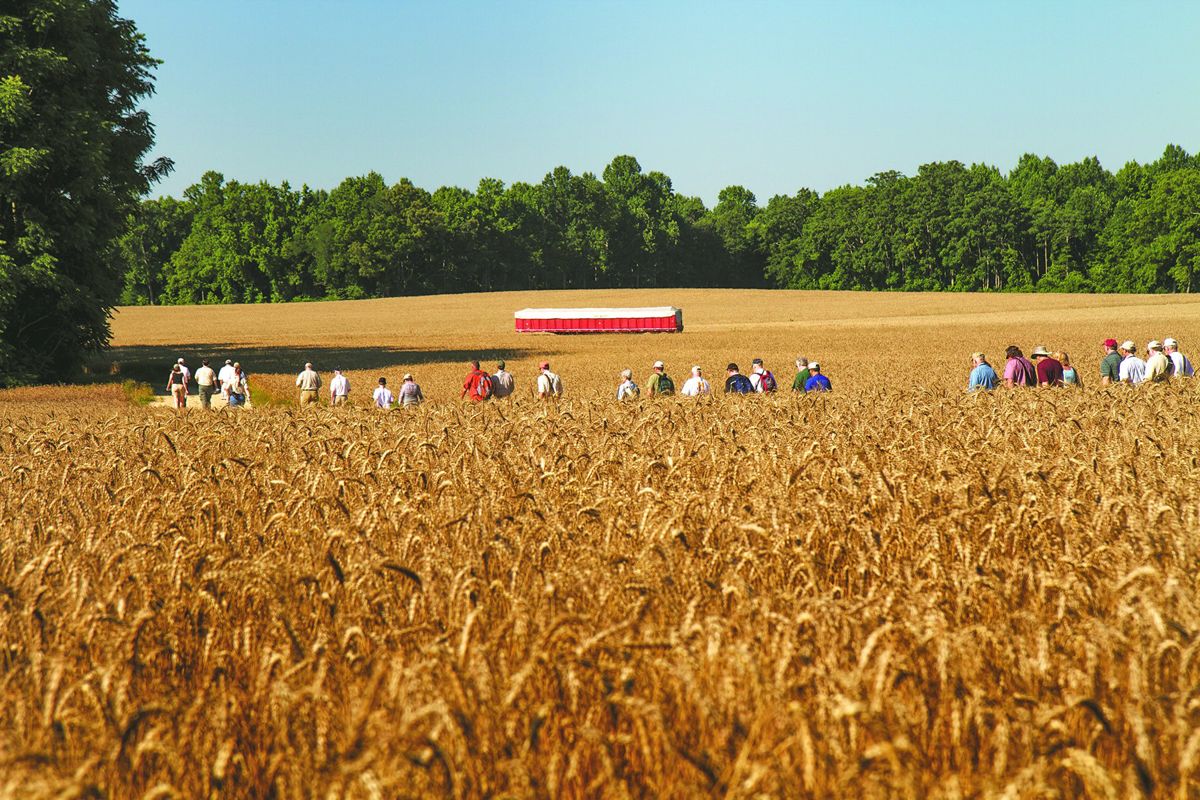
Every spring, summer, and fall, families and individuals flock to America’s best-known battlefields, lured by great stories, momentous deeds, and breathtaking landscapes. National parks at Gettysburg, Vicksburg, Fredericksburg and elsewhere gear up for these seasons, adding staff to handle the influx of visitors. Planning their vacations, families string together stops at one historic site and pedestrianfriendly town after another until they’ve assembled a fun getaway weekend or a weeklong trip. Such is the allure of American history well told in places where it happened; people want to follow in the footsteps of the past’s participants, to understand what they felt, thought, and experienced. That’s why I believe that historic sites like battlefields are one-of-a-kind resources. By embracing them, a community can never become Anywhere, U.S.A. “Visitors are looking for more than facts and military strategy,” Carl Whitehill, spokesman for Destination Gettysburg, the tourism marketing agency for Gettysburg and Adams County, Penn., said. “Here, they can immerse themselves in the human stories
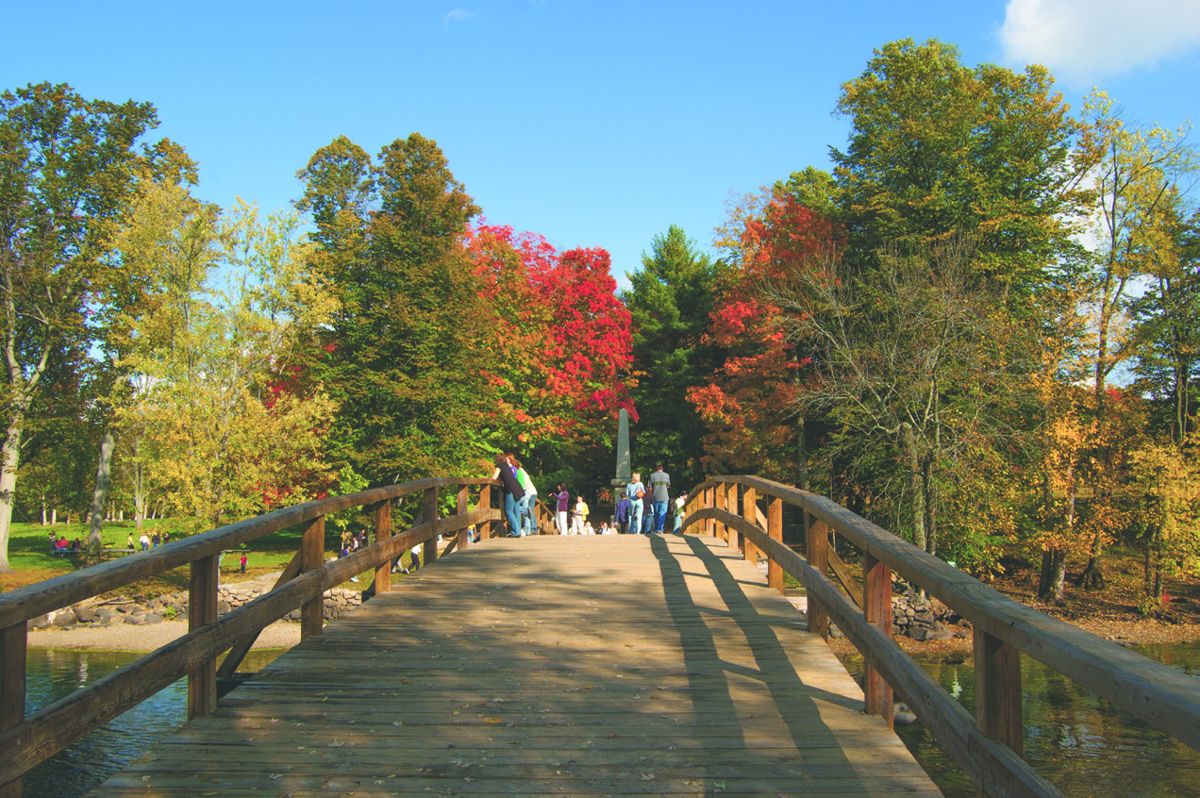
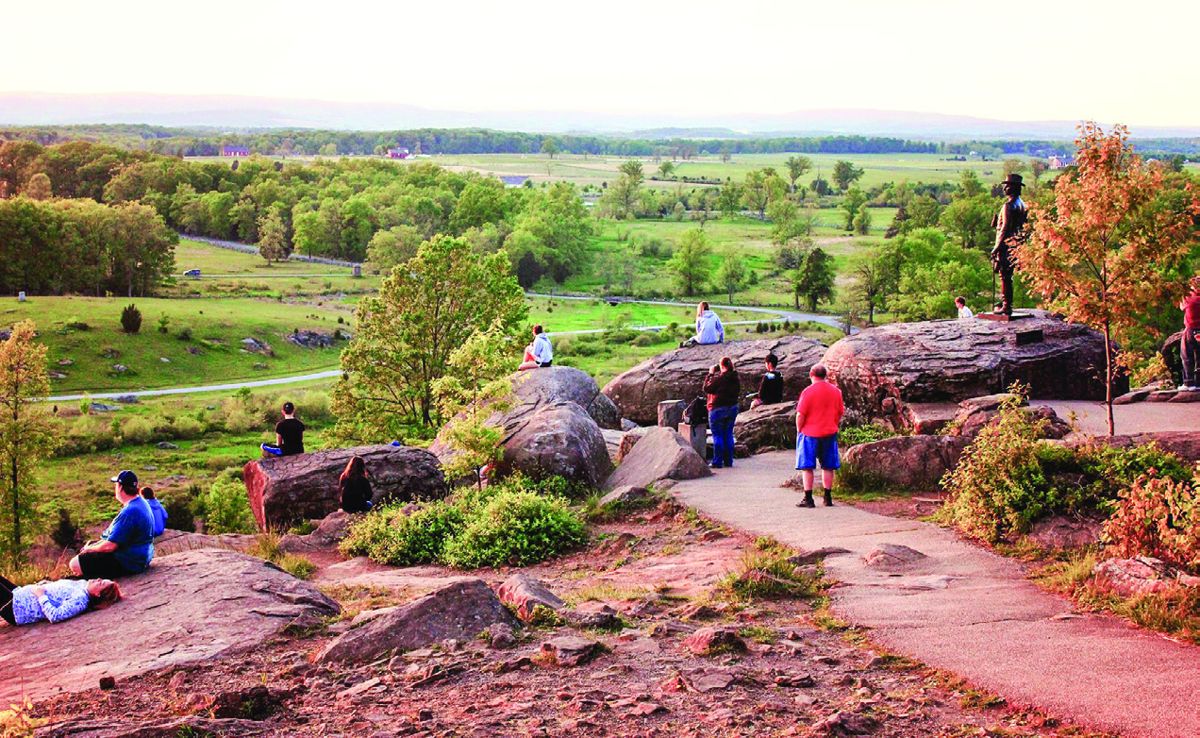
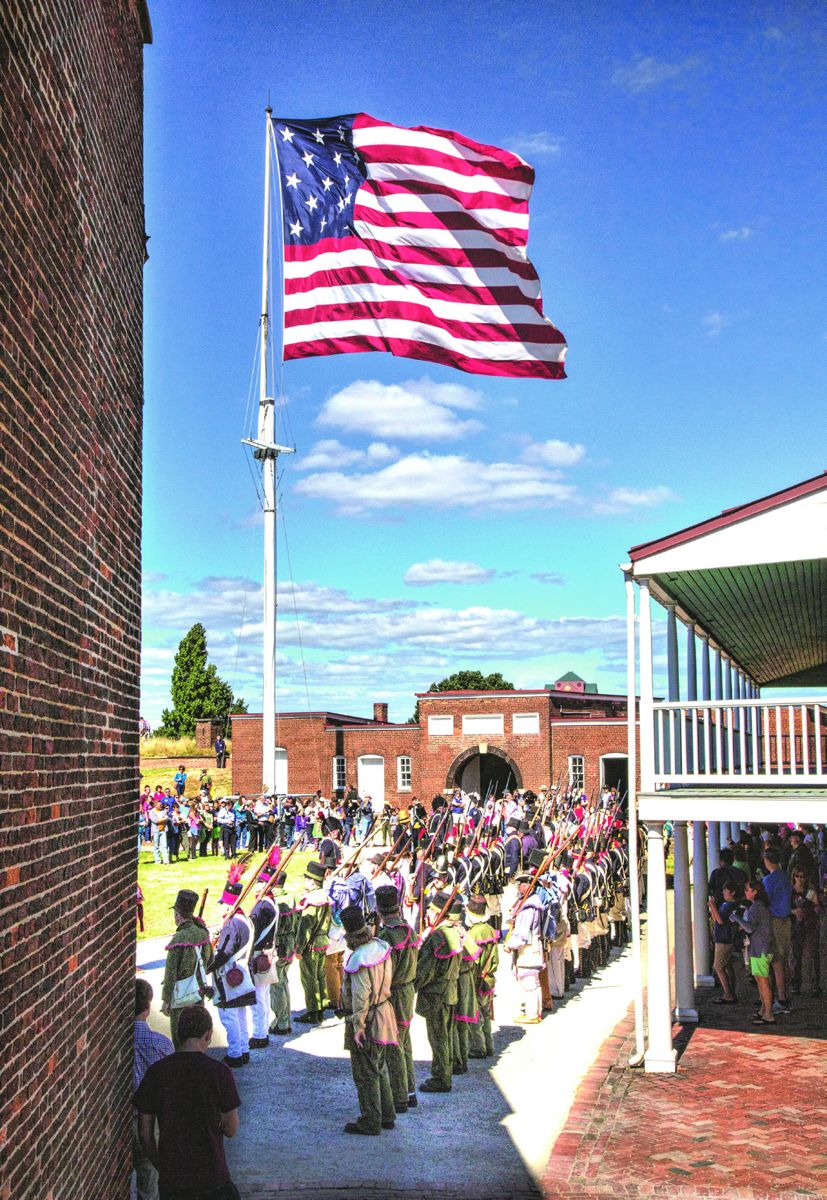
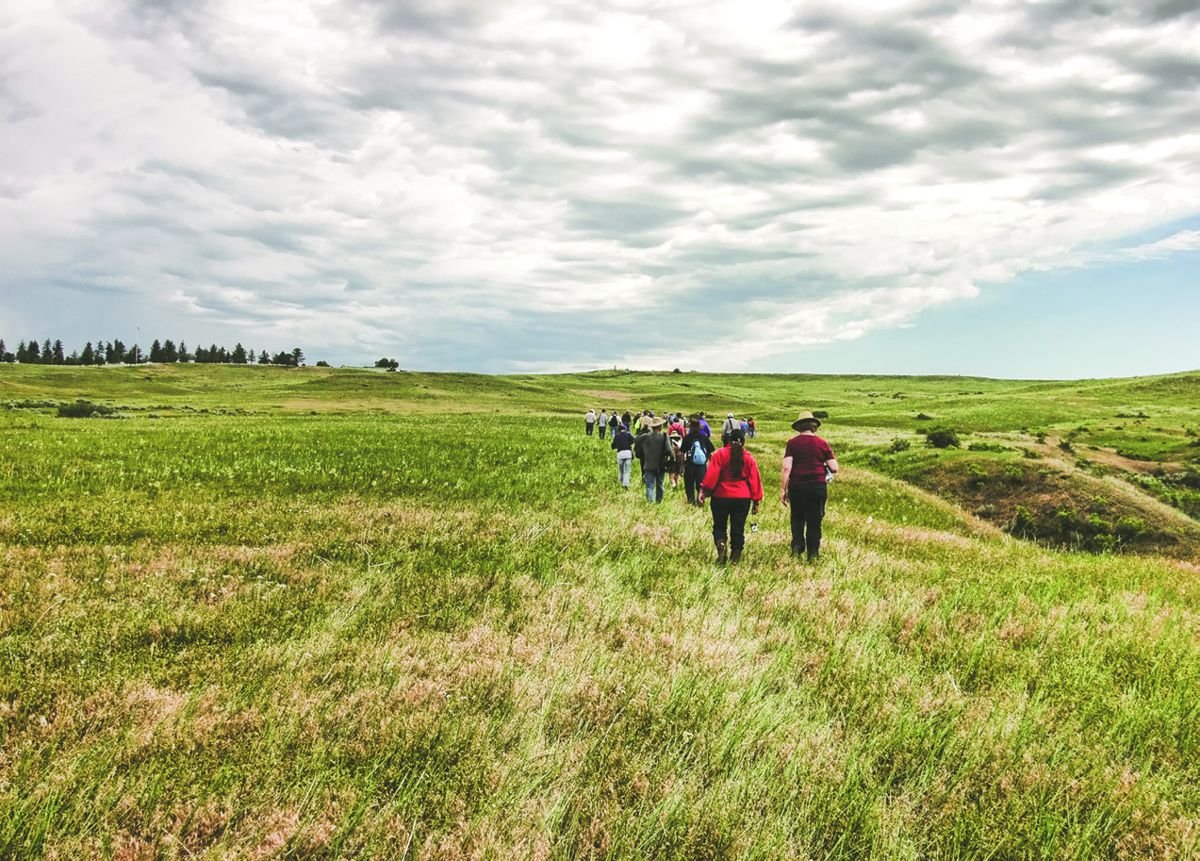
Battlefields Mean Business of the war.” The economic importance of sharing such accounts and their settings with others is undeniable, borne out in instance after instance all across the country. That is made plain in “Battlefields Mean Business,” an enlightening new look at the nature and scale of these financial and quality-of-life benefits in geographically diverse locations ranging from Virginia to Hawaii and battlefields from Gettysburg to the Little Bighorn. This report recently released by the Civil War Trust details how helping save these lands for posterity directly benefits the local communities that steward places from the Civil War, Revolutionary War, and War of 1812. These historic sites support jobs, attract visitors, create opportunities for local business, and contribute to state and local coffers. Battlefields’ benefits pack a wallop, directly affecting residents and enterprises nationwide, said Michele Archie, a principal and economic analyst at The Harbinger Consulting Group. “Battlefield tourism is better known in Europe, where people take guided tours to commemorative sites from two world wars, but is also vibrant in the United States,” Archie said. “American battlefield sites deliver a major economic boost, and our findings clearly prove that.” At the Trust’s request, Harbinger reviewed academic research and survey data, analyzed trends, crunched numbers, interviewed residents, and collected anecdotes to determine how Civil War and other battlefields affect local economies across the country. Subtitled “Economic Benefits of Battlefield Preservation,” its study highlights more than 20 battlefield parks from the Revolutionary War, War of 1812, Indian Wars, Mexican War, Civil War, and World War II, examining 10 of them in depth. Nationally, Harbinger’s report finds that one in three out-oftown guests to battlefield communities said seeing the battlefield park was their main reason for traveling to the area. Further, the study revealed the extent of cultural tourism’s economic benefits in such places. The study’s 10 focal battlefields hosted 9.7 million visitors in 2015. Tourism at the 10 sites generated $569 million in sales for local communities, supported nearly 6,800 local jobs, and added $15 million in state and local tax revenue. In Virginia, prior research by other analysts determined that Civil War sites attract visitors who stay longer and spend more than average tourists. Of the Old Dominion’s nearly $23 billion in economic activity from tourism in 2016, a third—about $7.7 billion—was spent by heritage tourists, with 105,000 jobs attributed to that sector, according to the Virginia Tourism Corp. and a recent study by Virginia Commonwealth University. “From April to September, visitors are here primarily for the battlefields,” John Mitchell, owner of Fredericksburg’s Made in Virginia Store, told Archie. “We help them make a personal connection with the Civil War.” From my own travels, I know that heritage tourism is a prosperous business. It focuses national attention on towns and counties and delivers dollars to localities without requiring more spending for schools, housing, and infrastructure. Preservation efforts are key to growing that economic impact. The more travelers have to see and do, the longer they will stay in a historic community, increasing the economic footprint of their visit. “Battlefields Mean Business” demonstrates that when more land is preserved, the more powerful an economic engine such sites can become. These storied sites are unique and vital resources. In Crow Agency, Montana, for instance, battlefield history equals jobs in an area with high unemployment and poverty. Annually, multi-day reenactments of the Battle of Little Bighorn draw thousands of visitors and living historians to the land. “Preservation of the Little Bighorn battlefield … provides historical context that those interested in this important chapter of the American story cannot find anywhere else,” said Denice Swanke, former superintendent of Little Bighorn Battlefield National Monument. In Virginia, where more Civil War battles were waged than in any other state, more than 3.4 million people attended local events held for the war’s 150th anniversary, a four-year affair. Richmond National Battlefield Park, located in and around Virginia’s capital, has grown from 754 acres in 1996 to roughly 3,700 acres today. The additional land, and the multi-faceted tales it tells, has transformed this special place from a “windshield park” to a more interactive, dynamic destination that attracts and interests many more people, said Dave Ruth, the park’s newly retired superintendent. Preservation has helped make Richmond a bigger draw for tourism, doubling the park’s visitation from 78,000 in 1996 to 184,000 in 2015, the report states. In Tennessee, where the local preservation community and the Civil War Trust have partnered to reclaim urbanized battlefields from modern strip centers and other development, visitation has likewise grown briskly. Franklin, not far from Nashville, is the scene of a doomed Confederate assault that was larger, longer, and deadlier than Pickett’s Charge at Gettysburg. Nashville hotel concierges now urge their guests to visit Franklin and its battlefield. In a decade, such teamwork with the nonprofit Battle of Franklin Trust has doubled visitation to the community. In Hawaii, four sites collaborate to tell a more fulsome story of the Battle of Pearl Harbor than one can by itself. Branding themselves as the Pearl Harbor Historic Sites, they reap the benefit of encouraging visitors to branch out and linger longer. The National Park Service visitor center sells tickets to all the sites; the Historic District sold $1 million in visitor passports in six months. At World War II Valor in the Pacific National Monument, for every dollar the federal government invests in the park’s operating budget, visitation produces $46 in sales at local businesses. The scenic, instructive landscapes and authentic stories preserved in Franklin, Richmond, Gettysburg, Pearl Harbor, Little Bighorn, and their kin offer (Rob Shenk) Independence. (Glenn De Cesare) (Lynn Light Heller) lessons about what makes battlefields distinctive among visitor attractions, “Battlefields Mean Business” explains. To enhance the gains from battlefield tourism, the report suggests finding new ways to engage visitors; collaborating with other sites; commemorating historic events and anniversaries; and preserving the historic landscape. At Cowpens National Battlefield in South Carolina, and in Baltimore, Maryland, which markets Fort McHenry, home of “The Star-Spangled Banner,” special programs and annual events increase visits to these important sites of the Revolutionary War and the War of 1812. For many such memorable places, itineraries for historyminded travelers can be found at Civilwar.org, together with links to some of the Trust’s local partners, their public events—and the “Battlefields Mean Business” report in full. The sites detailed in the report include Colonial National Historical Park, Fort McHenry National Monument and Historic Shrine, Fredericksburg and Spotsylvania National Military Park, Gettysburg National Military Park, Little Bighorn Battlefield National Monument, Minute Man National Historical Park, Richmond National Battlefield Park, Vicksburg
Jason Morrison holds the U.S. flag during a Civil War reenactment on the Nash Farm battlefield near Hampton, Ga. A Civil War Trust photo contest winner, this image is on the cover of the Trust’s Battlefields Mean Business report. (Bob Reece) National Military Park, Wilson’s Creek National Battlefield, and World War II Valor in the Pacific National Monument. The Civil War Trust is a national nonprofit land preservation organization devoted to the protection of America’s hallowed battlegrounds. It saves the battlefields of the Civil War, the Revolutionary War, and War of 1812, and educates the public about their importance in forging the nation we are today. The Trust has preserved 48,000 acres of battlefield land in 24 states. For a copy of the “Battlefields Mean Business” report, please visit http://bit.ly/battlebiz or go to Civilwar.org. James Lighthizer has served as president of the Civil War Trust since 1999. Previously, he was Maryland’s secretary of transportation, executive of Anne Arundel County, Md., and a state legislator.