Revaluating a Confederate Sword
By Shannon Pritchard · Originally published December 2018 · pp. 10–11
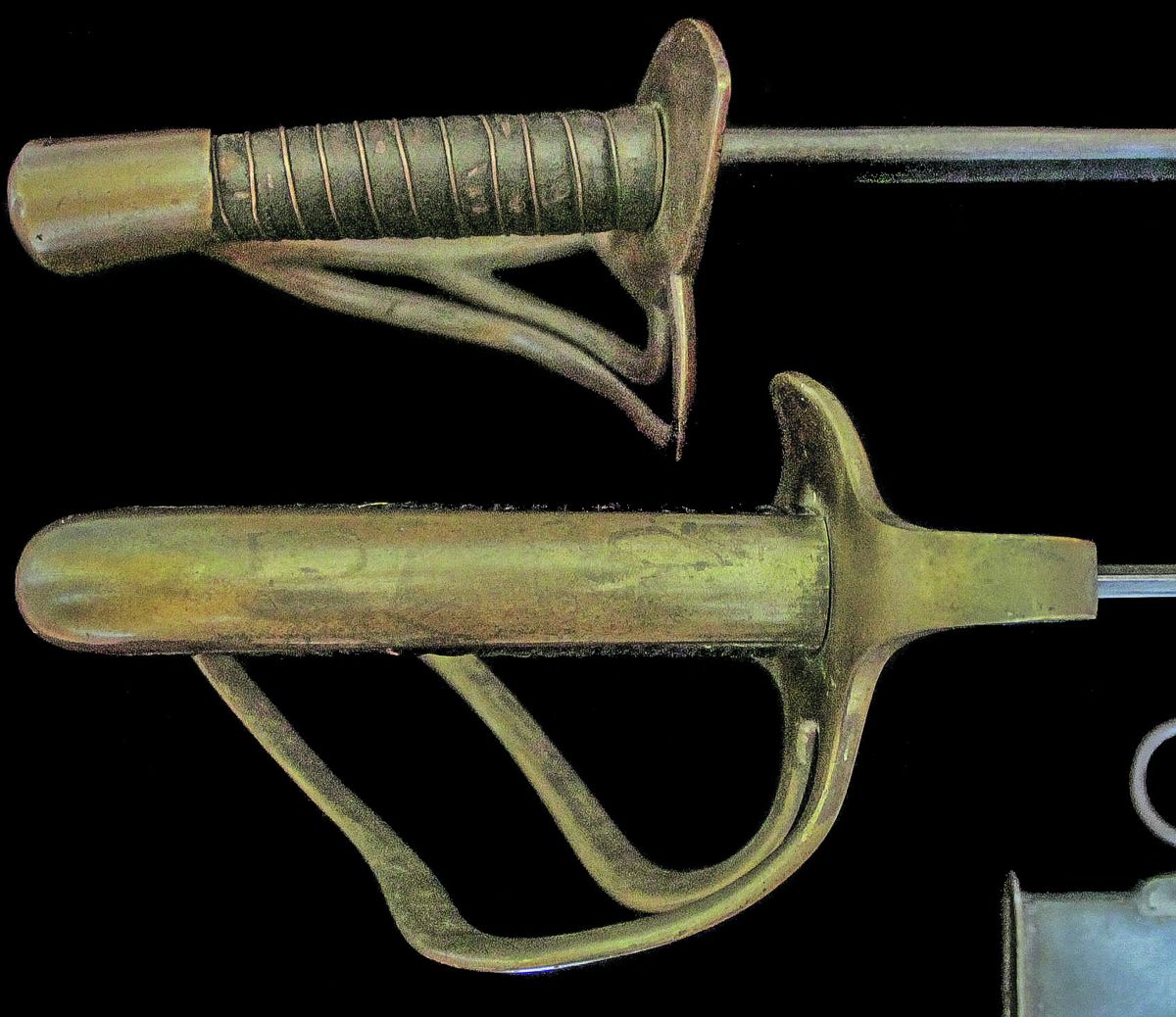
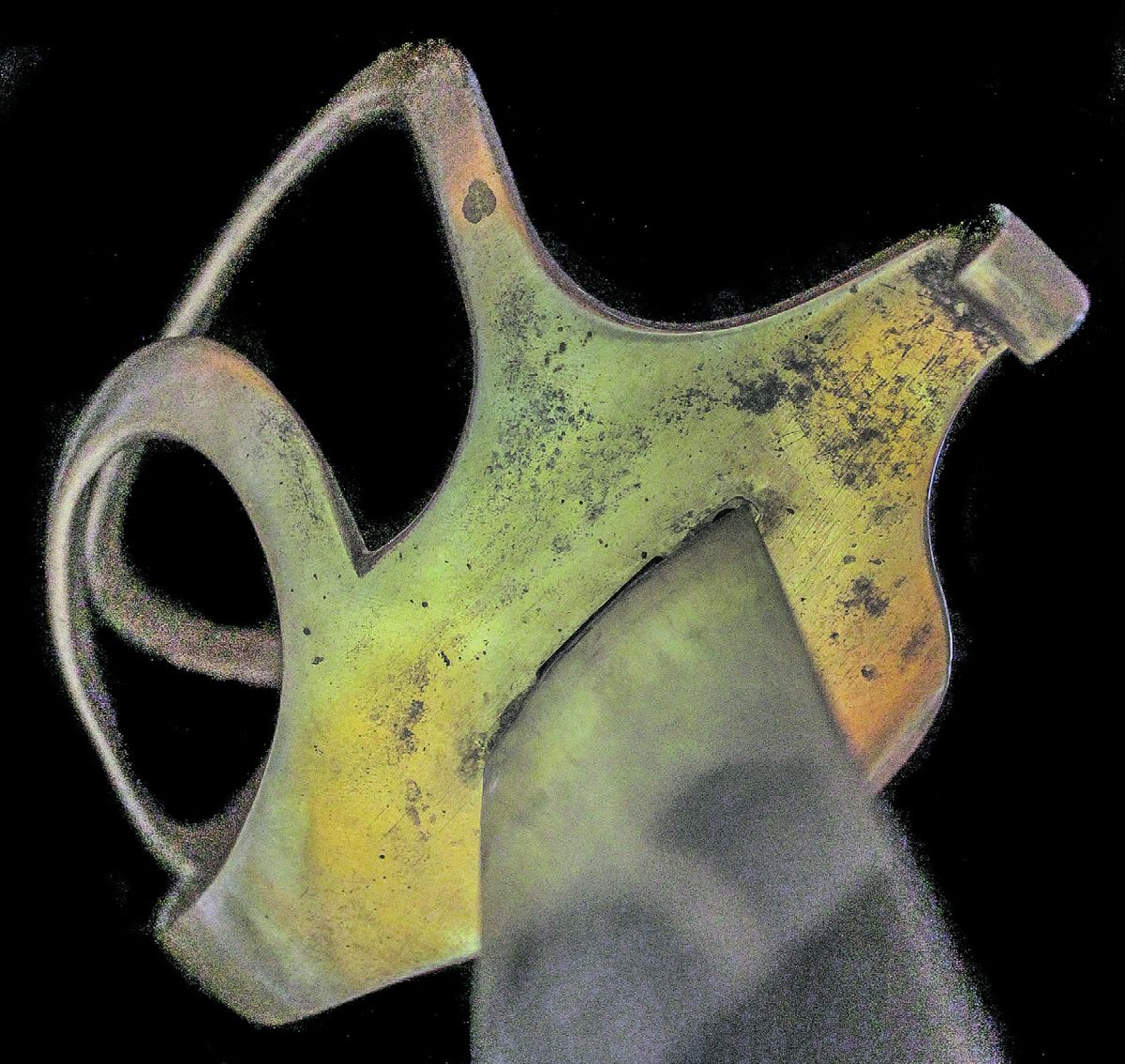
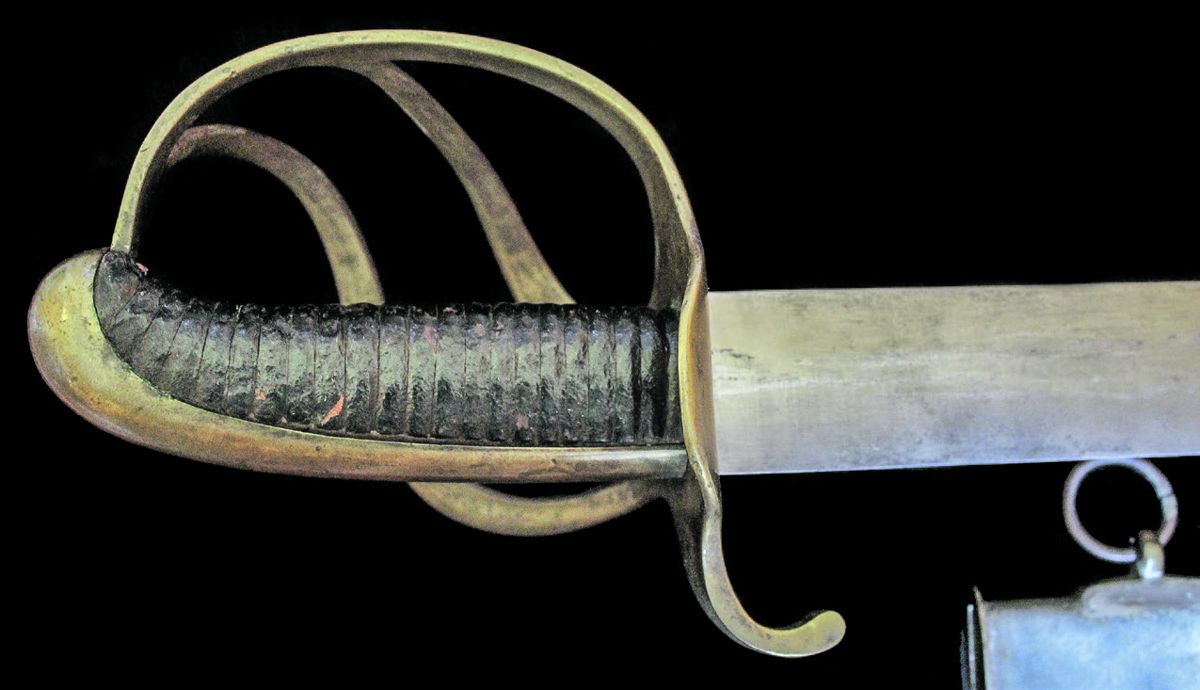
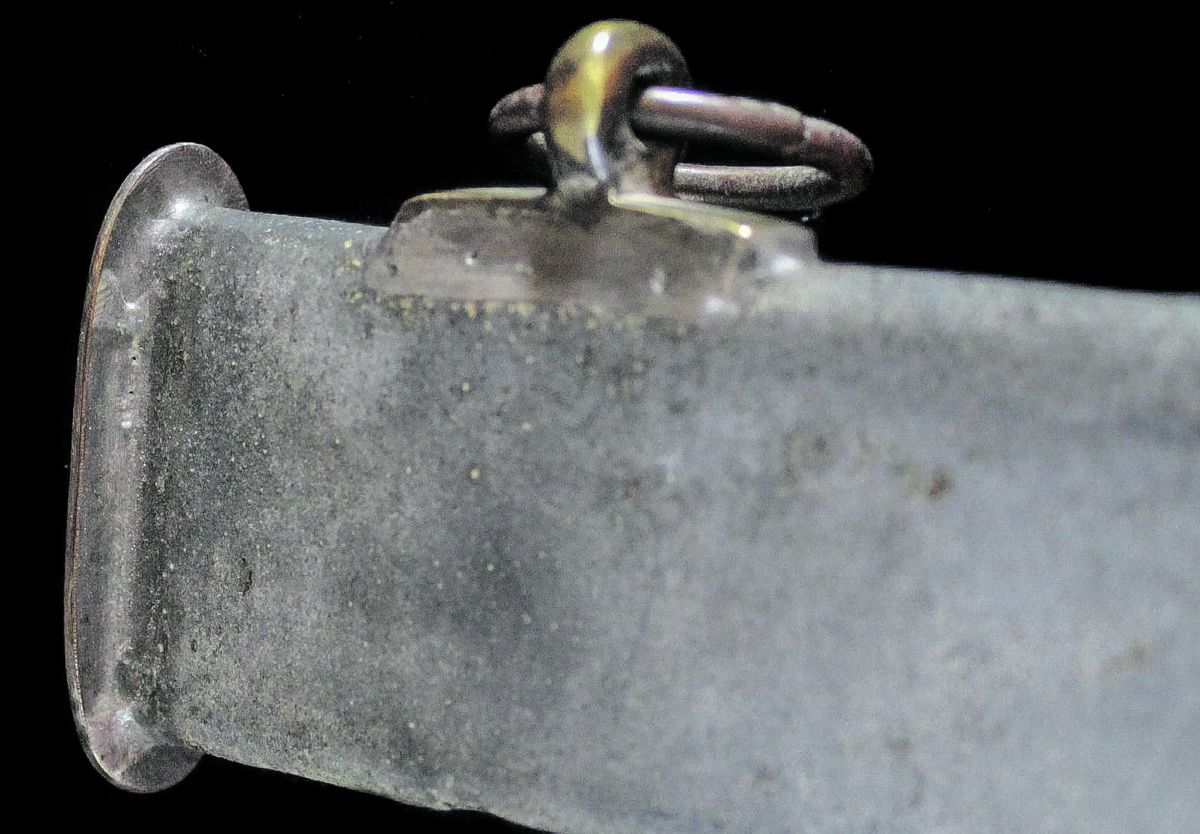
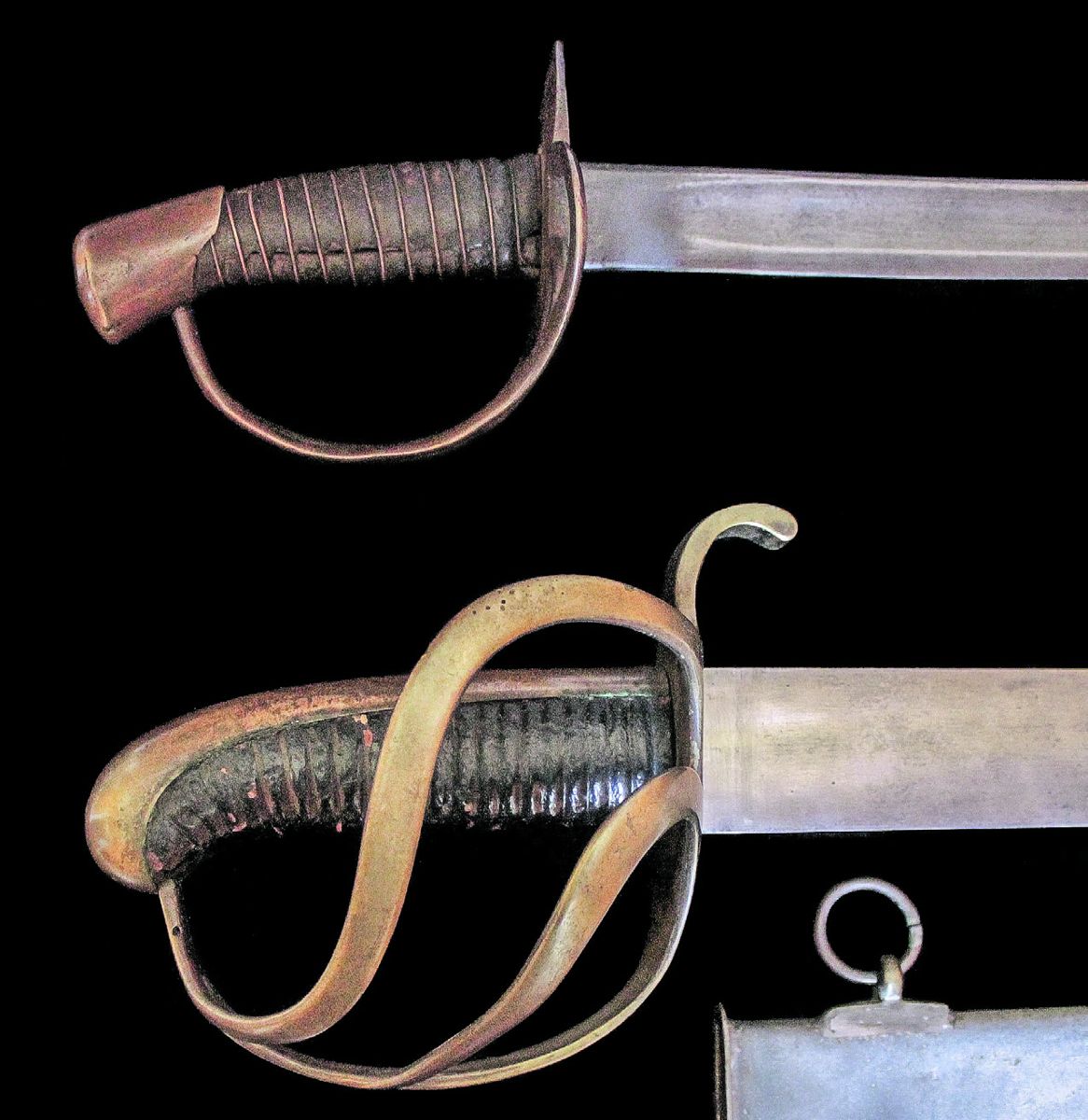
William Albaugh III is universally recognized as the father of Confederate sword collecting. His research and writings in the nineteen fifties and sixties presented the first scholarly attempt at identifying Confederate sword makers and their swords. This sword was part of Albaugh’s personal collection and is shown on page 80 of his 1960 Confederate Edged Weapons and again on page 125 in his 1963 A Photographic Supplement of Confederate Swords. In both works Mr. Albaugh implies his belief that this sword is a product of Thomas Leech & Company by comparing the similarities to “a similar sword is in the Battle Abbey Collection that is stamped Memphis Novelty Works, Thos. Leech & Co.” However, with further attention I find that the example in the Battle Abbey Collection is the standard Leech & Rigdon double edged cavalry officer’s sword. The only similarity between the two is that they both have double edged blades, but even those are different shapes. Perhaps Mr. Albaugh had seen additional evidence that this was a Leech and Rigdon product, however I would assume that in publishing one’s evidence for it being so, one would publish the most convincing evidence attainable. I think a much better case can be made for it having been made by Sharp and Hamilton. Prior to the War, Messrs. Sharp and Hamilton made plows, operating as the Nashville Plow Works. With the coming of war the Plow Works began making edged weapons for sale to the Confederacy and even other military suppliers such as L.T. Cunningham of College Hill, Tenn. Their later cavalry officer’s swords were marked Nashville Plow Works rather than Sharp and Hamilton. Only a few cavalry swords with the distinct Sharp and Hamilton guard are known to exist and these are virtually always unmarked, though there are at least a couple of exceptions. I believe the marked examples were samples. I have included images of a known Sharp and Hamilton sword with the images of this sword, so you can do your own comparison. Sharp and Hamilton were mass producing swords by October 1861, and produced 299 during the month. These were almost certainly the Nashville Plow Works swords with the brass backstrap. I have searched for additional information without success, and
Full length of the massive early war cavalry sword with its original tin scabbard. Underside and quillon of earliest Sharp & Hamilton sabre. This was made in the same time frame as the sword under discussion. if anyone has any to add to this, I would welcome all pertinent information. The sword is unquestionably of Confederate manufacture as determined by the poor casting and finish of the guard and backstrap, the use of a single strand of very, very small diameter wire for the grip wrap, now missing. Also, the forging flaws and rough finish of the unstopped blade, and last by its original tin scabbard. I can also determine that it was made no later than the fall of 1861, by which time all had learned that they were not going on a Sunday picnic, where flimsy
Shannon Pritchard has authored numerous articles relating to the authentication, care and conservation of Confederate antiques, including several cover articles and is the author of the definitive work on Confederate collectibles, the widely acclaimed Collecting the Confederacy, Artifacts and Antiques from the War Between the States, and is co-author of Confederate Faces in Color.