
Appraisals
By John Sexton · Originally published December 2018 · pp. 32–33
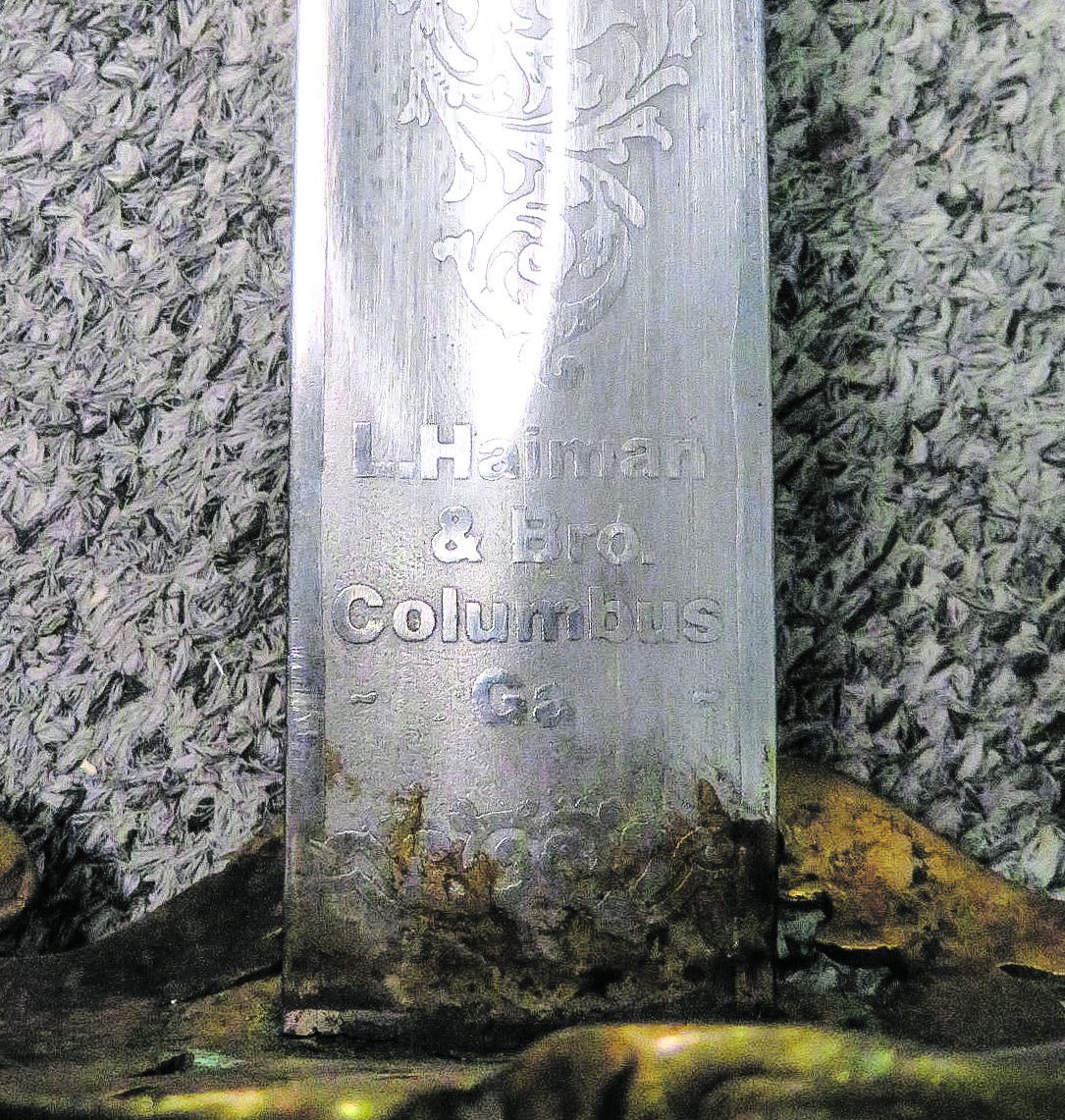
Question: Why should someone hire an appraiser to evaluate or authenticate Civil War memorabilia? What does an appraisal of a Civil War relic entail? What laws apply to appraisals? Are verbal appraisals really appraisals? There are various reasons you might have Civil War items evaluated. Collectors, dealers, auction houses, and others routinely evaluate Civil War items with different purposes in mind. A certified or accredited appraiser must qualify the evaluation and follow “USPAP”. USPAP is the “Uniform Standards of Professional Appraisal Practice” authorized by Congress as the source of appraisal standards and appraiser qualifications. This ensures appraisers to comply to a much higher standard as they must certify their opinions. Even when performing verbal appraisals, an appraiser is required to keep a workfile with enough information to write an appraisal report. Federal law provides civil and criminal penalties for appraisers providing false evaluations on federal tax related appraisals that conclude improper value or fraudulent appraisals. The most pressing matter in evaluation is identifying the item accurately and exercising due diligence to ascertain whether an object is as represented and whether it is original and authentic. For over 20 years I have facilitated a presentation entitled “Fake, Fantasy, and Fraud in Civil War Collectibles.” It was first presented at the International Society of Appraisers annual conference when it met in Atlanta. At this first presentation, I displayed 20 numbered artifacts including three Confederate revolvers, swords, bowie knives, and other relics. I asked other appraisers who attended my lecture to give their opinion as to which objects were real and which objects were fake. Most participants could find nothing they could state was a fake, but indeed, everything I brought was fake. It’s quite difficult for even seasoned professional appraisers who are not specialists in this genre to competently authenticate such items. Appraisers are asked to provide a value, quite often based on “readily apparent identity,” which often just assumes authenticity with no due diligence. The standard today is much higher, and appraisers must use “due diligence” to ascertain identity and authenticity. In my opinion, this is one of the most prevalent and pressing concerns in the Civil War market. I regularly attend most major auctions having Civil War objects and review numerous on-line catalogs to provide vetting services for objects clients might consider buying. Most collectors want to be assured that what they are purchasing is authentic and has the correct corresponding range of value. Authenticity is often assumed by many collectors based on dealer or auction descriptions. Items with inscriptions without provenance should be thoroughly vetted by a professional if the collector is not personally an expert. Provenance greatly bolsters claims of an object’s authenticity. Unfortunately, forgers often rely on the forgery itself to dissuade or discourage any need for researching true provenance. This is why a complete chain of custody or distinguished ownership history will have a positive impact on the value of a Civil War gun, sword, or any piece of art. This is true regardless of any signature, engraving, or maker’s mark found on the item. The absence of well researched provenance may raise questions about the authenticity of that item. Stolen items without clear title need to be researched. It is not uncommon for items to be seized from an auction or dealer when that title was not researched. As an appraiser, my concerns to authenticate are: • • • • • •
What is the object? What issues does it present? Attribution? Authenticity? History, Context, Provenance? Condition?
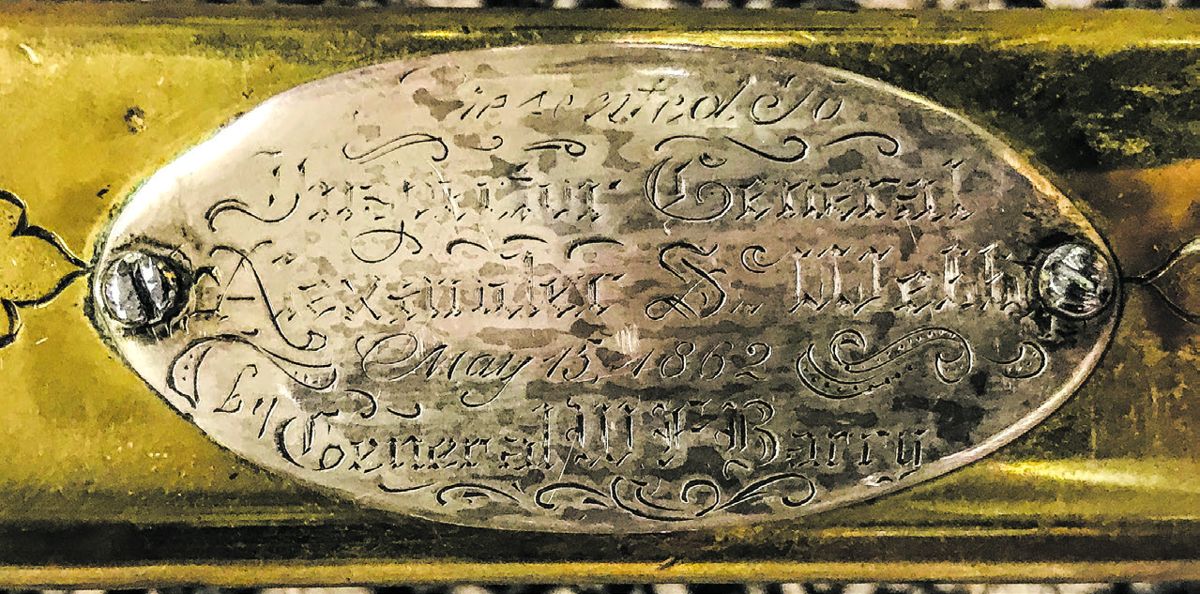
• Stolen, Illegally Imported? • Protected Species Materials as an ivory grip or inlay on a sword or firearm must be certifiable antique for commercial federal sale. No restoration to the ivory, except in very special cases, will make the object illegal to sell in interstate commerce. • Competence, my expertise in particular genre • Due Diligence • Degree of Certainty, or Uncertainty • Chain of Title • Exhibition • Ownership history—Did top collectors own this or has it been on or off market for many years. Is it new to the market with no record of provenance? That is red flag and most good fakes and forgeries come to market that way. If a fabulous inscribed sword of common pattern comes out of a flea market, that’s a red flag. There are many good hand engravers who can put anything on a piece of metal and age it. Many of these forgeries are known in collector’s community but they still surface in dealer and auction sales. Most are sold by honest well-intentioned dealers or auctions. You will not get a warranty from most auctions and only have a short return privilege if any. Top dealers will guarantee the object, but it should be your due diligence as a collector to have the item vetted prior to purchase so these problems will not arise. • Documents & Representations • Forged Documents and Misrepresentations. So often the only provenance offered is un-substantiated oral history. That should be a red flag and should be investigated. Forged documents are not uncommon. In my appraisal practice, I have seen many very expensive firearms, swords, and knives sold with the most amazing forged documentation that often lists the firearm by serial number with incredible stories. Often the documents will refer to institutional collections or displays such as loan agreements that never existed when investigated. The documents should be vetted by an expert along with the object. A recent Sept. 23, 2018 article in the New York Times by Julia Jacobs brings to the public the question of authenticity of Abraham Lincoln’s stove top hat that was purchased for $6,500,000 in 2007. Experts and even an FBI report cast doubt on its authenticity. “Because Lincoln is such a revered historical figure, the public deserves full transparency about his possessions, said Frank J. Williams, a prominent collector of Lincoln artifacts and a former chief justice of Rhode Island’s Supreme Court. Justice Williams said he worried that a controversy over an alleged Lincoln artifact could raise questions about the authenticity of other Civil War-era relics.” Authenticity is strictly an opinion of originality; it is not uncommon to get conflicting opinions. The best and most valuable objects in a genre, more likely than not, will have a consensus of opinion about originality or authenticity. In the art world committees that authenticate particular artists are becoming more and more a thing of the past as litigation against these generally nonprofit committees has caused many to close. Therefore, appraisers fill these voids with unbiased and qualified opinion. In my appraisal practice, I have been threatened with lawsuit occasionally over qualified written opinions when expensive items sold have been found not to be authentic. For that reason, it is wise for prospective buyers of expensive Civil War objects to obtain authentication reports by an objective appraiser or third-party expert. Issues that could be brought to light in an appraisal report could be hidden condition issues including undisclosed restorations and opinion of possible fakery or fraud. Sometimes there is no provenance or history whatsoever, especially when items found in a flea market or estate sale are of unknown origin. Connoisseurship by experts in that field, such as authorities on the subject or top collectors and appraisers, can give opinions. In my appraisal practice, I often seek other opinions, especially when there is some degree of doubt. Regardless, due diligence must be performed in identifying and authenticating a valuable Civil War sword, firearm, uniform, flag, manuscript, or any other object. Fakery in the antique arms industry is rampant just like in art. Art buyers at the top levels expect provenance. Civil War antiques should also be vetted, and provenance given. It is so often that items coming to market have no disclosed collector history or provenance and due diligence among some buyers is lacking. Inscribed swords and firearms with little intrinsic value as a sword or revolver can bring huge premiums if associated with a heroic figure, note the $200 “general antique stovetop hat” or “Lincoln’s stovetop hat” bringing six and half million dollars. There are many Civil War swords, revolvers, and other objects that are from the era, but with added inscriptions that are not contemporary to the war, some are commemorative, but most are fake. This should be a red flag for collectors when they see an object of low intrinsic value associated with a notable or heroic figure with no provenance, just the dealer or auction stating it is real “because I said so.” The legal term “ipse dixit” is defined by the Merriam-Webster Dictionary as “an assertion made but not proved”. Collins English Dictionary “an arbitrary and unsupported assertion” It is derived from the Latin “he himself said it”, meaning that the only proof pursued or not. Read the terms of the assertion is that this person of most every auction house said it. It is defined by Black’s selling Civil War objects and Law Dictionary as “He himself see the warranty of sale; there is said it; a bare assertion resting on generally no warranty as to genuthe authority of an individual with ineness, authenticity, or even the no qualification. Professional catalog description. All the major auction houses who regularly Appraisers qualify opinions. Professional appraisers un- deal with Civil War material are derstand fully half of all art on professional and honest and vet market is fake, fraudulent, or their materials to the best their misrepresented and this is a staff can provide, but auctions conservative estimate according are not authenticators, they are to some published reports. “The auctioneers. There is nothing wrong with entire art crime industry worldwide is a $6 billion endeavor,” conservation or restoration to any says Robert Wittman, founder of antique object including Civil the FBI Art Crime Team. “The War guns, swords, relics, and biggest part of the art crime in- textiles. Conservation reports and dustry worldwide is fraud.” The collector history are commonIRS considers valuable Civil War place in the art market and proitems as “fine art” when apprais- vided in catalog descriptions at ing for charitable contribution, auctions on most valuable items. so why don’t collectors expect Condition reports and collector the same percentage of misrep- history provided with antique resentation in valuable Civil War Civil War objects are given only a items? Buyers should expect small percentage of the time. Due transparency and a qualified ap- diligence in hiring a professional praisal report can reveal possible appraiser can often find collector misrepresentation. I vet for cli- history and provenance when not ents on many objects from deal- provided by a dealer or auction ers, collectors, or auctions; most company. Appraisers accredited or certiare original and authentic but so often I save my clients consider- fied by the three major personal able sums of money when items property appraisal organizations, have a higher standard to utilize are fake or misrepresented. Personally I have made en- “due diligence” to ascertain not emies of some dealers, collec- just identity but authenticity. I have always had a passion tors, and auction houses for my opinions of authenticity. I have for Confederate handguns; my recently been asked to not partic- adopted maternal grandfather ipate by one midwestern auction Francis Grier told me that his house for no reason given with grandfather had helped manufacno response from principals. ture revolvers in Macon, Georgia. What does this business have to Since then have always been fashide? I do not buy or sell, I only cinated and studied Confederate evaluate for clients who want to revolvers since my early days in have “peace of mind” that at least this industry. I have been very my considered opinion is that an fortunate to have had great menobject is authentic and should be tors in Confederate handguns and other Confederate objects such as Bill Albaugh, Cecil Anderson, Tom Dickey, Beverly DuBose, Bruce Kusrow, Lewis Leigh, Steve Mullinax, Bob Owens, and many, many others. Confederate revolvers have been faked since at least the 1940s when they became valuable and popular in the market. Ashley Halsey Jr. in a January 1974 American Rifleman article states: “An advanced collector of Confederate arms who keeps tabs on such things visited 3 gun shows and reported encountering no fewer than 40 faked Spiller & Burr’s.” Also reported in this article was a 1973 issue of The Georgia Arms Collector which stated, “Cecil W. Anderson, one of the most knowledgeable Confederate collectors, knew of 179 ‘good’ Griswold brass frame Confederate revolvers and 220 others ‘which are not good’. In other words, the fakes exceeded real ones by a considerable margin.” I keep records on Griswolds to date and have recorded data on about 325 Griswold revolvers now and see 2 or 3 fakes for every one original I add to data base. In my appraisal practice, especially in estates, I have evaluated collections and single objects that had been bought in good faith as original but were concluded to be fake, fraudulent, or misrepresented in some way such that the value was considerably less than if the object were original. Fakes are not new, the Romans faked Greek sculpture. Many fake antiques are sold as items that have a family history and thus don’t have any other paperwork to prove they are antique. Though family history can create a unique provenance, it must be backed up with documentation, such as a qualified appraisal report. Buyers, especially new buyers, are almost always better off selecting guns that have paperwork to prove their value, but must remember paperwork is often forged. The difference between fakes and forgeries is that fakes are undiscovered forgeries. Caveat emptor.
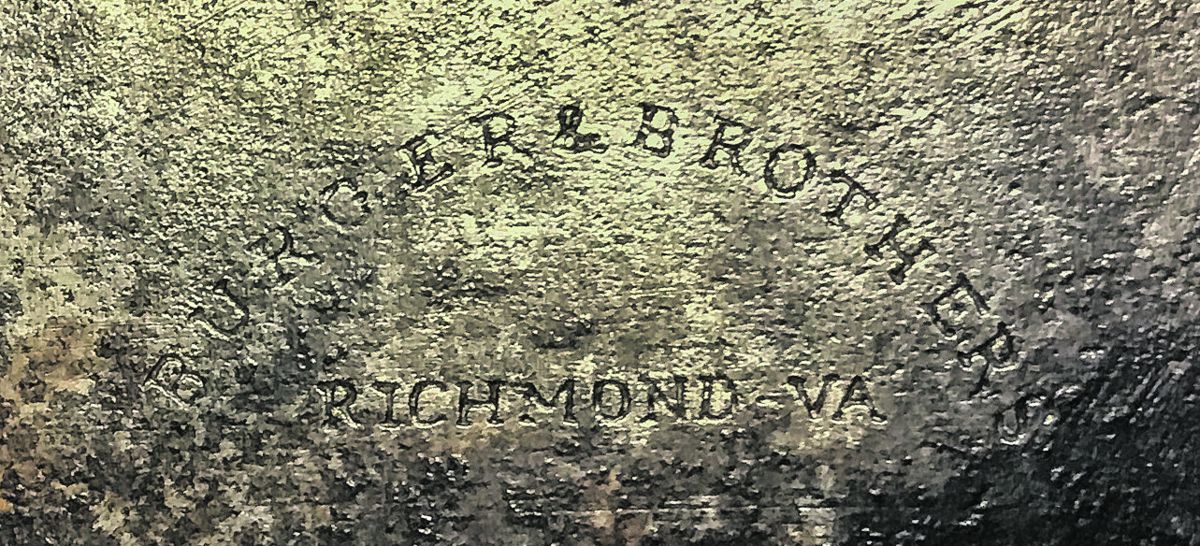
John is an certified appraiser with International Society of Appraisers specializing in Civil War memorabilia. He authenticates and evaluates other rare and valuable historic items as well. His website is www.civilwardealer.com. He is coauthor of the book Confederate Bowie Knives (2012) by Jack Melton, Josh Phillips and John Sexton, that was published by Mowbray Publishing, Inc. Send “Ask The Appraiser” questions and photographs to [email protected].