
Unprecedented Excavation of Surgeon Pit at Manassas National Battlefield Park Shows the Aftermath of Battle
By Katelyn Liming and Nathan King · Originally published August 2018 · pp. 1–5
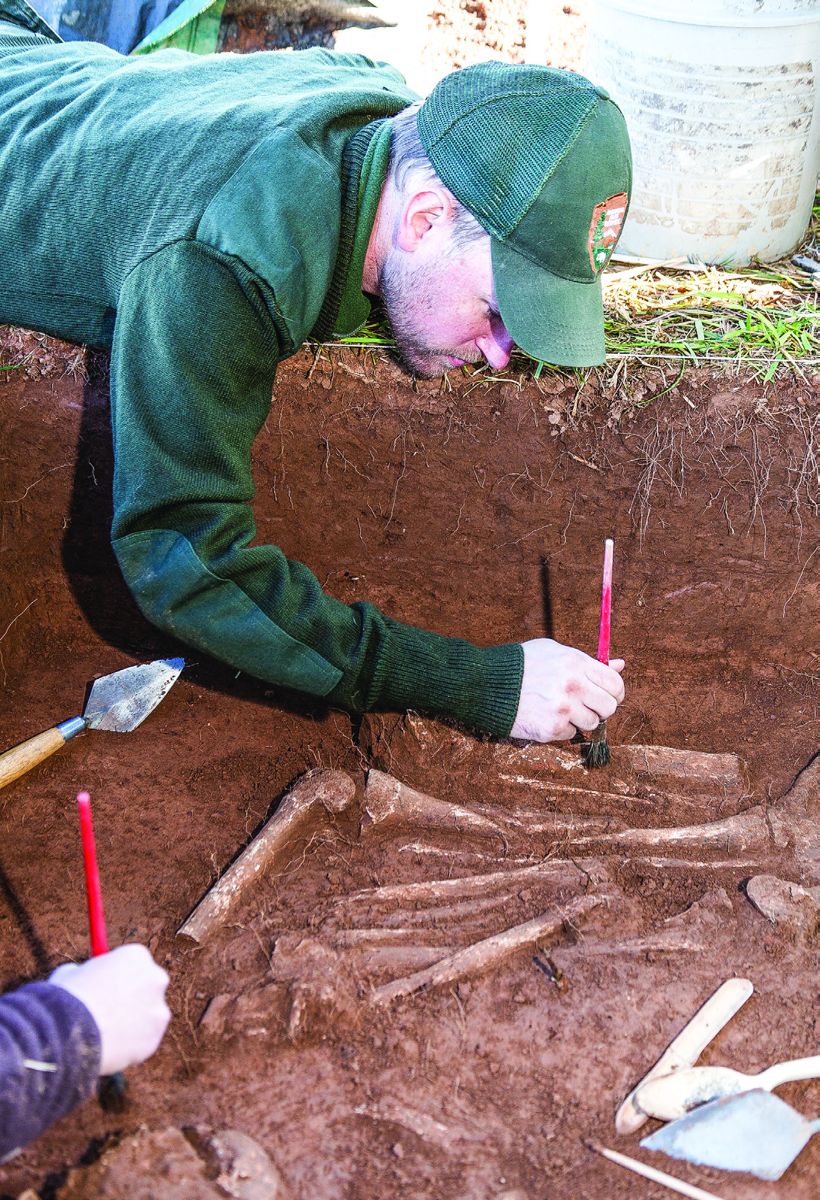
While working on a utility project in Manassas National Battlefield Park in 2014, the National Park Service stumbled upon something remarkable: a battlefield surgeon’s pit containing the remains of two Civil War soldiers and close to a dozen amputated limbs. In the following years, this site would become the first battlefield surgeon’s pit from the Civil War to be excavated and studied, and is even more unique because of the discovery of killed-in-action Civil War soldiers in the pit. “This unprecedented discovery and research sheds light on military medicine during the Civil War and personalizes the human price of war,” Manassas National Battlefield Park Superintendent
surgeon’s pit. (NPS Photo/Bradley Waldron) Brandon Bies said. “The National Park Service is honored to protect these hallowed grounds and share the stories of those who fought here.” With the discovery came more questions. Who were these soldiers? Where were they from? How did they die? With help from the scientists at the Smithsonian Institution’s National Museum of Natural History, the National Park Service was able to identify the remains as Union soldiers. They are now working with the Army to give these soldiers an honorable final resting place. This story begins in the midst of the Second Battle of Manassas near Groveton, Va. On August 30, 1862, Union and Confederate soldiers engaged in some of the most intense fighting of the war near a portion of unfinished railroad line known as the “Deep Cut.” Around 3 p.m. that day, 10,000 Federal troops crossed an open field toward Thomas “Stonewall”
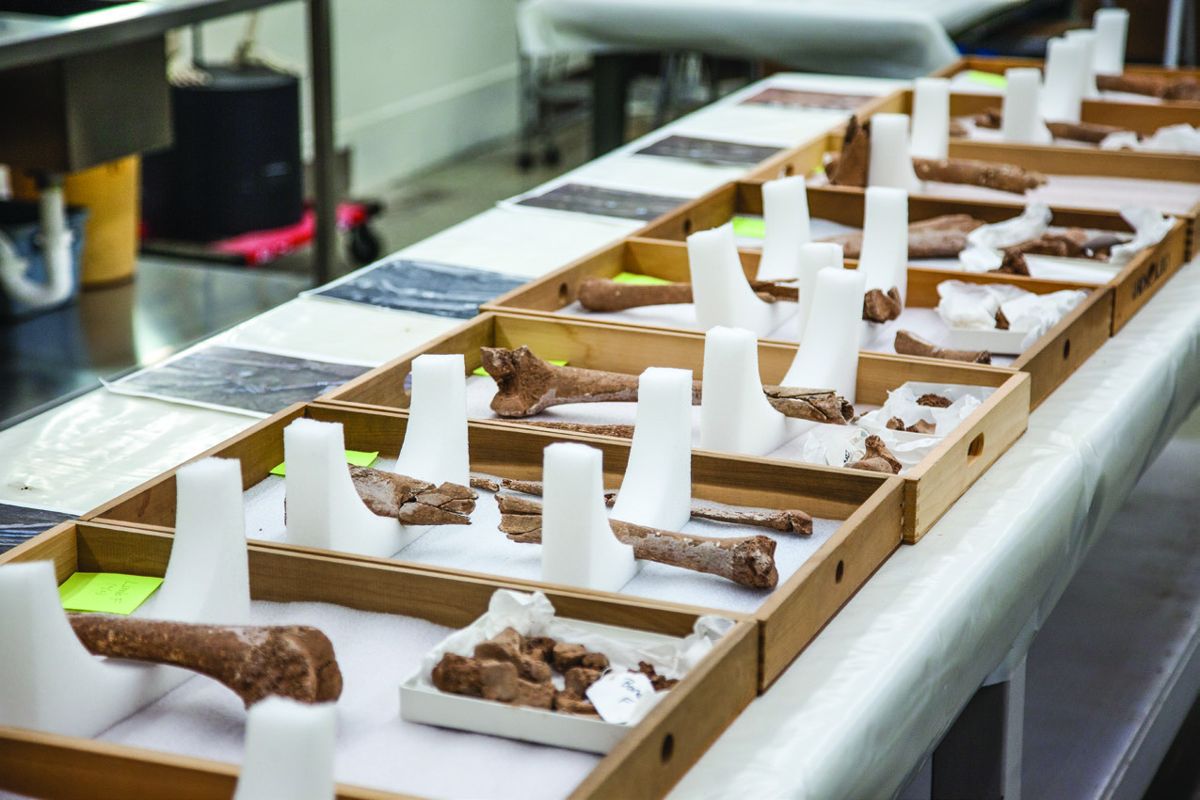
Park. (Smithsonian Institution) buckshot, and an assemblage of eleven arms and legs. The archaeologists had discovered something incredibly rare: a battlefield surgeon’s burial pit. This was a historic first; until now, no Civil War battlefield surgeon’s pit had ever been excavated and studied. To learn more about whom these bones belonged to, the National Park Service again turned to the lab at the Smithsonian to investigate. National Park Service experts worked with Douglas Owsley, Ph.D., and Kari
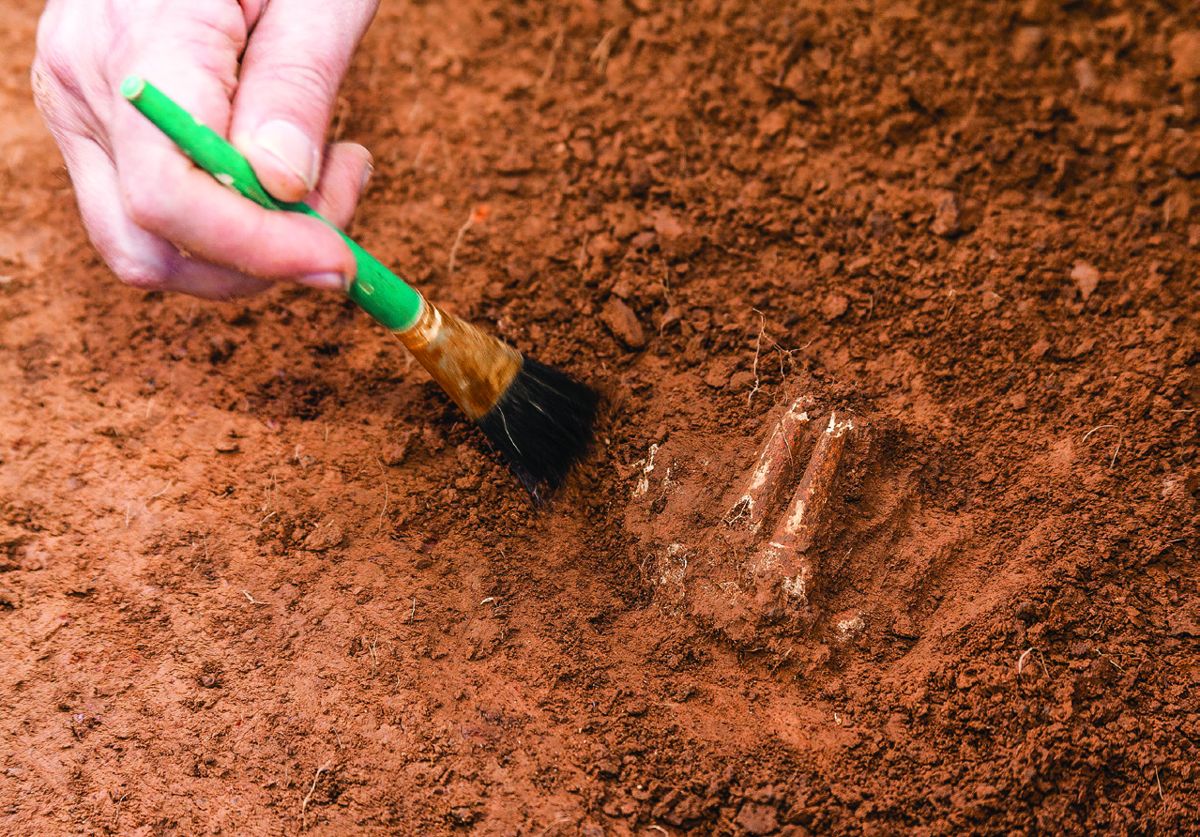
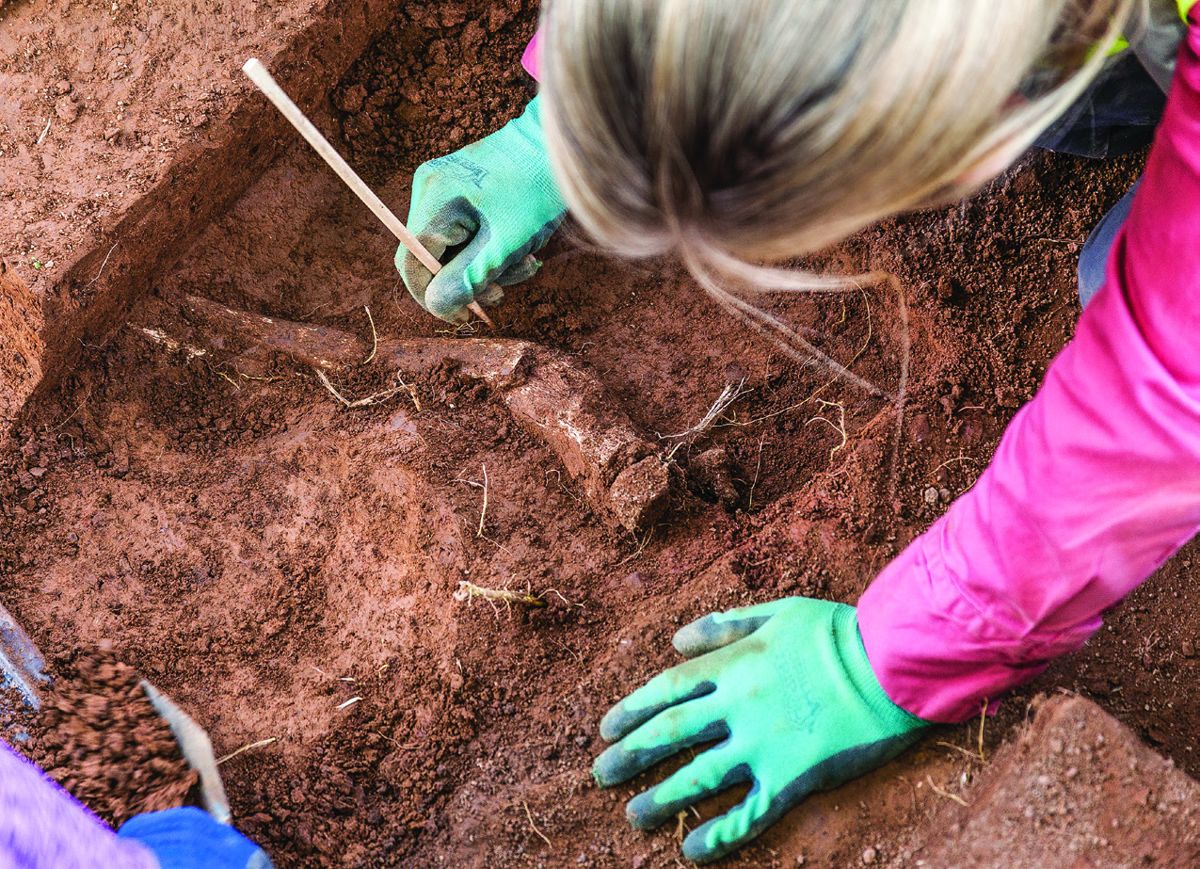
Jackson’s line and were met with a barrage of crushing artillery and infantry fire from the elevated, entrenched Confederates. The two soldiers found in the surgeon’s pit were likely among those who charged the Confederate position. Both were gravely wounded by Confederate fire. These two soldiers were brought to a nearby field hospital, where a surgeon likely determined there was little that could be done to save them. Both eventually died as a result of their injuries. Their bodies were buried intermixed with amputated limbs from other soldiers wounded in the battle, and they were lost to history. For 152 years, the grave was unknown. Then, in 2014, National Park Service unearthed several small fragments of bone. Not knowing where the bones came from, the archaeologist monitoring the work collected the samples. The National Park Service then sent them to the forensic anthropology lab at the Smithsonian Institution’s National Museum of Natural History. These scientists determined that the bones were human and showed signs of trauma. When the fragments were assembled together they revealed a limb that had clearly been amputated. This was an early indication that the bones were from a Civil War surgeon’s pit. In 2015, archaeologists removed the earth in a grid pattern, inch by inch, layer by layer. Using scientific techniques and measurements from a variety of tools, they carefully recorded the objects they found and their precise positions. Beneath the surface, they found two nearly-complete human skeletons and several artifacts including buttons from a Union uniform coat, a .577 caliber Enfield bullet, three pieces of .31 caliber lead
Bruwelheide, world renowned forensic anthropologists, to resolve these mysteries. Owsley and Bruwelheide analyzed carbon and oxygen isotopes to learn that the men were from the Northeastern United States. The forensic analysis combined with artifacts unearthed during the dig helped determine with near certainty these men were Union soldiers.
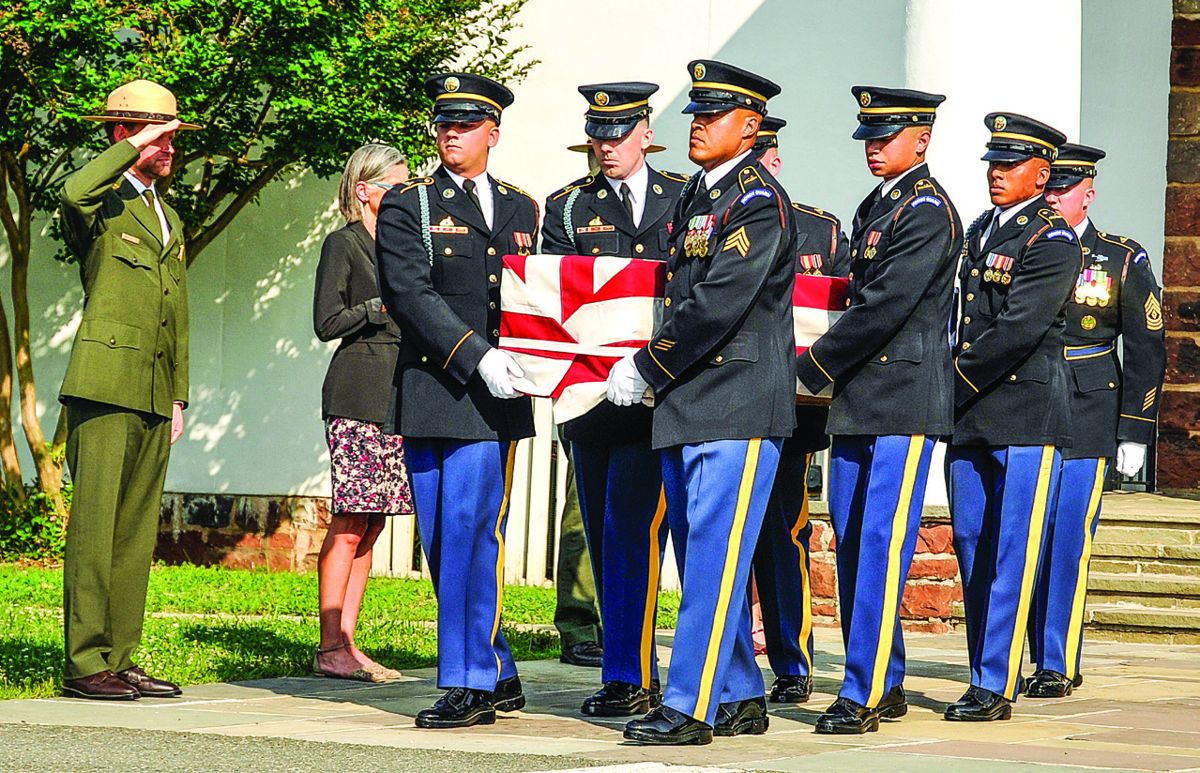
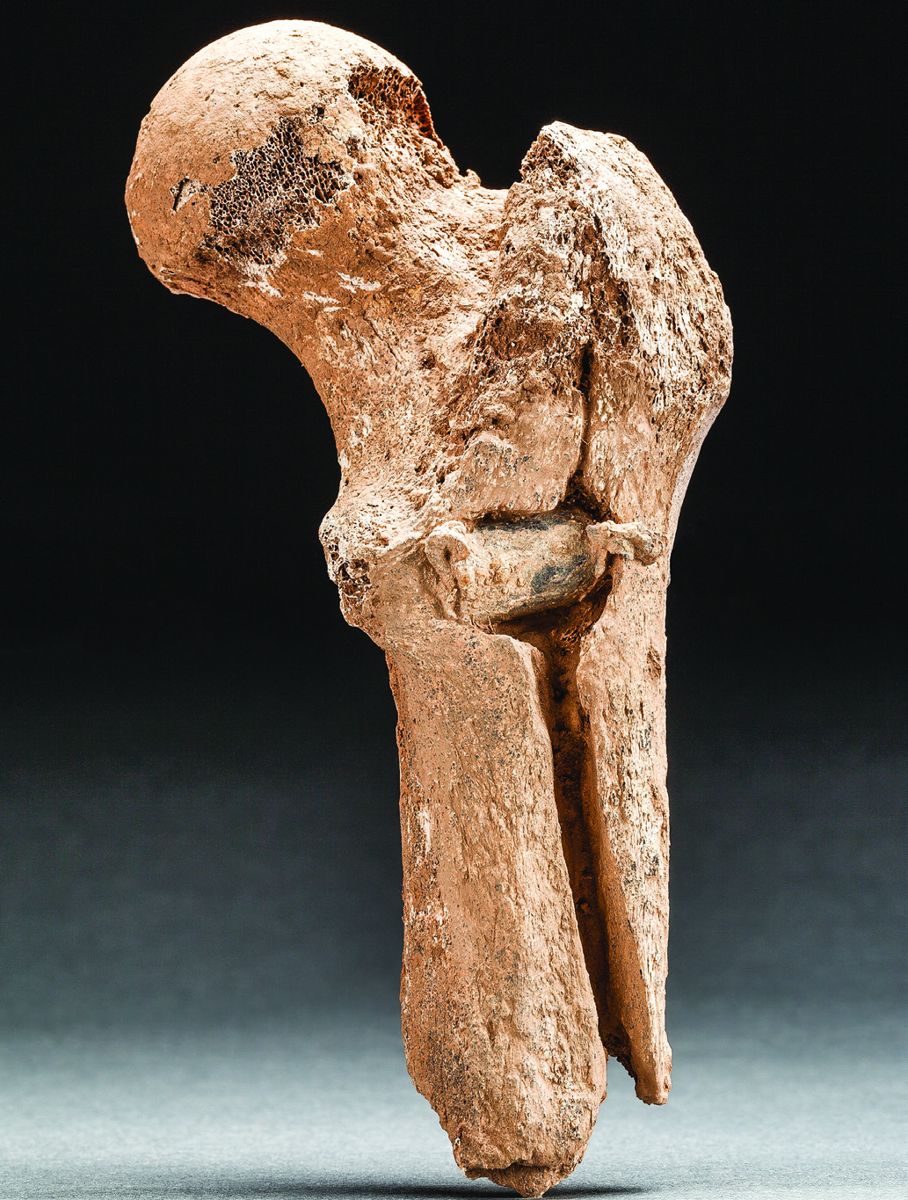
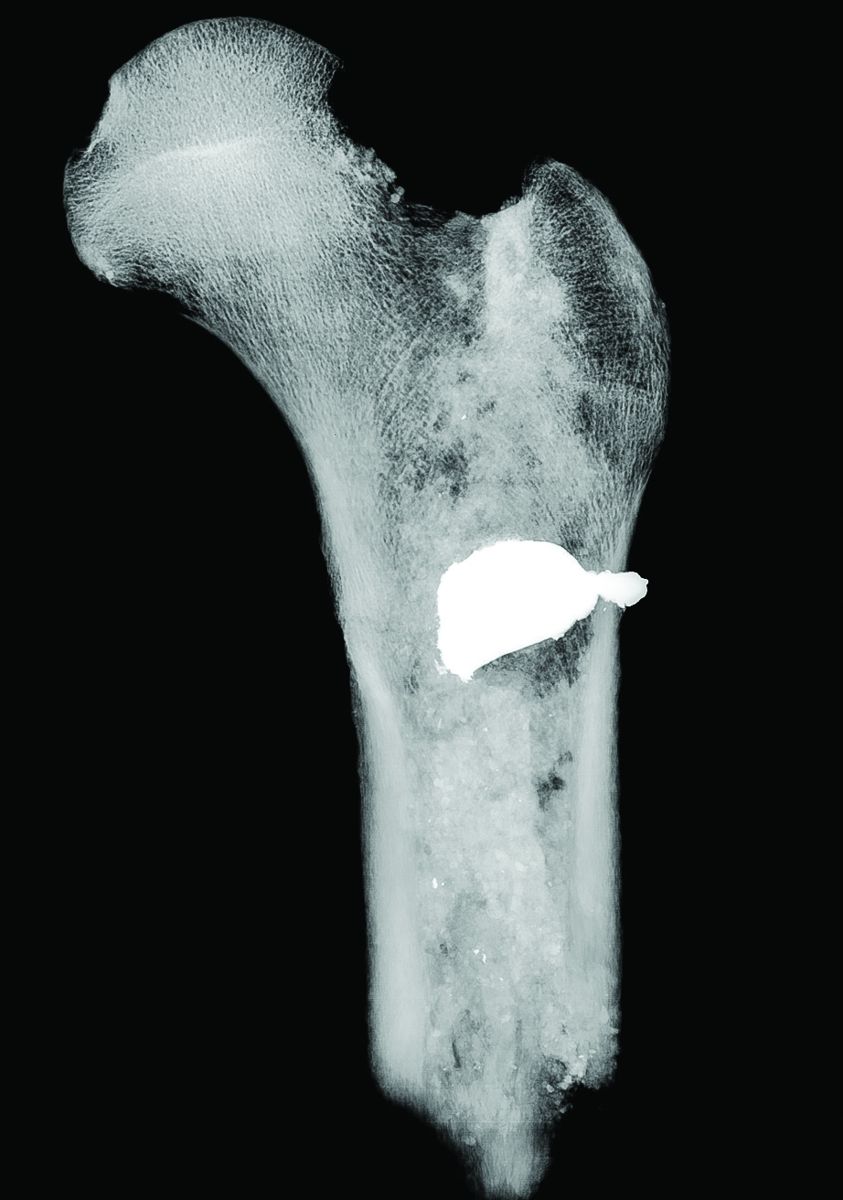
“The harrowing stories of Civil War soldiers and the surgeons who tended to them are traced in the remains and bones of these men,” Owsley said. “We’re humbled by the opportunity to give voice to their story, and we are in awe of the bravery and tenacity these men showed in the face of war.” By analyzing the teeth, joints, and bone structure of the two skeletons, scientists determined one of the soldiers was a man in his late 20’s who died as a result of injuries caused by an Enfield bullet striking his upper leg. Surprisingly, the bullet was still lodged in the man’s femur, the upper leg bone, possibly because it slowed as it passed through the man’s cartridge box. The second skeleton, estimated to be a man 30-34 years old, died as a result of a buck and ball cartridge that struck his shoulder, pelvis, and leg. The location of the four buttons from his sack coat suggested the coat had been used to immobilize his right arm. Research on the eleven limbs recovered from the surgeon’s burial pit continues. By examining the cuts, it is possible to determine the skill of the surgeon and even his physical position relative to the patient. With help from historical records, researchers believe it may be possible to match the bones with a specific surgeon and possibly even the soldier they belonged to—a truly unique discovery. “These soldiers and the amputated limbs deepen our understanding of the techniques field surgeons used to save the wounded in the midst of battle,” Bies said. “The discovery also tells us about the difficult decisions doctors faced about who could be helped and who could not.” The Army expressed interest in giving the men a permanent resting place at Arlington National Cemetery. On June 19, 2018, the
Left: An Enfield bullet embedded in the badly fractured right femur of one of the men dates the pit to the 1862 Battle of Second Manassas. (Kate D. Sherwood, Smithsonian Institution) Right: X-ray showing the position and distortion of the embedded bullet. (Smithsonian Institution) National Park Service and Arlington National Cemetery rendered honors as the remains of these two unknown Civil War Soldiers were transferred to the Army in a Dignified Transfer of Remains at Manassas National Battlefield Park. The National Park Service Honor Guard provided a color guard as the dignified transfer was conducted by the 3rd U.S. Infantry Regiment, “The Old Guard.” Dignified transfers are conducted for every U.S. military member who dies in a theater of operation while in the service of their country “Later this summer, we will have the great honor to inter these unknown Soldiers with their fellow soldiers at Arlington. They will lay to rest in our new Millennium Expansion as we commemorate their ultimate sacrifice 156 years ago at the Second Battle of Manassas,” said Karen Durham-Aguilera, executive director, Army National Military Cemeteries and Arlington National Cemetery.
They will be the first burials in the Millennium Expansion.
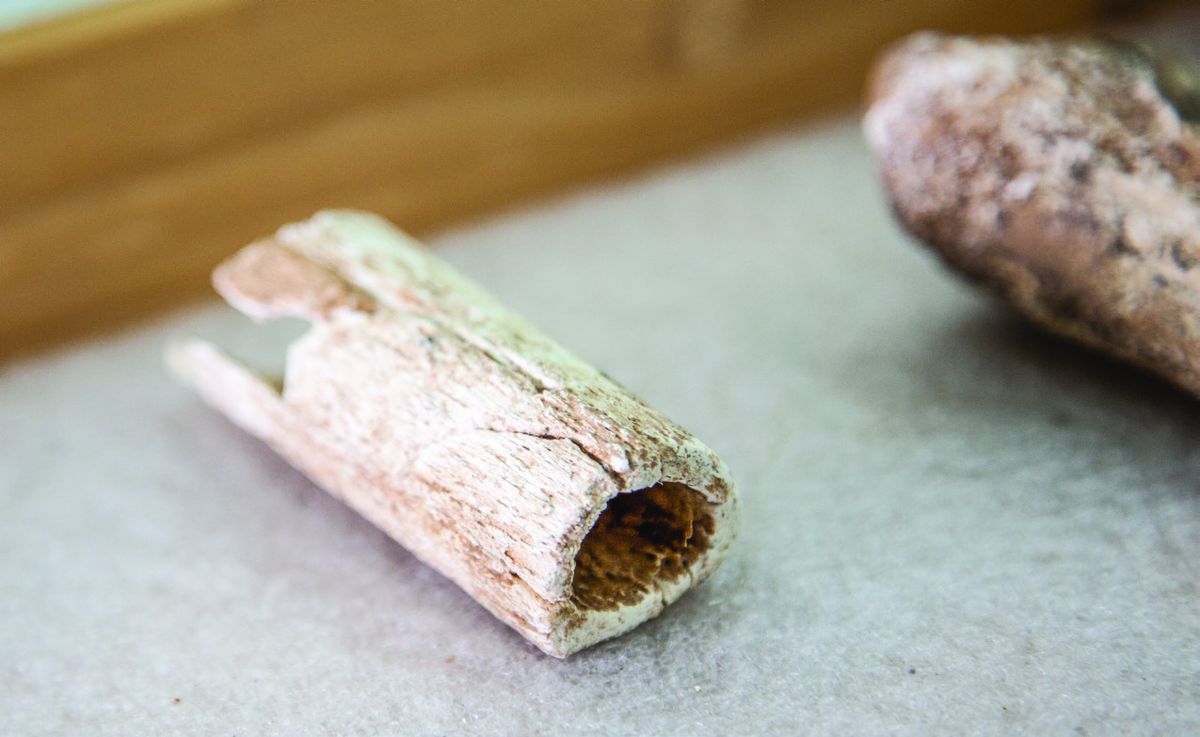
A bullet wound to the lower thigh shattered this femur and required amputation high on the leg. (Kate D. Sherwood, Smithsonian Institution) Cut marks on the amputated surface help determine the position of the leg during the operation, the number of saw strokes, and the speed and skill of the surgeon. (Kate D. Sherwood, Smithsonian Institution)
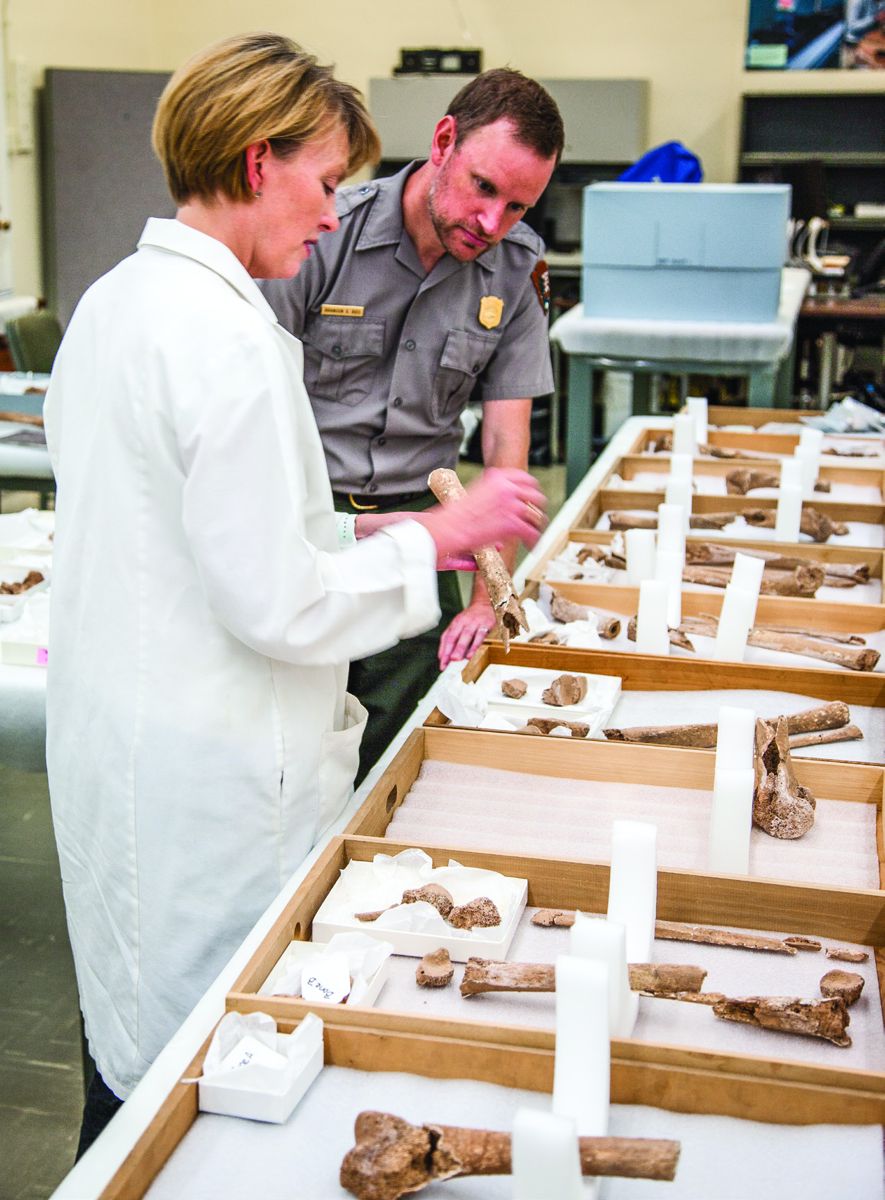
Reconstruction of the amputated limb showing the bullet entrance wound. (Kate D. Sherwood, Smithsonian Institution)
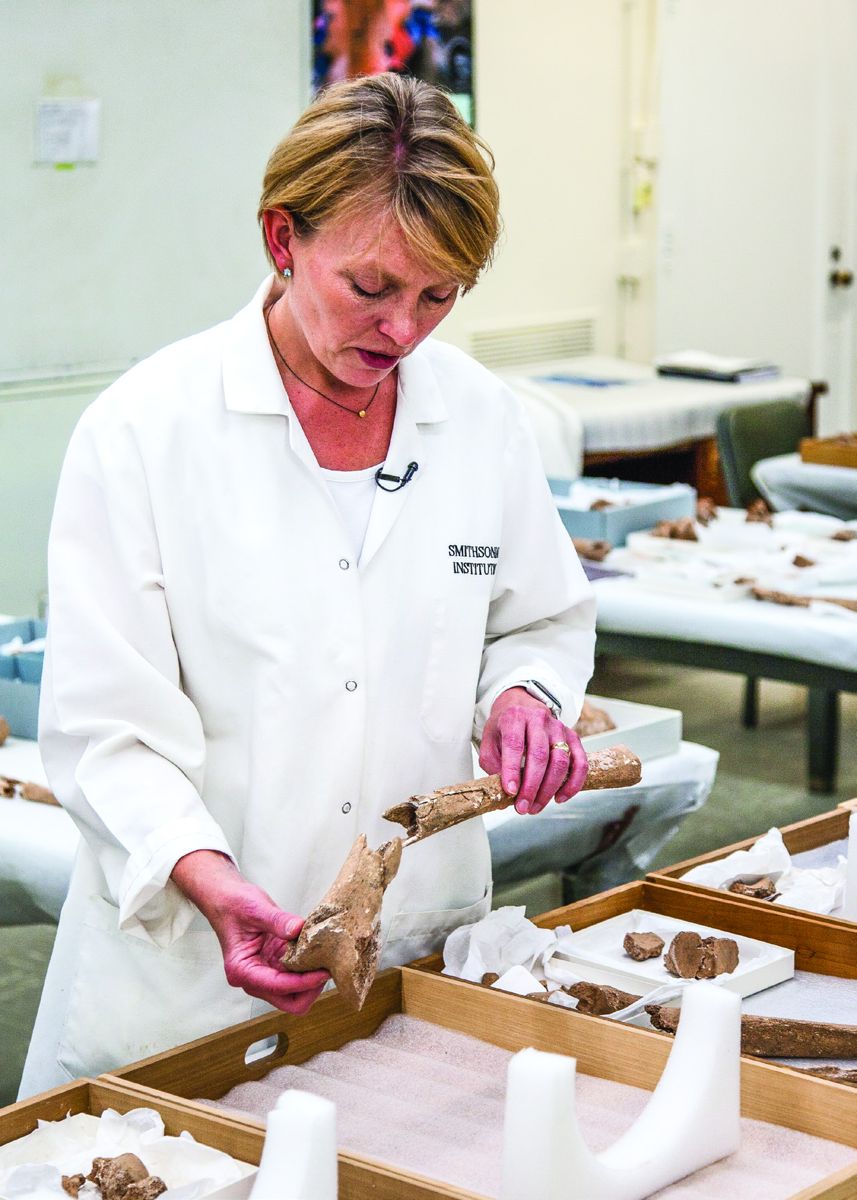
An amputated limb from Manassas National Battlefield Park is under analysis at the Smithsonian Institution’s National Museum of Natural History. (National Park Service, photo by Nathan King) History. excavation. (National Park Service, photo by Nathan King)