Captain Morton’s Frock Coat
By Jessica Hack · Originally published August 2018 · pp. 34–35
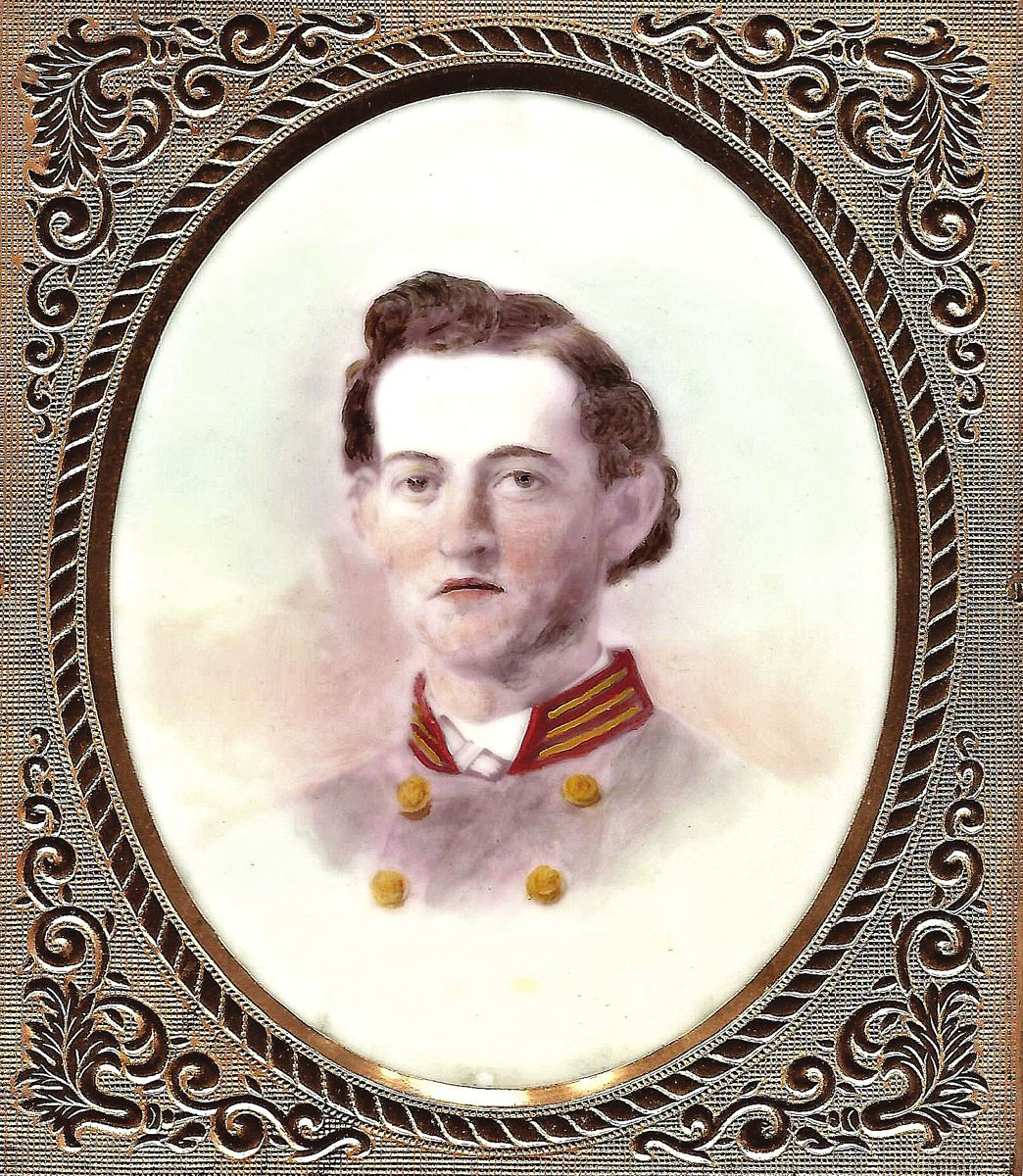
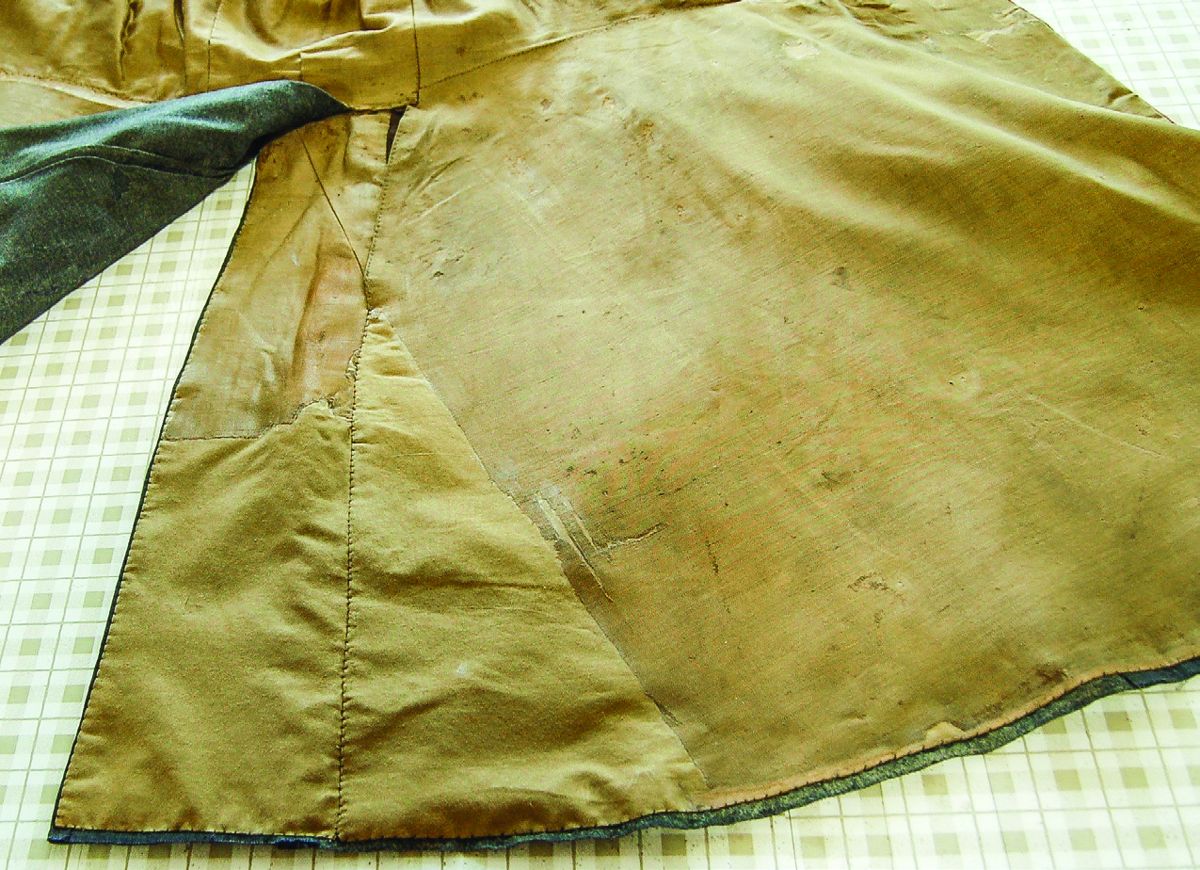
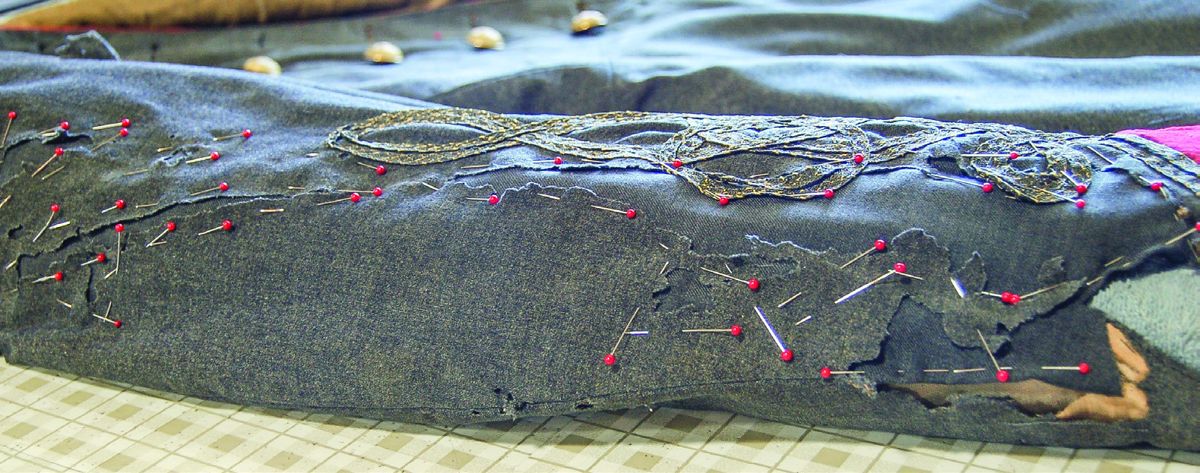
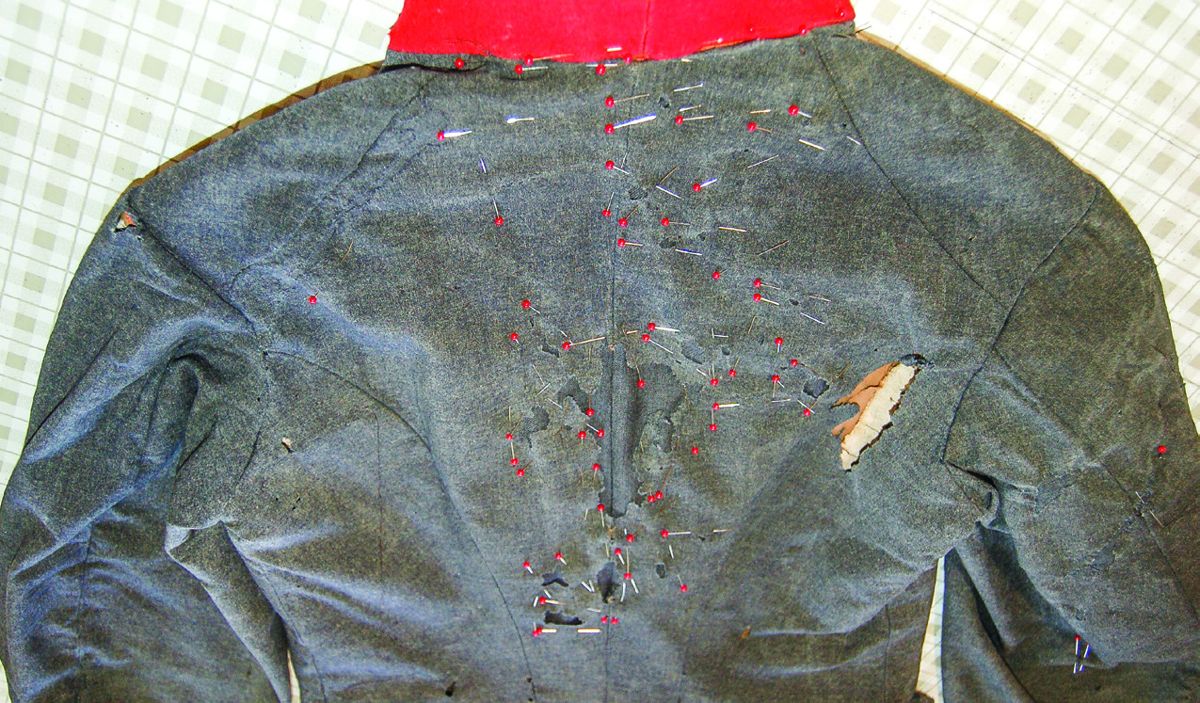
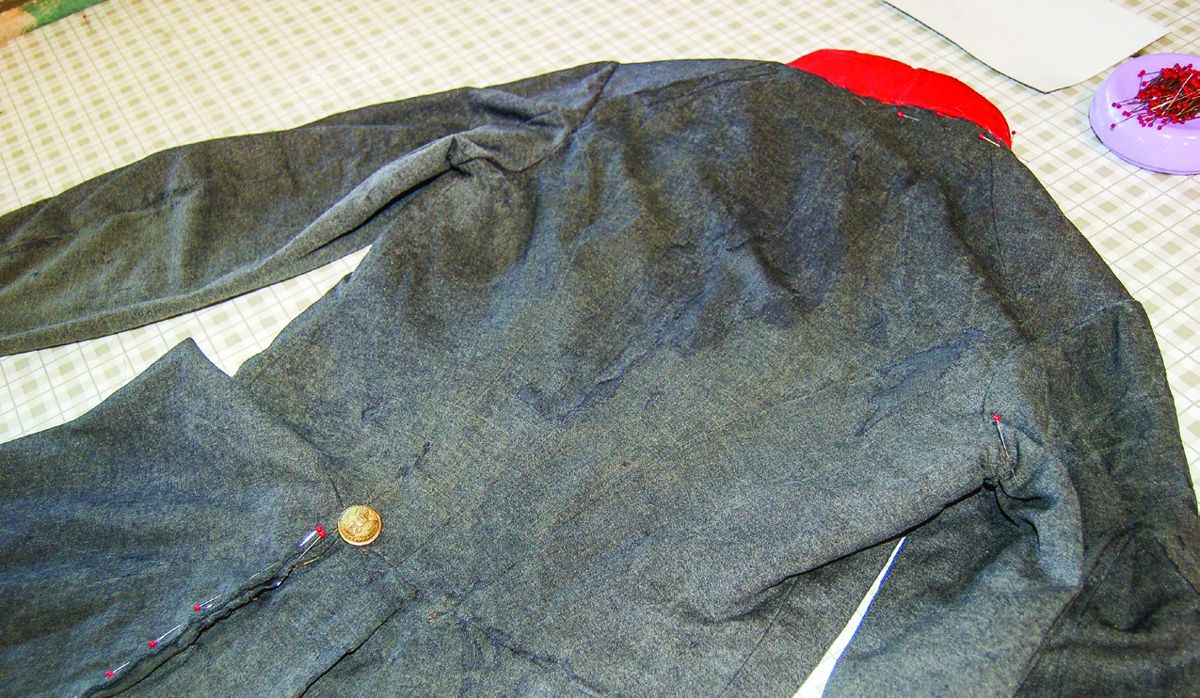
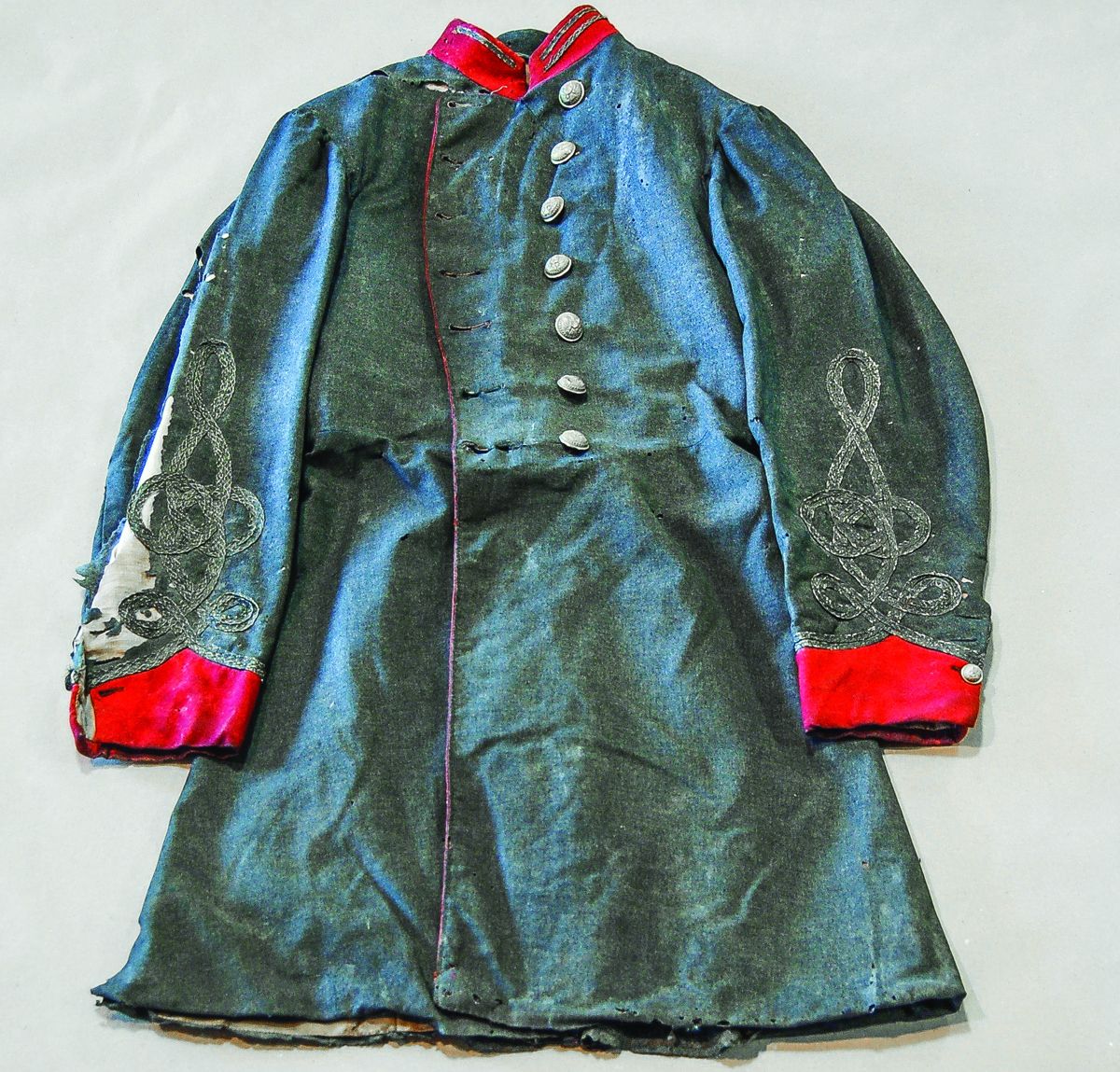
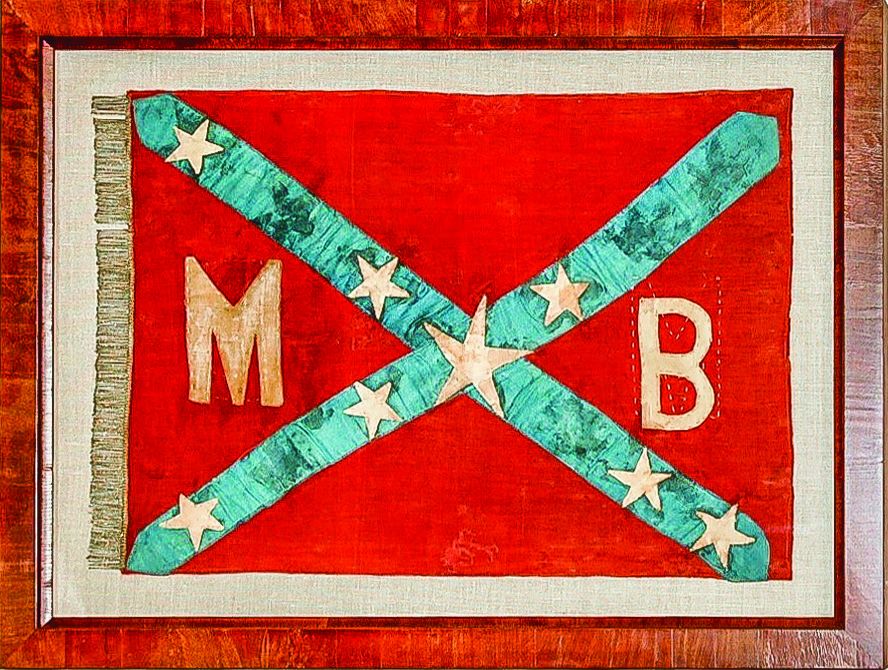
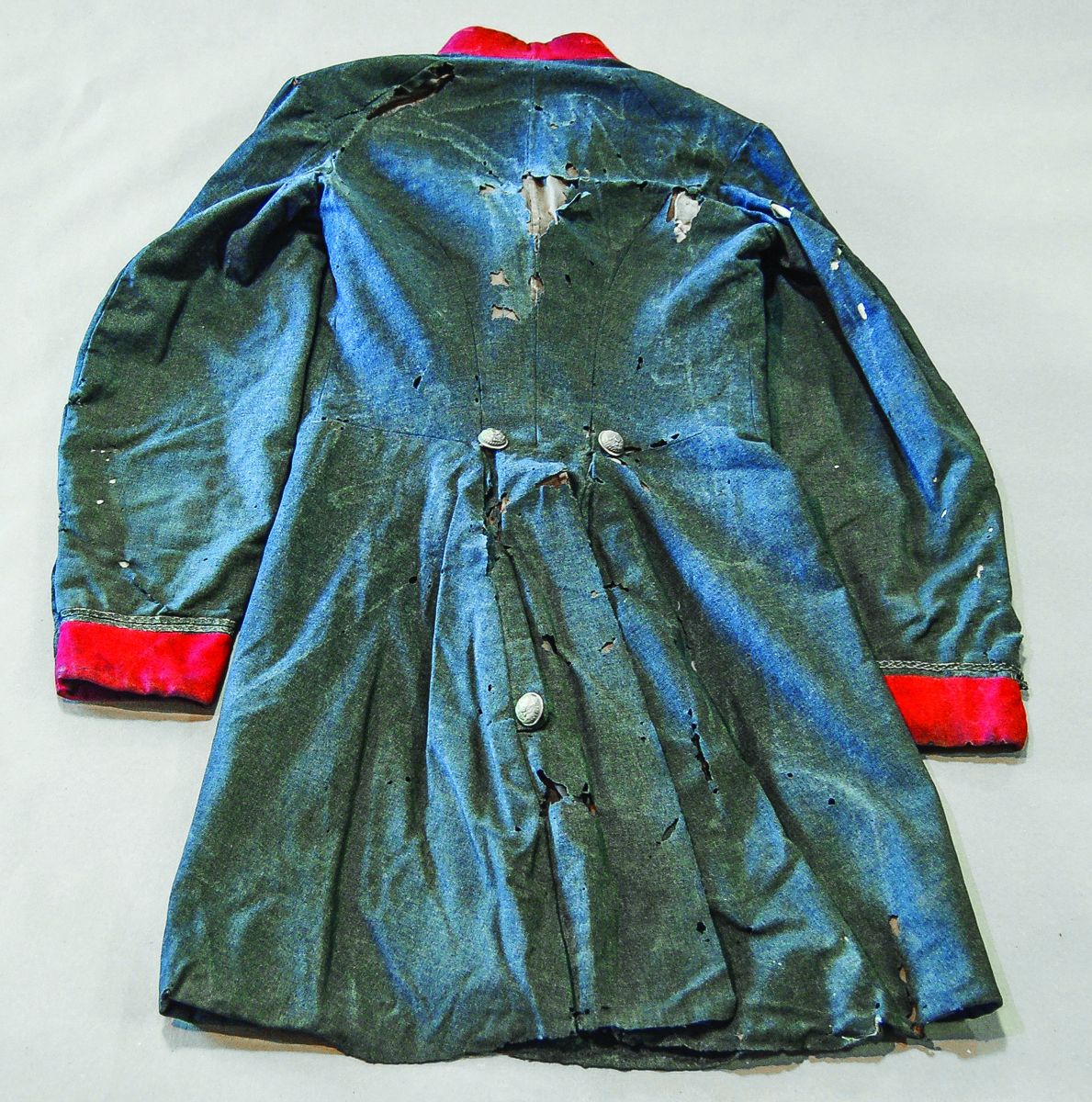
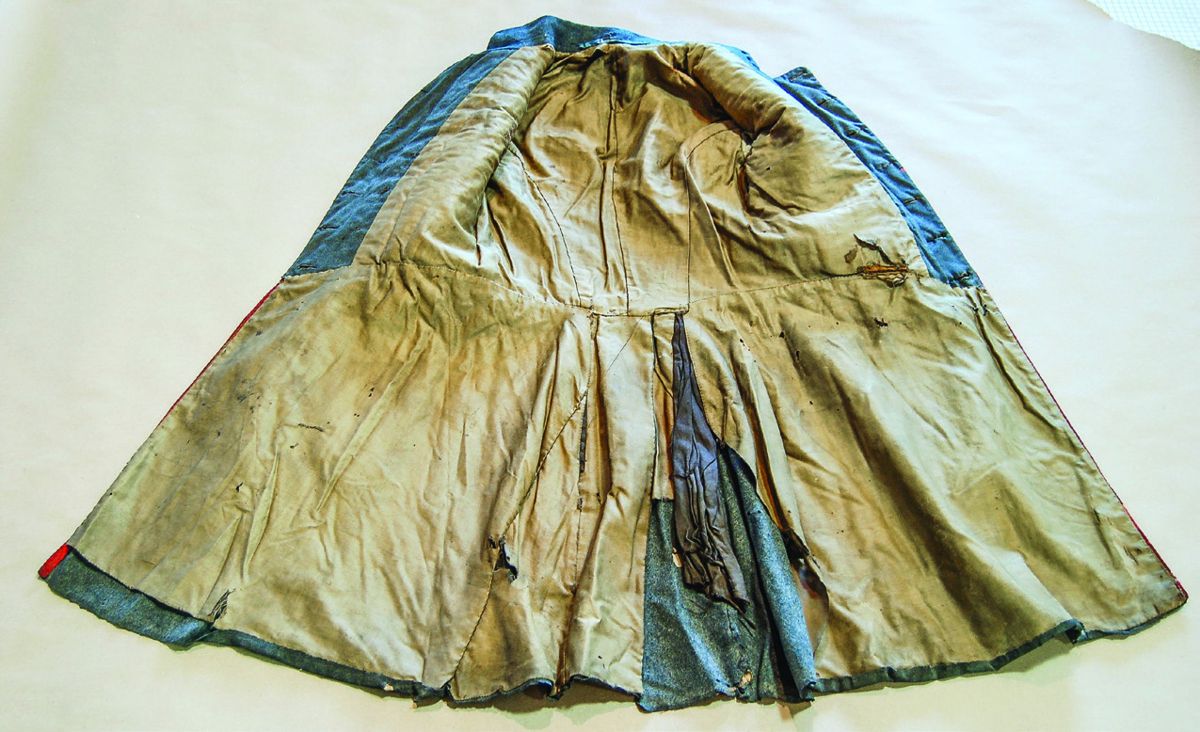
The youngest captain in the Confederate forces, John W. Morton (1842–1914) served as Chief of Artillery under General Nathan Bedford Forrest in the Army of Tennessee. He was 20 years old when he was assigned to General Forrest’s command and formed his battery. Morton’s Company, Tennessee Light Artillery, was organized in July 1861. It was included in the surrender on May 4, 1865. In April 1863, Captain Morton was appointed Chief of Artillery for Forrest’s Cavalry, making him the youngest Chief of Artillery in either the Confederate or Union Army. At the time of his death in 1914, he was the last surviving Confederate soldier who had served under General Forrest. He was buried at the Mount Olivet Cemetery in Nashville, Tennessee. We recently completed conservation treatment of the Frock Coat worn by We had restored the Morton’s Battery flag in 2013 for the current owner, and were delighted when he sent us Morton’s uniform coat for conservation. The double breasted frock coat is hand stitched. It is made of a fine, lightweight blue/grey heather colored wool material, with red facings at the collar and cuffs. The sleeves have a double metallic braid, hand sewn in a scroll design. The front of the coat is outlined with red piping. The lining of the coat is a golden brown wool material. There are fourteen gold eagle dome buttons stitched down the front of the coat. The skirt of the coat has a center back vent and two internal map pockets lined with brown cotton twill material. The coat was received in poor overall condition. There were significant areas of wool missing from the top back of the coat and on the right sleeve from the elbow to the cuff. There were numerous moth holes throughout the coat. The wool lining had holes throughout, and was missing a large section on the left side of the skirt. Several gold eagle dome buttons are missing from the coat. Several metallic braid insignia strips are missing from the collar. As always, the first order of treatment was cleaning the coat. It was hand vacuum cleaned with a low suction HEPA filtered cleaner, then wet cleaned in a solution of sodium lauryl sulfate (a neutral pH surfactant), and rinsed in a bath of distilled water. After re-hydration in the bath, the wool coat material returned in large measure to its original suppleness and feel. Small holes throughout were darned closed with a matching cotton thread. The metallic braiding on the sleeves and collar were tacked down with cotton thread. Wool material was dyed to blend with the original colors of the coat. Patches of the dyed wool were positioned and pinned into holes in the coat, and hand couch stitched to the new patch material for support. One of the more interesting parts of the conservation process included replicating the four panel design of the back of the coat. Pieces of the new, dyed wool were fitted and sewn together to create shaped seams like the original. The new seamed patch material was positioned and pinned into the large hole in the coat’s back. The hole was then couch stitched to the new wool material. Holes in the red facings were couch stitched to newly dyed red wool. While conservation treatment of the coat body was done by stitchery, stabilization of the lining was done with heat seal consolidation. Cotton material was dyed to blend with the color of the lining. Patches of the prepared cotton, backed with polyvinyl dry web adhesive sheeting were pinned into the holes in the lining, and then heat fused to the new support material. The lining was restitched to the coat by hand. The final step in the conservation process was pressing the coat to relax and flatten the wool fibers that tended to contract during wet cleaning. Pressing also smoothed and finished the wool after darning and couch stitching holes in the material.
Note: Conservation treatment of the Morton’s Battery flag (seen here in the photo of the finished project) included cleaning, stabilizing, mounting, and framing of the flag. My appreciation and thanks to Hank Williams Jr. for his permission to share the process of the conservation treatment of his artifacts in this article. Jessica Hack founded her company, Jessica Hack Textile Restoration in 1979. A 1972 graduate of Newcomb College of Tulane University in New Orleans, with post graduate studies in dye chemistry (Louisiana State University) and Textile Conservation (University of London; London, England), Ms. Hack was awarded Professional Associate status with AIC (The American Institute of Conservation) in 1995.
The bottom hem after stabilization and steaming. Back of the coat after completion of conservation treatment.
Front of the coat, after completion of conservation treatment. The bottom hem riddled with holes.
(Courtesy OldSouthAntiques.com) Large missing area of the right sleeve.
Right sleeve, after treatment.