
Wreath Laying Ceremony Honors Confederate Commodore John Randolph Tucker
By Bob Ruegsegger · Originally published September 2017 · p. 44
Wreath Laying Ceremony Honors Confederate Commodore John Randolph Tucker By Bob Ruegsegger John Randolph Tucker’s illustrious naval career began as a 14-year-old midshipman in 1826. By the time his career concluded, he had served with distinction in three navies; the United States Navy, Confederate States Navy, and Peruvian Navy.
John Randolph Tucker was born in Alexandria, Va. He died in Petersburg and was interred near his wife in Norfolk’s Cedar Grove Cemetery. (Courtesy Image) One hundred thirty-four years to the day after Rear Admiral Tucker’s death, his memory was honored at a wreath laying ceremony in Norfolk’s Cedar Grove Cemetery. “The ceremony today is specifically a Peruvian Navy ceremony honoring a remarkable person who served in the Peruvian Navy as a rear-admiral,” said Chris Melhuish, a board member with the Norfolk Historical Society. “After about 6 to 8 months, he resigned his command honorably and was commissioned by the president of Peru to be the president of the Peruvian-Amazonian Hydrographic Commission,”
Captain Franz Bittrich offered a tribute to Rear Admiral John R. Tucker during a wreath laying ceremony in the Norfolk cemetery at the gravesite of John and Virginia Tucker. “We’re here because we want to honor our Admiral Tucker,” said Capt. Bittrich. He is the commanding officer of the Peruvian sail training ship BAP Union.
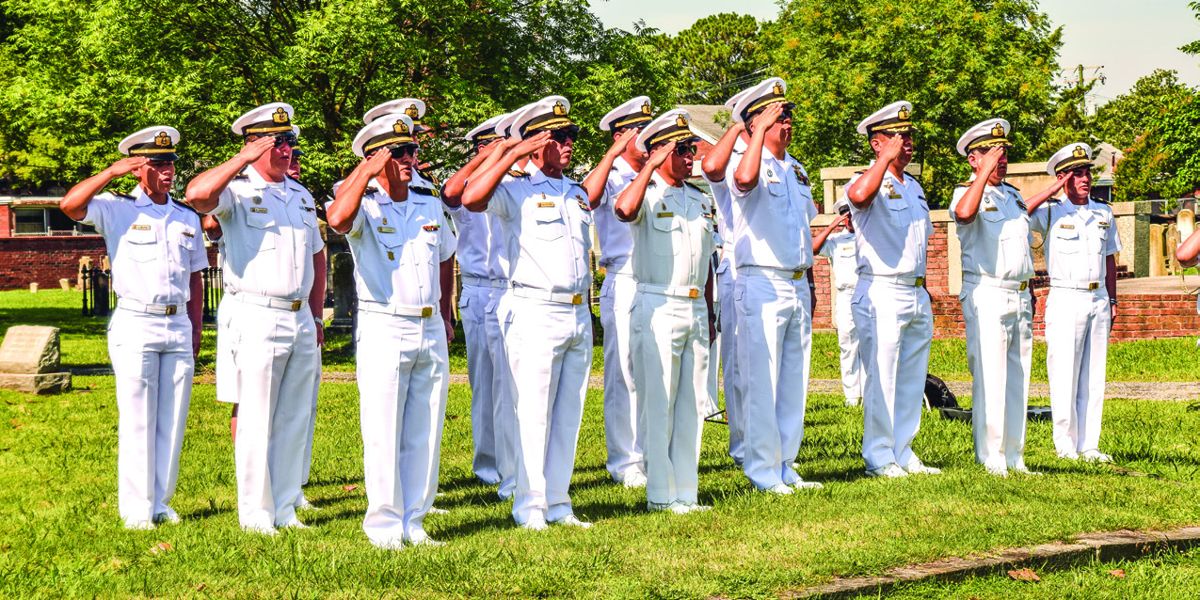
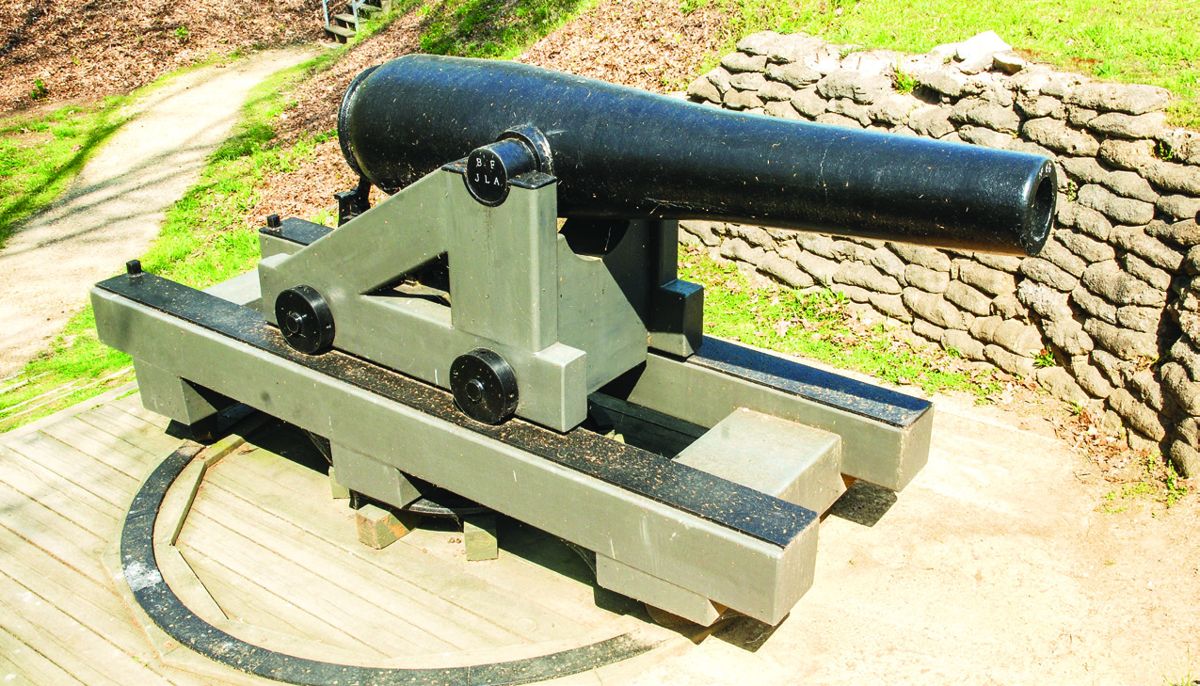
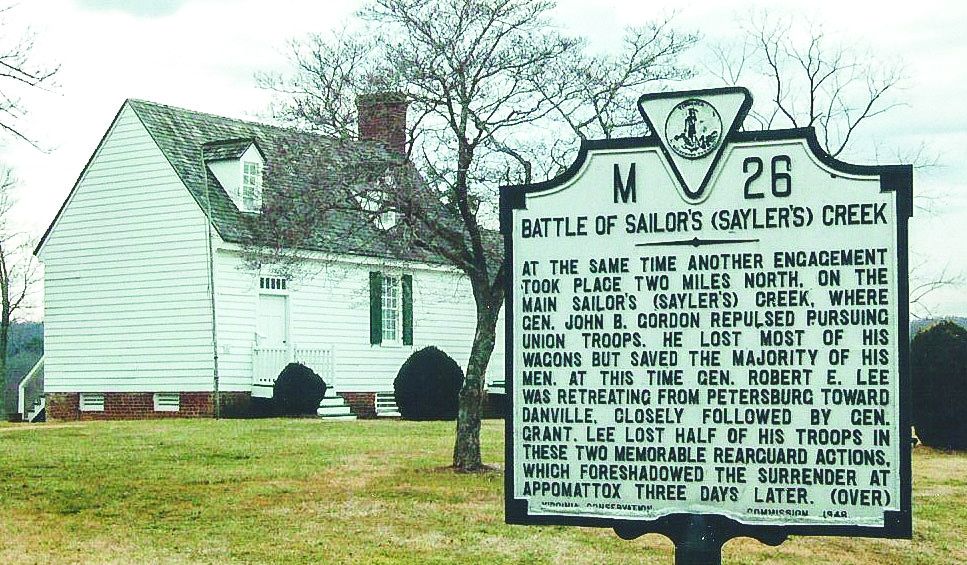
noted Melhuish. “His team explored about 3,000 miles of the Amazon River over a period of seven years.” While the ceremony was conducted by a contingent of Peruvian naval officers and midshipmen, representatives from the United States Navy, Sons of Confederate Veterans, and the Norfolk Historical Society were also on hand to formally pay their respects. The wreath laying ceremony opened with the singing of the Peruvian national anthem. Captain Franz Bittrich, commanding officer of the BAP Union, offered remarks. R. Breckenridge Daughtrey, clerk of the City of Norfolk, presented Captain Bittrich with a City of Norfolk proclamation formally recognizing the occasion. “We’re here because we want to honor our Admiral Tucker. He collaborated with Peru in preserving our independence when we were at war with Spain in the 19th century,” said Bittrich, commanding officer of the Peruvian naval training tall ship. The BAP Union was among a host of tall ships participating in the Parade of Sail during Norfolk’s annual Harborfest event. Norfolk was among the cities the BAP Union scheduled for port calls. “We’re making our trip with the midshipmen,” said Bittrich. “This year we decided to visit the United States so we’re visiting Jacksonville, Norfolk, and Boston.” Tucker’s experience in the United States Navy included service in the Mediterranean and in the Mexican-American War. He later commanded the USS Pennsylvania, a receiving ship stationed in Portsmouth. Later, Commander Tucker received an appointment as ordnance officer at the Navy Yard in Portsmouth. “We’re here joining our brothers-in-arms from the Peruvian navy as they are visiting Harborfest to pay tribute to Admiral Tucker,” said Commander Kevin Hoffman, USN. “It’s an opportunity to celebrate Rear Admiral Tucker, a phenomenal leader in the United States and Peru,” noted Hoffman. “This offers both maritime nations the opportunity to celebrate and honor a true hero.” In 1858, Commander Tucker suffered a personal tragedy when his beloved wife of 20 years, Virginia Webb Tucker, died and left him with three children. His second military career began in 1861 when Virginia seceded from the Union. Tucker resigned his commission after 35 years of service in the U.S. Navy Drewry’s Bluff Gun Battery. Tucker’s sailors and marines and was offered a commission in manned one of the gun batteries at Drewry’s Bluff to defend the Confederate States Navy. Richmond. Pictured is a Bellona Foundry 8-inch Columbiad. While in command of the James River Squadron, CSS Pat- Tucker surrendered his sword to great dangers. They completed rick Henry and CSS Virginia, General Keifer in the end,” he their mission to chart the Amazon Commodore Tucker participated said. “At the end of the war his in seven years– without the loss of in the Battle of Hampton Roads 1860 naval cutlass was allegedly a single member. Admiral Tucker with distinction and witnessed the given back to him because of his became widely-recognized as the advent of the age of iron warships bravery in battle.” “Admiral of the Amazon.” in the historic clash between the Following the Civil War in “Once I heard about this USS Monitor and the CSS Vir- 1866, Tucker was offered a com- ceremony, there was absolutely ginia. When the Union Navy at- mission as a rear admiral in the no way that I would not be at the tacked Drewry’s Bluff near Rich- Peruvian Navy. Tucker accepted cemetery,” said Frank Earnest. mond, Tucker commanded one of command of the Peruvian fleet “I am a native Virginian, born the Confederate gun batteries. and raised his flag above the cor- in Norfolk, son of a WWII Navy Tucker took command of the vette Union during the Chincha chief, and a naval retiree myself,” ironclad ram CSS Chicora at Islands War with Spain. he explained. “I had to be here to Charleston, S.C., in Sept. 1862. After serving in the Peruvian honor this great naval officer from He soon became the flag officer of Navy for eight months, Tucker the United States Navy. I also had the Confederate’s small ironclad resigned his commission. Tucker to honor him as a Virginian.” squadron in Charleston harbor. outlined a plan to establish a Under his command, Charleston hydrographic expedition to became a platform for Confeder- explore the essentially uncharted ate naval technology, involving Amazon River and its tributaries. mines, spar torpedo boats, and President Mariano Prado of Peru the submarine Hunley. appointed Tucker as president During the final months of the of the Peruvian Hydrographical Civil War, Tucker command- Commission of the Amazon. ed a detachment of sailors and Tucker’s commission fought marines—Tucker’s Naval Bri- hostile tribesmen, suffered gade—and again engaged in de- countless hardships, and faced fending Richmond at Drewry’s Bluff. During the Appomattox Campaign, Tucker’s Naval Brigade saw service as the rear guard protecting General Lee’s army. Bill Hunnicutt, a member of Tucker’s Naval Brigade with the North-South Skirmish Association, was among the individuals Midshipmen from the sail who came to honor the service of training vessel BAP Union John R. Tucker. “Tucker’s Naval participated in Harborfest and Brigade became Lee’s rear guard Tombstone Inscription. In as well as the wreath laying during his retreat on the way to ceremony at Cedar Grove Appomattox,” said Hunnicutt. loving memory of Admiral Cemetery. “They fought ferociously and John R. Tucker. even counterattacked against greater odds, but Commodore