Iconic Rippavilla Plantation Now Part Of City Of Spring Hill
By Gregory L. Wade · Originally published March 2017 · p. 16
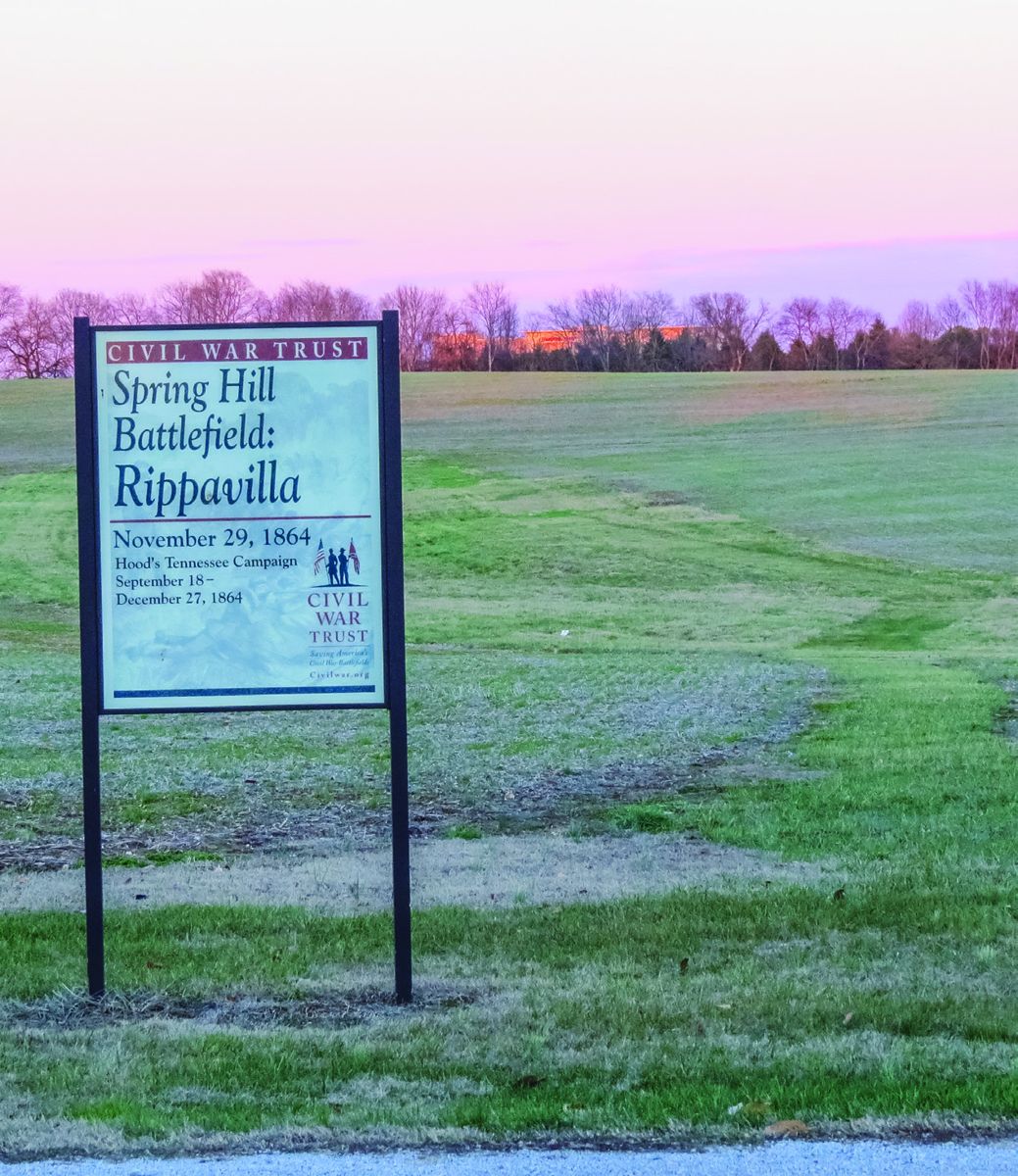
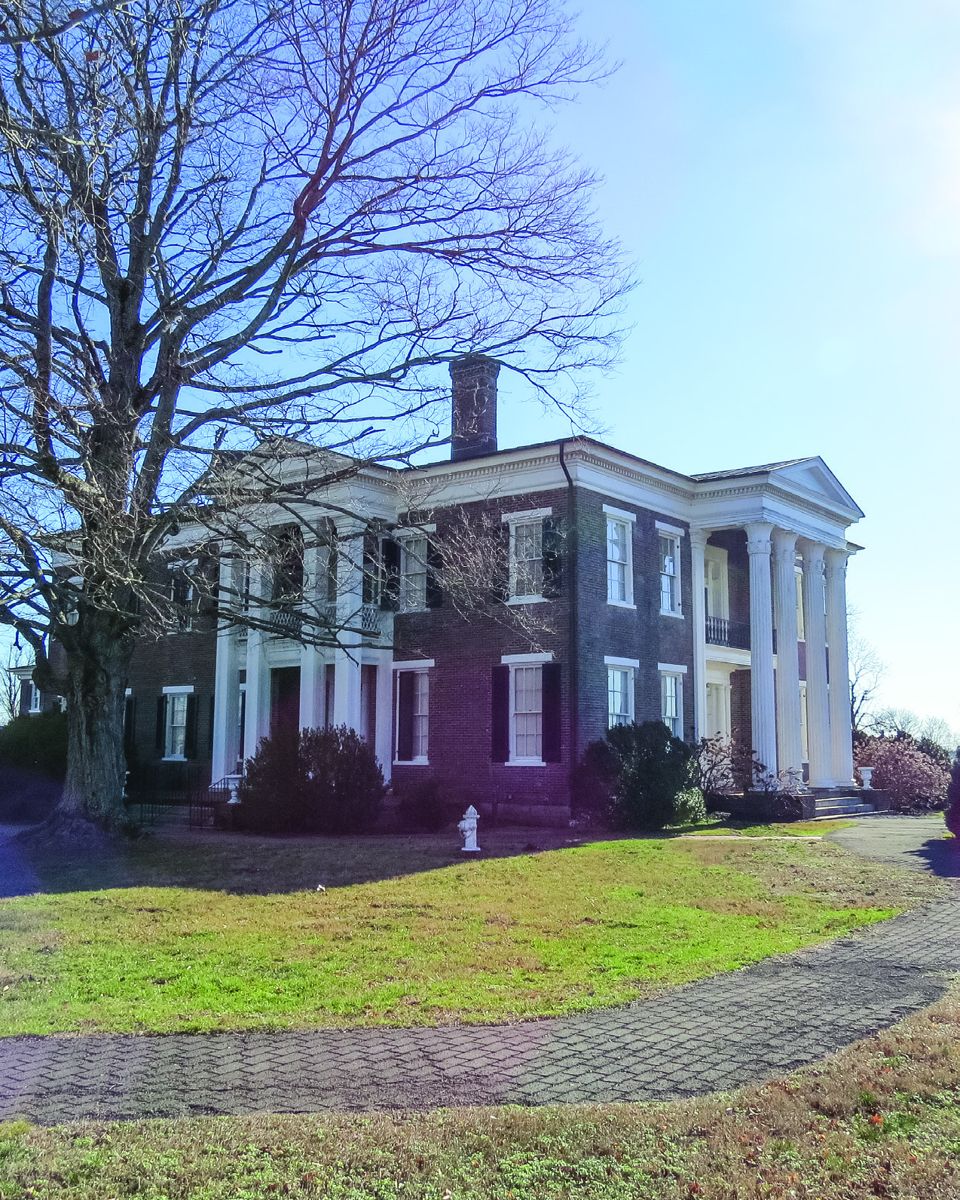
The City of Spring Hill, Tennessee, and the Rippavilla Plantation have agreed for the historic museum home to become part of the Spring Hill parks system. Spring Hill’s Board of Mayor and Alderman (BOMA) voted earlier this year to receive the property after months of study and deliberation. The majestic Greek Revival style plantation home, completed in 1855 after three years of construction, watches over the southern approaches into the village. Units of the Confederate Army of Tennessee camped across Rippavilla’s meadows Nov. 29, 1864 allowing, for reasons never fully understood, a trapped Federal army to march past them on the nearby Franklin Pike. Through the night Union infantry escaped to Franklin where they dug in for the horrific battle the next day, Nov. 30, 1864. That morning, Confederate General John Bell Hood ate breakfast in the mansion with his senior commanders and discussed pursuing the fleeing Yankees. After the Battle of Nashville, Federal cavalry used the house as a barracks for the rest of 1864. In 1986 The Murray County Industrial Board acquired over two thousand acres to lease to General Motors (GM) for their new automotive plant. The grounds of Rippavilla were acquired but never incorporated into the assembly complex. According to Spring Hill Alderman Jonathan Duda, the land was technically
Rippavilla Plantation.
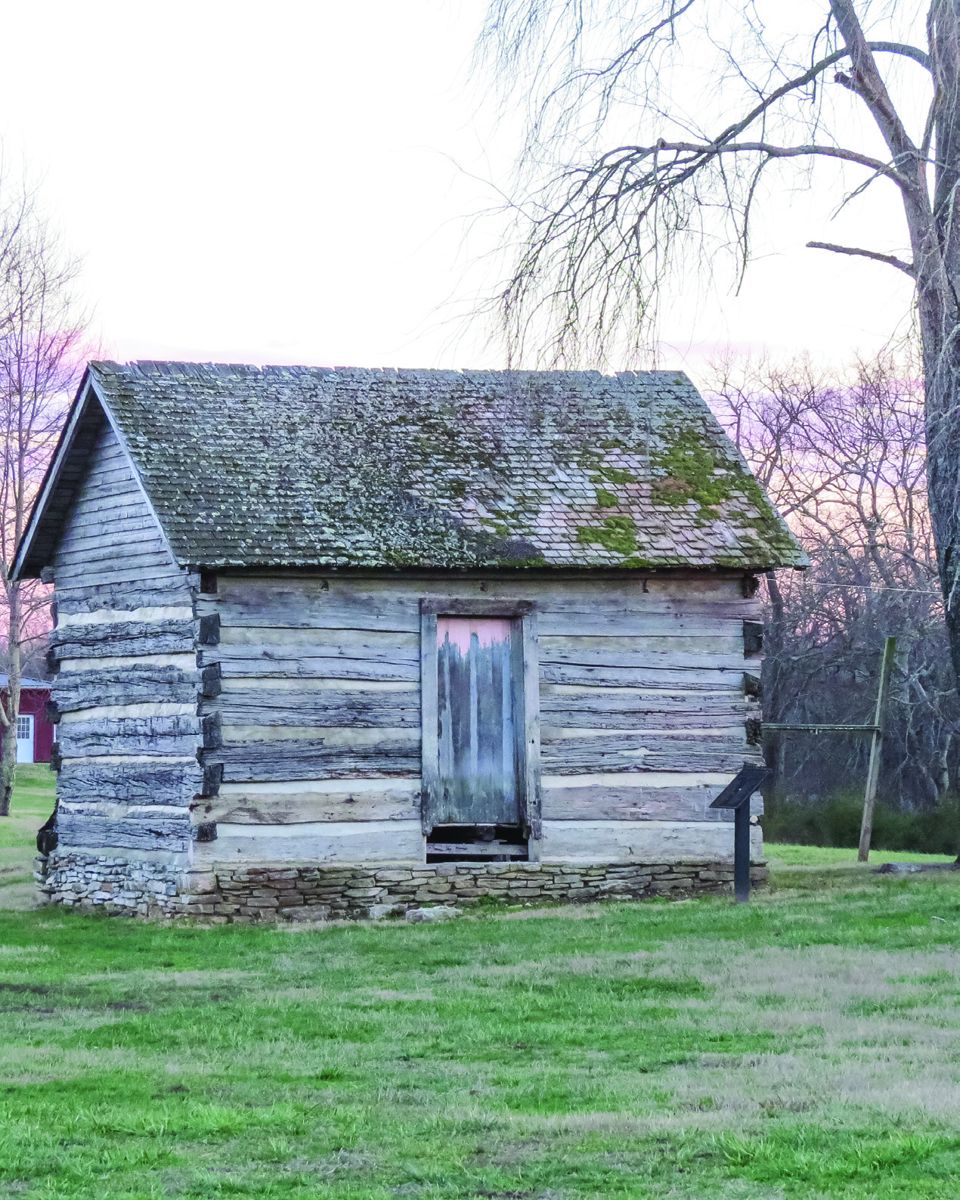
owned by the Murray County Industrial Board and leased back to GM. In 2006, the car company transferred actual responsibility for the plantation to Rippavilla Inc. and for the next ten years the manufacturer contributed $100,000 a year to the site; 2016 was the end of a decade of financial assistance. In 2016 the “Rippavilla Plantation Assessment and Recommendation Report,” was produced by the city and the Rippavilla Due Diligence Panel composed of city aldermen and Rippavilla board members. It was concluded that without GM’s assistance the museum home would have operated at about a $100,000 loss per year which would not be sustainable. Making preservation of the plantation in its historical context even more important is the adjoining acreage just to the north. Bordering the Rippavilla site are eighty-four acres preserved largely through National Park Service grants to the Civil War Trust in 2010. That ground was a vital part of the Nov. 29, 1864, Spring Hill fighting and has since been interpreted with signage and walking paths. It was once thought this location might become residential and commercial development within a couple hundred feet of the nearby Rippavilla house. Duda said donation of the property to Spring Hill fits the city’s comprehensive plan for the future noting, “We must take steps to preserve rural and cultural spaces.” He said developing a similar property would cost the city at least $3 million, and added that, as the rapidly growing community consumes its open space, the Rippavilla acquisition provides “excellent opportunities to further develop greenways and open space” laid out in Spring Hill’s master plan. The community is about forty miles south of rapidly growing Nashville and has seen explosive growth since GM built what was originally their Saturn plant. In June 2016 the Rippavilla Board and the Spring Hill BOMA formed a committee to explore the potential of the city taking over the site. In late December, after much discussion, the Rippavilla Plantation Board of Directors presented to Spring Hill officials a written offer to convey the mansion and almost one hundred acres to the community. Spring Hill Mayor Rick Graham was very much for the acquisition saying, “the main thing we want to put into place is a process that will protect Rippavilla for the next several hundred years.” Local resident, Civil War historian and author, Eric Jacobson said, “this was a courageous move by their (Rippavilla’s) board and in the best interest of the site. Jacobson added “this is the premier Battle of Spring Hill ground left.” Duda said the panel’s “due diligence” report compared Rippaville to similar Middle Tennessee sites including Nashville’s Belle Meade Plantation, Traveler’s Rest, Franklin’s Carter House and Carnton in a type of “peer review” analysis. He said they would incorporate some of their best practices into the plantation’s operations. Mayor Graham said the site will continue to “operate as a passive park with the current museum, gift shop and historic venue while also possibly hosting festivals and similar activities.” “There will be no sport related fields or public roads on the site,” he added. Included on the grounds are a slave house, two cemeteries and other important historical structures as well as an amphitheater and event barn. There is a log Freedman Bureau school house that was relocated from a nearby site and reassembled on the plantation in 1993. The transaction will immediately facilitate needed maintenance improvements to the mansion and grounds. The overall appearance will remain basically the same with the exception of a possible greenway “outside of the buildings envelope with prior written consent,” according to the assessment report. Activities to be allowed are specified in the agreement including historical reenactments and other events that “support the historic aspects of the Rippavilla property.” Duda said this was a “perfect situation” for acquisition of the Rippavilla Plantation. Spring Hill recently enacted a hotel/motel tax which the growing community believes will provide important revenue for the preservation of green space and sites like Rippavilla. He believes the financial stresses on the site are “curable” and the value generated for the city is “significant.” The new tax provides a “dedicated source of funding to support Rippavilla and tourism initiatives,” he added. Currently the property is used for events such as weddings and reenactments along with daily tours and a gift shop. While details are being worked out, it is anticipated the city will be responsible for the plantation as early as March 2017. Efforts to reach Rippavilla’s current management for comment have not been successful.