Port Of Columbus Flags Restoration
By Jessica Hack · Originally published June 2017 · p. 21
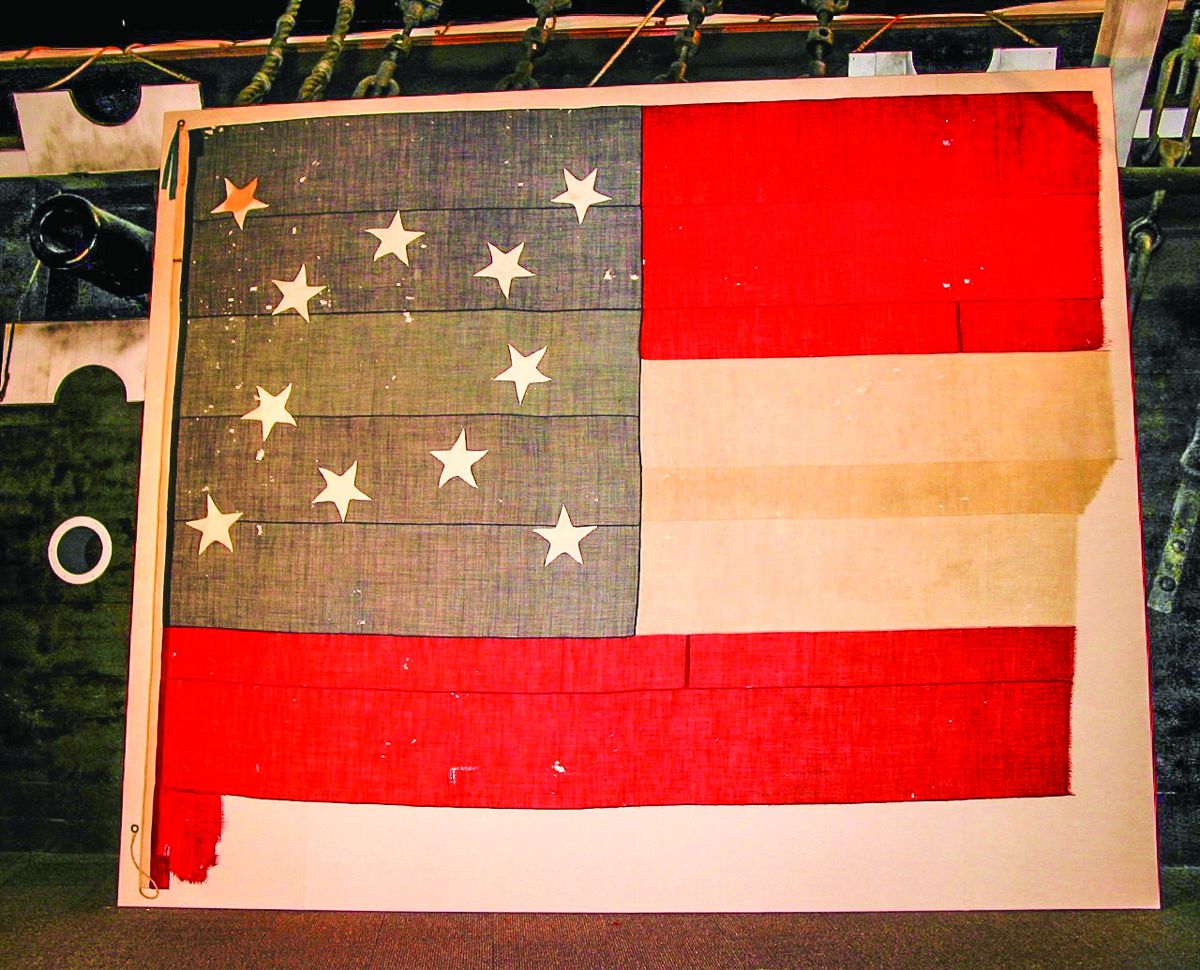
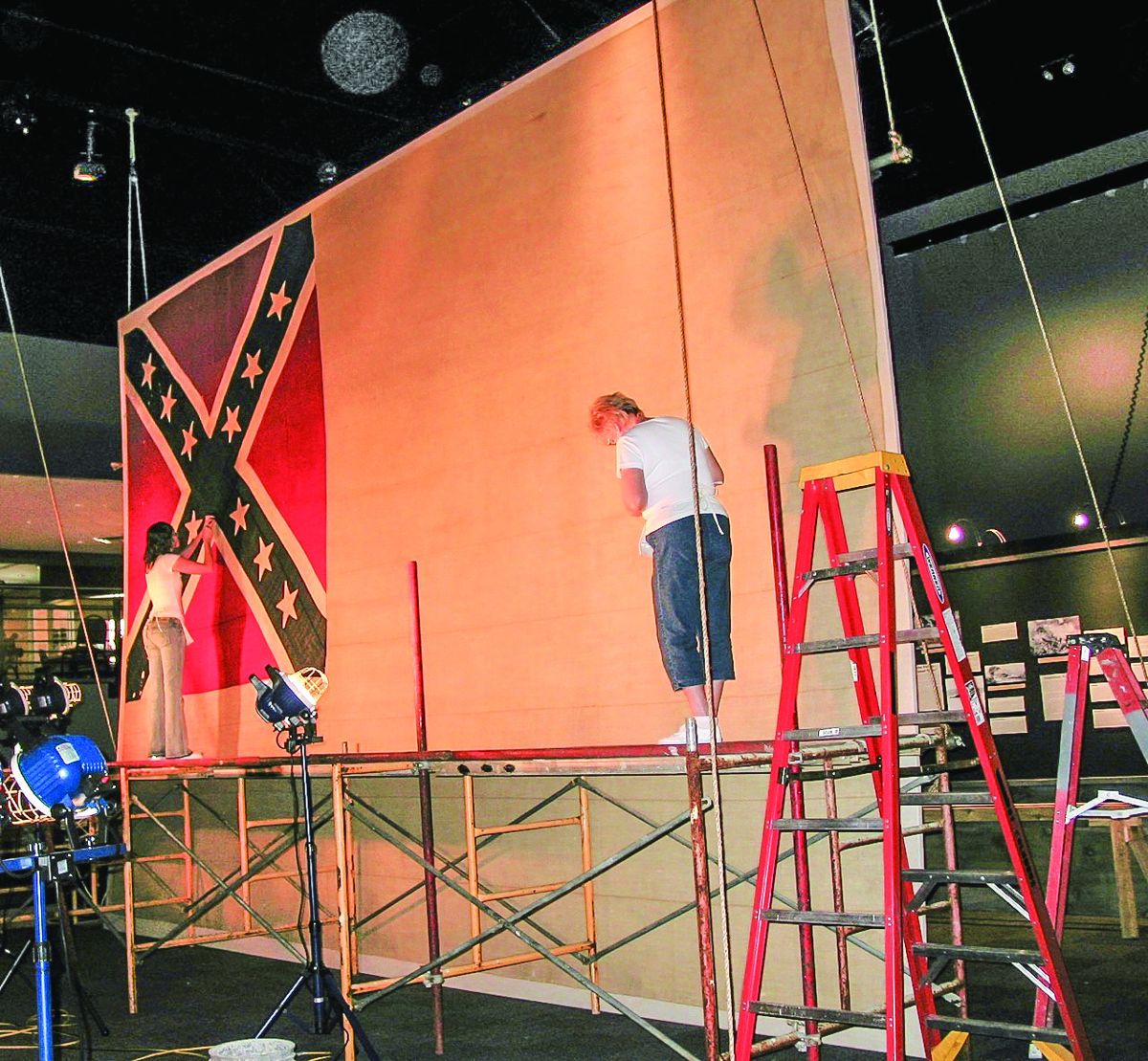
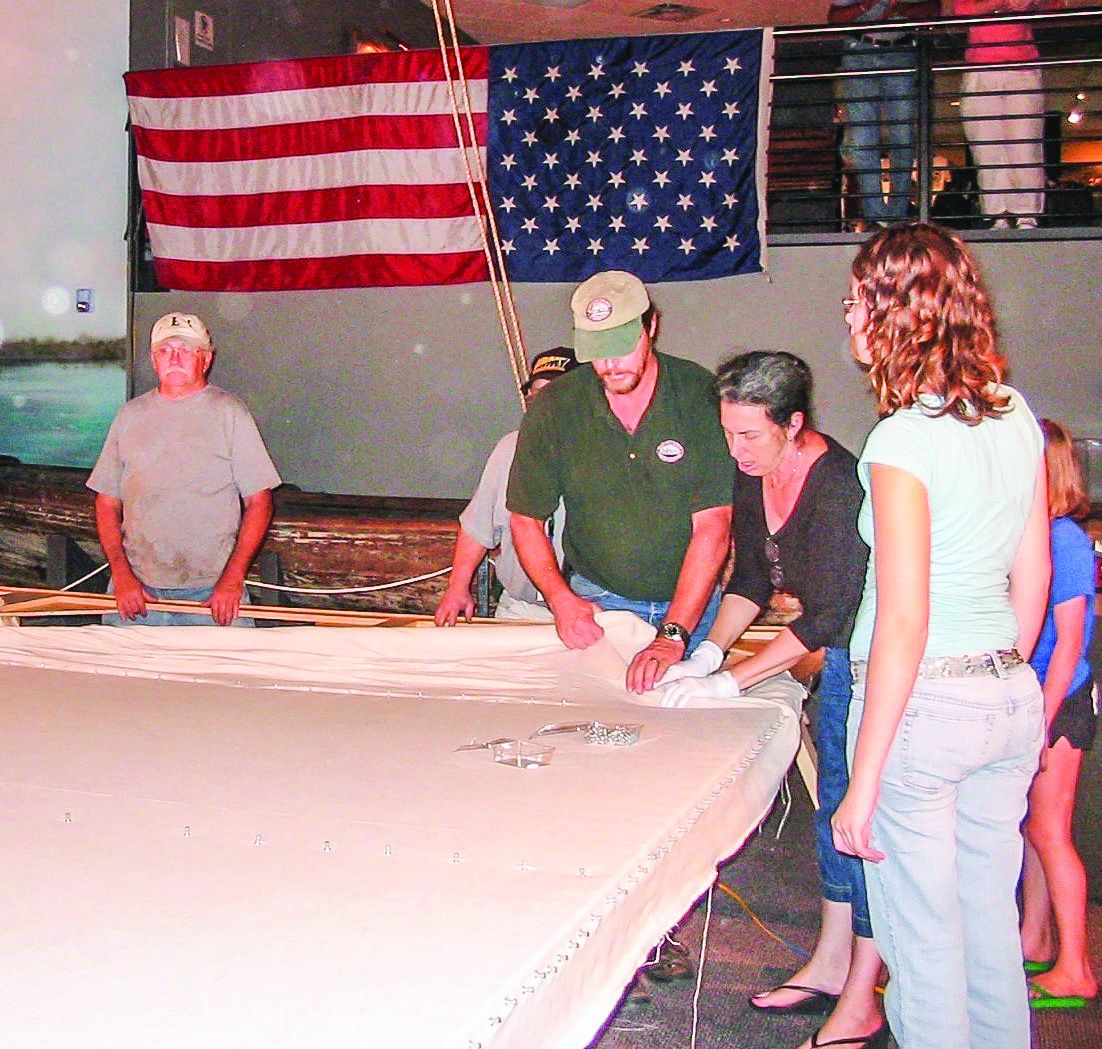
In the previous article of this series I described a group of very small (1” x 3”) Confederate Bible flags, and their treatment. As our projects range from one end of the size spectrum to the other, this month I want to show you a project involving the largest flags we have worked on. In 2005, the studio conserved and mounted a group of flags belonging to the Civil War Naval Museum in Columbus, Ga. This project was memorable for several reasons: 1) the size of several flags, requiring that mounting for display be done on-site at the museum, 2) the project was completed the day before the levees broke in New Orleans following Hurricane Katrina, and 3) it was some time before my staff and I were able to return home. In all, 10 flags were cleaned, conserved, and mounted. Seven flags were also framed in New Orleans, and then all were transported by truck to Port Columbus. The largest flags were cleaned in New Orleans, then transported to the museum where they were mounted and conserved on site. One was a First National Flag from Fort Walker, Port Royal Sound, S.C., measuring 146.5” in height x 175.5” wide. The second was a Second National Flag from the CSS Atlanta, measuring 207” in the hoist by 306.5” in the fly. This article focuses on the on-site work that we did at the museum. Four members of my staff worked in Port Columbus over several weeks. During the first week on site, the mounts were prepared, and the flags were stretched and pinned onto the mounts. Preparation of the mounts included stretching and pinning a large weave, heavy weight cotton/linen material over the mount, stapling the material to the back of the mount, trimming away excess material, and then finishing the raw/cut edges with cotton twill tape binding. With wool bunting flags in particular, flags need to “rest,” pinned on their mounts for a period of time before stitching, so that the fibers can adjust to the tension of being stretched. The flags are then stretched a second time, and re-pinned to tautness so they will not sag over time as they are displayed vertically. After a week at home, my staff returned to Port Columbus. During the second on-site visit, the flags were re-stretched and re-pinned to the mounts. The flags were then hand stitched to the mounts with various cotton and silk threads. The perimeter of each flag was sewn, as well as the perimeter of the canton. Horizontal lines were also stitched where bars of the First National flag were sewn together, and where panels of white bunting were attached to form the body of the Second National flag. Holes in the flags were stitched to the mount with hand dyed colors of 2-ply crepeline silk thread to stabilize the damage.