
Civil War Union Secret Service
By Joan Wenner, J.D. · Originally published June 2017 · p. 23
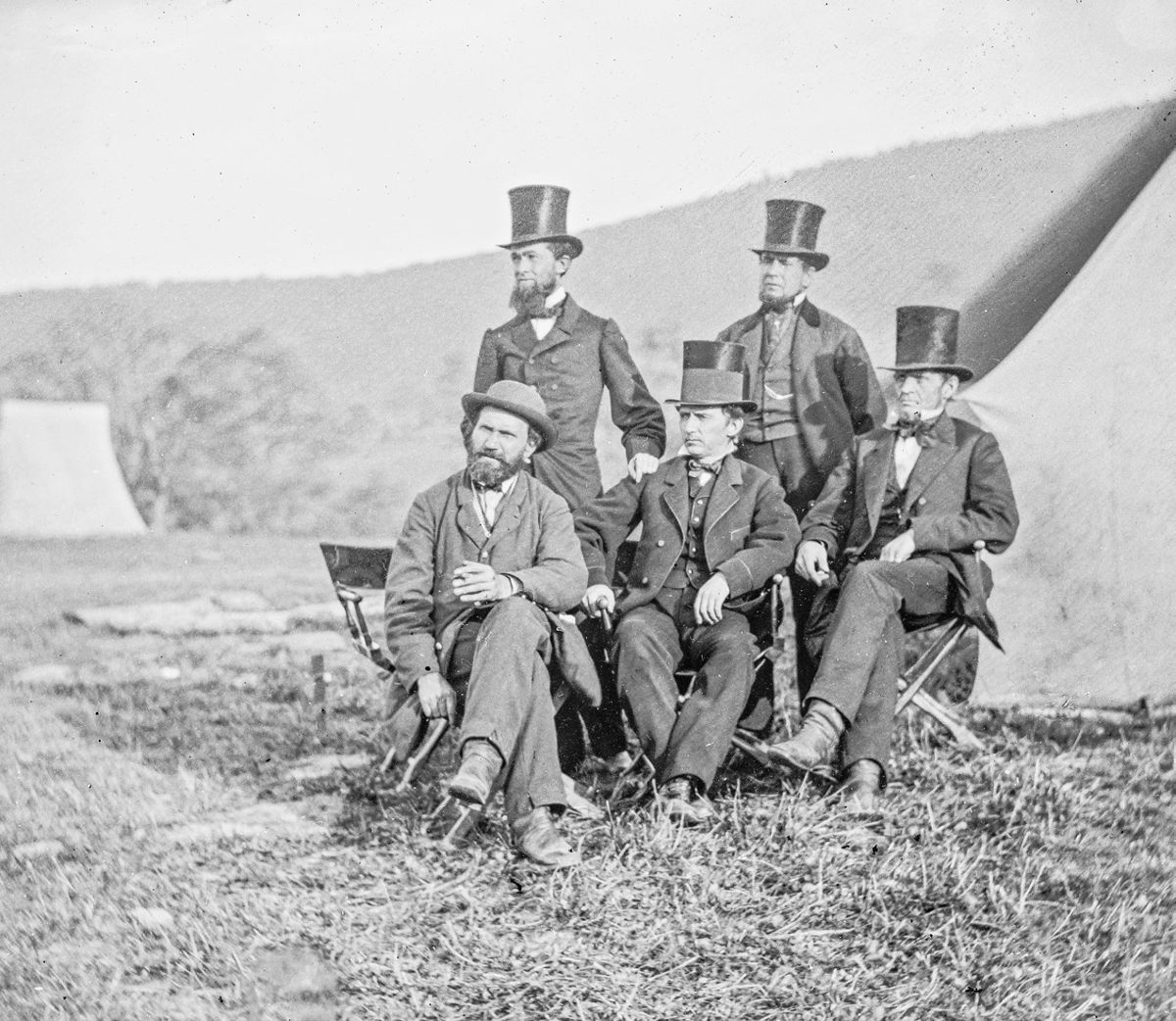
Unique to the Civil War was the creation of ‘secret’ intelligence gathering by both sides. Previously highlighted was the Confederate ‘secret service’ and now we see a small glimpse of the Union’s intelligence gathering efforts.
Intelligence Collecting by the North The Federal secret service counterpart to the Confederacy’s activities was the Army’s intelligence section. Today’s Central Intelligence Agency archives note that, while the Confederacy focused on getting intelligence to Richmond via the couriers of the so-called Secret Line, the Union did not have any similar system. Each commanding general handled the task under his own commands. Early in the war, for example, when Maj. Gen. George McClellan became the commander of the Union’s Army of the Potomac, Allan Pinkerton moved from Chicago to Washington to gather intelligence solely for “Little Mac.” The famed or infamous cigar-smoking, mustached detective, depending upon one’s point of view, later called himself “Chief of the United States Secret Service,” and is perhaps best known for vastly overestimating the numbers of Confederate forces. A similar claim came after the war by Brig. Gen. and Chief of the War Department’s National Detective Police, Lafayette Curry Baker. He was first appointed to head the agency by Secretary of War Edwin Stanton in the fall of 1862. Baker performed counterintelligence, though he had his own shady reputation for bending the law while investigating corruption and uncovering Confederate agents around Washington. He also oversaw security for Lt. Gen. Winfield Scott, commander-inchief of the U.S. Army. After the war the National Detective Police would become the U.S. Secret Service with former operatives either leaving the service or becoming part of the new agency created on July 2, 1865 as part of the U.S. Treasury Department. There was no formal centrally directed intelligence agency in Washington. Pinkerton and Baker worked only for their superiors. They were said to have run their organizations so independently and so competitively that, in at least two cases, the operatives of one “secret service” arrested or kept under surveillance operatives of the other. From August through November 1863, several members of Maj. Gen. George Meade’s Bureau of Military Information were photographed in camp at Bealeton, Va. As the fighting progressed, the Union apparently never really developed a need for a national intelligence agency. The gathering of intelligence was, in fact, so decentralized that President Lincoln himself was said to have hired an agent, paid him, and personally received the agent’s reports. For further reading: A Spy for the Union: The Life and Execution of Timothy Webster, by Corey Recko, 2013, McFarland, www.mcfarlandpub. com Grant’s Secret Service: The Intelligence War from Belmont to Appomattox, by William B. Feis, University of Nebraska Press. Joan Wenner, J.D. has contributed for many years to the Civil War News and The Artilleryman among other history publications and has a law degree. Comments are welcomed at joan_writer@ yahoo.com
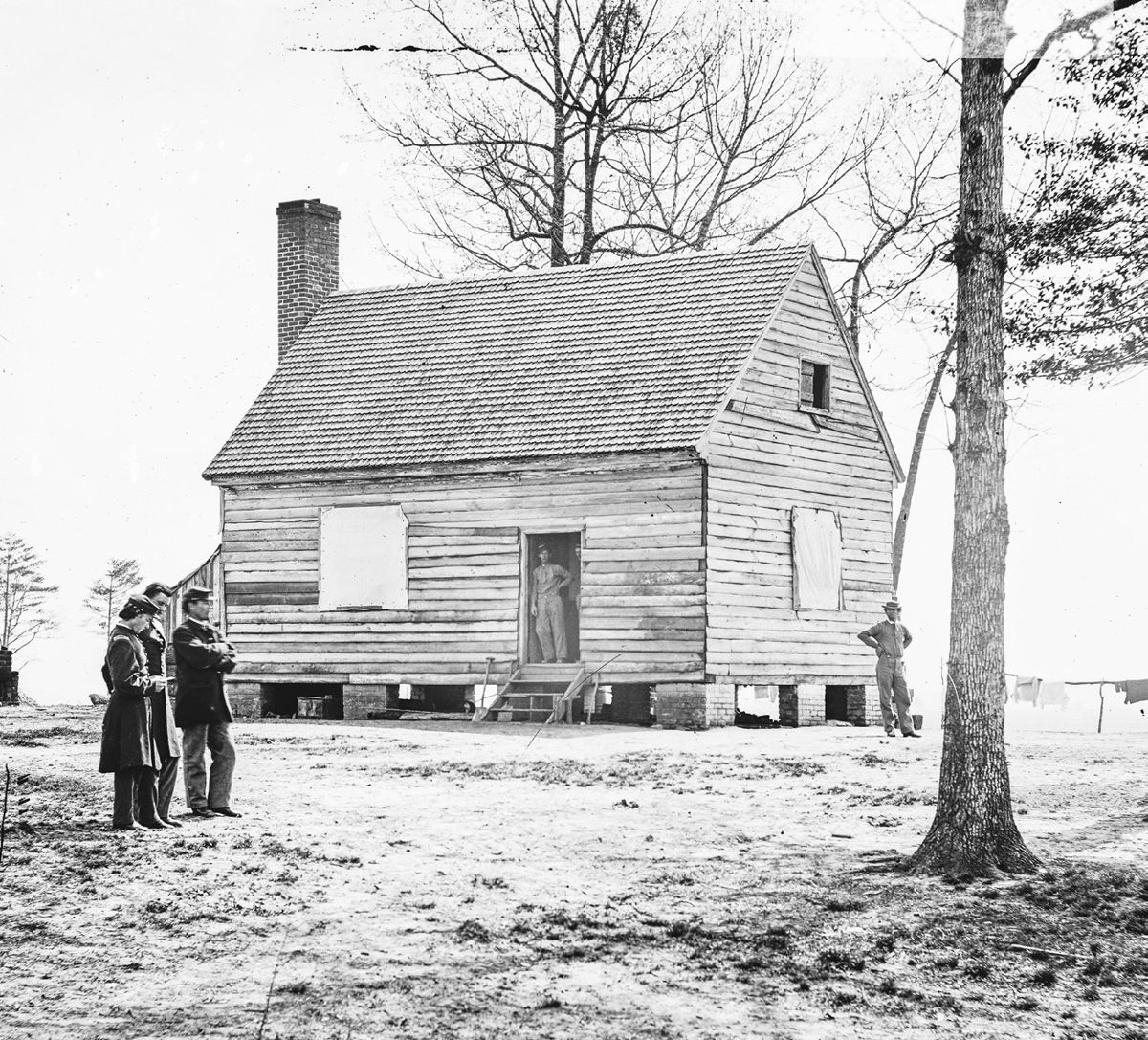
Secret Service headquarters, City Point, Va.
Antietam, Md. (vicinity). Maj. Allan Pinkerton, Secret Service Department and friends.