General Longstreet Museum Celebrates 10 Years
By Tim Massey · Originally published January 2017 · pp. 36–37
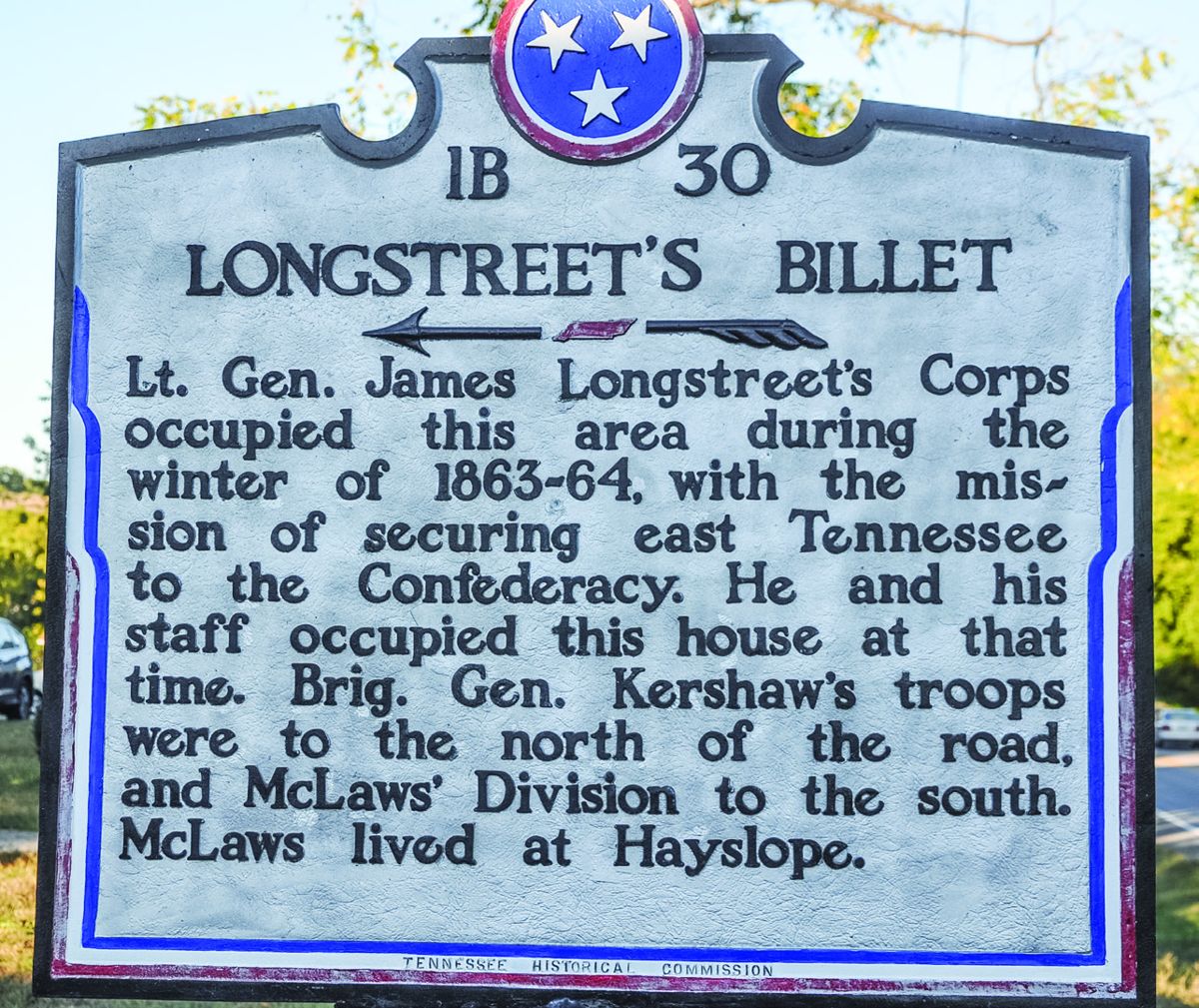
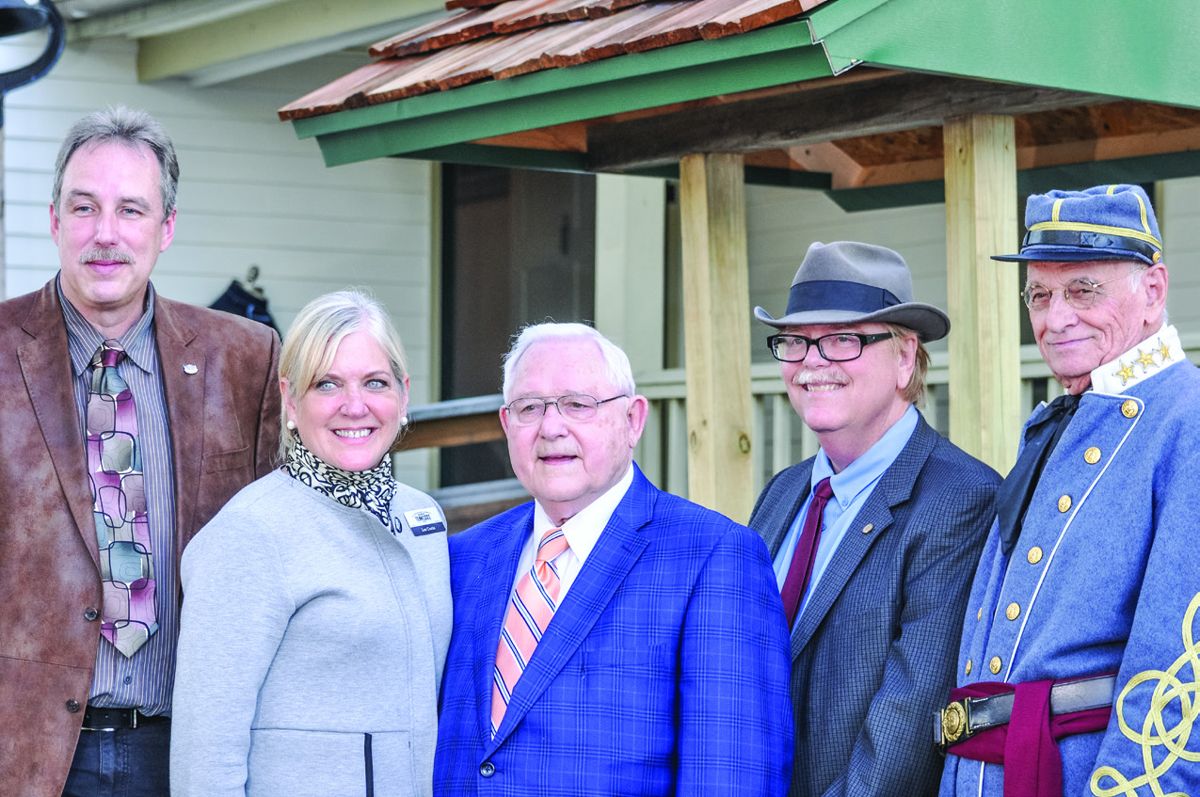
A mere decade ago, the Nenney on the block to be sold. It was overgrown, deteriorating, and fast becoming an eyesore. Local Civil War historian Mike Beck discovered that a contractor had asked for rezoning of the property to allow a retail store to be located there. Beck immediately contacted Reece Sexton and the two, along with others in the community, sprang into action to save the historic 1820’s structure. As the historic marker in the front yard notes, Gen. James Longstreet billeted here during the winter of 1863-64. Since the developer was waiting on the zoning request to be approved, no contract had been signed. Beck and Sexton, along with Jack Fishman, quickly founded the Lakeway Area Civil War Preservation Association. This group was able to purchase the property which, as Sexton mentioned during the ceremonies, was a dream. “It was a dream with a lot of hard work attached,” he said. It was a dream that came true. One of those brought on board, in the beginning, was Dr. Carrol Van West, Tennessee State Historian, and director of the Center for Historic Preservation at Middle Tennessee State University. Sexton credited Dr. West with the preservation of the museum and its being where it is today. West called it “truly a dream that became a reality.” West described the group as “True Tennessee Volunteers, who stepped up and refused to allow history to be destroyed. They did not step aside and watch progress happen; they stepped in the way of progress to see this story saved.” West (All photos by Tim Massey) continued, “This place matters. This story matters. Who we are and what we went through, our families and region during the Civil War, it transformed us into the nation and the region we are today. We need this to remind us of that important period of our history.” He continued, “People stepped up, looked each other in the eye and said ‘let’s get it done,’ and you have.” Dr. West, through his position at MTSU, provided the interpretive panels in the exhibit rooms. He also provided books for the library including a full set of the OR’s (Official Record of the War of the Rebellion). Longtime Tennessee Department of Tourist Development and museum supporter Lee Curtis spoke next. She recalled touring the home ten years earlier and expressed her amazement at just how far the museum had progressed. “I remember standing in front of the garage while they were pointing out where the gift shop would go and that there would be doors,” she said. “I remember thinking, ‘Gosh, I hope this comes to fruition because this is wonderful.’ Absolutely, it has.” Hamblen County Mayor Bill Brittain presented a proclamation from the County Commission honoring the museum. State Representative Tilman Goins and State Senator Steve Southerland also spoke during the program. It was noted that Hamblin County Historian Bill Henderson played an important part as well in saving the Nenney home from demolition. Henderson has also provided many of the furnishings and artifacts on display. Bill White, who has portrayed Gen. Longstreet at the museum the past ten years, spoke briefly about his involvement. He recalled being asked by a fellow reenactor to grow a goatee for a Civil War event. He related then being asked to let his full beard grow out so he could be Longstreet for the kickoff event for the museum. He said, “This was to be a one-time thing, and ten years later, I’m still wearing the beard, and still portraying Longstreet.” Local businessman Jack Fishman, also a key player in saving the home, spoke next. He told of having Sexton, a longtime employee and friend, approach him about saving the Nenney home. His advice was to act quickly and contacted his attorney who set up
Bill White addresses the gathering as Lt. Gen. James Longstreet.
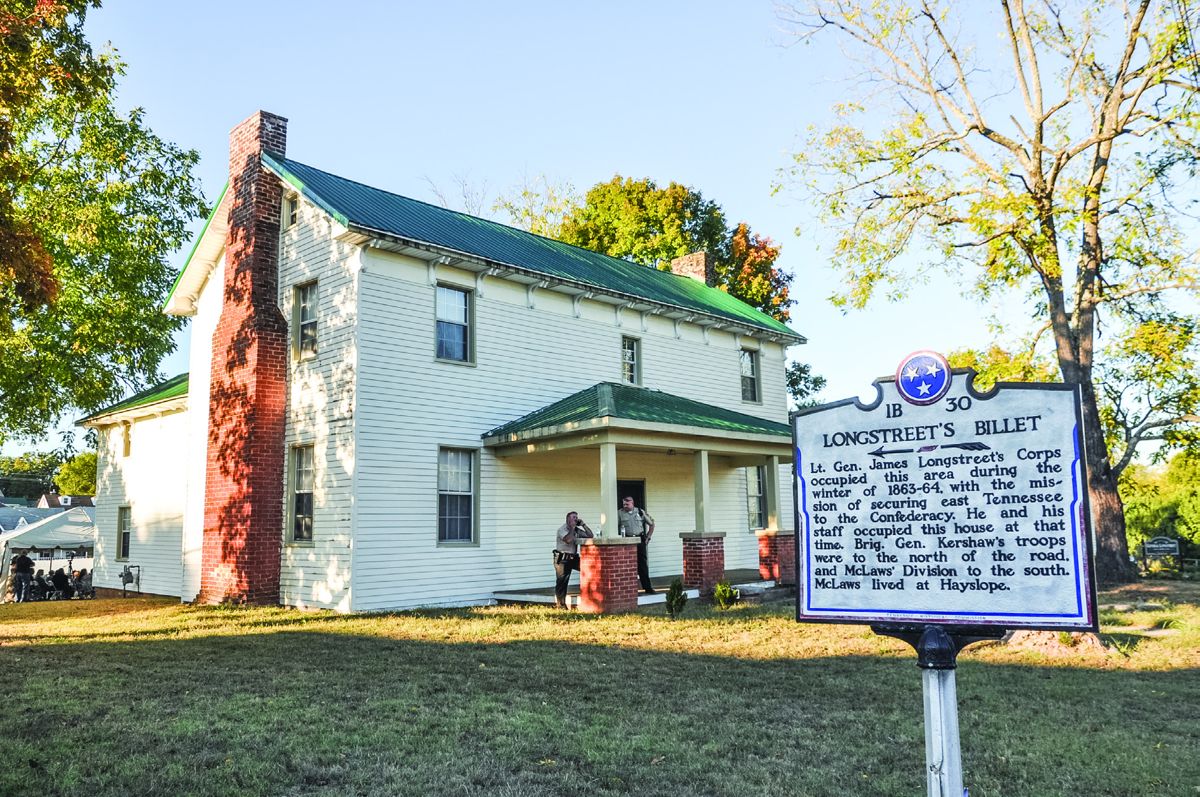
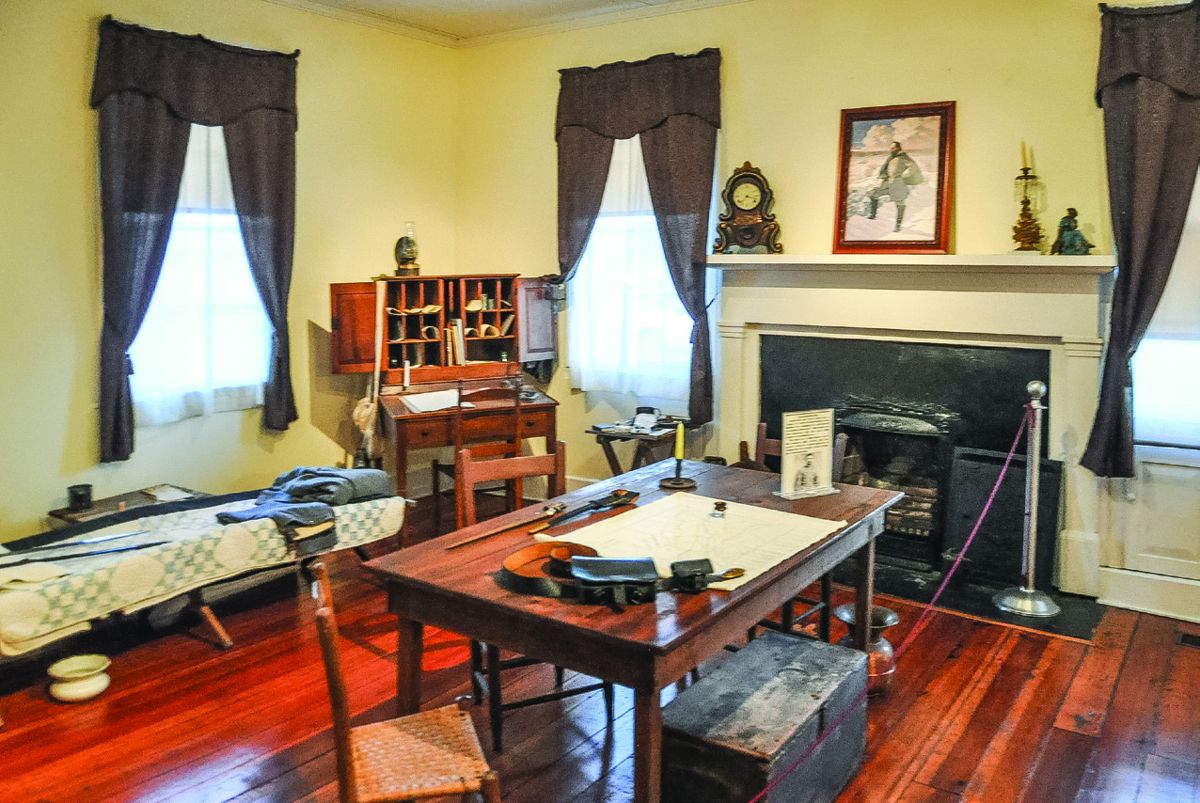
a corporation to pave the way for saving the property. The home had been modernized with electricity and water. However, it’s condition declined for a number of years in an unoccupied state. Just after the purchase of the property, an open house was held to show the community a bit of history, and to plant some seeds as to what the property could become. Many of the board members put in an incredible amount of time cleaning and repairing the location. Volunteers such as Steve Street have shown an ongoing dedication to making the dream a reality that cannot be calculated. At the time of the war, the Nenney home was located at an important crossroads. The train depot was nearby, and the telegraph wires were moved from there into the home. According to Dr. West, this is the only museum in the state with a Civil War-era communications room displayed. The original part of the home was built in the 1820’s and the addition in the 1840’s. The earliest deed dates to 1830 and the Nenney family lived in the home until the 1980’s. Lt. Gen. General James Longstreet and his First Corps, Army of Northern Virginia spent the Christmas of 1863 here. It was the coldest winter on record. A nearby mill was kept busy grinding grain twenty-four hours a day for the more than 18,000 soldiers. At the end of February, they moved to nearby Greeneville for a couple more months before moving back to Virginia and rejoining Robert E. Lee’s forces. Less than a month later Longstreet would be severely wounded at the Battle of the Wilderness. The General Longstreet Museum has made great strides in only ten years. The house was restored to its condition in 1863. The rooms were furnished with period furniture and artifacts that immerse the visitor in the time of Longstreet’s winter encampment. Local relic hunters have found a treasure trove in the surrounding hills, and have been generous in adding the artifacts to the museum collection. While relic hunters are frowned on in some quarters, here they have provided insight as to where certain units were camped by providing details of where artifacts were found. During the years the house underwent modernization, the front porch was enlarged and the Italian trim removed. Fortunately, the trim, as well as the original windows, were kept in a building on the property and survived. Steve Street has been slowly returning the shutters and is now returning the decorative trim to the home. The museum is also supported by the Bradford-Rose SCV Camp #1638 and Sam Davis UDC Chapter #410. The SCV camp has been on board from the beginning, and these historic organizations help present heritage festivals, Christmas tours, and Civil War encampments all for public education. A full-time staff provides home tours on a daily basis. These volunteers, along with the museum board, help bring the historic location to life. When here during Christmas in 1863 Longstreet expressed a fondness for buttermilk and cornbread as his Christmas meal. At each event, small cornbread muffins and buttermilk are offered to the guests. This always proves to be popular with visitors. It is in these small details that reflect the caring nature of those associated with the museum, and their desire to see the dream continue to grow as it becomes a reality. The General Longstreet Museum stands not only as a monument to Longstreet, his troops, the war in the area, but more importantly, those that dared stand in the way of progress to save a piece of history. The General Longstreet Museum is located at 5915 E. Andrew Johnson Hwy., Russellville, TN. 423-438-0968 or visit on Facebook and the website at http:// www.longstreetmuseum.com