
Franklin Symposium Studies Pivotal Battle
By Gregory L. Wade · Originally published January 2017 · p. 25
Franklin Symposium Studies Pivotal Battle By Gregory L. Wade FRANKLIN, TENN.—The Battle of Franklin Trust (BOFT) recently hosted a symposium called, “The Battle of Franklin and American Memory” that included two days of battlefield tours and lectures. The BOFT manages the Carnton and Carter House sites which are major centers for the Civil War period in Franklin and especially the November 30th, 1864 fight. It was at Franklin, about twenty miles south of Nashville, where the
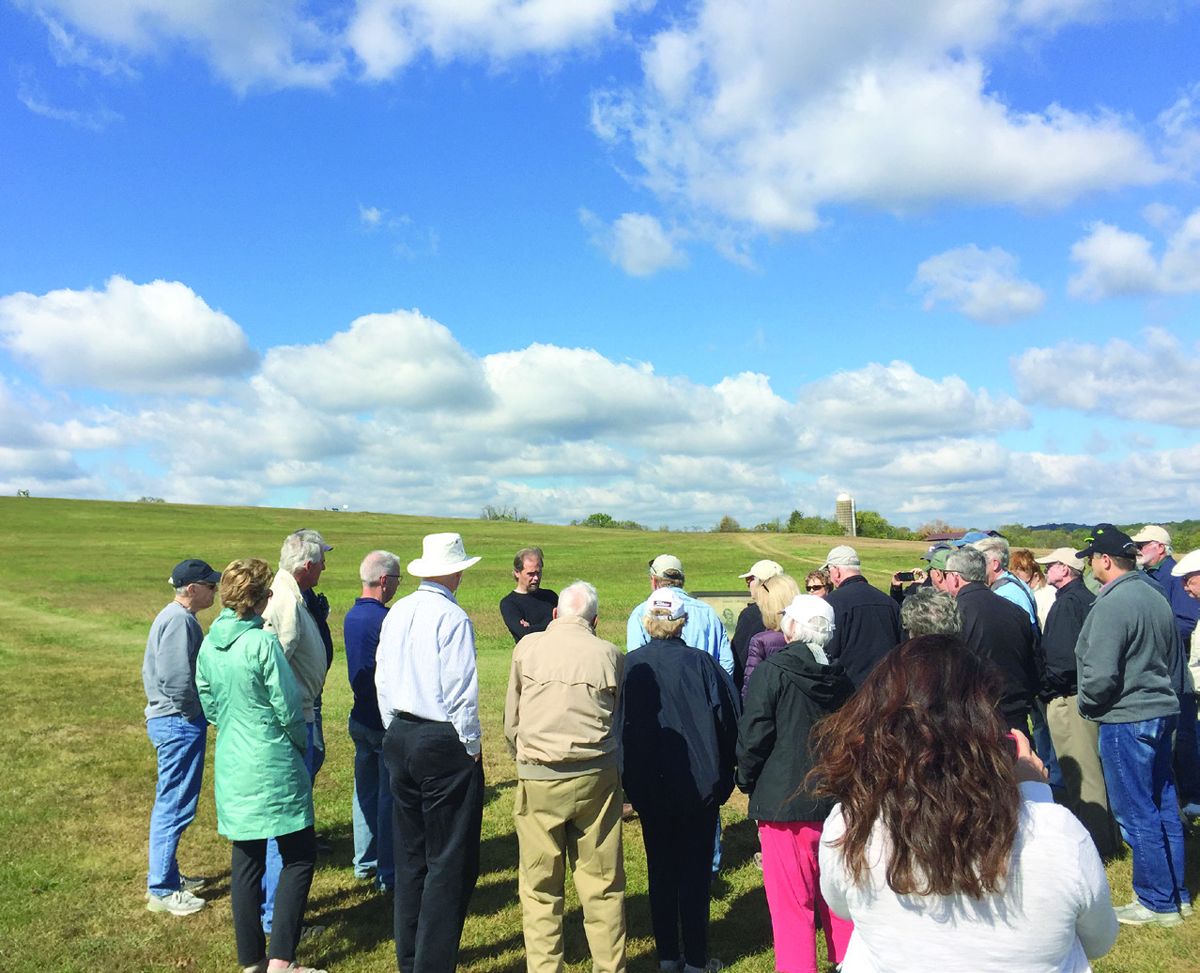
Army of Tennessee was effectively destroyed, and the Western Theater was largely lost to the Confederacy. The symposium’s first day began with a panel discussion led by Franklin Mayor Ken Moore. He discussed the importance of remembering the battle and how an entire “new generation” is visiting the newly interpreted sites. Moore referred to acreage now being saved in an area that was once considered “lost” to battlefield preservation as a “miracle of public and private cooperation.” Attendees came from several states and England and spent the first day touring battle sites around the Spring Hill community about fifteen miles south of Franklin. It was there Confederate General John Bell Hood’s Army of Tennessee, in events still surrounded by controversy, allowed the federal army under Maj. Gen. John Schofield, to escape to Franklin. This lost opportunity set up the next day’s epic battle. During the tour, assisted by the Franklin Civil War
Private Sam Watkins. (Kelly Gilfillan)
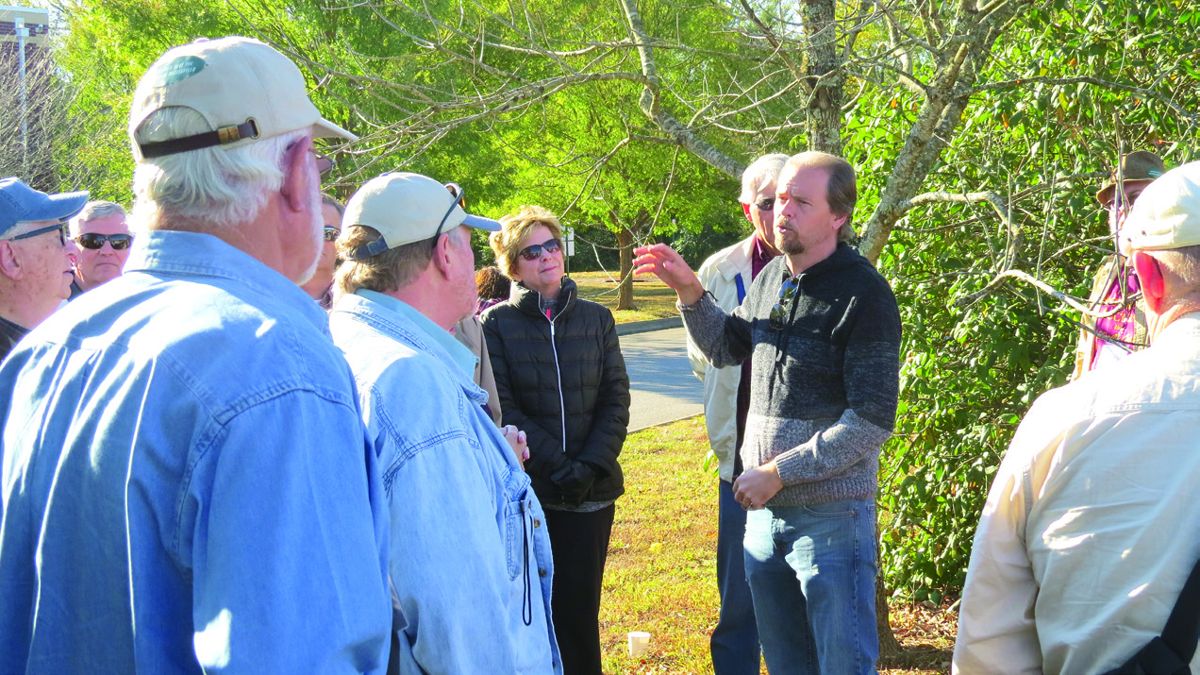
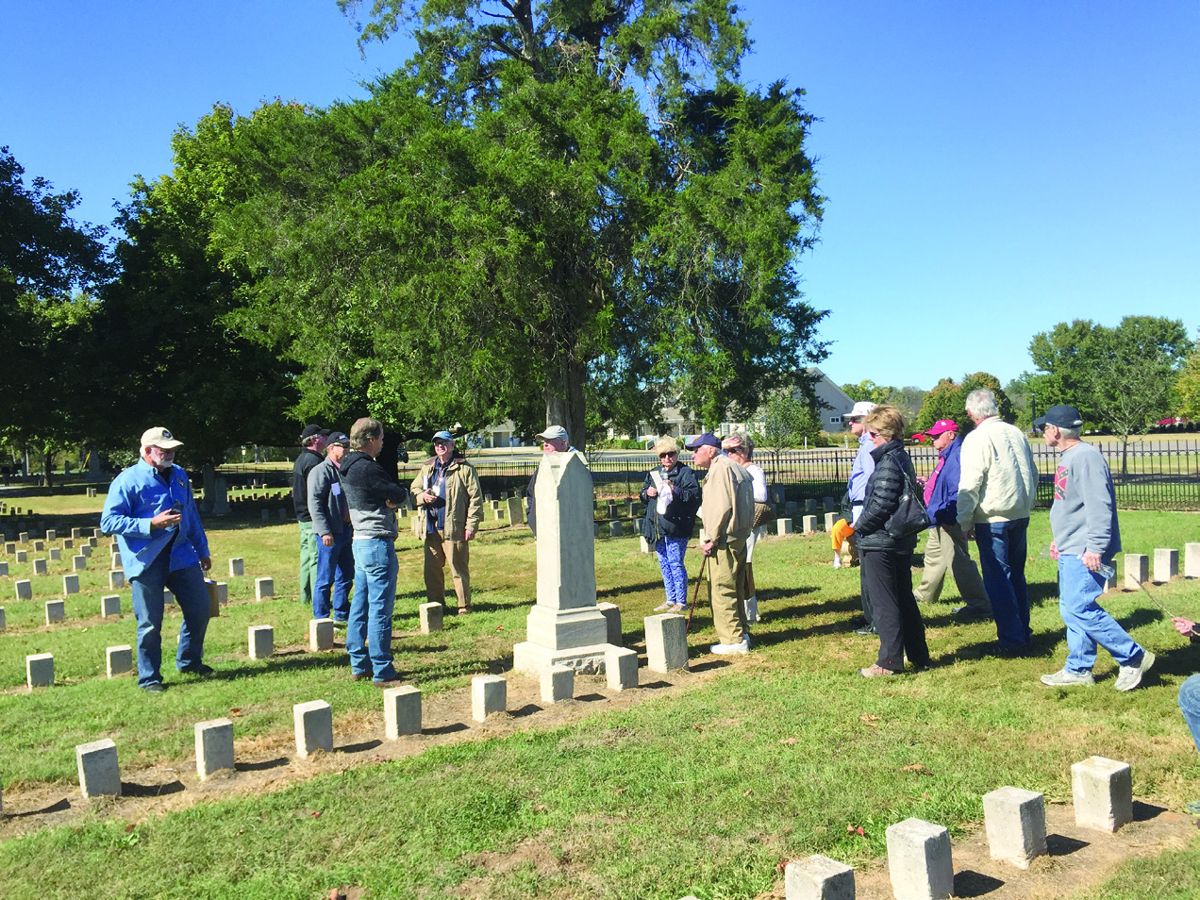
Round Table, attendees visited St John’s Church where General Pat Cleburne noted when passing by days earlier that it would be a good final “resting place.” After his death at Franklin, Cleburne would be interred at St. John’s before being moved to Helena, Arkansas in 1870. The tour also visited nearby Zion Cemetery to view the grave of Confederate veteran Sam Watkins. It was Watkins who wrote the classic account of the war in the west called, Company Aytch. Speakers at the events dinner included Chickamauga Battlefield Ranger Lee White who discussed his discovery of several pages from General Cleburne’s war diary detailed in an obscure late 1800’s newspaper report. The symposium concluded the next day with a tour of the Franklin battlefield including newly preserved areas as well as Carnton’s Confederate Cemetery. Houston’s Norman Lewis, a World War II veteran who served in the Philippines said, “You have to walk the ground to really understand the battle.”
Sam Watkins, veteran with the Army of Tennessee and author of the classic, Company Aytch, is buried in Mount Pleasant, near Columbia, Tennessee. The first day’s tour visited his grave site.