Inspection, ARMS!
Confederate Imported Enfield Artillery Carbines
By Tim Prince · Originally published February 2017 · pp. 12–13
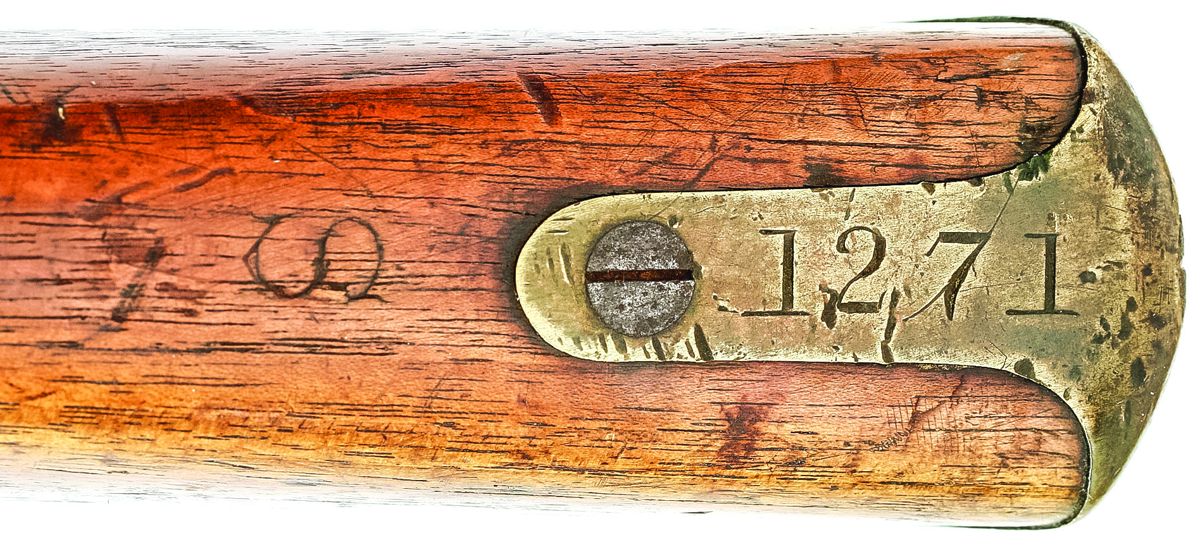
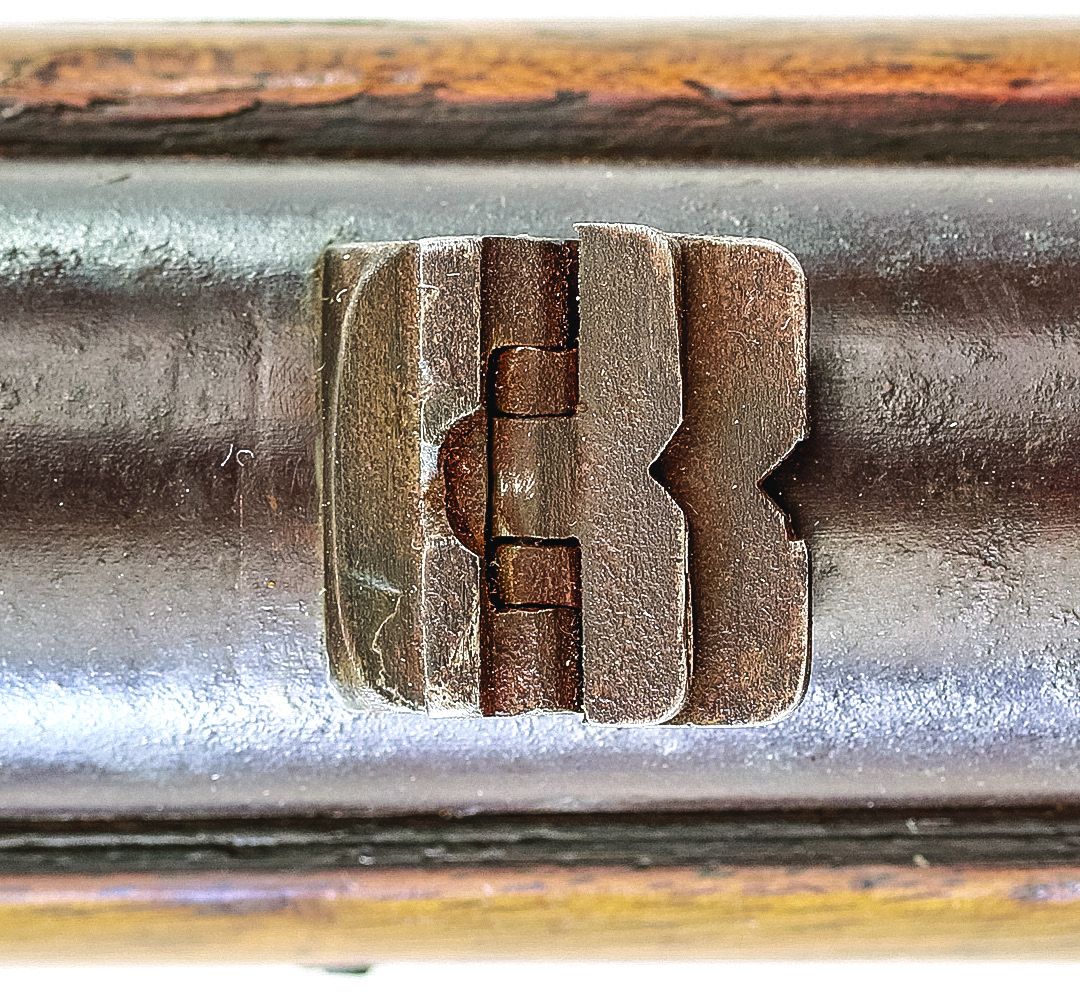
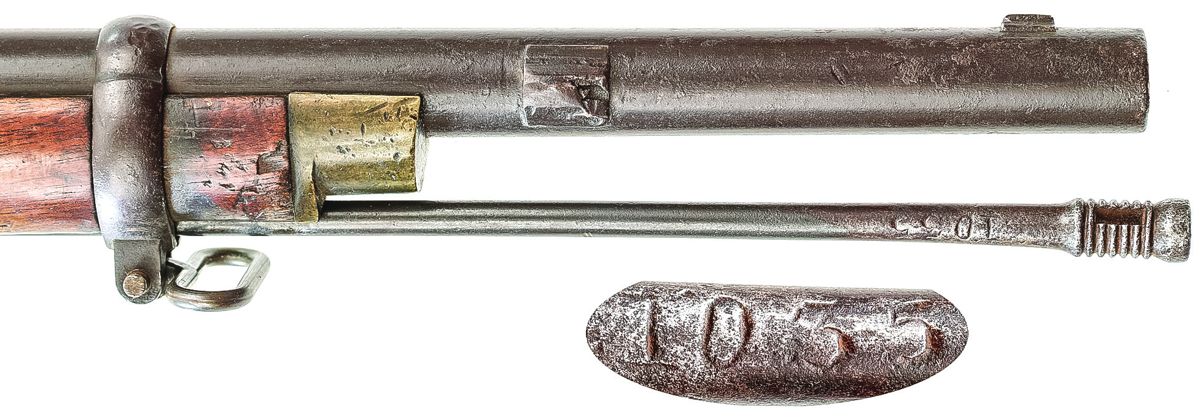
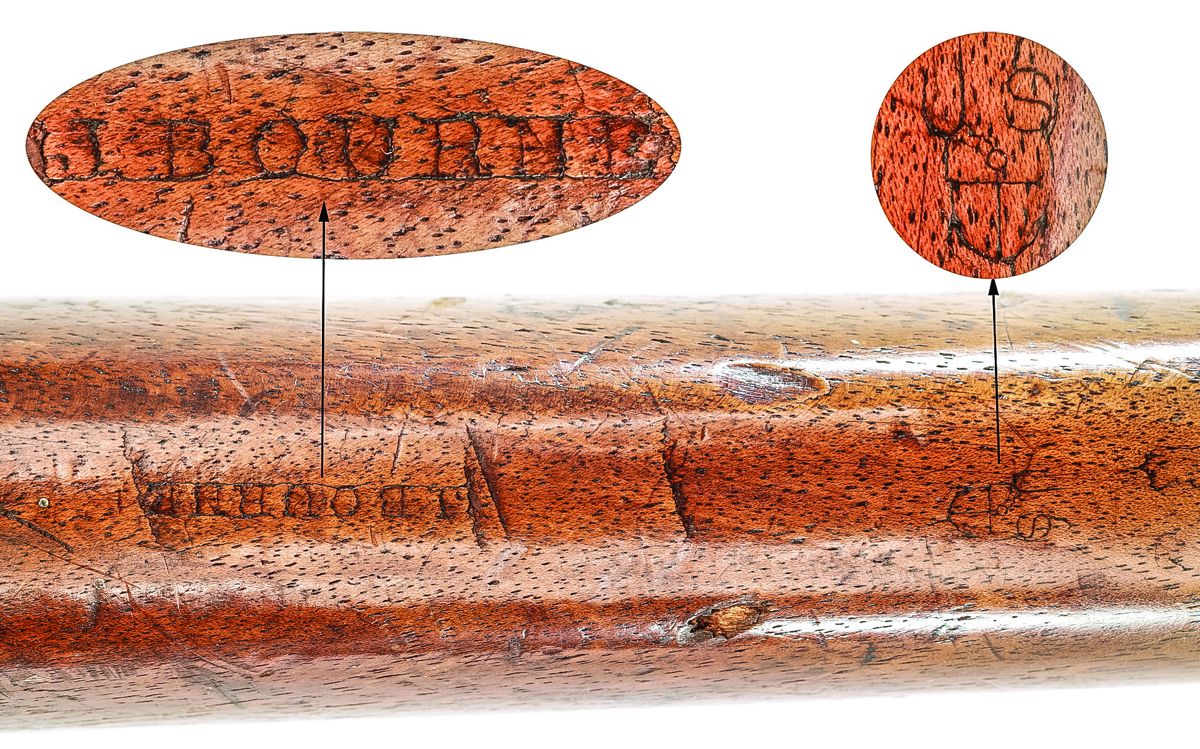
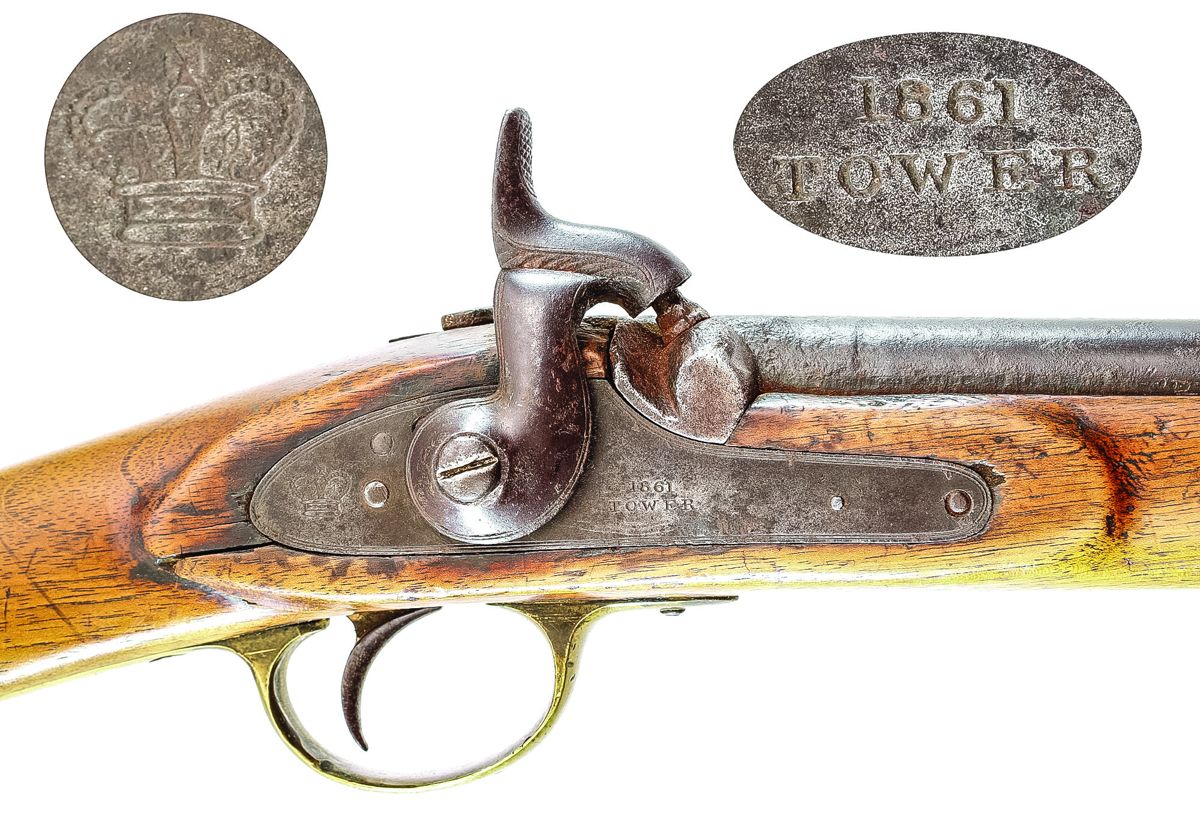
The Pattern 1853 family of .577 caliber British military percussion muzzleloading long arms that started with the Pattern 1853 “Enfield” Rifle Musket gave rise to a variety of shorter arms for use by “specialty troops.” These included several patterns of Enfield “Short Rifles” with 33” barrels, the Pattern 1856 Cavalry Carbine with a 21” barrel and swivel ramrod and the 24” barreled Artillery Carbine. The Artillery Carbine was produced in three variations during its service life; the Pattern 1853, Pattern 1853 Type II (aka Pattern 1858) and Pattern 1861. The Artillery Carbines were intended for troops who might have the need for a long arm, rather than a handgun, but did not need to be encumbered with the weight and length of either the Pattern 1853 Rifle Musket (“Long Enfield”) or one of the various Pattern 1856/58/60/61 Enfield “Short Rifles.” The Enfield Artillery Carbine was intended to fill the same basic needs of the mid-19th century British military as the U.S. M-1 carbine did for the American military during the World War II and Korean War eras. The Artillery Carbines were only intended for use by specialty troops in the British Army and were produced in very small numbers. As a result, they are not commonly encountered today. During the American Civil War, Enfield Artillery Carbines were imported by both the North and the South, but in extremely small numbers when compared to the totals of rifle-muskets and rifles purchased from Great Britain. This makes Civil War used examples of these guns very scarce, and quite difficult to obtain. The Pattern 1853 Artillery Carbine was adopted by the British military in January 1853, with the initial contracts being let in October. Like the rifle musket that it was patterned on, it was a .577 caliber, muzzleloading, percussion ignition long arm. The gun was brass mounted and 40” in overall length. The 24” barrel was rifled with three grooves, making one turn in 78” and had a bayonet lug mounted on the right side near the muzzle. The bayonet was a semi-Yataghan saber bayonet, of the same basic design as that used on the Enfield pattern “short rifles.” The bayonet for the Artillery Carbine was the only one in British service (at that time) to utilize an all metal scabbard, instead of the more commonly encountered iron mounted leather one. As initially produced, the carbine had a simple three-leaf rear sight, graduated for 100, 200 and 300 yards. A sling swivel was mounted on the upper of the two-barrel bands and one was screwed into the toe of the stock, behind the triggerguard tang. The first pattern carbines also utilized a semi-tulip head ramrod, similar to that found on Type I and early Type II Pattern 1853 Rifle Muskets. The primary pattern changes to the Artillery Carbine occurred in 1858 and 1861. The new Pattern 1853 Type II Artillery Carbine (or Pattern 1858) adopted the progressive depth rifling system that had been used successfully on the P-1853 Rifle Musket. At this time, the ramrod was Detail of engraved Confederate inventory number on the officially changed to the jag-head buttplate tang and the Scott & Son furnisher mark on the comb pattern adopted for the P-1853 of the stock. Rifle Musket as well. There were some other minor structural Carbines were imported by by one of Sinclair, Hamilton & changes, including removal of either side during the course of Company’s favorite gunmakers the short guide (or key) on the American Civil War. All extant and retailers; W&C Scott & Son bayonet lug, design changes in Civil War used examples of the of Birmingham, England. All the ramrod retention spoon, as Artillery Carbine are Pattern 1853 extant examples of Confederate well as to the brass nose cap, all Type I or Type II, with some guns marked Pattern 1853 Artillery of which made the gun more like having features of both variants; Carbines that are known to exist the then current production “Type usually the Type II ramrod with above #409 are marked with Scott’s furnishers mark, a large III” Rifle Musket. The final major earlier bayonet lug and rifling. As previously noted, extant S on the stock comb, forward of innovations took the form of the Pattern 1861 Artillery Carbine. Civil War used Enfield Artillery the buttplate tang. This suggests This carbine variant adopted the Carbines are quite scarce, due to that Scott delivered approximate5-groove rifling system, which their limited purchase and impor- ly 1,100 of the 1,500 guns (from had become standard on all short tation by the combatants. U.S. #400-#1,500). The seven known examples rifles in 1860, and also adopted a Ordnance Department documents new rear sight graduated to 600 indicate that somewhere between under #409 consist of three Biryards. The new rear sight was 480 and 730 were imported by mingham produced carbines from now visually very similar to the the U.S. military, but it is difficult various makers and four London rifle and rifle musket rear sights, to determine the exact number, Armoury produced carbines. To with a long base and ladder with as language in the Ordnance De- date, based upon a survey and an elevating bar. The rounded partment descriptions is some- inventory of extant examples Baddeley Patent barrel band was what vague. Southern importa- taken over more than twenty-five also adopted for the lower band tion was significantly greater, but years, a total of thirty-two Conof the Pattern 1861 Artillery to date only about 4,500 Enfield federate numbered Enfield ArtilCarbine. There is no indication Pattern Artillery Carbines can be lery Carbines are known to exist. that any Pattern 1861 Artillery documented as being purchased Birmingham contractors appear by Confederate central govern- to have manufactured most of ment agents. These Confederate these numbered guns, except for purchases have been identified as a small block of approximately a contract for 1,500 of the Pattern forty manufactured by the Lon1853 Artillery carbines, which don Armoury Company. These were delivered in late 1861 and L.A.C. produced guns appear to early 1862, as well as additional have had inventory numbers becontracts from several sources tween 241 and 280. The London that bring the total purchases to Armoury guns are the early, Type around 4,500. I pattern with the extended key The 1,500 early contract guns on the bayonet lug and standard were inspected and marked in the (non-progressive depth) rifling. same manner as the 2nd Sinclair, However, almost all known exHamilton & Company contract amples have the later Type II Pattern 1853 Enfield Rifle Mus- jag-head ramrods. The lowest kets, and the associated Short number of a Confederate purRifle contract. Those guns were chased Enfield Artillery Carbine marked with John Southgate’s JS recorded to date is #62 and the / ANCHOR viewers’ mark in the highest number is #1482. Only wood behind the triggerguard, four examples retain their origian engraved inventory number nal matching numbered ramrods. on the brass buttplate tang and Among these is number 205, in the ramrod shank, as well as on the collection of the Smithsothe reverse pommel cap of the nian Institute (accession #50774, matching saber bayonet. It ap- catalog #257006). This gun was pears that most Pattern 1853 Ar- probably produced by J. Cook of Close up of the lock and lock markings of Confederate imported Enfield Artillery Carbine #1271. tillery Carbines were delivered Birmingham, as his mark is inside the lock. The gun was transferred to the Smithsonian’s collection from the collection of the Philadelphia Navy Yard, suggesting that it was a blockade runner capture. As the guns were typically packed twenty to a crate, and were numbered sequentially within the cases, it can be safely assumed that Artillery Carbines numbers 201-220 were all captured. Interestingly, no other guns from that captured crate are known to exist. Other than the 1,500 numbered Artillery Carbines, some additional 3,000 guns appear to have been purchased by Confederate buyers as well. Some of these additional guns were purchased from English arms speculator William Grazebrook. At least 220 Artillery Carbines are listed in the inventory of the blockade runner, Fingal, which made its delivery of arms into the port of Savannah, Ga., on Nov. 14, 1861. Additional carbines were listed aboard the Confederate blockade-runners Stephen Hart and Harriett Pinckney. The Stephen Hart cargo included thirty-three cases (660 guns), and the Harriett Pinckney carried an additional four cases (80 guns) that Huse purchased from S. Isaac, Campbell & Company. The Stephen Hart was captured on Jan. 29, 1862 and the entire cargo was auctioned on May 22, 1862 in the New York Prize Court. It is possible that Artillery Carbine #205 (mentioned above) was part of that cargo, as the U.S. Navy bought that lot of guns at the Prize Court auction. Between 1863 and 1864, some additional 3,400 “artillery carbines” were delivered into the port of Wilmington, NC, by a variety of Confederate blockade-runners. However, it is not clear if these guns were all “Enfield” pattern or may have also included other patterns of European “artillery carbines” such as the Austrian Extra-Corps Carbines based upon the M-1854 Lorenz rifle musket. The Pattern 1853 Enfield Artillery Carbine was particularly popular with Confederate General J.E.B. Stuart, the commander of the Army of Northern Virginia’s cavalry corps. An Oct. 7, 1862 missive from Stuart to General Robert E. Lee states in part: “Application from General Stuart, commanding cavalry, to exchange rifles, for the Enfield carbines (artillery) (emphasis added) in the hands of our infantry.” This not only indicates Stuart’s preference for the shorter barreled arms, but also indicates that some of these guns were seeing service in the ranks of Confederate infantry around the time of the battle of Antietam (Sharpsburg). The fact that the Artillery Carbine accepted a saber bayonet of the same pattern as the Pattern 1856/58/60 rifles certainly made it a handy weapon for light infantry and skirmishers, but Stuart felt it was more appropriately suited to cavalry use. As Stuart was particularly biased against the captive, swivel ramrod used on the Pattern 1856 Enfield Cavalry Carbines, the Artillery Carbine was probably the best choice from that family of arms for the use of cavalry, from his perspective. With significantly less than forty extant examples of Confederate inventory numbered Pattern 1853 Artillery Carbines known to exist, these guns represent some of the scarcest of all Confederate imported long arms. It is possible that some Confederate inspected Artillery Carbines were not numbered and bear other inspection marks exist, but they have not appeared on the collector market that I am aware of. For a collector of Confederate import arms, the
Toe of the stock of Confederate Artillery Carbine #1271 showing the JS / Anchor viewers’ mark inventory numbered, JS/Anchor marked P-1853 Artillery Carbine remains one of the hardest items to obtain, and even very rough examples bring rather stiff prices when they are found for sale. In an attempt to continue to update and improve our data base of extant Confederate numbered Enfield pattern long arms that were purchased by the Confederacy, I invite any collector who has one of these guns to contact me via the publisher, in order to make sure that your gun is properly noted in our data base. Tim Prince is a full-time dealer in fine & collectible military arms from the Colonial Period through WWII. He operates College Hill Arsenal (www.collegehillarsenal. com), a web-based antique arms retail site.
A long time collector & researcher, Tim has been a contributing author to two major book projects about Civil War era arms including The English Connection and an upcoming book on southern retailer marked and Confederate used shotguns. Tim is also a featured Arms & Militaria appraiser on the PBS Series Antiques Roadshow.