How Yankees Turned a Raglan and Shawl into a Dress and Petticoats
By Stephen Davis · Originally published December 2017 · p. 39
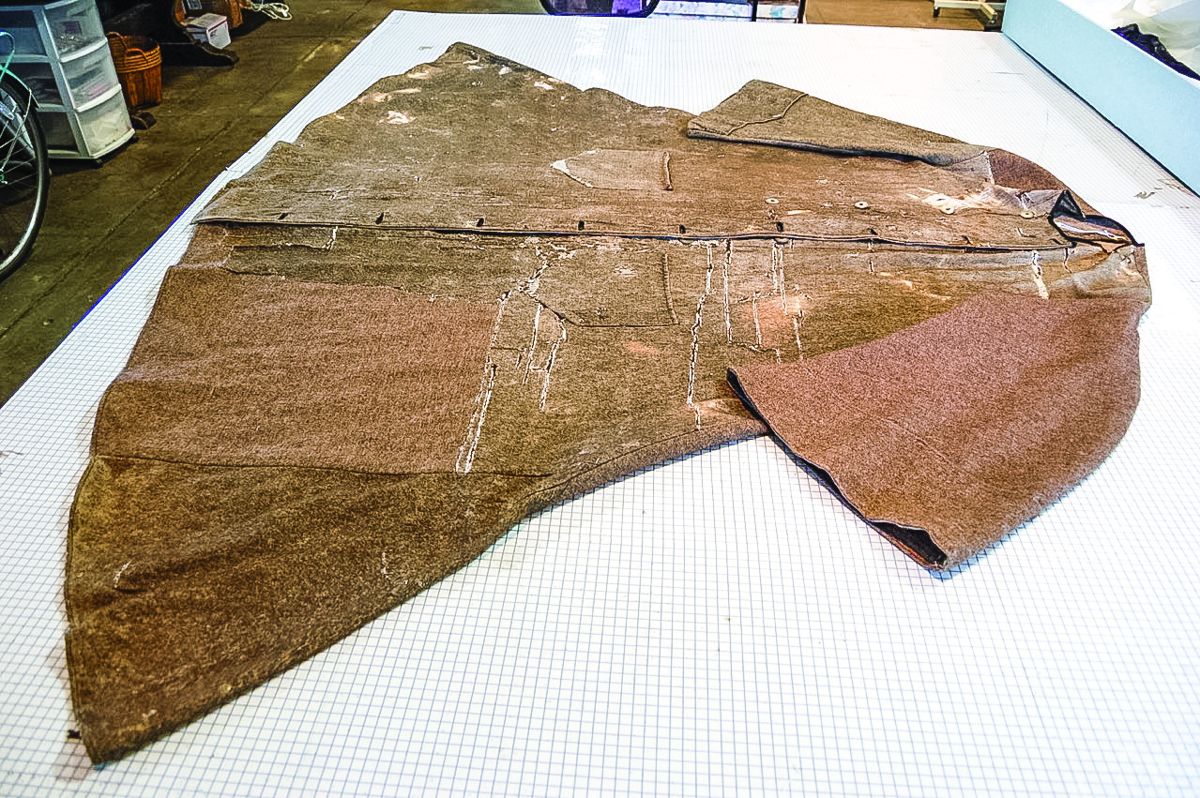
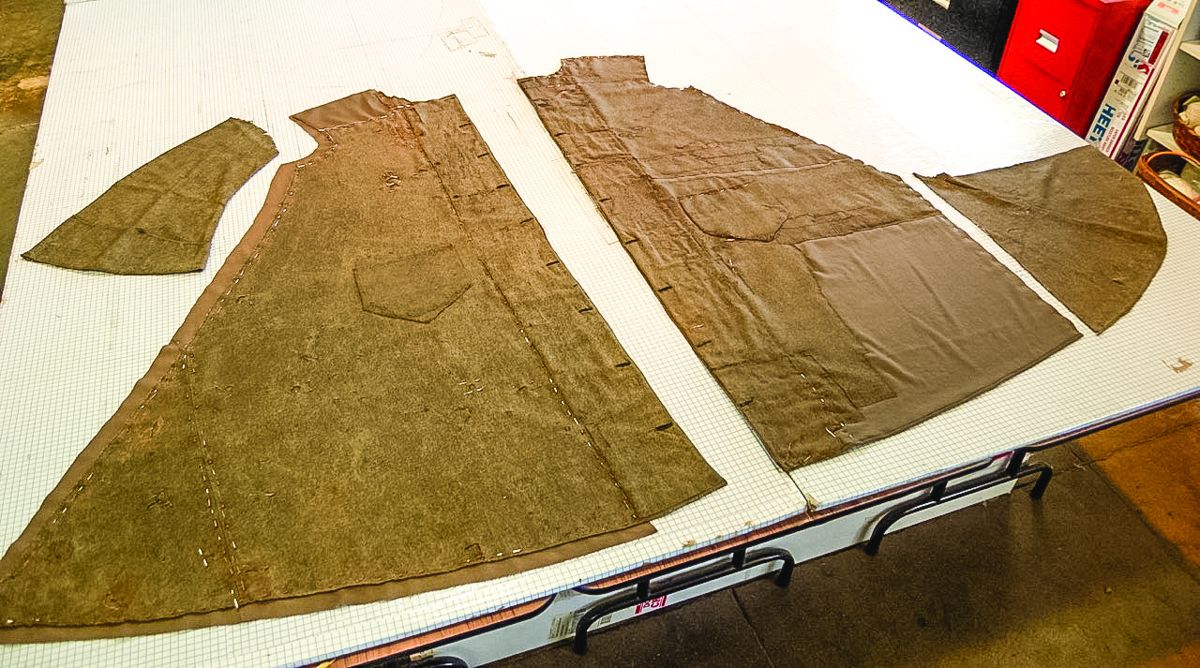
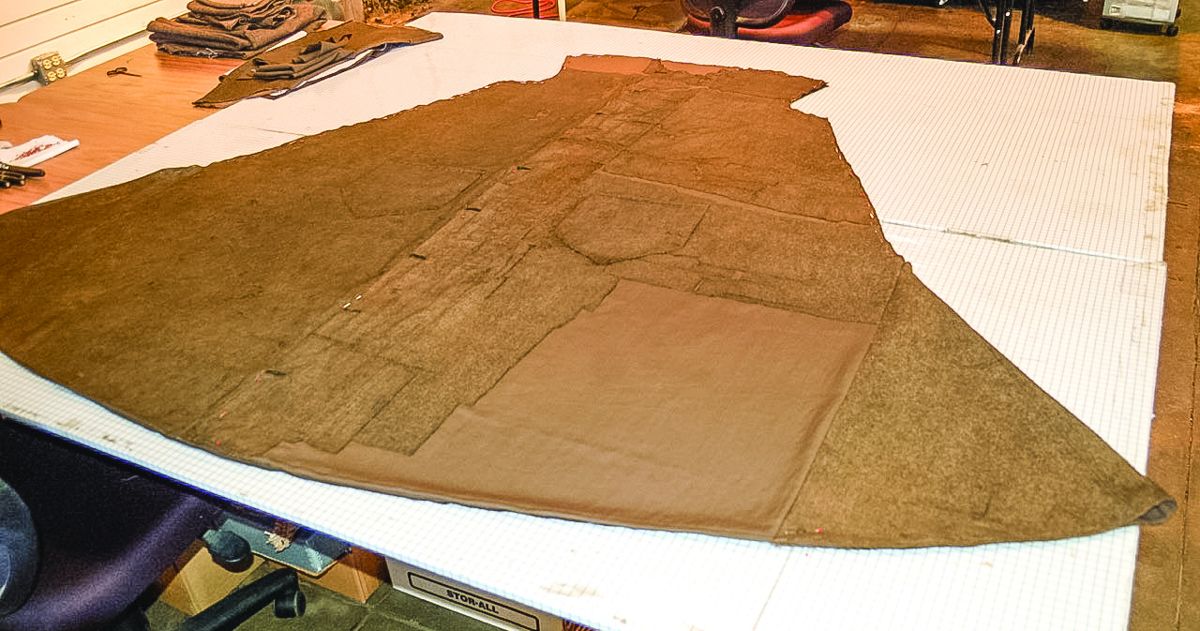
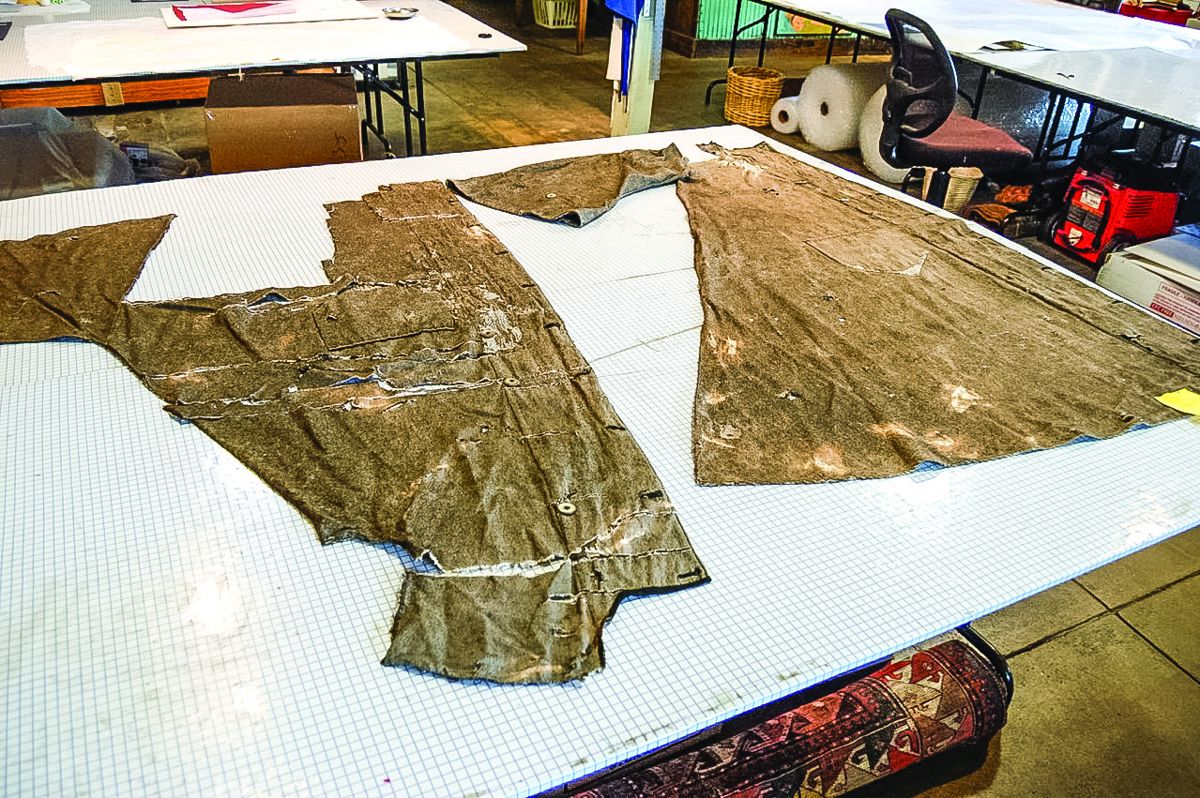
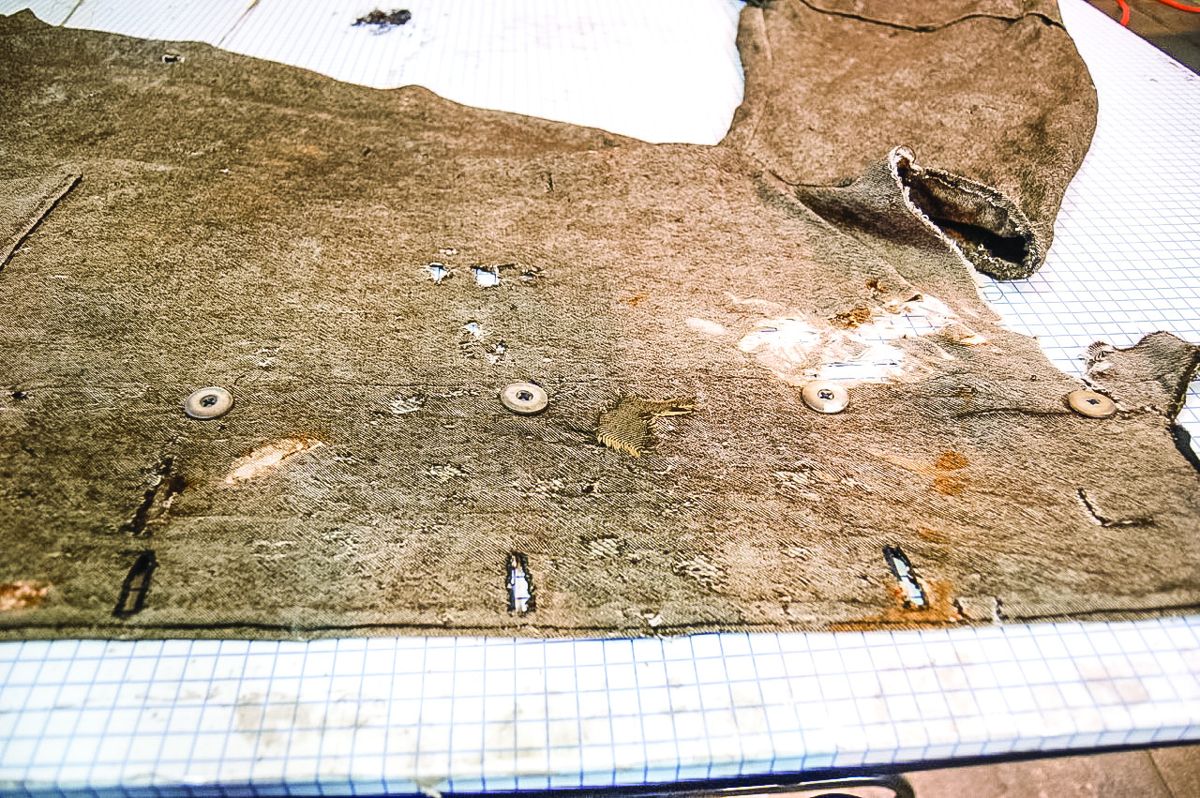
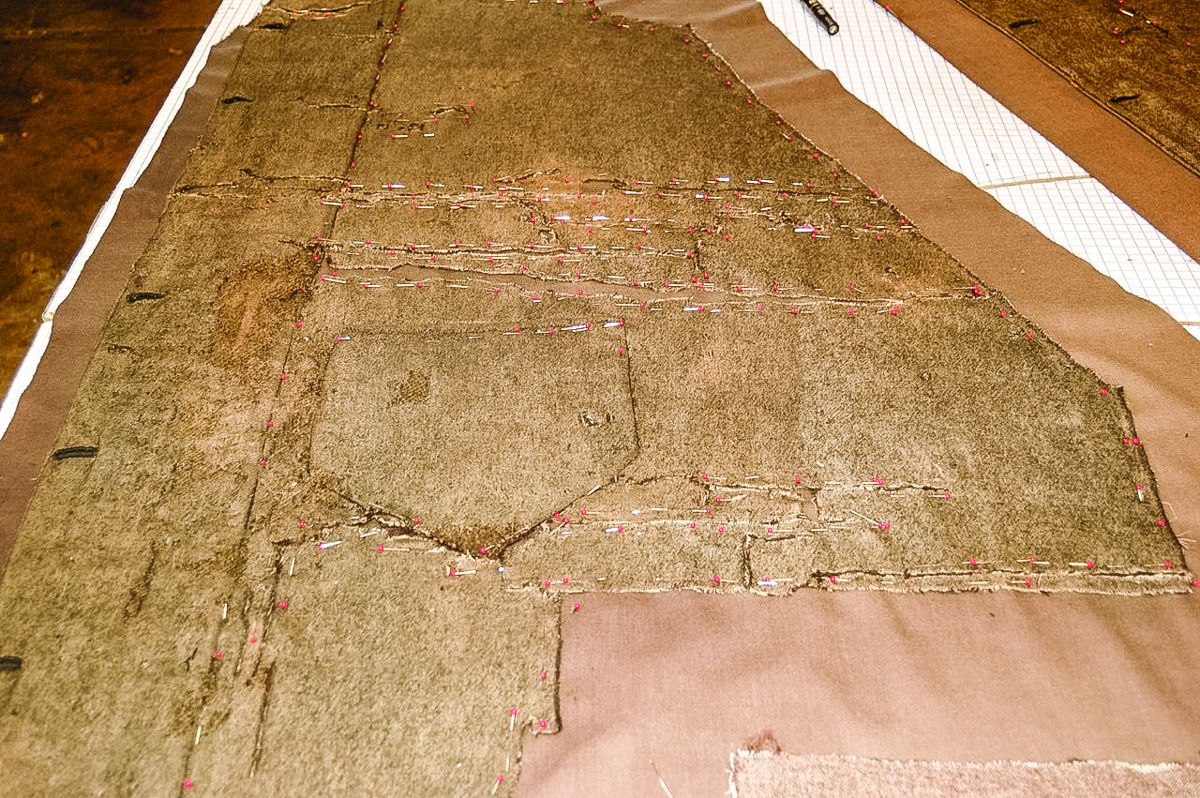
On May 10, 1865, Union cavalry captured Jefferson Davis in south Georgia, as the Confederate president tried to escape, in hopes to carry on the war. In his memoir, The Rise and Fall of the Confederate Government (1881), Davis explains that as the Federals closed in around his camp, “I picked up what was supposed to be my ‘raglan,’ a water-proof, light overcoat, without sleeves; it was subsequently found to be my wife’s, so very like my own as to be mistaken for it; as I started, my wife thoughtfully threw over my head and shoulders a shawl.” Davis recalled that he had not gone more than twenty yards before a trooper caught him. The Yankee demanded his surrender, “to which I gave a defiant answer, and, dropping the shawl and raglan from my shoulders, advanced toward him.” Davis was caught and, as we know, hauled off to imprisonment and a threatened treason trial that never happened. Davis was released from prison in 1867, after Northerners’ vengeance had abated. In mid-May 1865, however, wartime passions raged high. Eager to humiliate the Rebel leader, the New York Herald on May 15 headlined that Davis “Disguises Himself in His Wife’s Clothing.” The Northern press spread the story and within a month Frank Leslie’s Illustrated Newspaper featured a wood engraving of Davis being caught in the woods by a Union soldier, dressed “in petticoats, morning dress and a woolen cloak.” Other cartoonists had a field day: the shawl became a bonnet; the raglan turned into a dress, even a hoopskirt. The effect, as Mark Neely, Harold Holzer and Gabor Boritt state in The Confederate Image (Chapel Hill, 1987), “was to emasculate Davis.” Lithographed cartoons of Jeff Davis in drag poured forth in the North, as did songs such as “Jeff in Petticoats.” “Emasculation,” Neely et al. assert, “was perhaps the worst punishment in nineteenth-century America’s male-dominated culture.” Fortunately, the raglan coat, as Jessica Hack explains in the accompanying article, survives, and has been conserved as a relic from Davis’ capture. Also lingering in the popular imagination today is the scurrilous allegation that the Confederate president was caught trying to escape in his wife’s dress. Wartime stories, once accepted widely, are hard to dispel.