
The Source
Medical and Surgical History of the Civil War
By Michael K. Shaffer · Originally published August 2017 · pp. 16–17
Medical and Surgical History of the Civil War
Medical and Surgical History of the Civil War book cover. “Medical Directors of Armies in the field, forward, direct to the Surgeon General at Washington, duplicates of reports…after every engagement.” These words, from General Orders No. 355, issued November 4, 1863, set the stage for the eventual publication of the Medical and Surgical History of the War of the Rebellion. The architect of this directive was U.S. Surgeon General William Alexander Hammond. The nation’s chief medical officer would not occupy his post long enough to fulfill his dream of compiling the written medical history of the war; he lost his job in 1864, as a result of suggesting a ban on the use of certain mercurial poisons, like calomel. Joseph K. Barnes replaced Hammond; thus the Medical and Surgical History appeared under his name. Post-Hammond, others carried the torch. They continued to collect records via the method Hammond had put in place, and at war’s end, they began the work of compiling, editing, and writing. Operating under the purview of the Army Medical Museum another of Hammond’s ideas surgeons Joseph J. Woodward and George A. Otis comprised the editorial board for sorting through the thousands of collected records. Dividing the responsibilities, Woodward would tackle the medical records, while Otis concentrated on the surgical chronicles. Each topic would receive three volumes, resulting in a six-volume collection. The first volume came off the press in November 1870; the final installment appeared in 1888. As the work progressed through the years, Otis died in 1881, and Woodward passed in 1884. Surgeon D.L. Huntington took over the work of Otis, and Surgeon Charles Smart pickedup the medical writing after the death of Woodward.
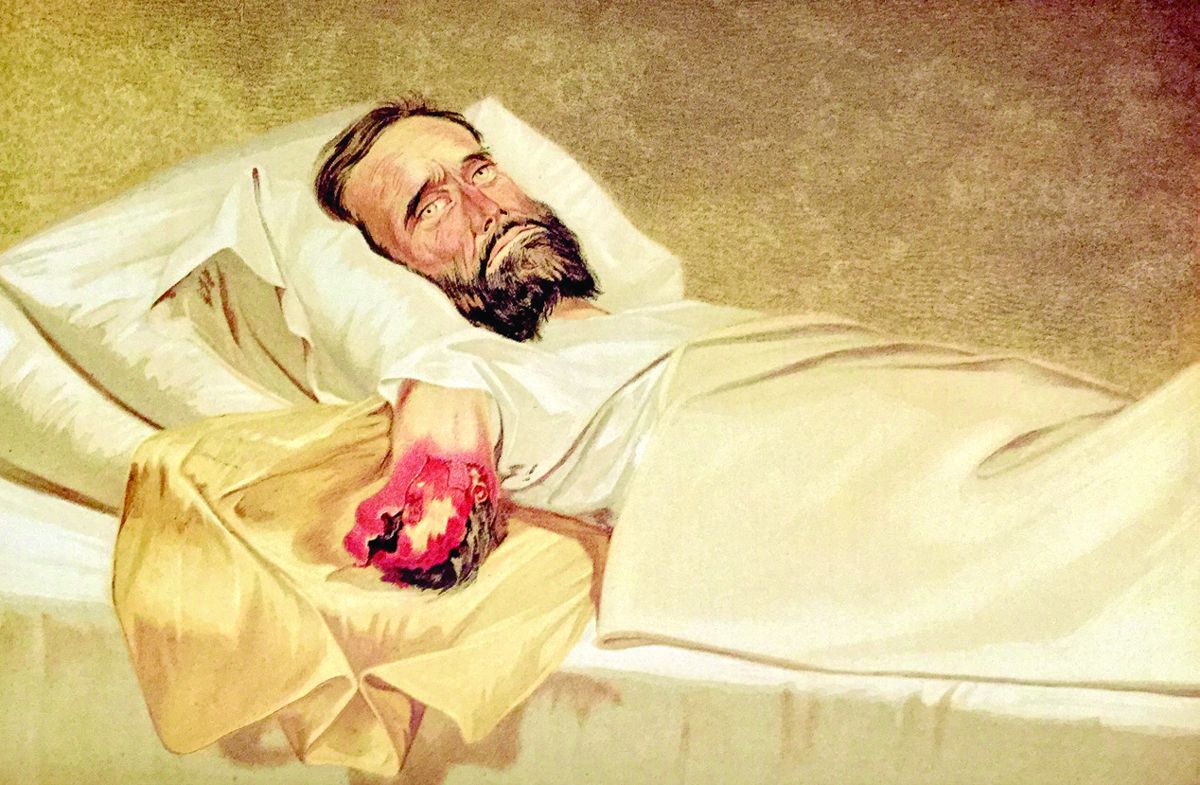
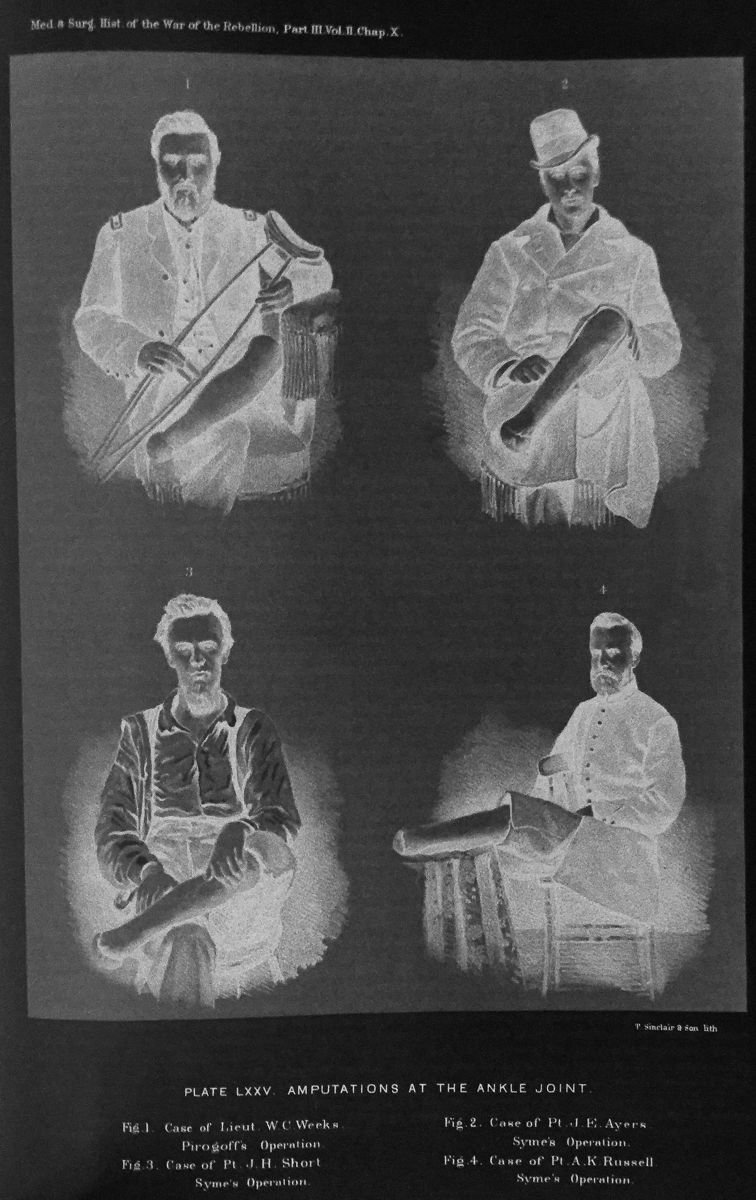
U.S. Surgeon General William A. Hammond. Each of the editors mentioned above followed the initial template, which specified the medical volumes would contain statistical reports in the first volume; reports with more than 100 tables organized geographically and by a military group. Diarrhea and dysentery occupied the focus of the second installment; the final medical work dealt with camp fevers and all other diseases not covered in the first two volumes. The surgical portion of the collection reported on wounds of the head, face, neck, spine, or chest in the first volume. Battle wounds to the torso, back, or upper extremities comprised volume two. Injuries to lower extremities, especially those leading to amputation, along with miscellaneous wounds not covered earlier, rounded out the final surgical edition. The six volumes contained approximately 1,000 pages each. Researchers will uncover a wealth of information within the pages of these records. Although Civil War surgeons, North and South, received significant criticism for their procedures, in total, they performed very well—given the knowledge they possessed— and saved many lives through four years of war. Their detailed notes, as found in the collection, validate this claim. In addition to the accounts of treating the sick and wounded, thousands of woodcut illustrations dot the pages, along with a fabulous collection of color plates. All of these images show numerous types of injuries to soldiers, and some depict their progress through the various stages of treatment.
Throughout the postwar period, the editors inspected pension claims of many soldiers. Often, these applications contained information of lingering diseases or wounds. Coupled with the “30,000 cases and 7,630 specimens” compiled during the war, the pension claim information enabled the editors to elaborate on the long-term effects. While the majority of the material found within the pages of the Medical and Surgical History deal with Federal soldiers, the editors did include several Confederate records. The completed collection proved very successful, and after obtaining additional funds from Congress, the Army Medical Museum printed extra copies, which they shipped to universities, doctors, libraries, and medical officials in Europe. Practitioners abroad considered this “…to be the definitive repository of military medical experience,” thereby marking “…the first major American Academic medical contribution to be recognized in Europe.” Broadfoot Publishing reprinted the collection between 1990 and 1992, reducing the size of each volume to a more manageable page count, which resulted in a 12-volume set instead of the original six books. Broadfoot also changed the name to Medical and Surgical History of the Civil War, and of greatest importance to researchers, they added a three-volume index. Including the index, the complete Broadfoot set to-
Color-plate sample.
The Source By Michael K. Shaffer tals 15 volumes and 7,505 pages. James I. Robertson Jr. and team compiled the index, and Dale C. Smith, in his review, found their work a most valuable contribution. “The Medical and Surgical History has always been a gold mine of information; with the index, the utility of these volumes is now limited only by the imagination of the user.” Smith also indicated, rightfully so, the social issues, which the index opens for exploration. In cross-referencing topics such as ‘camp life,’ ‘prisons,’ ‘hospitals,’ ‘food and diet,’ and ‘weather,’ researchers can glean insight far beyond medical practices. Those seeking printed copies can obtain them from Broadfoot Publishing, at http://www.broadfootpublishing.com, or check WorldCat http://www.worldcat.org/ for help in finding the collection in a local library. A few websites contain digitized versions of the Medical and Surgical History. This writer prefers the U.S. National Library of Medicine, at https://collections.nlm.nih.gov/catalog/nlm:nlmuid-14121350Rmvset, where users can view pages online, conduct searches, or download PDF files. A reviewer abroad perhaps best captured the value in this collection. “The greatest exactness in detail, careful statistics even in the smallest matters, and a scholarly statement embracing all sides of medical experience are here united, in order to preserve and transmit to contemporaries and posterity…the knowledge purchased at so vast an expense.” Please keep suggestions for future ‘The Source’ columns coming; send them to the email address shown below. Continued good luck in researching the Civil War! Michael K. Shaffer is a Civil War historian, author, lecturer, and instructor, who remains a member of the Society of Civil War Historians, Historians of the Civil War Western Theater, and the Georgia Association of Historians. Readers may contact him at [email protected], or to request speaking engagements via his website www.civilwarhistorian.net. Follow Michael on Facebook www.facebook.com/ michael.k.shaffer and Twitter @ michaelkshaffer