Slaughter At Spangler’s Spring
By Joseph Bordonaro · Originally published October 2016 · p. 19
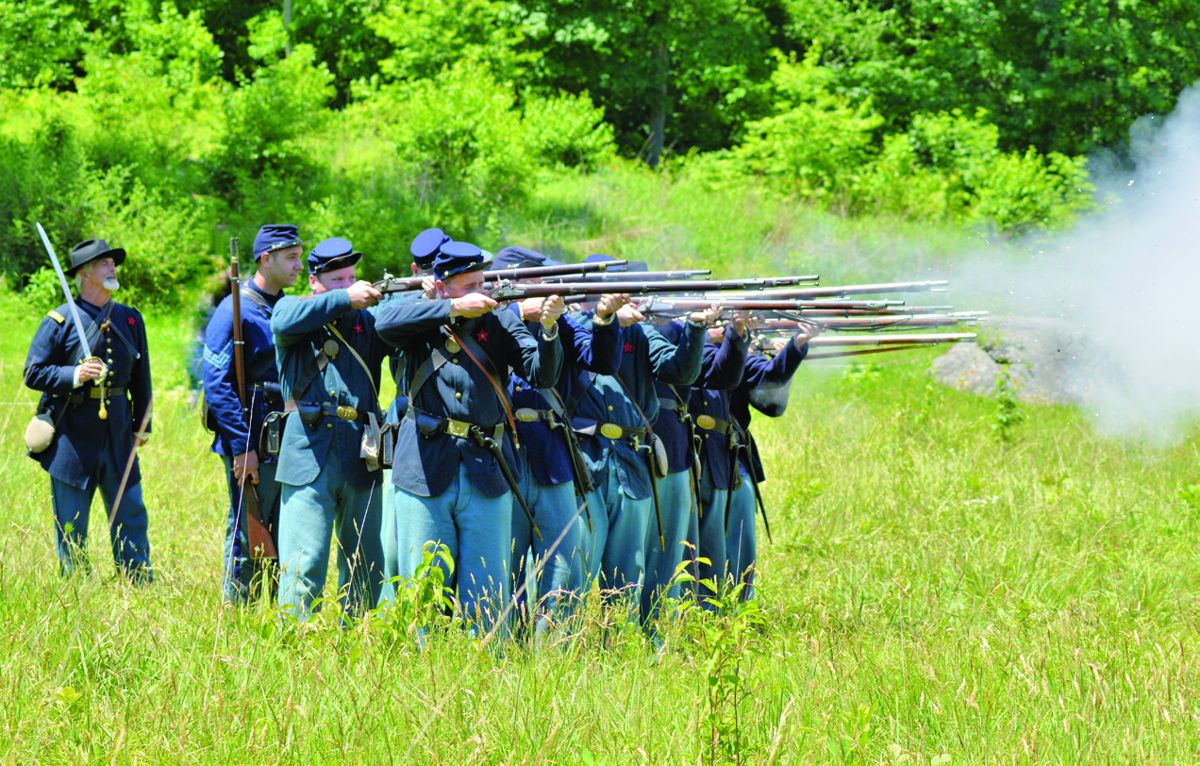
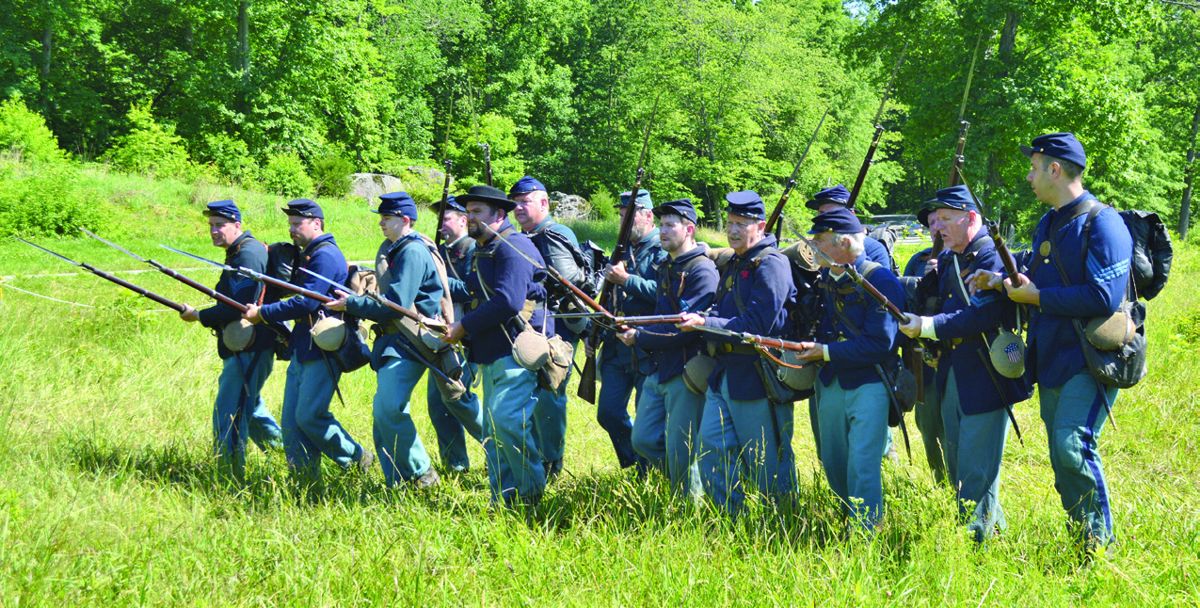
At around 4 am on the morning of July 3, 1863, elements of the Union Army’s XII Corps attempted to reoccupy the entrenched positions that they had left in the late afternoon of July 2nd. They had been sent to reinforce the center of the Union line, which Union commander General Meade feared was breaking under Longstreet’s assault. However, when they got back to the area of Spangler’s Spring, the XII Corps soldiers discovered that Confederates were holding their works. The Confederates were, however, having no success in their attempts to capture the higher slopes of Culp’s Hill. Confederate General Steuart’s men (the closest Confederate force to Spangler’s Spring), in fact, were receiving terrific musketry fire as well as artillery fire from the Union Army’s line of artillery on Baltimore Pike. The Union commander in the area of Spangler’s Spring, General Thomas Ruger, ordered a skirmish line to advance and determine the strength of Steuart’s position. Sadly, this order was changed in transmission by Col. Silas Colgrove, into an order to send two full regiments (2nd Massachusetts and 27th Indiana) into a frontal attack, as he thought that skirmishers would be slaughtered. The charge was a bloody failure resulting in many casualties to the Union regiments. The 13th New Jersey was posted as the far right flank guard and witnessed the slaughter of their two sister regiments. The modern-day reenactors of the 13th New Jersey present a living history each year at Spangler’s Spring to keep the memory of those tragic events, as well as the ultimate triumph of the Union Army at Gettysburg, alive for visitors to the park.
John Lucas, Gettysburg, interprets the actions of the 13th NJ for the benefit of visitors to the Park. He also gives a concise explanation of the action at Spangler’s Spring and the arms and accouterments of the common Union soldier.