
Preservation News
Civil War Trust Preserves 70 Acres at Perryville Battlefield
Originally published October 2016 · p. 2
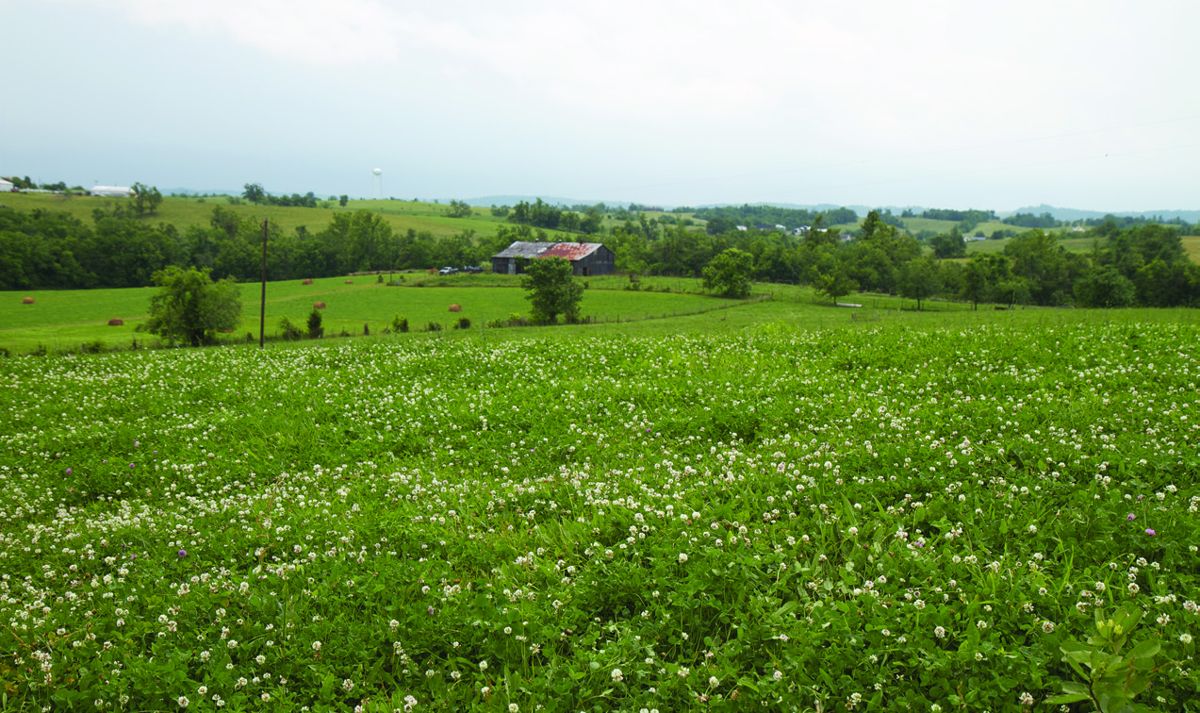
In summer 2016, the Civil War Trust declared victory on three properties totalling70-acres associated with the historic 1862 Perryville battlefield. This latest preservation success story was the result of a national fundraising campaign conducted by the Trust earlier this year. With the addition of these 70 acres, the Trust has helped save a total of 1,027 acres at Perryville, the site of Kentucky’s largest and bloodiest Civil War battle. “Complete preservation of a battlefield is the Civil War Trust’s ultimate goal, the finest example of our mission at work,” said Trust President James Lighthizer. “This victory at Perryville brings us within spitting distance of finishing our work there. Thanks to the generous contributions of our members, future generations of Americans will have the opportunity to visit this site and reflect on the sacrifices made by our forbearers.” This latest effort at Perryville preserves an area known as the “Western High Water Mark of the Confederacy,” the farthest point reached by the principal Southern army in the Western Theater. The fighting on this property was intense, and the remains of many Union soldiers still rest on this section of the battlefield. The tracts were purchased for $736,000 using grants from the National Park Service’s American Battlefield Protection Program matched by donations from thousands of dedicated Trust members. Some of the acreage was also donated by a private landowner. The Trust’s ultimate goal is to transfer the properties to Perryville Battlefield State Historic Site to enhance interpretation of the battle’s closing, climactic stages. The properties also feature a 430foot long stone fence behind which Union Col. John Starkweather’s brigade finally stopped the advance of Gen. Benjamin Cheatham’s Confederate division, just 600 yards short of a Federal supply train. As a battleground that witnessed some of the most pivotal fighting in the war, Perryville’s preservation has been in the works for decades. As far back as 1993, a report on the nation’s Civil War battlefields commissioned by Congress named Perryville one of the top 11 most endangered sites in the country, out of 384 battlefields surveyed. It was identified as a site “with critical need for action,” and
Letters to the Editor: Please email your letter to the editor to [email protected] or mail to: 6175 Hickory Flat Hwy. Suite 110-355 Canton, GA 30115 Due by Sept. 20
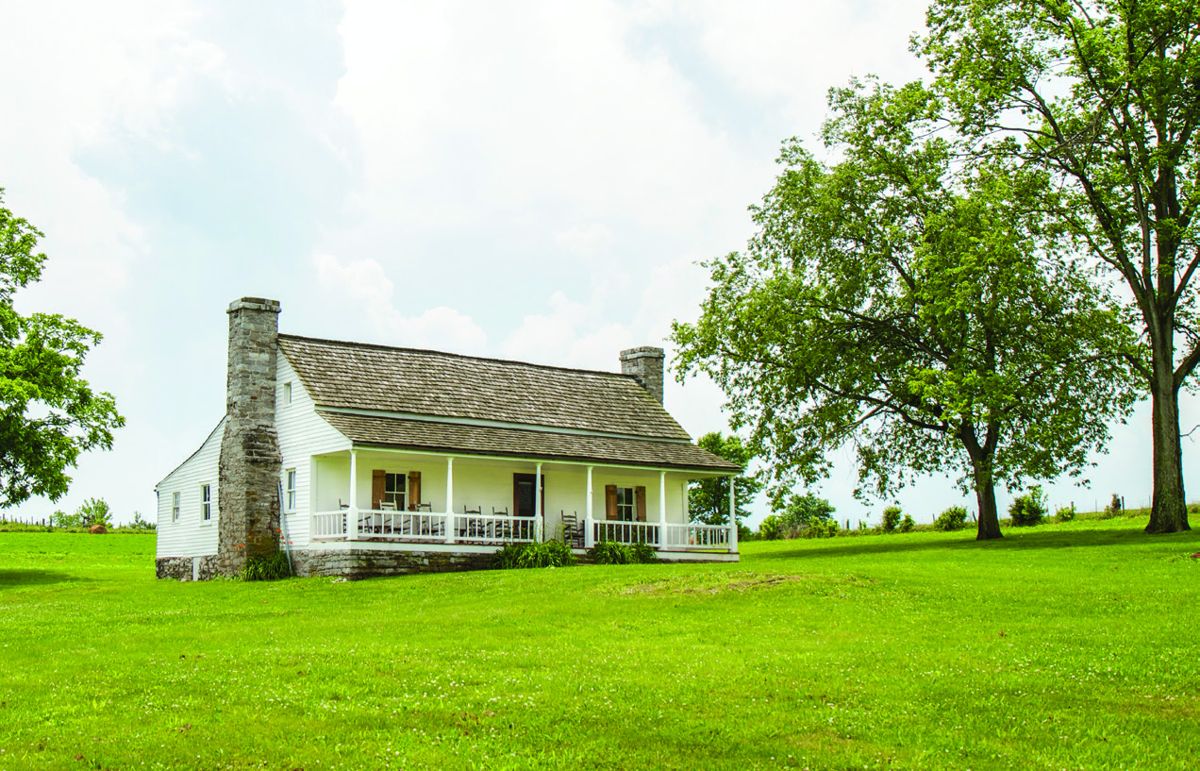
The house of Squire Bottom was the scene of intense fighting as Confederates under Patrick Cleburne overran Federals under William Lytle. (All photos Civil War Trust, Civilwar.org) one of only 45 Civil War battles that had “a decisive influence on a campaign and a direct impact on the course of the war.” The road to this decisive battle began in the summer of 1862, when Confederate Gen. Braxton Bragg launched an invasion of Kentucky, hoping to divert Union attention from the Southern strongholds at Vicksburg and Chattanooga. The Kentucky Campaign did draw Federal forces out of Northern Alabama and Middle Tennessee, ground it would take the Union almost a year to regain. The Battle of Perryville was a Confederate tactical victory, though Bragg’s heavy losses left him unable to maintain his army north of the Tennessee border. During the battle, the Confederates held an early advantage that they were able to exploit due to lack of communication among various elements of the Union force. Eventually reinforced on the left of their line, Federal troops held their ground and did not leave the field. Confronted by a larger force and running low on supplies, a discouraged Bragg withdrew toward the Cumberland Gap. The Confederate offensive was over, and the Union once again controlled Kentucky. In addition to many core battlefield sites, the Trust has preserved land that witnessed key moments leading up to the fighting and important areas outside of the zone of infantry combat. During the battle, miscommunication among commanders left enlisted men to sort out the battle through intense and unpredictable violence. Without the preservation of the complete battlefield, current and future generations of Americans will lose the rich interpretive opportunities that demonstrate these nuances. It is incredibly fortunate that much of Perryville battlefield remains unchanged since the nineteenth century, allowing for such complete preservation of the lands. The staff at Perryville Battlefield State Historic Site and members of the Friends of Perryville Battlefield have been excellent stewards, completing several restoration projects and adding walking trails and other educational and commemorative markers to the land. Indeed, trails at Perryville provide visitors with some of the nation’s best and most historic hiking. All of this work underscores the importance of this site as an outdoor classroom and a place to reflect on the immense sacrifice of the Civil War’s citizen soldiers.
This cannon represents the site of Gen. Maney’s artillery attack on inexperienced Union soldiers at the Open Knob, a hill on the northern part of the battlefield. Maney’s men charged up the slope and took the hill.