Creating A Sibley Tent Site With A Crimean Stove – The First Maryland Experience –
By Lawrence E. Babits, Ph.D. · Originally published July 2016 · pp. 60–61
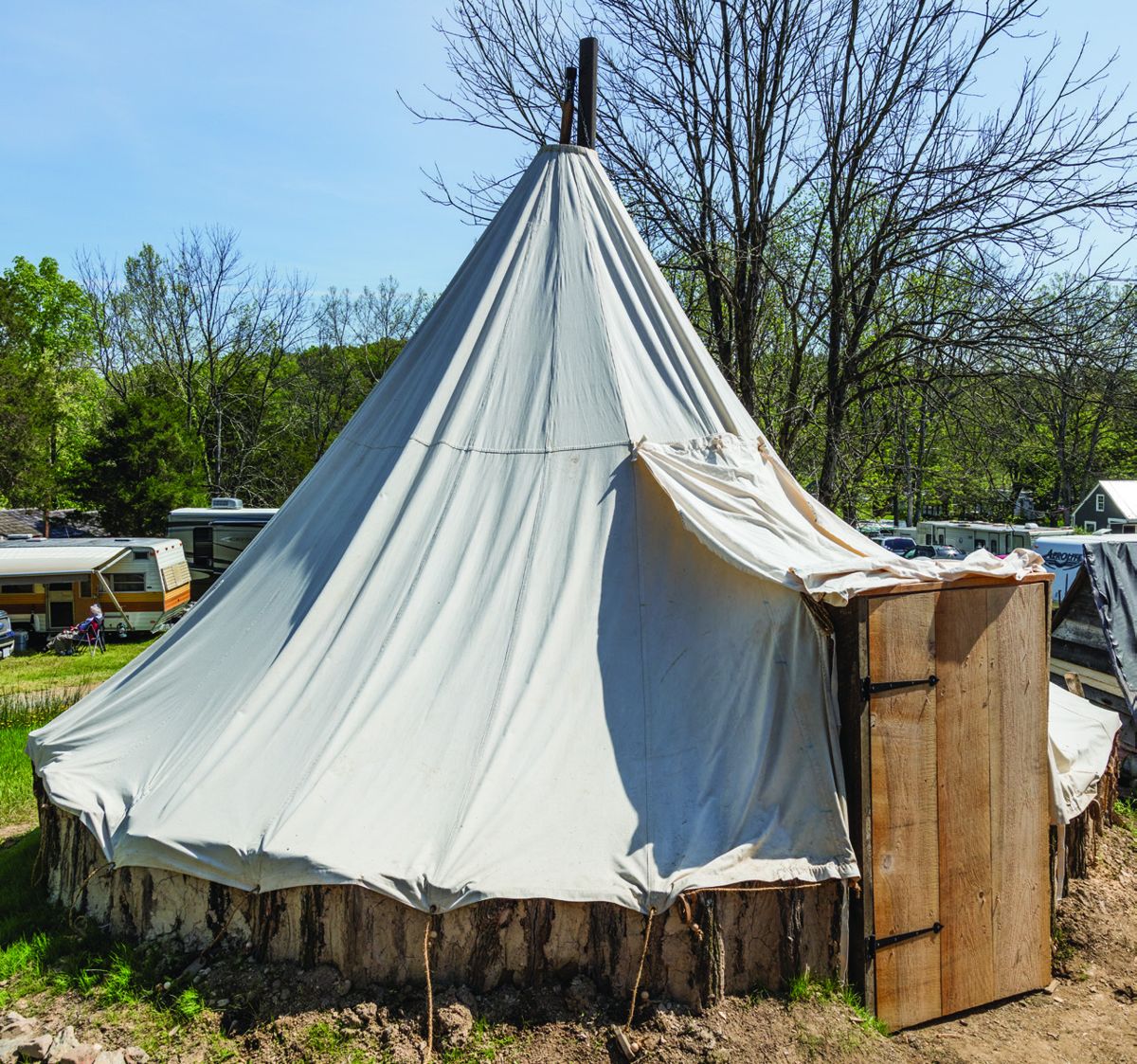
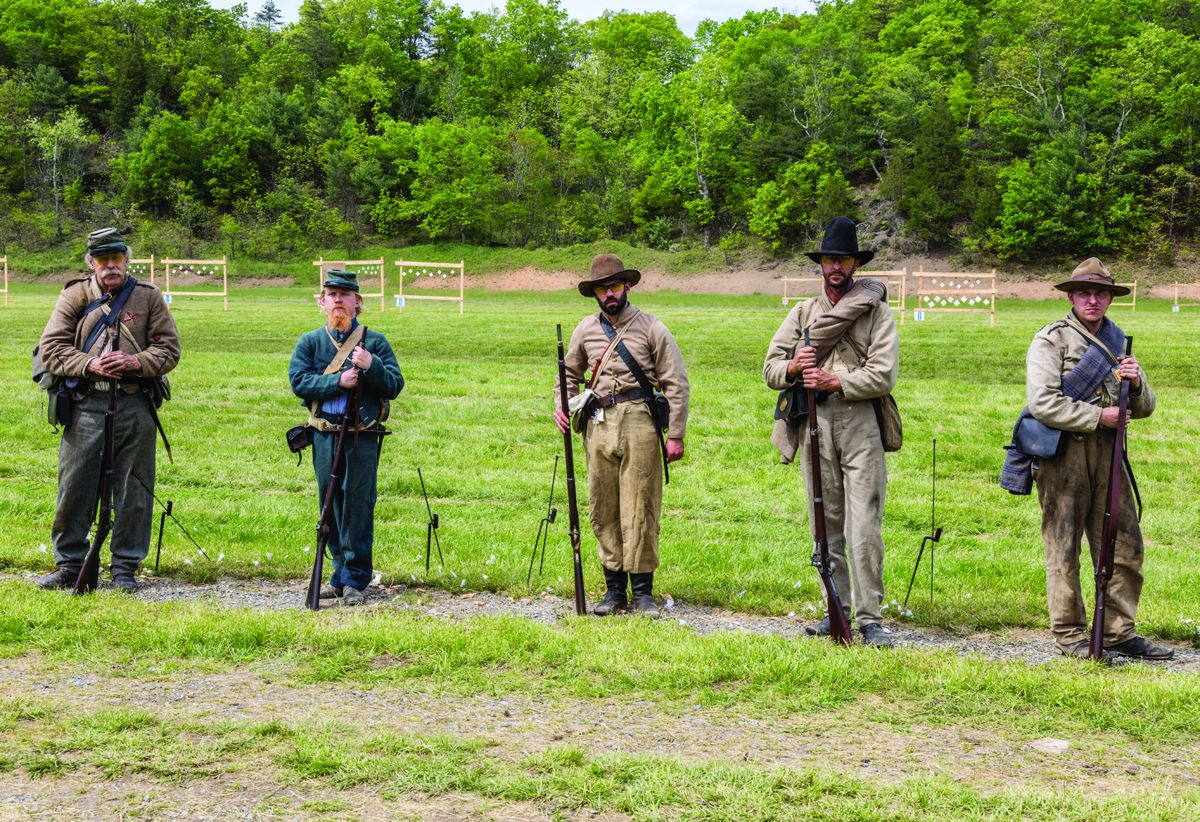
WINCHESTER, VA.—The First/ Second Maryland is a group portraying Maryland’s Southern infantrymen during the Civil War. The unit has a campsite at the NorthSouth Skirmish Association’s Fort Shenandoah. Sometime during the early 1990’s two replica shebang’s (soldier huts) were erected. Later, along with more wooden structures, a replica sibley tent was set up on a circle of logs to show the variety of winter quarters used by Civil War soldiers. When the hutting area expanded, the sibley was moved, a new stockade was set up and a Crimean (California) stove was dug into the ground. The new replica is on a mix of oak and locust logs set 10 to 16 inches into the ground and then chinked to fill in the gaps. The chinking process is on-going and likely to be continuous due to rain and other weathering. The sibley was repaired using stitching called for in the U.S. Army Quartermaster manual. Both the stockade footing ditch and the underground Crimean stove flue were based on archaeology from Civil War campsites in widespread Virginia locations. There were also photographs, drawings, and paintings showing the above ground appearance of the sibley. The concept of below ground heating is not new. Roman hypocausts and early Korean houses sent heated air below walking and sleeping areas. The name comes from its use in the Crimean War and California during the 1850’s. The key difference between the new reconstruction and the originals is that the structures built during the Civil War were for a single winter season whilst the replicas are being built for long-term exhibit and use. The project was also a learning experience. The First Maryland has members skilled in wood and masonry construction as well as historical research. During construction, some members wore their uniforms and used traditional tools. The key element in recreating the stove was to ensure that the smoke and heat exited through the underground flue into the tent and, importantly, out of the tent. The damaged archaeological examples did not show a rising flue but test indicated it was necessary. A well-sealed flue system was needed, especially inside the tent. As it worked out, the problem of smoke filling the tent has not been completely solved, and plans are underway to seal off the flue exit under the sibley stove. If this is not done, then the tent fills with smoke. The plan is to route the smoke from the flue, up through the sibley stove and out the stove pipe. The stove will be placed on a platform of brick shown in contemporary illustrations that will be sealed against loss of heat and smoke. The new system will be tested in September and October 2016. Further modification to recover 1860’s knowledge through experimentation will follow until we get it right.
(Lawrence E. Babits)
Crimean stove flue before burial under earthen tent floor.
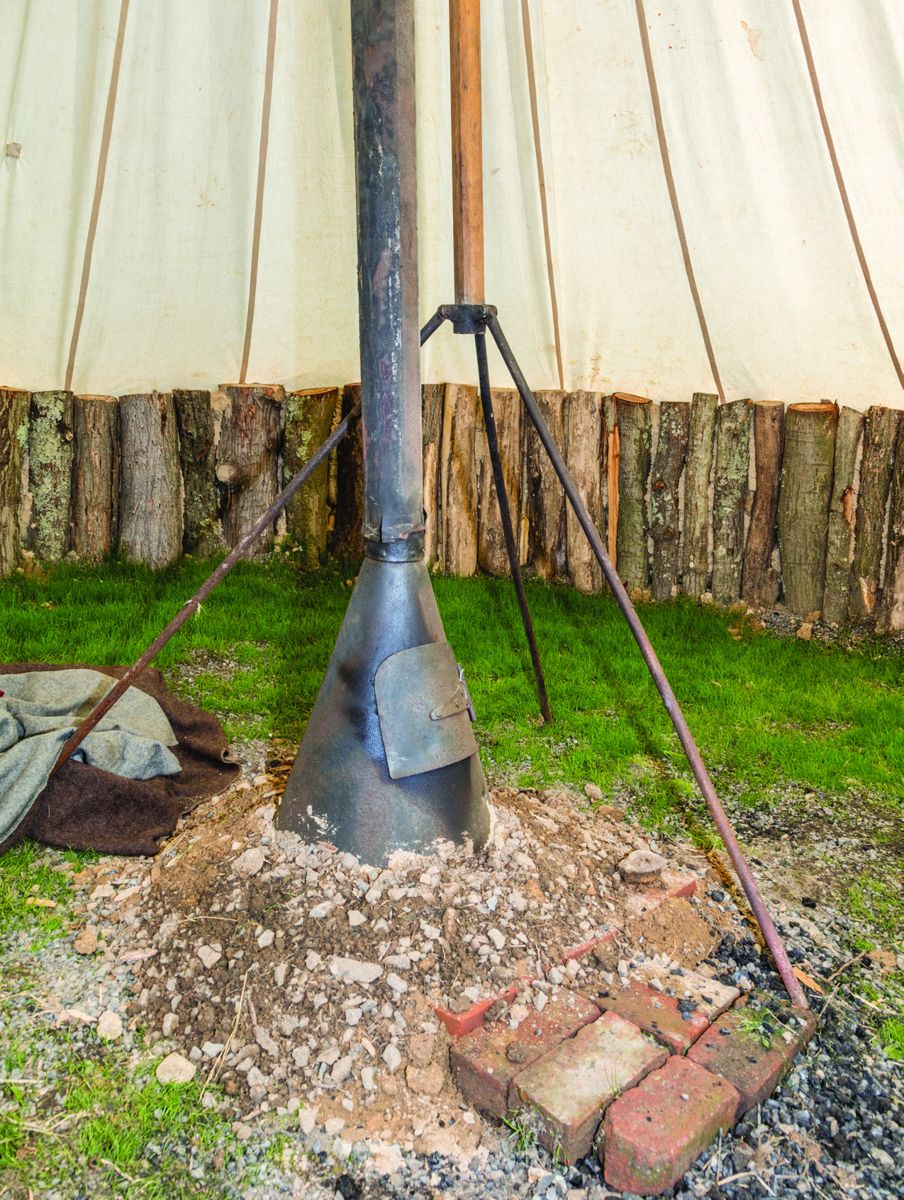
Flue buried, floor leveled, chinking nearly finished, stockade almost ready for tent. (Lawrence E. Babits) (Jack Melton)
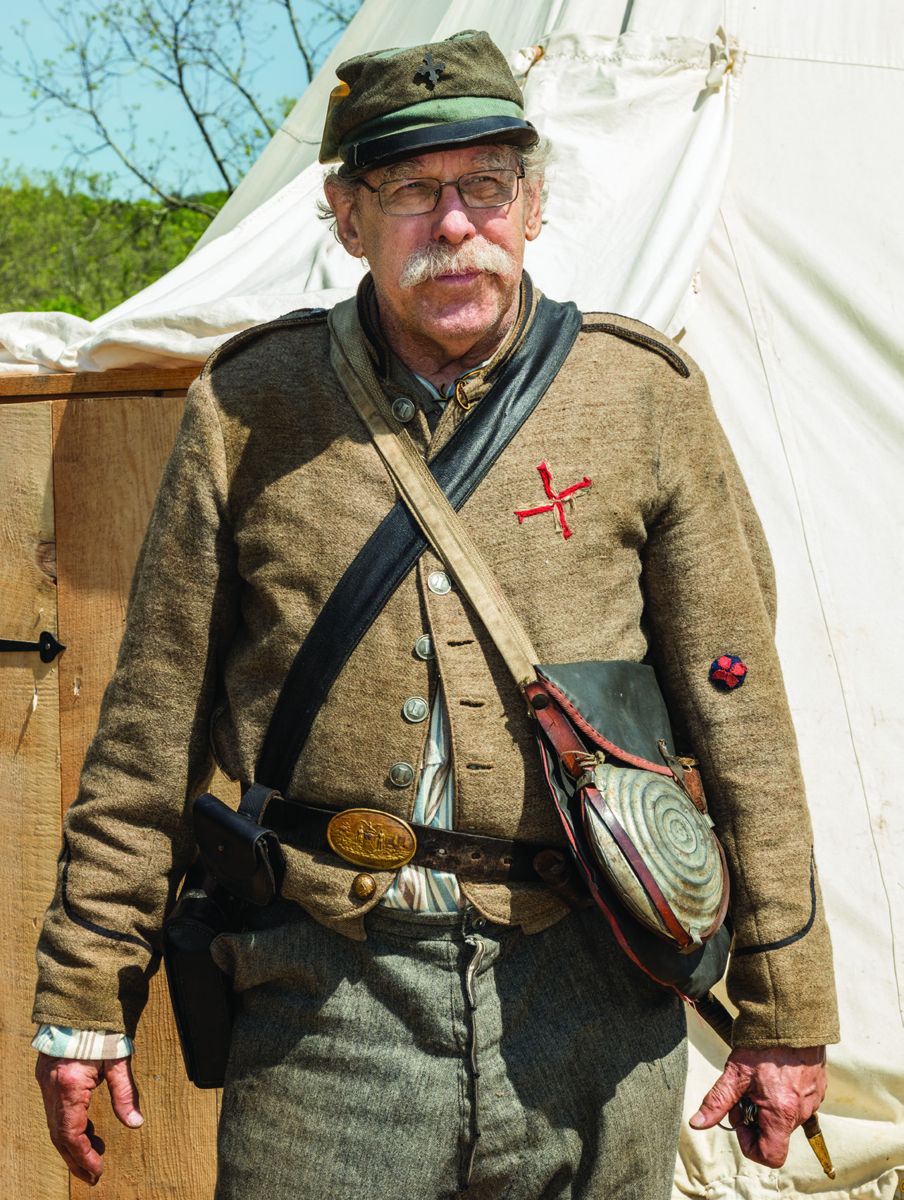
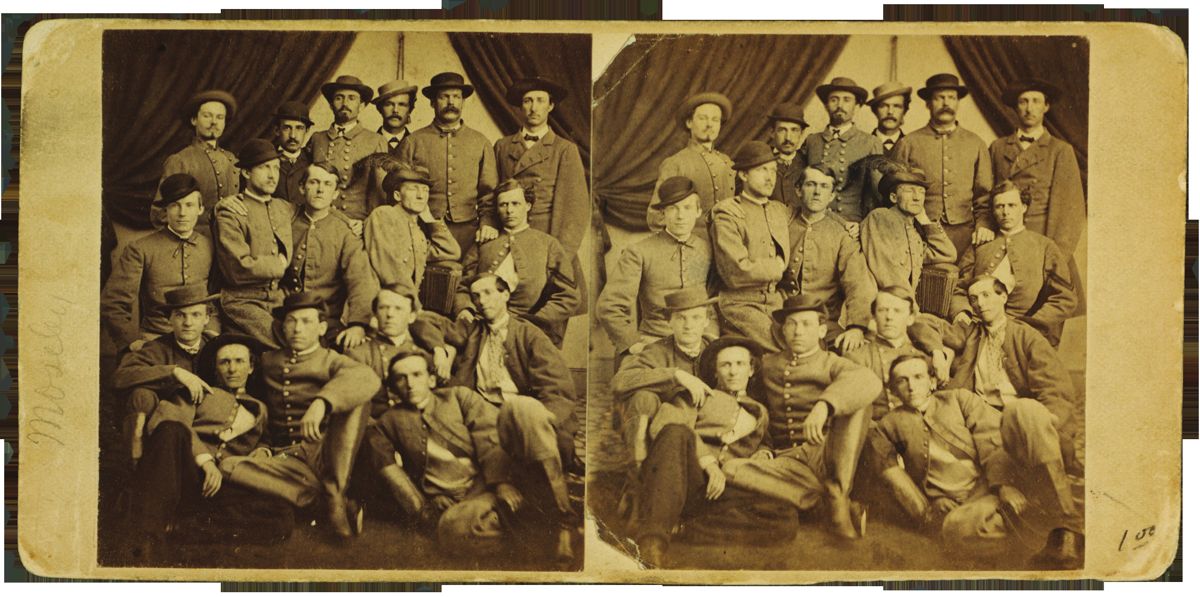
Sibley tents in 1861 Winter Camp on the Lower Potomac.
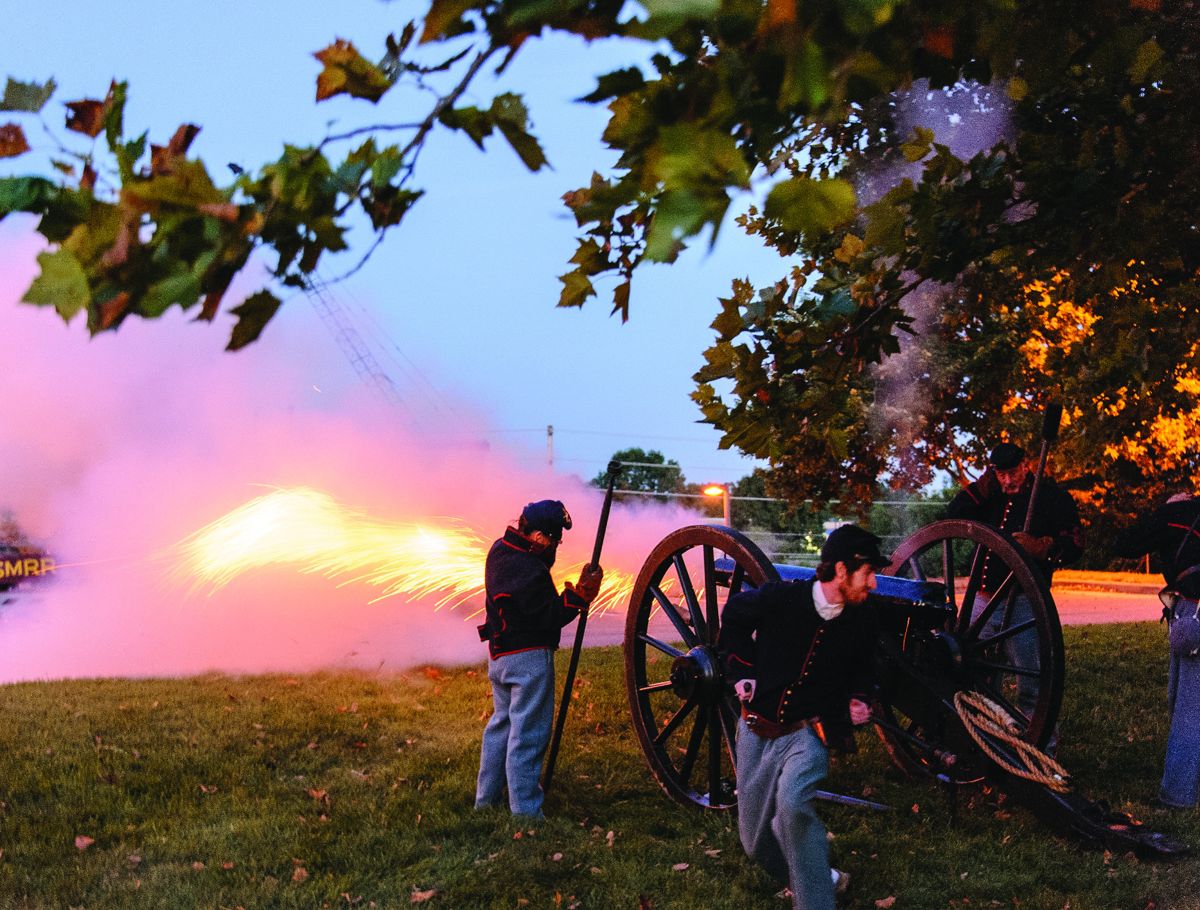
The Sibley stove and tent was designed and patented by Henry Hopkins Sibley. He commanded a Confederate cavalry brigade during the Civil War. Sibley’s design created a 12-man tent and stove that was easy to pack and transport. The design differed from the traditional conical or bell tent in the fact that it was supported by a single pole in the center. It was used by the American and British Armies for many years. The United States Patent Office patented Sibley’s tent on April 22, 1856, No. 14,740. The U.S. Government purchased almost 44,000 Sibley tents during the Civil War. Sibley was to receive $5 for every tent purchased by the U.S. Government but since he resigned from the U.S. Army he received no royalties.
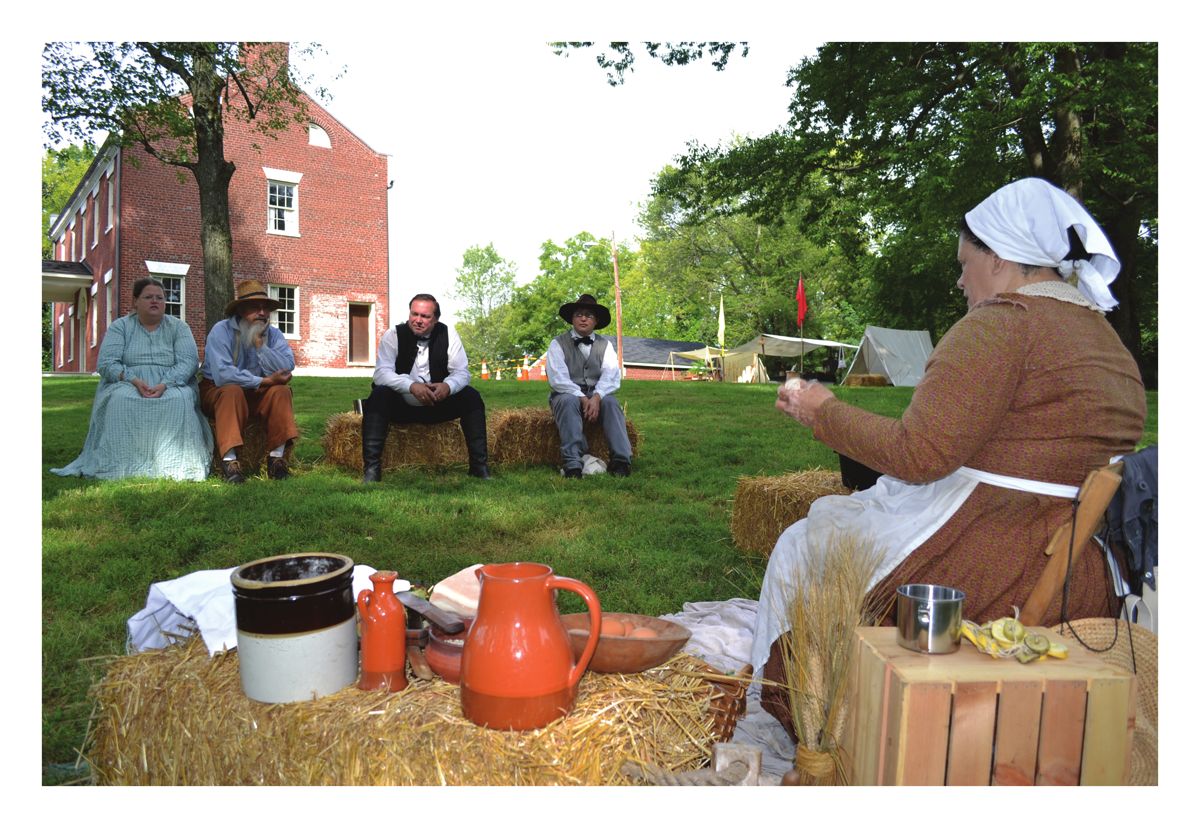
(Jack Melton) Lawrence E. “Larry” Babits rceived his BA and MA from the University of Maryland and his Ph.D. from Brown University and has extensive experience in military and maritime archaeology. He was named George Washington Distinguished Professor of History by the NC Society of the Cincinnati in 2003. Babits, a Fellow of the Company of Military Historians, taught classes in method and theory of nautical archaeology, material culture, archaeological field schools, living history, and various military topics. Among the numerous publications that he co-authored are: “Long, Obstinate and Bloody” the Battle of Guilford Courthouse; Fields of Conflict: Battlefield Archaeology from the Roman Empire to the Korean War; “Fortitude and Forbearance” The North Carolina Continental Line in the Revolutionary War 1775-1783; Southern Campaigns; A Devil of a Whipping – The Battle of Cowpens; Maritime Archaeology – A Guide to Theoretical, and Substantive Contributions; and Underwater Archaeology 1998.