Targeted Grazing At Historic Fort Negley Park
By Krista Castillo · Originally published December 2016 · pp. 38–39
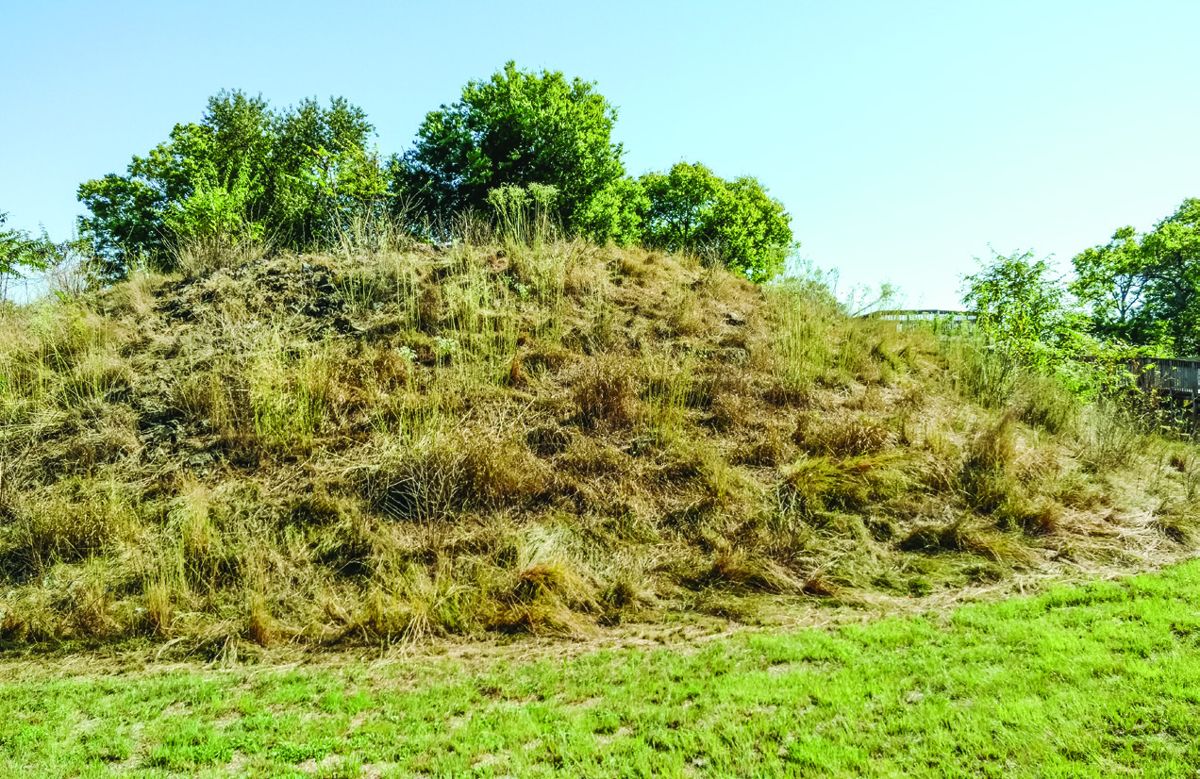
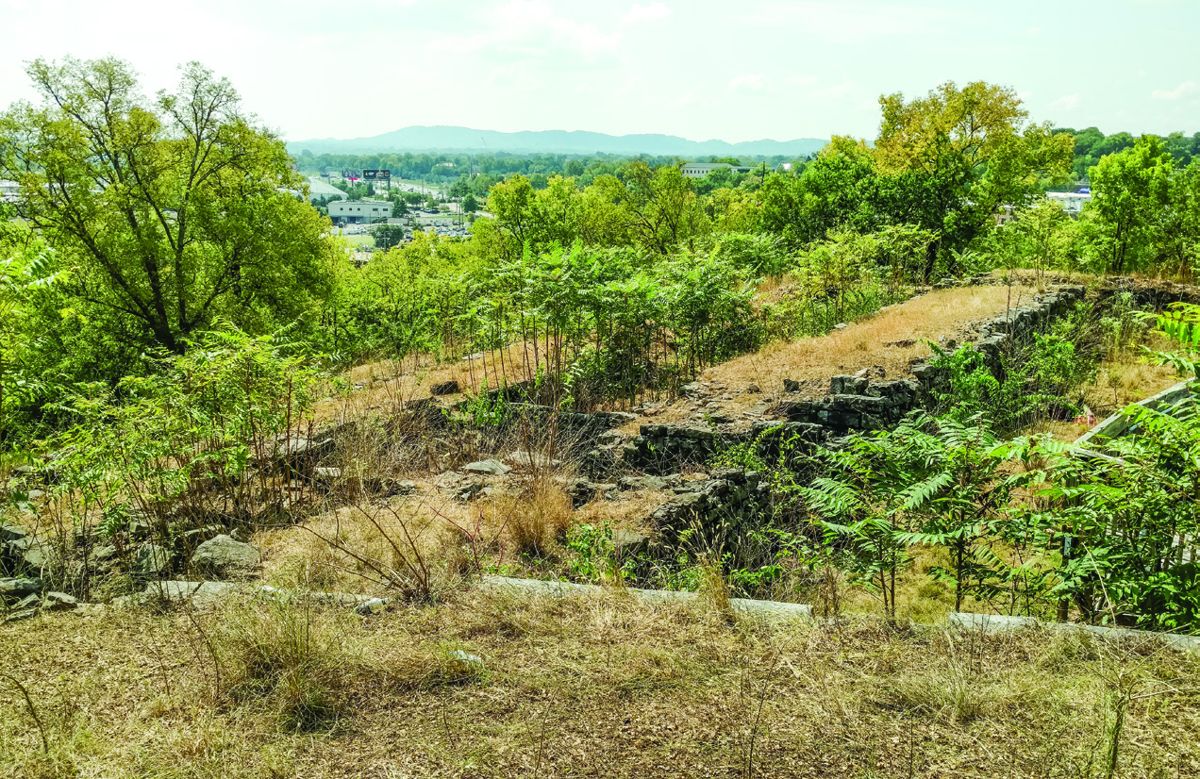
NASHVILLE, TENN.—Situated at the crest of St. Cloud Hill, Fort Negley has stood sentry over Nashville for more than 150 years. Built between mid-August and early December 1862, by contraband laborers, slaves, and free African Americans employed and impressed by the Federal Army, Fort Negley, along with a network of fortifications, blockhouses, and earthworks, protected the city from Confederate invasion. In September 1867, the army withdrew from Nashville abandoning the largest inland masonry fortification constructed during the war. Neglected and eventually shrouded by thick vegetation, the property became a haven for transient people and illegal activity. Prior to making the old stone ruins accessible as a public park in 2004, the City of Nashville and Metro Parks and larger areas outside of the fort are managed with annual bush hogging, the 4-acre interior requires a more delicate approach. For years, Metro Parks tackled the tangles of Japanese honeysuckle, bush honeysuckle, euonymus, paper mulberry, English ivy, and ailanthus, also known as tree of heaven, with good old-fashioned manpower. For humans, the work was expensive, exhausting, and time-consuming. Recreation confronted the enormous task of rehabilitating the site. One particular challenge was tackling the myriad of invasive plants that engulfed the fort. As part of the capital improvement project, native grasses replaced non-native vegetation. A little more than a decade later, invasive species again dominate http://www.clafi.ucla.edu/clafi-events the site. Metro Parks’ maintenance division divides its limited resources between the city’s 185 parks. While each park presents its own set of unique challenges, only Fort Negley Park contains the ruins of an archaeologically sensitive fort listed on the National Register of Historic Places. While some of the the site. Metro Parks’ maintenance division divides its limited resources between the city’s 185 parks. While each park presents its own set of unique challenges, only Fort Negley Park contains the ruins of an archaeologically sensitive fort listed on the National Register of Historic Places. While some of the
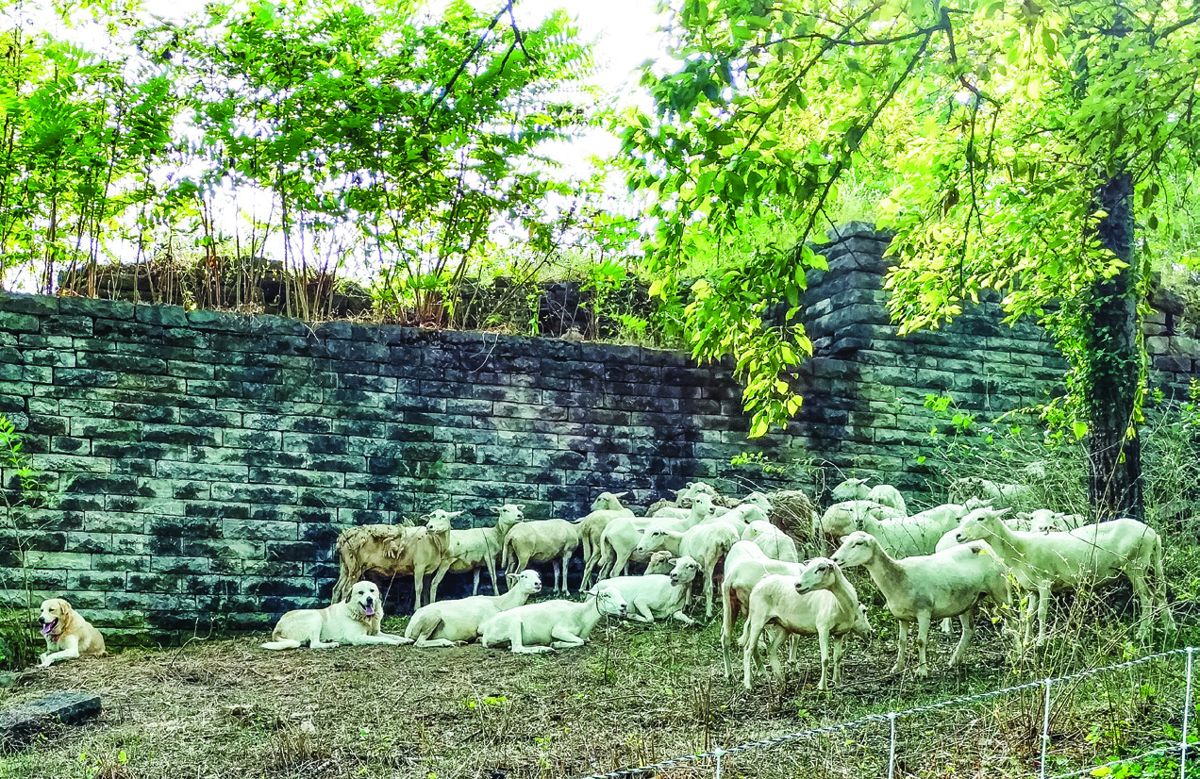
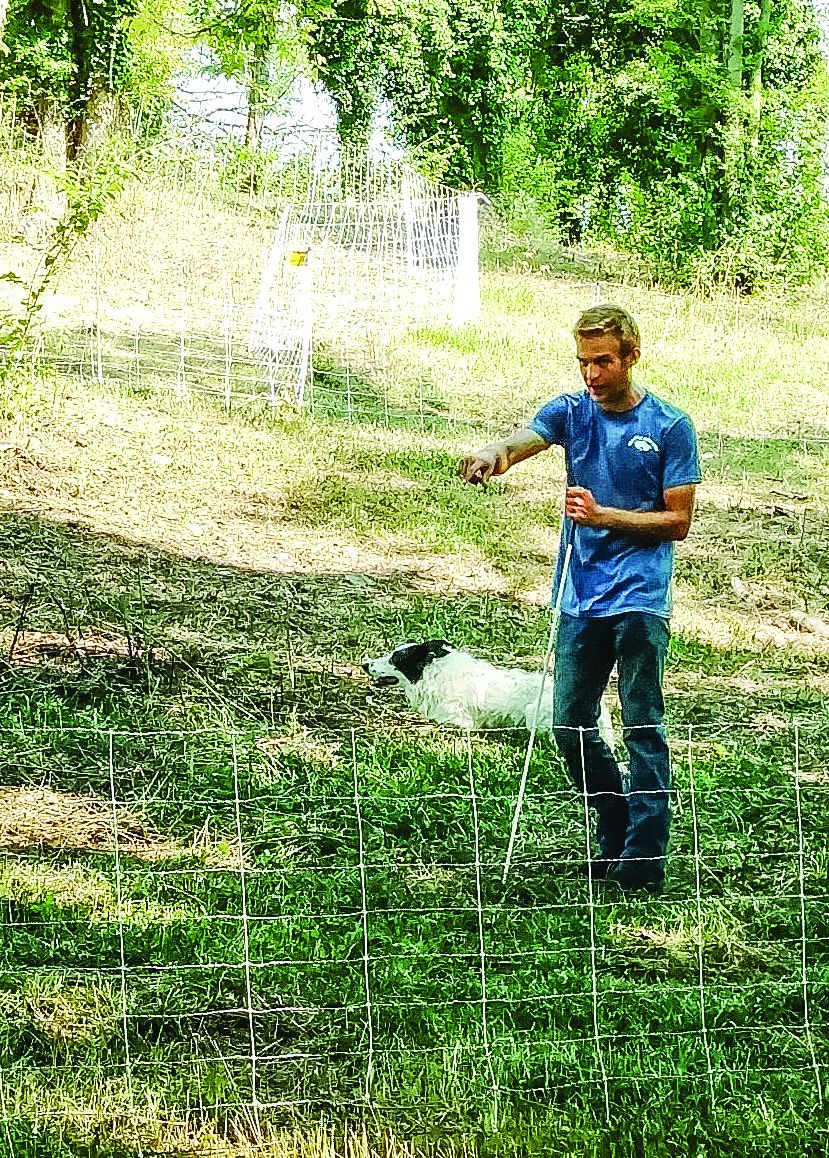
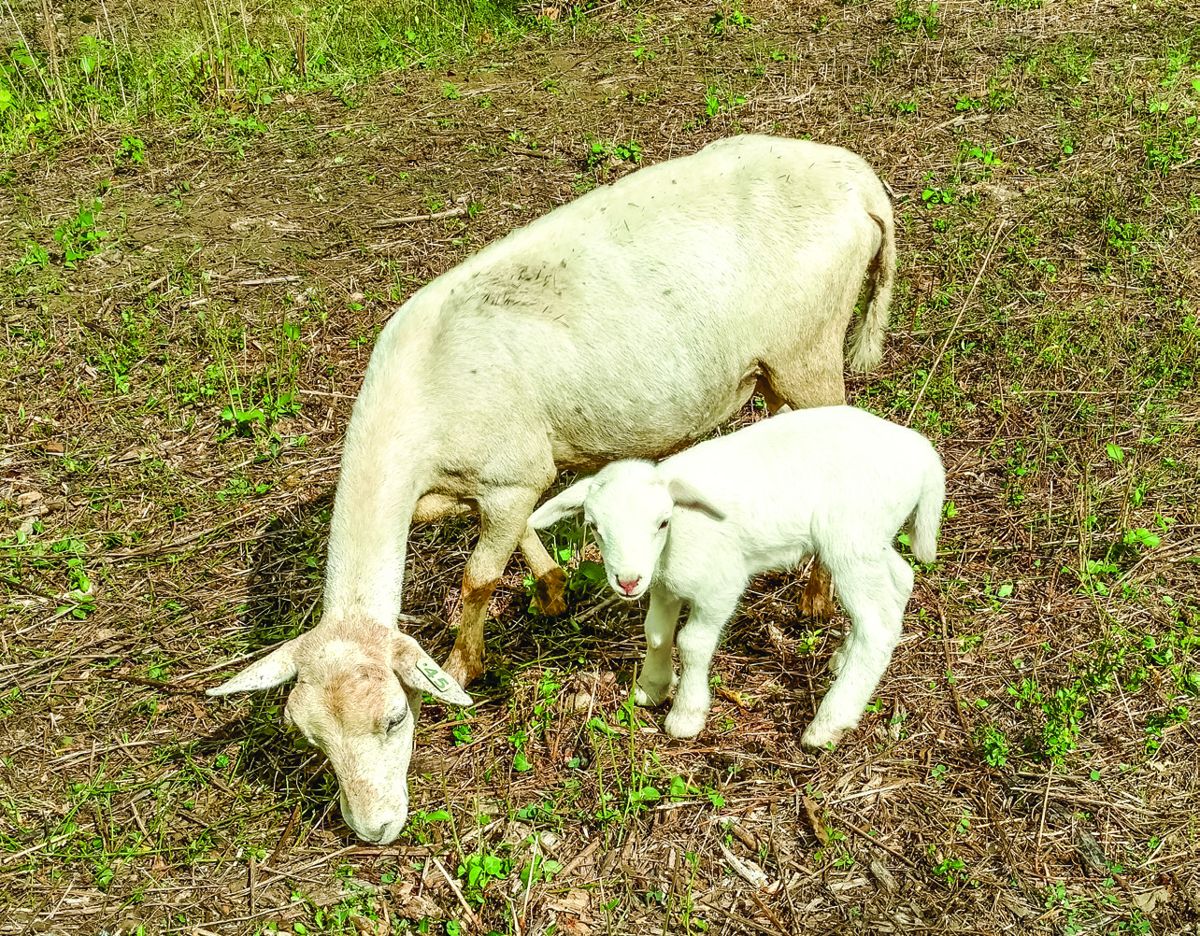
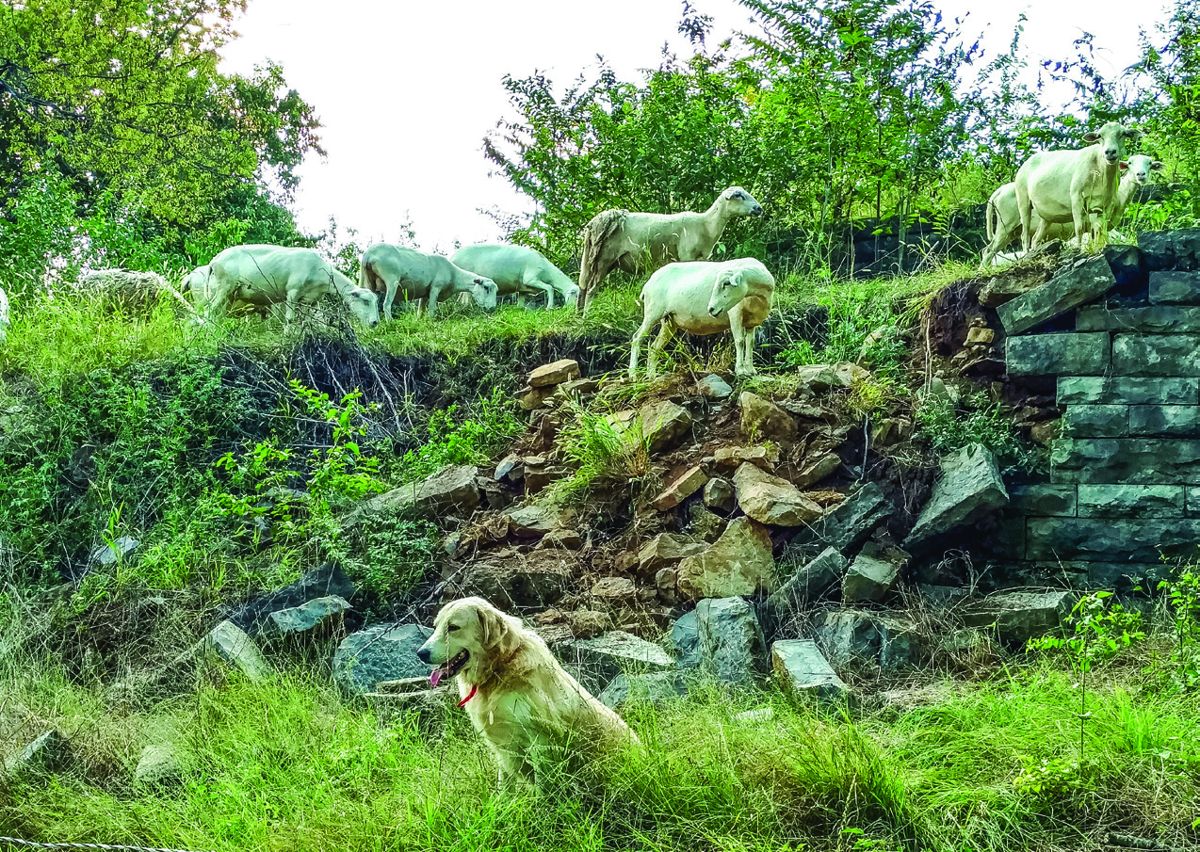
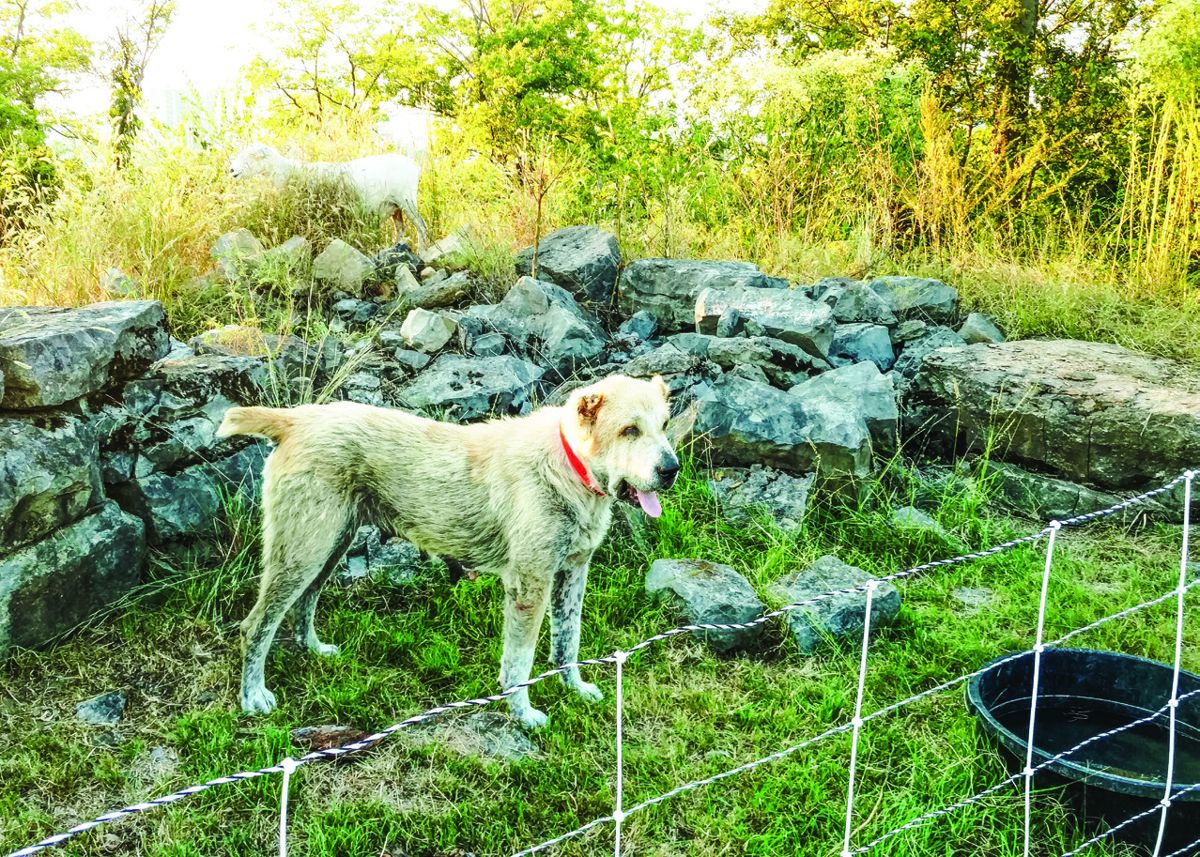
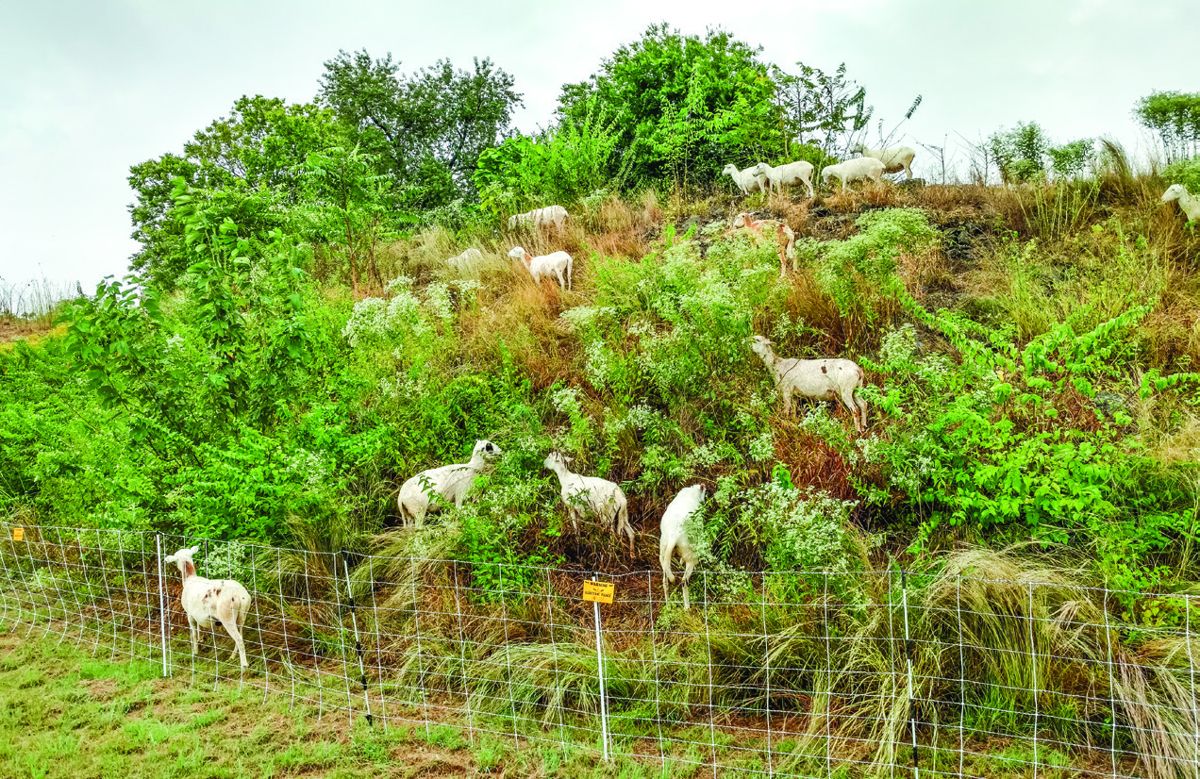
In addition, a rigorous mowing schedule kept maintenance staff busy, and Fort Negley covered in vegetation throughout the spring, summer, and fall. After evaluating numerous options, Parks Maintenance decided to experiment with contractors of the four-legged variety. On August 24, the Nashville Chew Crew, owned and operated by Zach Richardson and his border collie partner Duggie, came to the rescue. Newly arrived from Atlanta, the crew of sixty sheep and three guard dogs knew a little something about confronting big jobs in urban environments. Following Richardson’s commands, Duggie flawlessly herded the flock of thirty sheep assigned to the project up the southern slope and into the electrified enclosure. Unaffected by the sounds of I-65 and the rail yard flanking the site, the Chew Crew set to work on the east bastion. With Duggie’s job done, he jumped into the back of Richardson’s pick up and soaked up praise and a few found their way inside the bastion’s interlocking chambers. Unlike humans, the sheep and their guardians were happy to remain on site throughout the process and to work during all hours of the day and night. They easily maneuvered within and around the structure virtually eliminating concerns of lost time injuries and damage to the site. Within a matter of a few days, only bare stems remained. Metro Parks quickly declared the pilot project a success and began coordinating additional target areas with Richardson. Over the next several weeks, the crew cleared the entire fort structure and other key areas totaling approximately five acres. Richardson, a graduate of the University of Georgia with bachelor’s and master’s degrees in landscape architecture, embraced the unique challenges of working within a sensitive historic site and public park. With each transition to a new target area, he carefully moved the electrified fence and rearranged the from all who came out to watch the crew’s arrival. Soon, Reba and Sturgill, two impressive Anatolian shepherds, joined the flock inside the enclosure for added protection. After setting out plenty of fresh water and dog food, Richardson and Duggie were off to their next job site. The following day, it was evident that the crew had been busy. During the 24-hour period, the sheep stripped vegetation from the exterior walls, informational signage. Richardson skillfully balanced his crew’s wellbeing and Parks’ mission of providing the public with safe and enjoyable experiences. Visiting the site multiple times a day allowed Richardson to stay connected with the crew and to interact with visitors. “I really enjoyed talking with visitors about the sheep, the dogs, and the work we do. Targeted grazing is practical, green, and low impact which makes it perfect for sites like Fort Negley,” said Richardson. While some might assume that watching sheep graze is comparable to watching paint dry, each day held something new. The size and composition of the flock changed depending on the size of the target area, the breeding schedule, and a host other factors. When needed, Richardson’s Central Asian Shepherd Loretta stepped in to assist with guard duty. Perhaps the biggest surprise came on the morning of September 18, when Richardson arrived to find a newborn lamb. Although the Nashville Chew Crew moved on to their next project on October 14, in a short amount of time their presence transformed the park. “This targeted grazing project turned out to be a great fit for our unique situation. It enabled us to attack invasive plants in areas too difficult and unsafe for workers and volunteers to access. The presence of the sheep also had the secondary benefit of some great public relations. Many people came out to the fort for the first time because they wanted to see the sheep and the dogs at work,” said Bill Troup, superintendent of natural resources. In addition to inspiring fresh programming such as Meet the Nashville Chew Crew held on August 27, the crew provided a boost to staff morale. “The timing factor of not being able to tackle a job when it needed to be done was always the biggest struggle. Being able to use sheep while we continued with our routine tasks was a tremendous help. It was like having more people on the payroll. By assisting with a process that requires constant attention, the sheep alleviated some of the stress from our people and equipment,” stated Jerry Terfinko, superintendent of maintenance. The success of the project also reinvigorated Parks’ commitment to clearing other portions of the 39-acre property. By next spring, view sheds recommended in the 1996 Fort Negley Master Plan and primitive trails will be nearing completion. Metro Parks plans to use the Nashville Chew Crew at Fort Negley and other parks in the future to assist with the complex and ongoing process of vegetation management. Parks Maintenance encounters unwanted invasive plants across the system. Eradicating stubborn invasive plants such as tree of heaven and Japanese honeysuckle require patience and diligence. Cutting the stems does not kill the plant and removing the plant by roots is not always an option. Nearly all of Fort Negley’s walls are covered with a variety invasive species. In many cases, large root systems have penetrated deep within the dry-stacked stone walls. Pulling these plants would be catastrophic to the integrity and stability of the structure. “This fall and winter, as vegetation enters a declining growth stage and grounds crews have more time, Metro Parks can plan for permanent eradication of exotic plants. Most likely, we will need to employ a combination of targeted grazing, mechanical removal of woody stems, and chemical treatments on undesirable vegetation to allow native grasses to become the dominant ground cover,” said Terfinko. Through this process, Metro Parks gained a better understanding of invasive plant control and management at Fort Negley Park. This fall the Nashville Chew Crew completed invasive removal projects at Nashville City Cemetery and along Richland Creek Greenway and was featured by Great Big Story, a partner of CNN. For more information on Fort Negley Park, please visit http://www.nashville.gov/Parks-and-Recreation/Historic-Sites/Fort-Negley.aspx. Check out the Nashville Chew Crew at http://nashvillechewcrew.com/ and https://www.greatbigstory.com/stories/sheep-and-the-city-nashville-surban-shepherd. Find Fort Negley Park and the Nashville Chew Crew on Facebook!