
Shad Bake Dooms Confederates
By John A. Punola · Originally published December 2016 · p. 14
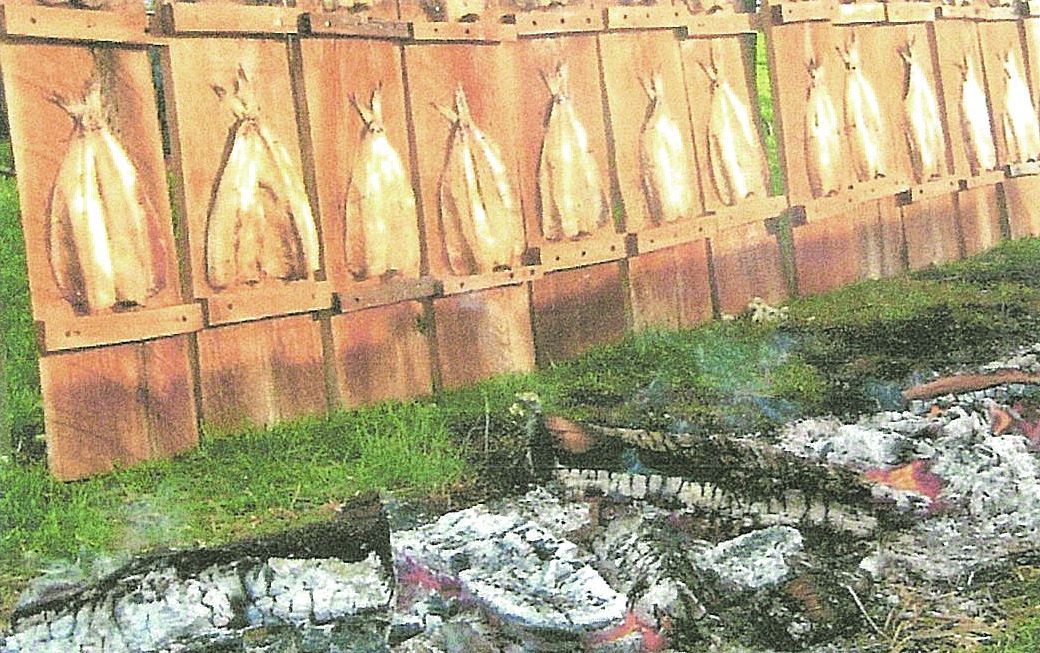
The year 1865 began badly for the Confederacy and grew worse with the arrival of spring. General Grant was applying intense pressure on the army of Robert E Lee, and although the Union forces were taking terrific casualties, Grant kept probing for an opening, and that opening finally happened on April 1, 1865. The spring had been a wet one, and the Potomac and other Southern rivers were badly flooded, making it impossible for the Union army to make any headway. The little-known location named Five Forks was a place where five good roads intersected and the Confederates were in a strong defensive position, but severely outnumbered by a large force commanded by Phil Sheridan, assisted by George Custer’s cavalry. The only problem was the swampy grounds impeded their advance and assault. Then Sheridan found an opening that would permit his forces to advance. Although it was past 3 p.m., the Union forces began attacking, and with the Confederates well positioned, they inflicted heavy casualties on the Union forces. Sheridan was determined to find a break-thru point and urged his troops to keep pressure on the Confederates, under the command of George Pickett. However, Pickett was not with his troops as they withstood soon in the process of being baked when a courier from Robert E. Lee arrived with orders for General Pickett to immediately move all available troops in haste to Five Forks since the volume of cannon fire indicated a major battle and the area around Five Forks was lightly defended. Pickett told the courier to tell General Robert E. Lee that he would do so. Pickett decided the Shad should be eaten and the Kentucky whiskey consumed before moving forward. It must have been like being back home for Pickett’s staff. A good shad recipe by the chef, comfortable weather, Kentucky bourbon and cigars and an escape from the front. Pickett saw no urgency to return to his embattled troops holding at Five Forks, but he was making a major battlefield blunder. Contrary to previous battle plans, although it was close to 4 p.m., Union General Sheridan saw an opportunity to exploit a weak sector of the defenses and launched a major assault. An hour later, the courier appeared again with the same message from General Lee, at which point Pickett and staff mounted and started toward the sounds of battle. As they approached the defensive line, they were met by retreating Confederates, who informed Pickett the Confederate defenders were completely out of powder and artillery ordinance. The Union army had surged forward forcing the surrounded Confederates to surrender their five thousand men defending the precious Five Forks position. Pickett and the remaining Confederate troops turned about and made an orderly withdrawal, to link up with Robert E. Lee’s command. The capture of Five Forks, with its valuable roads, made it possible for the main body of the Union army to press forward. They promptly used the wide open roads to surge forward, one column towards Petersburg, which was under siege, and the other road took them towards Richmond, the Capitol. General Lee, recognizing the critical circumstances of his heavily outnumbered forces, was forced to retreat, finally arriving at Appomattox, Va., where the Confederates faced an army of 97,000 versus their own crippled army of 18,000. Lee alerted Jefferson Davis that Richmond could not be defended and urged the government to withdraw as quickly as possible. Lee prepared to take his army south, into North Carolina to join the forces of General Joseph Johnson. Union commander, Ulysses S. Grant, sensing victory, relentlessly pursued the Confederate forces, until he surrounded General Lee at Appomattox. The situation for the Confederates was hopeless, forcing General Lee to seek out Grant to discuss surrender terms, and on April 8, 1865, he accepted generous terms, one week after the defeat at Five Forks. The war was over. Obviously, at this late date of the Civil War the outcome was clearly in favor of a Union victory and had General Pickett been able to repulse the Union army attacks it might have extended the war a little longer, but the results would have been the same. What history remembers about Five Forks on April 1, 1865, is that General George Pickett disobeyed direct orders in favor of a Shad bake with his staff. Apparently, he felt the matter of a Shad bake was important enough to delay his involvement in the famous battle at Five Forks, Va. Pickett’s countrymen would never forget him for his conduct that fateful day at Five Forks, Va.
continued attack, and sorely needed his leadership. George Pickett and his staff officers and reserve forces were many miles behind the battle front at Five Forks, with his headquarters located on the banks of Hatcher Run, The stream was filled with American shad, that arrived every April for their annual spawn. Pickett’s chef mentioned that Shad were a delicious dish, and if the soldiers could find a way to remove some from Hatcher Run, he had some good French recipes. Despite hearing the rumble of cannon fire from Five Forks, General Pickett paid no attention, since it was late afternoon and Union forces never opened a serious assault that late in the day. Pickett opted to have the Shad meal and told the Chef to get the kitchen ready for the Shad bake. Mounted troopers managed to herd Shad to the shallow water and were retrieved by staff workers, and delivered to the chef. The shad were