Seesaw Slaughter At Cedar Mountain Commemorated
By Joseph Bordonaro · Originally published December 2016 · p. 19
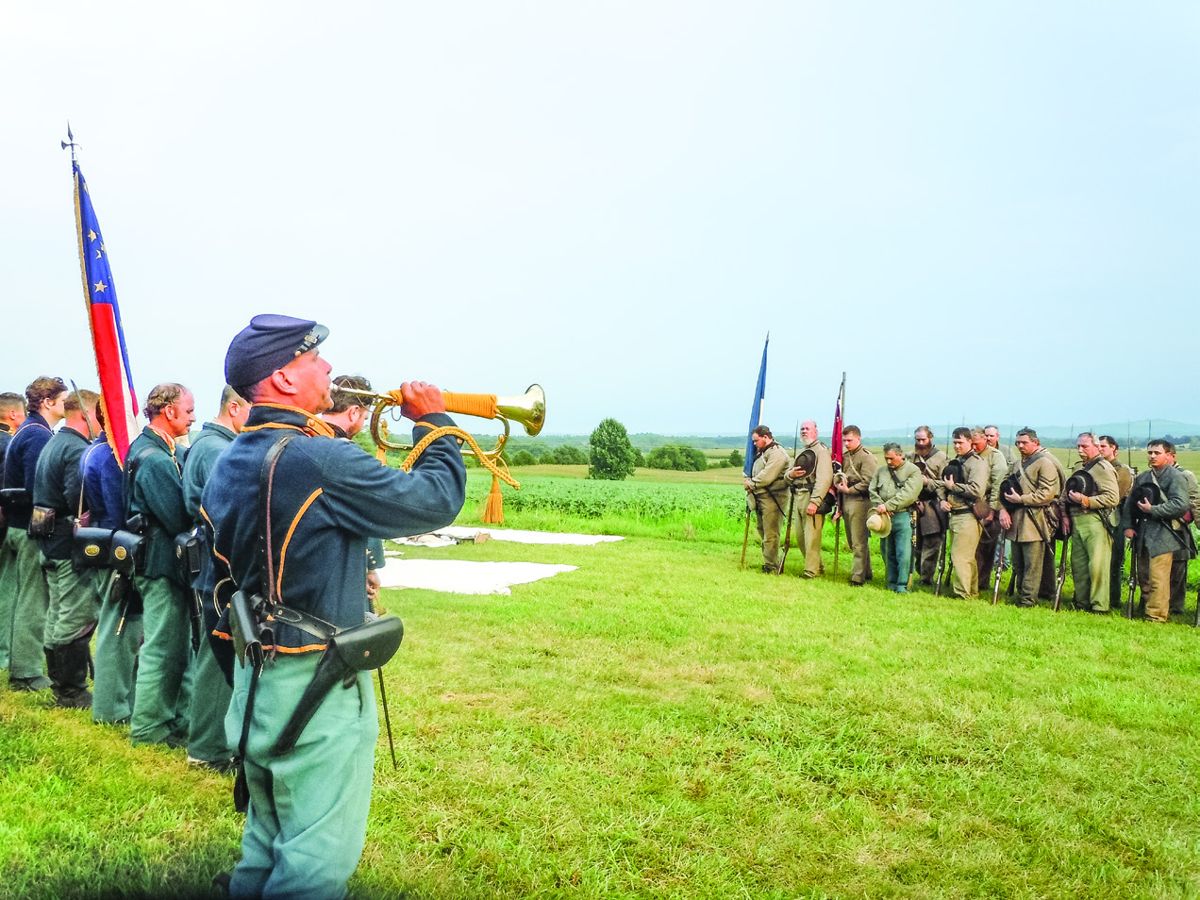
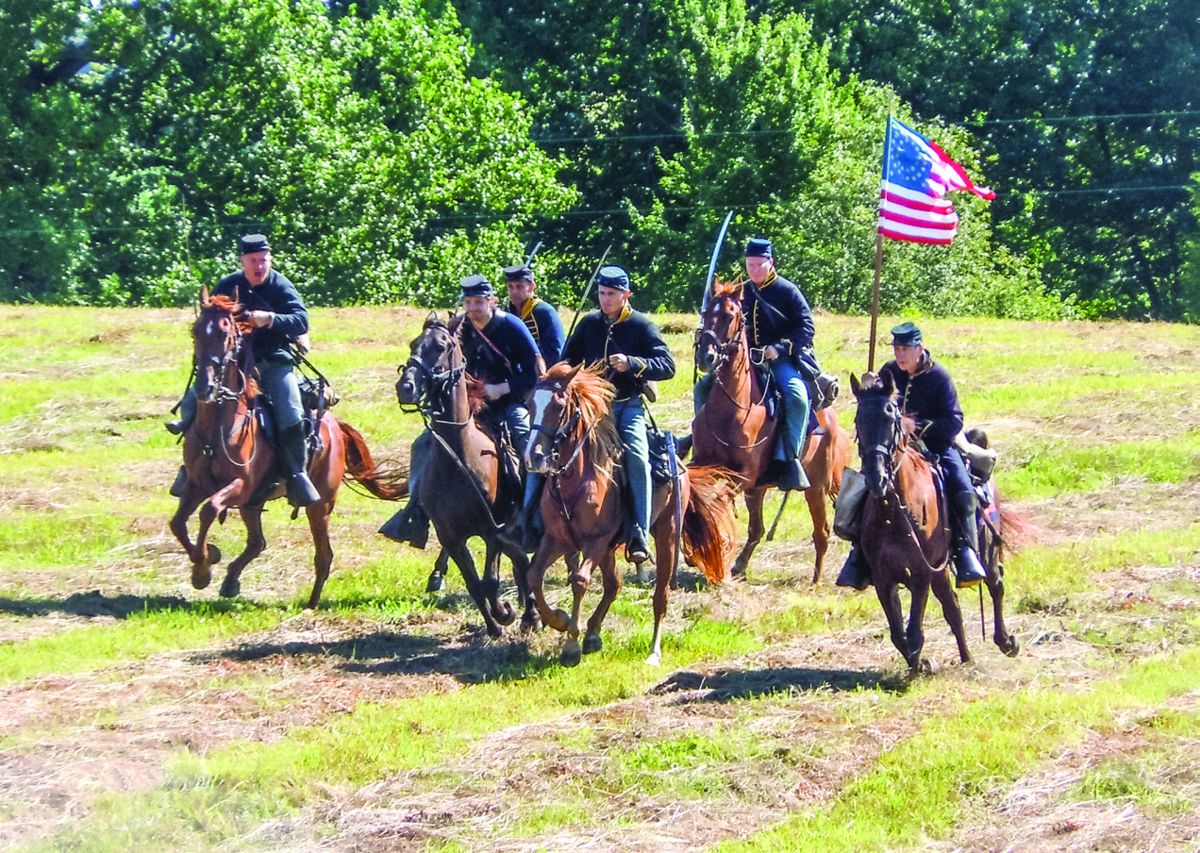
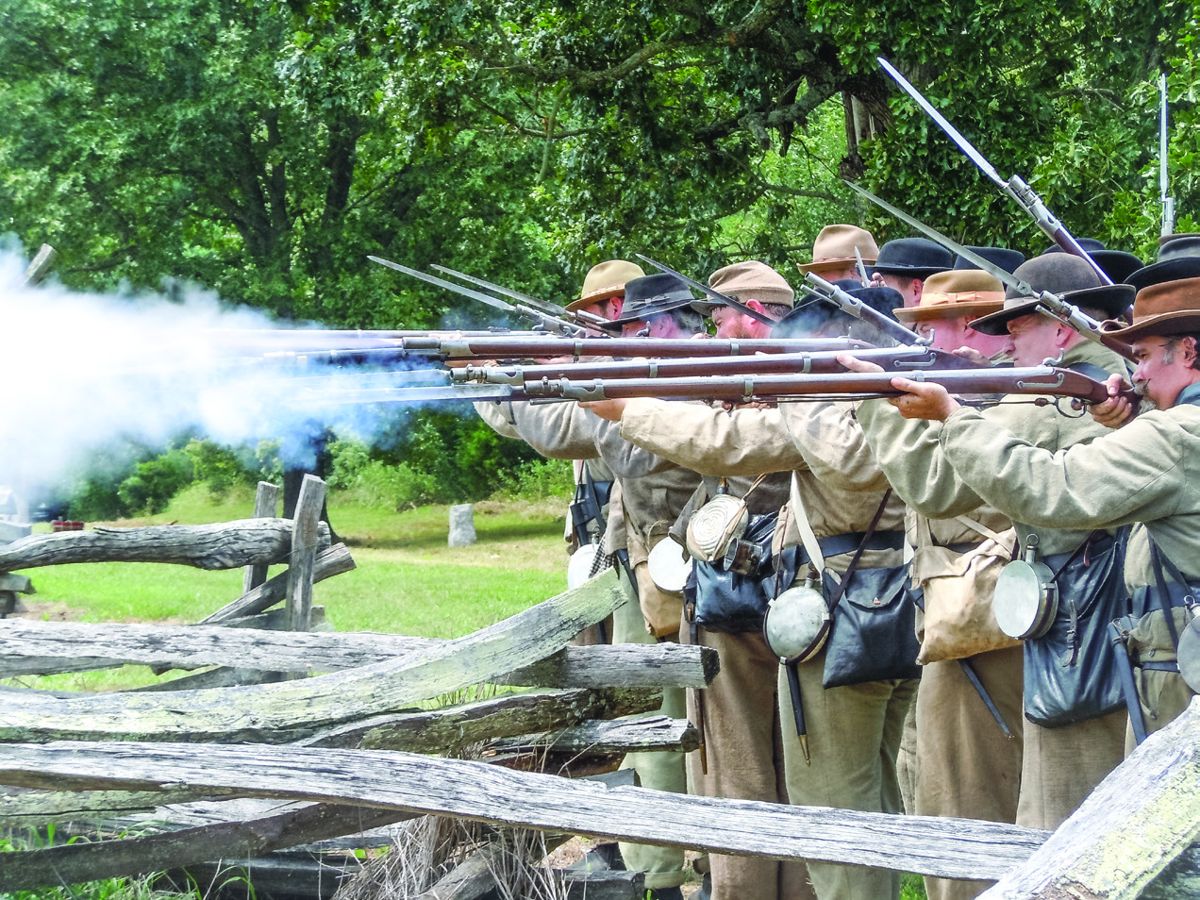
CULPEPER COUNTY, VA.—The newly organized Army of Northern Virginia under its commander, General Robert E. Lee undertook a daring campaign in early August of 1862. Leaving General McClellan’s Army of the Potomac at Harrison’s Landing, near Richmond, where it lay licking its wounds from the Seven Days battles, the ANV moved towards Union General John Pope’s Army of Virginia, which was advancing towards the vital rail station at Gordonsville. General Lee was anxious to remove this threat, and was also eager to punish the “miscreant” General Pope, so-called by General Lee because of Pope’s General Order No. 7, which, held civilians who lived near the sites of guerrilla attacks responsible for damages. Leading the ANV’s advance was General Stonewall Jackson, with 16,000 men. Near Culpeper Court House was General Banks with 8,000 men. General Lee had succeeded in achieving combat superiority. However, General Banks proved to be uncharacteristically aggressive and attacked the Confederate position near Cedar Mountain before their line was fully set. The death of General Winder led to confusion on the left flank of the Confederate line and the Union advance on their right hit this confused, and poorly set Confederate left flank, leading to a near rout. Galloping from his HQ area, General Jackson rallied his men, famously taking off his scabbard with its sword rusted inside of it and waving it in one hand and a Confederate battle flag in the other. Thus inspired, his men rallied and attacked the by now exhausted Federal soldiers, leading to their own retreat. Seeing their right flank falling back, the Union left flank also fell back, but night brought an end to the battle before the Confederates could further damage General Banks command. Two days later, the reinforcement of General Banks with General Sigel’s command led General Jackson to fall back and await the rest of General Lee’s army, so operationally the battle was a standoff. Never the less, General Pope’s advance to Gordonsville had been halted, and the initiative had shifted to General Lee, so strategically the Battle of Cedar Mountain was a victory for the Confederates. On the weekend of August 6-7, 2016, a group of dedicated reenactors braved the historically correct brutally hot temperatures, and a fierce summer storm, to deliver a well-received living history at Cedar Mountain Battlefield. Visitors had the opportunity to see artillery firing, cavalry charging, and infantry skirmishing as well as to visit the soldiers’ camps. On Saturday a commemoration was held in honor of the soldiers from both armies who gave their lives in the contest. Although not a large battle, by Civil War standards, there were a tremendous number of casualties, especially in relation to the number of men engaged. The 46th Pennsylvania, for instance, had 50 men killed or mortally wounded in the battle and their overall casualty rate was more than 50 percent. The names of many of the soldiers, North and South, who were killed or mortally wounded were read out at the commemoration. After each name was read, a bell was rung. At the end of the service, an excellent rendition of “Taps” was expertly played on the bugle by Federal reenactor Ken Doyon. All in all, the commemoration weekend was a very worthwhile event, and it is to be hoped that its success will bring even larger numbers of both participants and visitors in the future.
Color Guard at rest.
(Katelyn Bitely)