Battle Of Aiken Commemorated At Bee Memorial Park
By Bob Ruegsegger · Originally published April 2016 · pp. 4–5
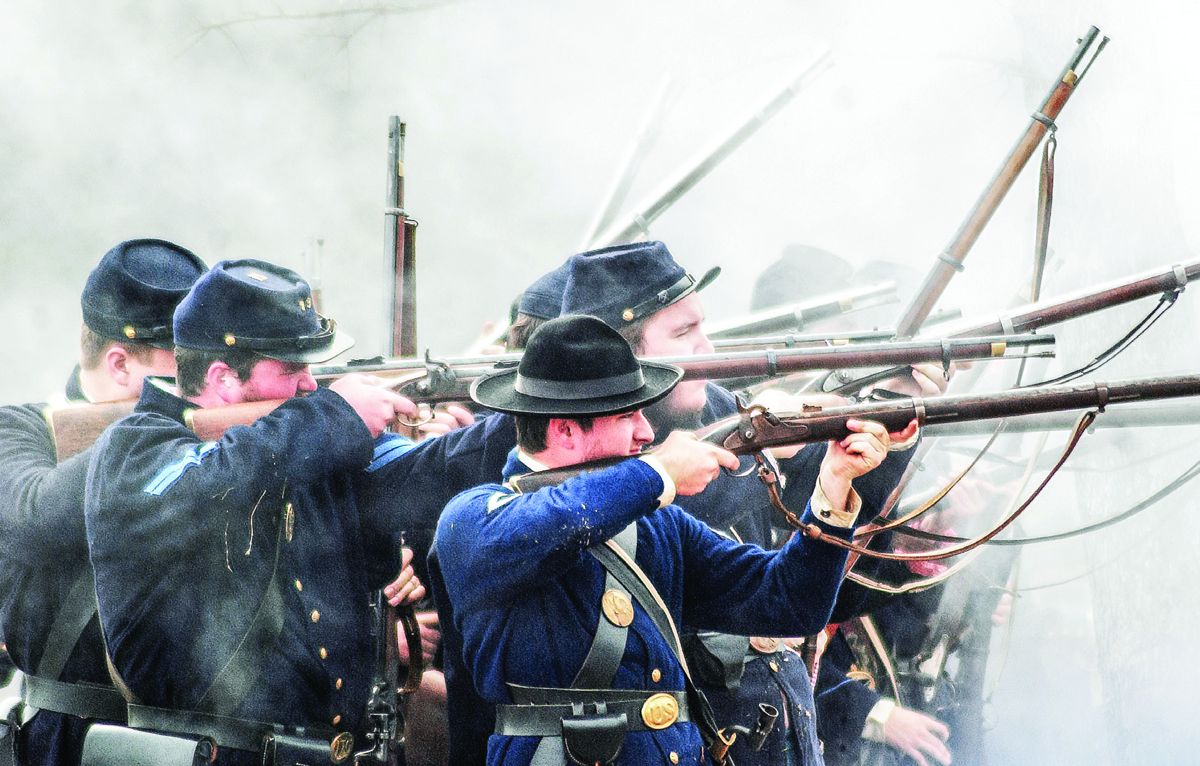
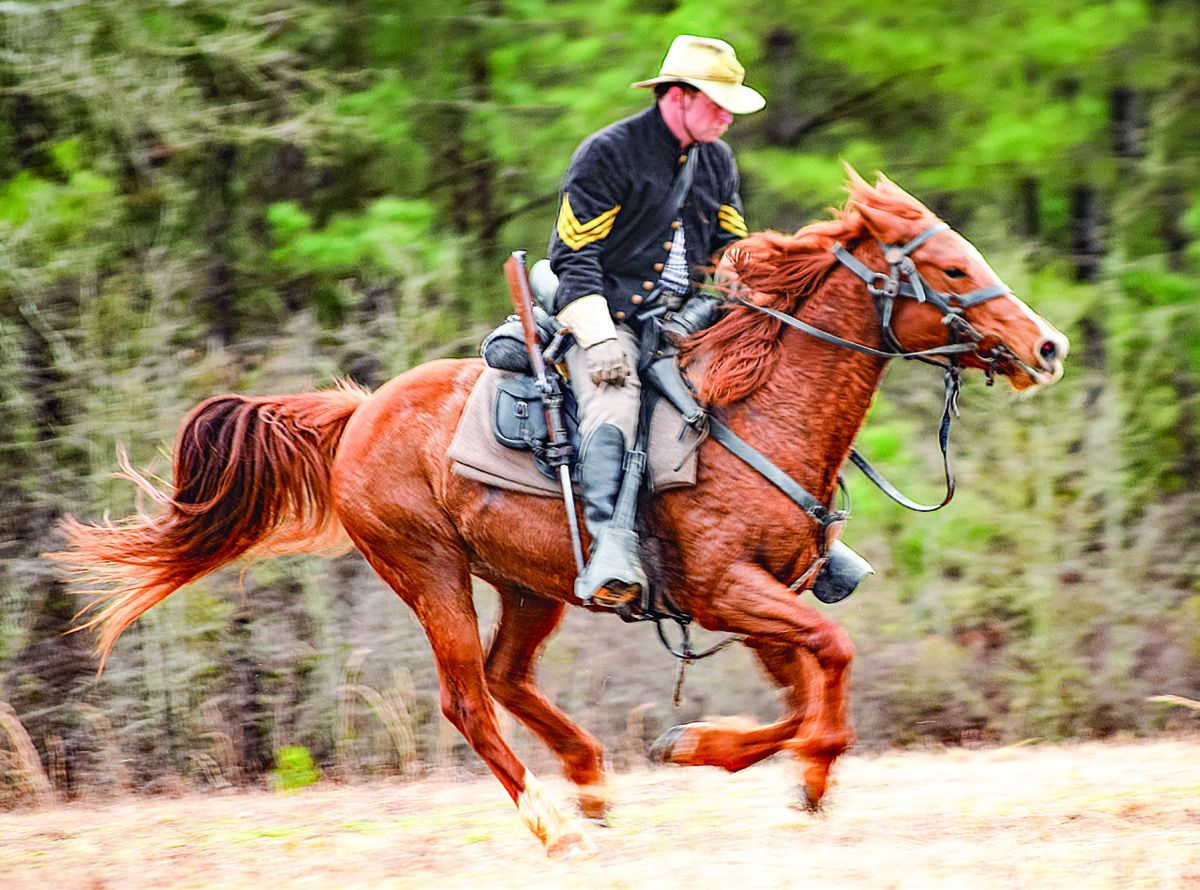
When General Hugh Judson Kilpatrick left Aiken, South Carolina – 151 years ago – he was in a hurry. General Joe Wheeler’s Confederate troopers ran the Union cavalry commander – and his Yankee horsemen – back to the Union barricades near Montmorenci. Aiken and its citizens have been commemorating -celebrating - General Kilpatrick’s hasty departure ever since. For the last 22 years, the Battle of Aiken has been commemorated with a reenactment of the cavalry engagement that saved Aiken from ruin during the final months of the War Between the States. “We’re just happy that we’ve been able to continue this event for so many years,” said Pete Peters, co-founder and spokesperson for the annual event. “Each reenactment takes on a life of its own. We’ve had a lot of adventures over the years.” Wheeler’s rout of the Union cavalry was one of the last
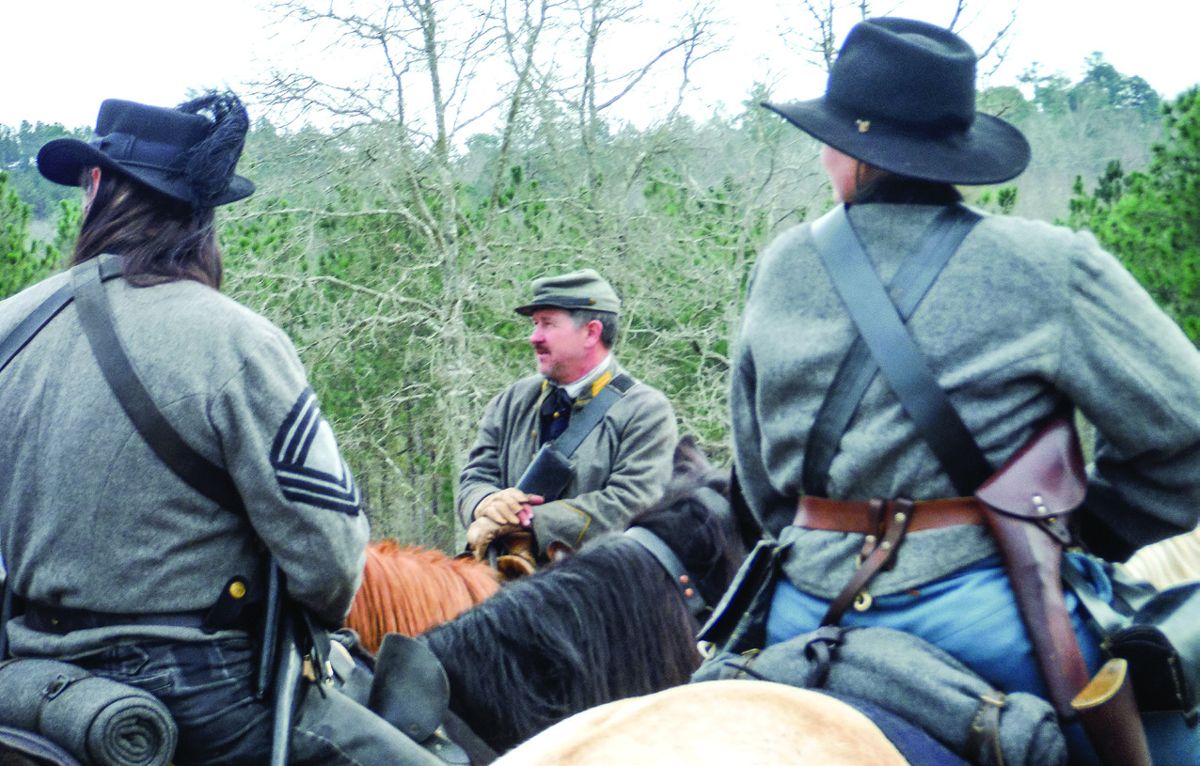
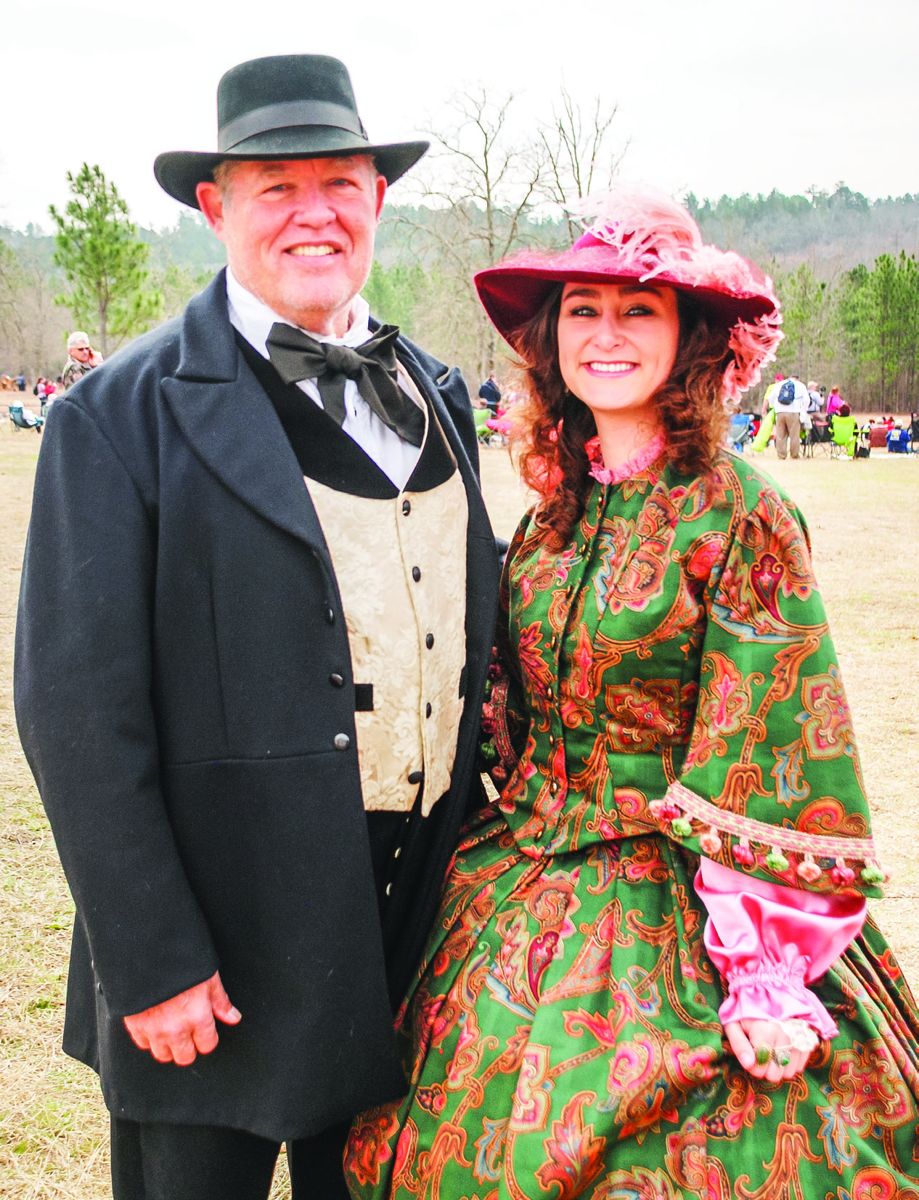
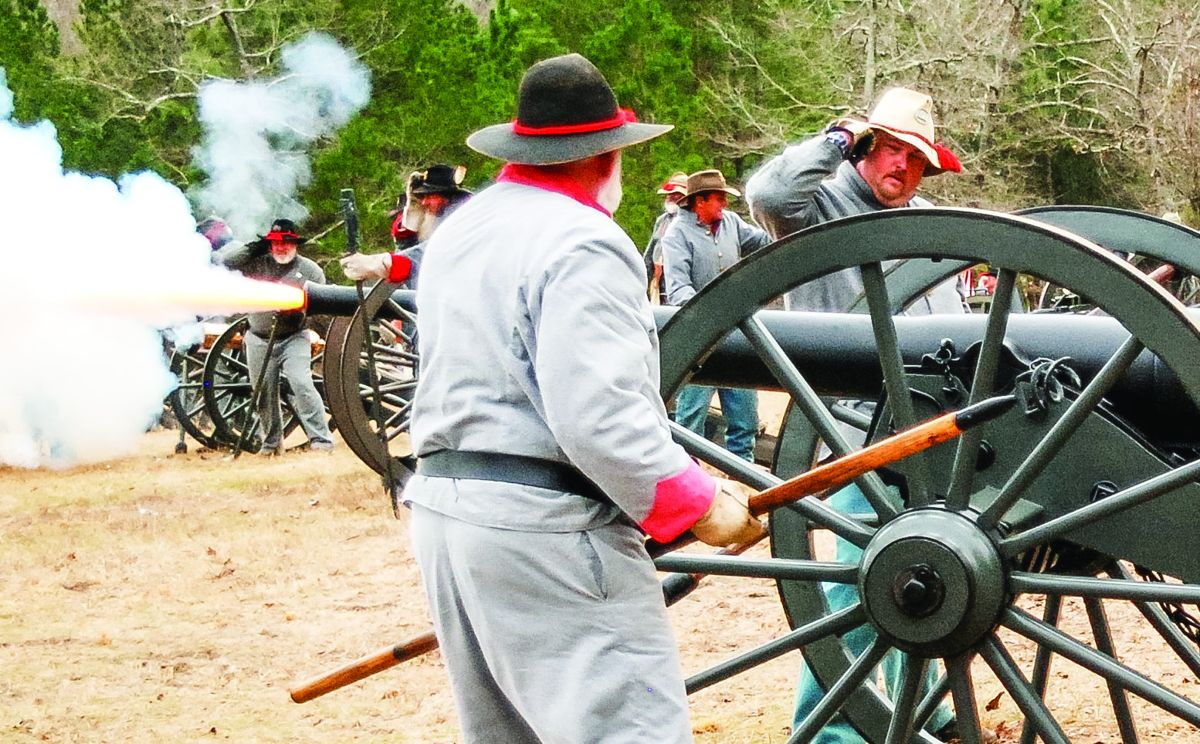
Confederate victories of the war. According to local lore, Kilpatrick was lucky to escape with his life – when a Confederate trooper’s pistol – leveled at the Union general – misfired. In his haste to leave town, Kilpatrick left his hat behind. While his hat was “captured,” the reckless, young general was not. “General Wheeler is a local hero. He was actually born near here in Augusta,” said Peters. “The Battle of Aiken definitely saved this town. Kilpatrick rode into Barnwell – the town next to Aiken – and burned it,” Peters said. “He wrote a letter back General Sherman – it said ‘General, I’ve renamed the town and its name is now Burnwell.’” Jeff Reno of Athens, Georgia, has been participating in the Battle of Aiken reenactment for eight years as the commander of the 5th Georgia Volunteer Cavalry. The 5th Georgia cavalry served at Aiken under General Wheeler and “pretty much” through the Atlanta campaign until the final surrender according to Reno. “The Battle of Aiken was basically a cavalry battle. Judson Kilpatrick was the Federal cavalry commander under Sherman. Wheeler [and his cavalry] was really the only defense that the Confederates had at that time,” said Reno. Jim Jacks – and his daughter Victoria – have been doing the Battle of Aiken commemoration since 1996. His daughter was only two. Jacks owned one of the farms near the Powell Pond Road site. Jacks joined the cavalry and fought with Hampton’s Legion for ten years before moving on to the 6th South Carolina for another decade. He’s done cavalry, infantry, Confederate, Yankee, and civilian impressions over the years. “Whatever the battle needs, we do. As long as you’re part of it, it’s a lot of fun,” said Jacks. When Jim Jacks took a hit on the battlefield, Victoria was convinced that he died and miraculously came back to life – like a modern-day Jesus. Over the years, Victoria learned “it was fake.” “After the battle, Daddy would ride up to the line where the spectators were and I’d get to jump up on the front of his horse and ride back to the camp with him,” said Victoria Jacks. “I really enjoyed that.” In twenty years, her priorities have changed – a little. “I love the ball – I’m being honest,” she said. “Tomorrow, I’ll ride sidesaddle in my riding habit.” The Battle of Aiken was unique in that it was initially a mounted fight. A horseshoe-shaped ambush – no pun intended – was set up in town. One Alabama trooper fired his weapon too soon. “The trap was sprung a little too quickly. A short fight happened near the center of town. It was a close-quarter battle on horseback, rifles, pistols. People were whacking each other with swords,” he said In South Carolina – and the Confederacy as a whole – the economy was collapsing. There was a shortage of food in general. Sustaining the Confederate army became a huge issue – even though they were fighting on home ground. The supply system was barely working. The supplies just weren’t there. Both Union and Confederate armies were foraging. “There were shortages on the civilian side as well. It wasn’t a pretty situation if you were a logistician,” said McDaniel. “Some of the locals were complaining as much about Wheeler’s troopers as they were about the Federals,” he said. “At some point, you’ve got to eat and you’ve got to feed your horses. It was a PR problem – even for the good guys.” While the Confederates in South Carolina didn’t know Sherman’s grand strategy, they knew that the powder mills in Augusta and the factories in Graniteville were vital assets that had to be protected. “The Yankees were headed towards Columbia. That was their goal. They wanted to get to Columbia,” said Edward Coke, a veteran reenactor with Confederate sympathies. “They wanted to burn that place – Columbia – and everything in South Carolina. Kilpatrick’s main objective was to hit the factories at Graniteville.”
The Battle of Aiken – fought by cavalry led by Fightin’ Joe Wheeler – saved the town from destruction by Hugh Judson Kilpatrick’s cavalry. The town survived the war while many neighboring towns were decimated by fire. “Our town was not burned. It was saved. It later became a winter resort for northerners and the wealthiest families from the North – including the Astors, Whitneys, and Vanderbuilts,” said Pete Peters. “It became an equestrian center from 1890 until World War II,” he said. “Of course, they train horses here for the Kentucky Derby.” Tourism connected with the local reenactment has also had a significant impact on the Aiken economy over the decades. During a three-day period from 5,000 to 10,000 people arrive to participate and witness the reenactment of the Battle of Aiken. “It’s very important for our community,” said Pete Peters. “It promotes the name of Aiken across the country. Bob Ruegsegger is an American by birth and a Virginian. His assignments frequently take him to historic sites throughout Virginia, the Mid-Atlantic, and the Southeast. His favorite haunts include sites within Virginia’s Historic Triangle - Jamestown, Yorktown, and Williamsburg. Bob served briefly in the U.S. Navy. He is a retired educator and has been an active newspaper journalist for the last twenty years.
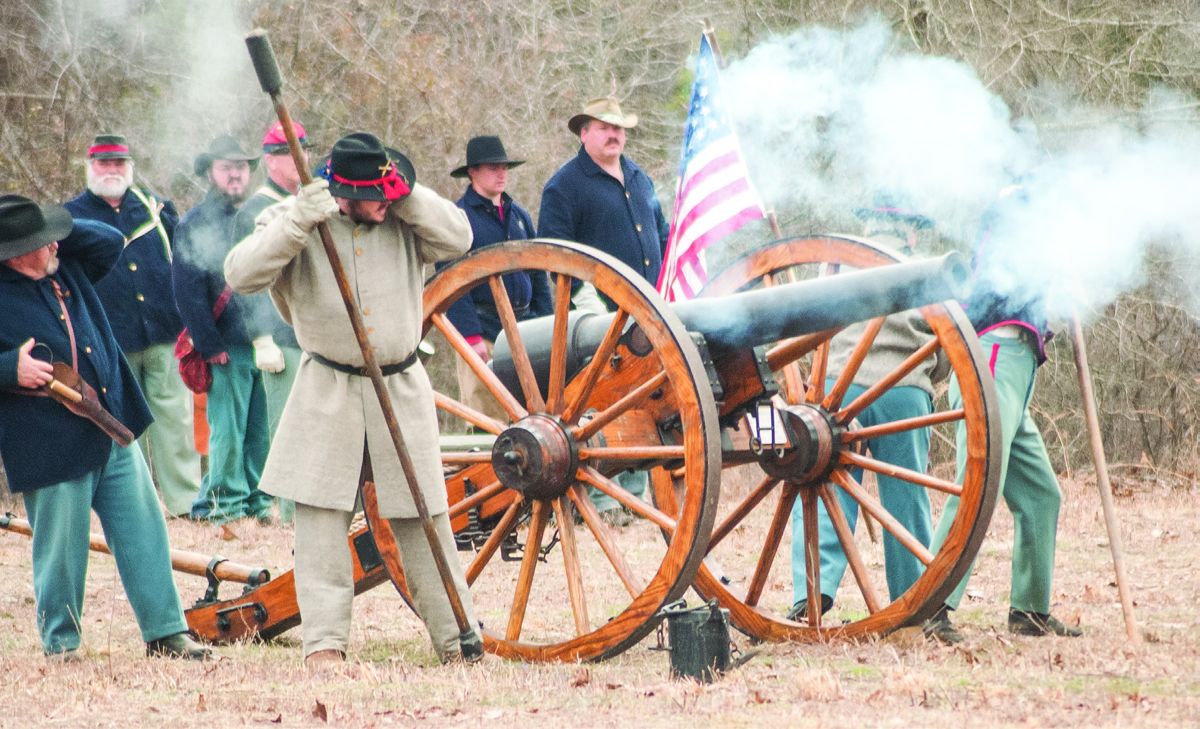
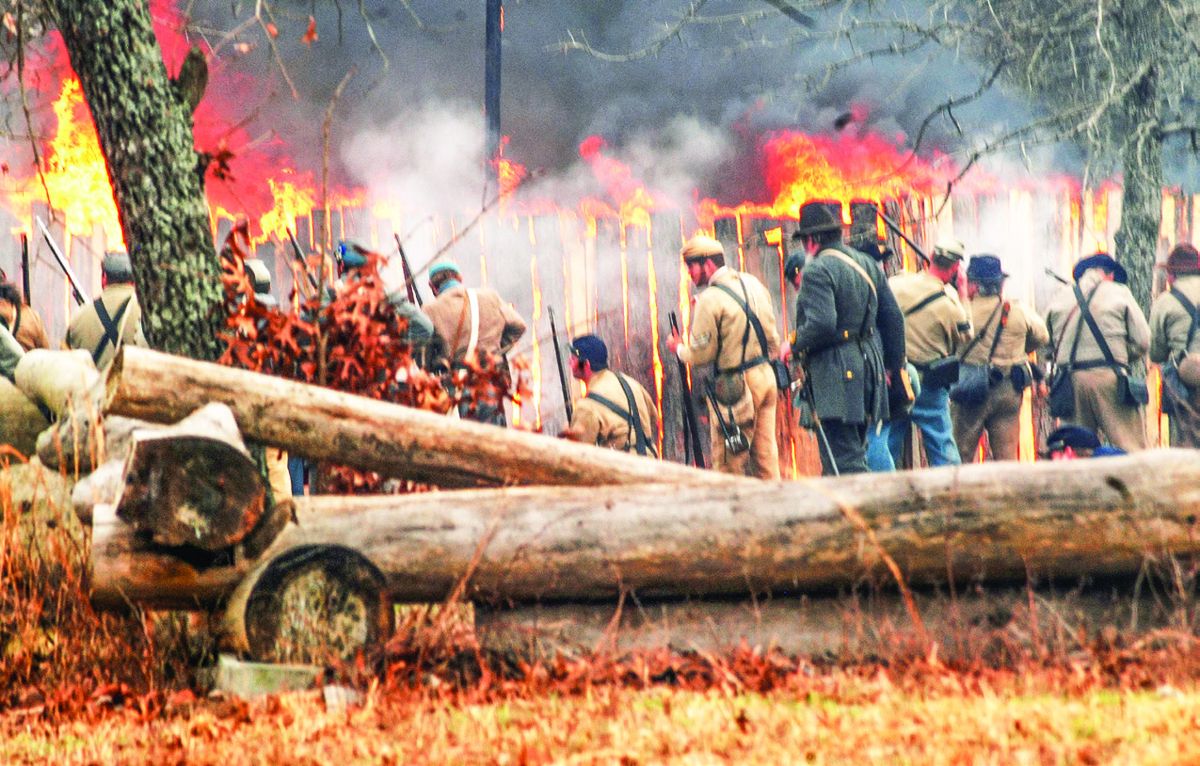
Fire raged across the battlefield to commemorate the South Carolina towns that General Kilpatrick burned during his campaign in the Palmetto State. (Bob Ruegsegger photos)