
Hard Times At Corinth: A Louisiana Unit Suffers in a North Mississippi Town
By Richard H. Holloway · Originally published September-October 2026 · pp. 26–33
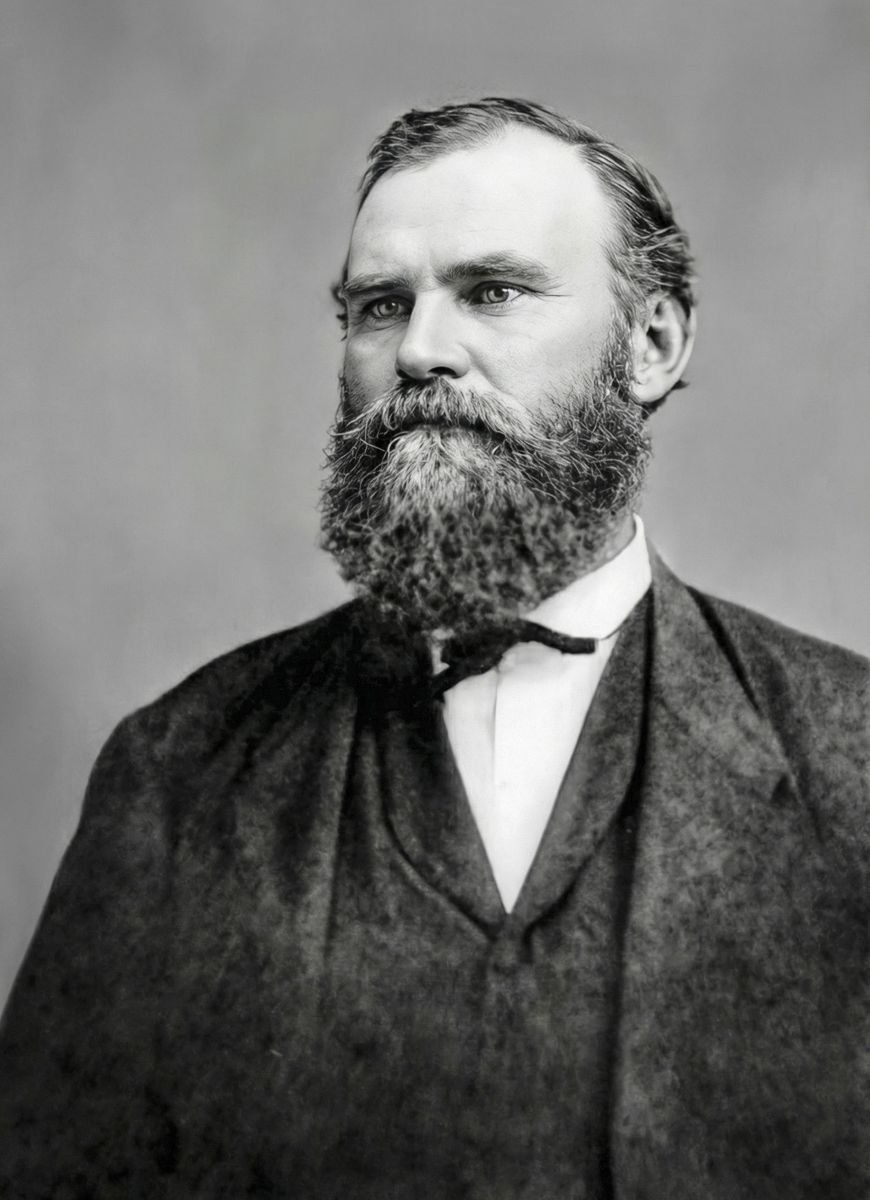
When most people hear the name of Corinth, Mississippi in the context of the American Civil War, they think of the debacle in the attack on that city of October 3-4, 1862. The Confederate commander at that time, General Earl Van Dorn, led offensive assaults to recapture the vital rail center, which ended in a dramatic defeat. However, the subject of this story, the 19th Louisiana Infantry Regiment, had bad luck even before their arrival in the aforementioned town earlier in the year. Their string of unfortunate events continued through their first arrival and steadily multiplied until their transfer to Tupelo, Miss. in late May. The harbinger of these unwelcome instances started on February 14, 1862, when the 873 men of the 19th Louisiana climbed on the train cars headed north from Camp Benjamin, La., via the Pontchartrain Railroad. Inexplicably, the car carrying their ammunition boxes caught fire and the blaze destroyed them all. This caused a panic by General Daniel Ruggles who fired off a telegraph imploring anyone to help with cartridges to resupply this unit “….as none can be had from here to Memphis.” The next day, Captain William E. Paxton, the 19th Louisiana’s quartermaster was “….ordered back to New Orleans to procure another supply.” He returned to Corinth on the 21st having successfully completed his mission.
Second Sgt. James E. Carraway, from the 19th Louisiana’s Co. B, recalled,
“In twelve or fifteen hours we reached Grand Junction….here we met a fearful snow storm and it was night, and a change of cars ordered…. A detail was made, and a transfer of baggage began, were I to say it was cold, would be using a term too mild to express the condition and suffering of our men.” The cold continued to plague the 19th Louisiana, thus calling for drastic measures. Carraway continued,
“….just imagine the poor condition of our men to stand the cold. While the transfer of our baggage was being made, the men were standing shoemouth deep in snow, with the wind blowing through their thin clothing and with aching feet. Piled near the R.R. and parallel with it was a pile of telegraph poles. Soon these were set on fire, necessity required it. Those poles stretched along the road a hundred yards or more. The snow gradually gave way to the heat, and as I write I can see the old boys standing with water streaming from their eyes because of the smoke, with one side scorching while the other was freezing. Soon the transfer of baggage was completed and the men ordered to take passage in the boxcar again, without no means of heating, with wet and dripping feet.” The train carrying the 19th Louisiana halted again and the regiment disembarked at the village of Corinth. It seemed peaceful enough at first and the citizens were very friendly, but the cold weather lingered. The men grabbed their belongings out of the railcars and marched to the woods on the outskirts of town to gather firewood and find a suitable place to set up camp. Arriving at Corinth, the 19th Louisiana was beset with sickness. To compound matters, the weather continued to play a major part. In a letter home on March 7, Pvt. John A. Harris of Co. D explained, “We have a great deal of Sickness in our Regiment and very fatal. We have lost at least 50 men since we got here. Pneumony is the worst disease we have to contend with. The cause of us having so much sickness is, leaving New Orleans, it being so very warm down their and, bringing us to such a different climate, and moving us at such a cold time, I hope the health of our Reg- will soon improve. I had a hard spell of flux, but I am over it now…. We have about 20 men unfit for duty, sick with colds.”
Carraway added, “Pneumonia became more or less prevalent, and many deaths occurred in consequence of the change of climate.” Pvt. George A. Bruton of Co. E offered his observation in a letter home on March 8, “it seems like the diseases are more fatal with the helthe and harty men ther is great lemanontation hear over the death of many members of our company.” Harris wrote,
“I have been quite sick. Was takened a day or so before I left the city with that same disease sour stomach and then having to travel in the cars (which were crowded) added to the difficulty of getting shut of the disease nocked along though badly till I got to Corinth, Miss. Went the tavern, got a bed, and lay over there one day and night. The accommodation their was bad, having so many to provide for. The disease I had to contend with was the bloody fluse that has carry so many of our boys to their long home. I thought for several days that I should dye.”
Of the places to stay in Corinth, Pvt. Rufus F. Eddins of Co. G complained, “It is not so in Corinth. Soldiers have to pay double and thrible prices for every thing they get. Upon arrival in Corinth, Carraway remembered, “we met the news that [Fort] Donalson [Donelson] had surrendered.” He also noted,
“There was no municipal law in force, the doors of business houses open, and business being transacted as in time of peace. Few, very few restraints were thrown around our men, and they were largely permitted to do as they pleased, provided they were fortunate enough to get a pass from the Captain. With the Colonel’s [Benjamin L. Hodge] approval, to pass the camp guard, which were kept out night and day, not that we were expecting the enemy, but in obedience to army regulations.” This was the condition of things in that little city in the opening months of 1862. Meanwhile, as a consequence of the increasing number of sick men, the unit was forced to transfer most of the men with illnesses to either the old U.S. Barracks at Oxford or the 1st Mississippi C.S.A. Hospital in Jackson, Mississippi. They simply did not have a large enough facility to house these men in or around Corinth. Bruton recalled, “There is troops landing hear every day…. There has been sevral little fites up on the Ten River lately but little damage dome.” Slowly, more Confederate troops moved into Corinth and its surroundings. On March 9, the 1st Louisiana Regular Infantry Regiment, comprised with a majority of Irishman, arrived at the train station. After a few days of peaceful co-existence, the quiet was disturbed.
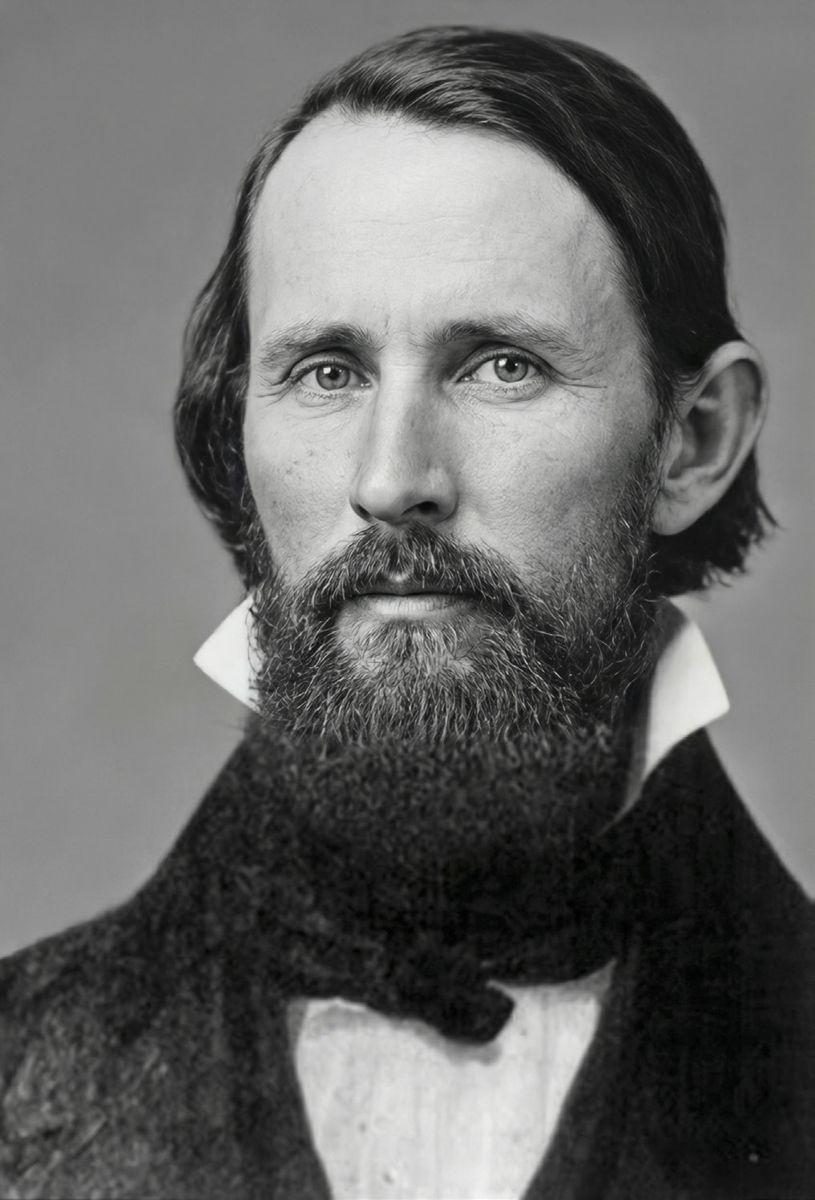
“Pandemonium reigned and the sleeping officers and men were ordered from their slumbers into line, and the cause of the warwhoops investigated,” wrote Carraway. He elaborated, “Our Irish comrades were found almost to a man drinking or drunk and I can assure you it took means more foul than persuasion to quiet them…. A large unoccupied brick storehouse was in use as a guard house.” The provost guard ended up bucking and gagging the lot of the regiment and stashing them in the makeshift prison. It turned out the Irishmen had brought containers underneath the saloon and drilled holes into the barrels of whiskey above that they had seen through the window. Soon, they drained the pots full of spirits and wandered around the sleepy town in their inebriated state making loud noises until soldiers from the 19th Louisiana corralled them up for the martial authorities. The next disruption happened in early March and hit a little closer to home for the boys from North Louisiana.
Harris recalled a case concerning one of his fellow privates in Co. D. At the time, their company commander, Capt. Winfrey B. Scott, affectionately called Bro. Scott, was dealing with a bout of “Diorear, though not bad.” But he soon had to handle an uncomfortable incident. To his wife, Harris writes,
“H. Stanley (actually Pvt. Isaac Croome Stanley), the man caught with dogs, is in a nice scrape. He got one of the officers to pass him out on pretence of going after wood to cook with. He went out about 1 ½ miles to a Nabor house [then] calls for his dinner, gets it.” Up to this point, everything exhibited seemed normal other than the bold solicitation of a meal. After he dines with the family, Stanley explains to the father that he is lost and doesn’t know how to return to his camp. The trusting father directs his daughter to show the soldier
“the way to a path close by that would bring him to camps. Stanley told [her] he had her a nice [present] on ahead and got her out of hearing [distance]. Then drawed a large knife and told her…. he would cut her head off.” He then acted in an inappropriate manner with her and finally returned to camp.
“Next day her father come to [our] camps [and] took him to town and they have him now in prison. He has not been tried yet, but no doubt he will be shot, if so our Co- will have him to shoot, at least 12 of them-and if I am detailed to shoot him, I can do it with as much grace as I ever did a mark. Bro-Scott has took a great deal of pains to make him do right, but the devil is in him- and I recon always has been…. ” The abandoned brick storehouse that Carraway mentioned is likely where they incarcerated Stanley. Paxton surmised the area they were in might be contributing to the prevalent sickness. He wrote,
“Since that night I was exposed at what the boys have felicitously dubbed Camp Lay Out I have been somewhat puny – For a day or two I was threatened with flux, but happily I am now on the mend and begin to feel as hearty as usual.” It was apparent to Paxton that a great battle was imminent, but he thought it would take place at Corinth. “Skirmishes are frequently occurring and a general engagement cannot be many days in advance – so close are matters getting is that no on the picket lines revealed the facts that they were slowly advancing, and each day a larger detail was made for picket duty.” On May 6, Eddins noted,
one is permitted to leave except on sick furlough,” he elaborated. In addition to sickness, Harris was concerned about issues back home. He wrote to his wife,
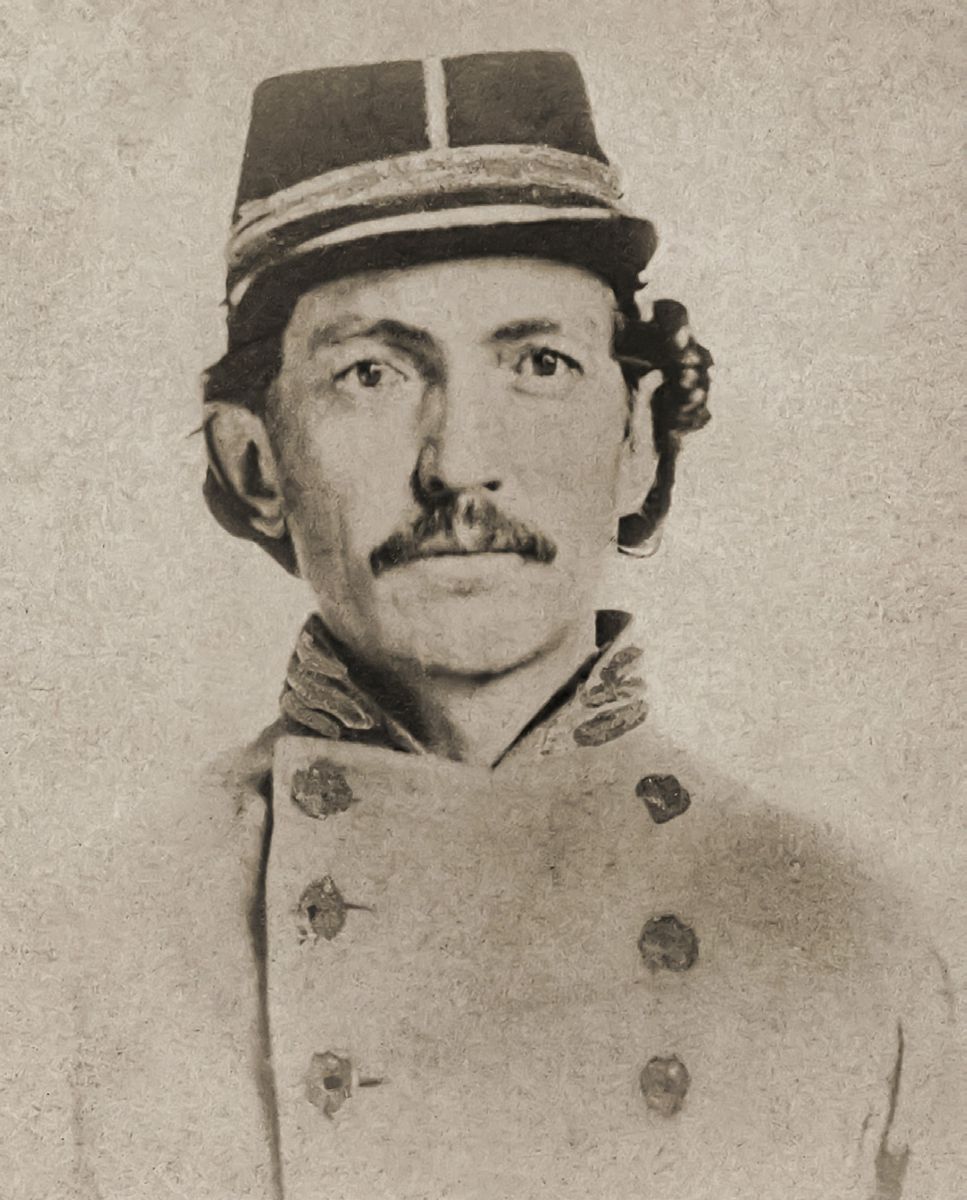
“….if the blockade is not raised by planting cotton time only plant twenty acres in cotton. All the balance in corn, and plenty potatoes.” The Battle of Shiloh loomed large in the annals of the 19th Louisiana, but it is a story for another time. However, the hard luck at Corinth still continued for the unit now known as the Bloody 19th due to its high casualty rate in Tennessee. After the return to Corinth, Paxton said,
‘It was during this last fight I was taken sick…. I was quite sick last night running off at the bowels all night – I am so weak today that I cannot sit up for more than a few minutes at a time.” Paxton later commented, “…. God only knows when the bloody conflict may be renewed….” The interaction between the Confederates and the Union army following their victory at Shiloh was brisk around Corinth. Carraway recalled, “No attack had been made upon the breastworks which we had fallen back to, after the battle of Shiloh. But the sounds of the guns each day
“We are expecting to be attacted evry hour. The enemy are within four miles of our brest works contemplating the best mode of attack. day before yesterday we lay nearly all day at the brest works in the rain waiting for them but they did not come. if they do come, witch they will shurely do, woe to the yanks evry man, I believe in Camp Corinth are deturminde to conquer or die. when men come to that deturmination it is hard to beat them.” On May 8, the unit held elections, as a lot of officers had resigned their positions. A bad fall from his horse at Shiloh caused Col. Hodge to resign. Lt. Col. James M. Hollingsworth left the service as well, leaving the regiment’s major, Wesley P. Winans, to command the group as the new colonel. Several captains and lieutenants resigned their commissions as well leaving their positions to be filled by less experienced non-commissioned officers. Winans was becoming a bit disillusioned himself, writing in his diary on May 20,
Confederate dead piled up in front of Corinth after their October 1862 assault. Fortunately, the 19th Louisiana was able to leave Corinth before this disastrous battle. (Richard H. Holloway)
“…. now the Miss. itself is blockaded by the d-n Yankee’s gunboats, for which last evil may posterity curse the stupid imbecility of Jeff Davis.” The situation around Corinth did not improve that much. Winans continued in his diary, ”We have slept in the trenches for more than a fortnight, occasionally in our tents, and occasionally interspersed with picket service. This is tic[K]lish business: Yankee bullets and Southern ticks both perforate our cuticles.” As Winans alluded to, the gunfire between the dueling armies continued. Carraway later typed,
“….hourly artillery firing and skirmishing can be heard…. my regiment was moved to the front [on May 20th], and within a half mile of the picket line it was halted under the brow of a hill near a deep ravine….” Winans wrote, “We have had warm work today with the pickets, especially at two positions – the sentinels are shooting at each other constantly.”
Any movement or gunshot could easily give away a person’s position. Winans gave an example of such a dangerous maneuver,
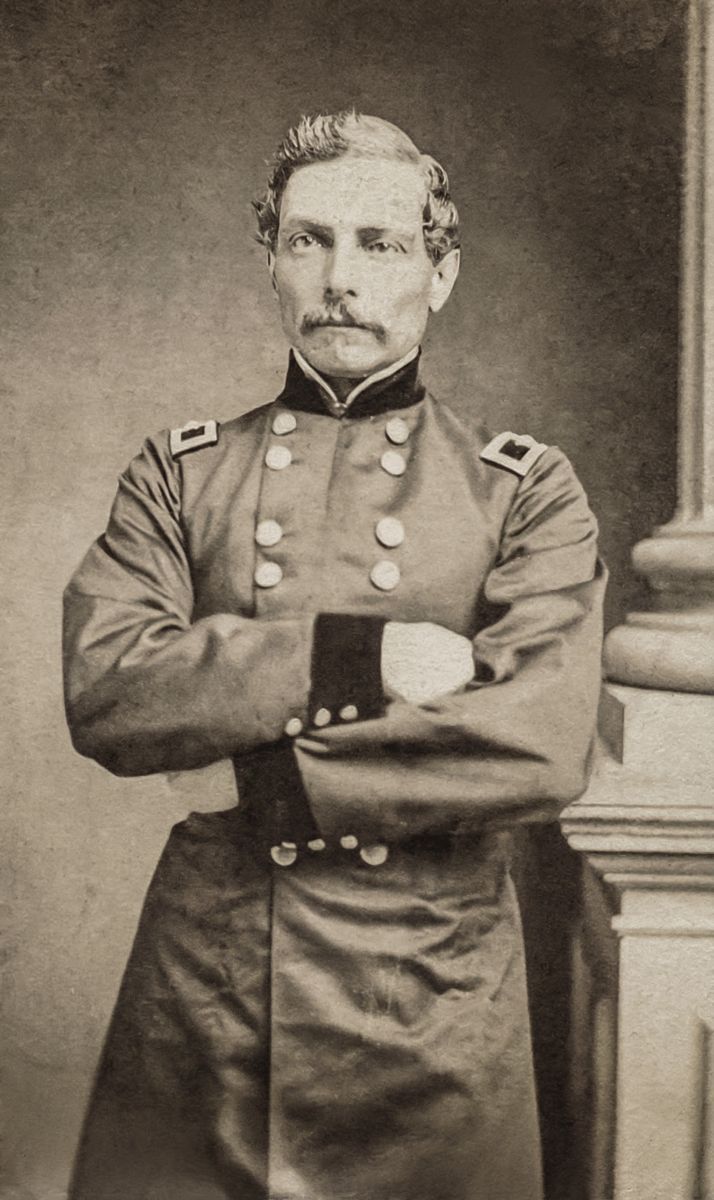
“One of our men…. imprudently got behind our lines in trying to get a shot. His leg was broken and was amputated above the knee. His name was [Pvt. Richard] McDonald of Co. A, poor fellow. What a little hero he is.” Even older men were fraught with chances to encounter peril. Carraway wrote,
“It was yet before noon and no duty of the reserve wing [which we were in]…. Notwithstanding, we were something like a half mile in rear of the picket, we would occasionally hear the whistle of a minieball. The Orderly [1st] Sergeant of my company…. [John L.] Vickers and myself…. concluded to go forward to the picket line and make some observations…. So without authority from…. [Winans] we picked up our muskets loaded with ball and three buck shot and moved to the front. These old muskets had been the flint and steel variety, but were now percussion. On reaching the line of our men we discovered that just where they were located there was no firing except by the enemy, and they not in view, not even the smoke of their guns could be seen, yet bullets rained around us.” Carraway added, they were heading. Carraway recalled, “I cocked and threw my gun up to my face” when the blue-clad soldier yelled, “Don’t shoot, I am one of Forest’s [Forrest] men!” Another nearby soldier quickly chimed in, saying the same thing. Not wanting to kill men who were possibly allies, they ordered the unknown combatants to drop their weapons. About that time, a loud volley belched forth as they had been talking too loud. The two Co. B soldiers skedaddled to the cabin and once inside noticed it was actually a small barn. Carraway kept firing from the lower portion while Vickers scrambled up to the loft to get a better angle on the enemy. The exchange of fire continued for a while and seeing as their adversaries started noticing Vickers’ upward angle, they shifted their barrels to fire in his direction. Carraway heard the bullets striking the loft area and warned Vickers to lie down. The 1st Sgt. did adjust position but continued to use the same opening to fire through. Soon, Carraway said, “I distinctly a bullet strike him and his last exclamation was ‘Oh!’” Soon, Carraway saw Vickers’ head hang down in the opening in which he had entered the loft and his comrade’s blood began to drip on the floor where he was standing. Checking to make sure he was expired, Carraway brought the body down and felt the warm blood saturate his jacket and he could see the bullet had pierced his heart causing
“But our men received orders not to fire until the command was given or to make noise of any type that would expose our position…. while we were standing there protect ting ourselves as best we could listening to the zig, zig of the bullets as they fell around us, a big old turkey gobbler came running from the direction of the enemy and passed within a few feet of us.” The men all wanted to fire at it but their duty of protection overruled them. One soldier did throw a stick at it as it passed and mumbled, “Shore dam you.” Carraway couldn’t remember whether he or Vickers came up with the idea but they decided to make their way to the right of their line where the exchange of fire was heavier. Once the NCO duo reached the fence line on their right flank, Vickers and Carraway hunkered down, trying to stay out of sight of the enemy. They spied an old cabin and decided it would be the perfect place to sharp-shoot from. Stooping down and crawling toward the cabin, Carraway spied a soldier in blue with his rifle pointed east, the direction
We Buy and Collect Rare Confederate and Southern Obsolete Currency.
a mortal wound. He soon vacated the barn before he too became a casualty. Carraway quickly returned the regiment and sadly informed his 1st Sgt.’s two brothers of the tragic loss. The siblings repaired to Winans’ tent to request they send some troops out to recover the body. Their request was denied as the position would put more lives in danger. In his diary, Winans wrote,
“Today the enemy killed Sergt. John Vickers in a house on the extreme of my right. We were unable to recover his body. This evening several regiments supported by artillery drove back my pickets through this whole line.” Two days later, Winans hadn’t forgotten about Vickers, but he realized he would have to get permission from the army command to retrieve the body. He journaled, “Today I applied for a flag of truce to get the body of Sergt. Vickers….”
Following the chain of command proved more difficult than Winans anticipated. “I first applied to Gen. Hindman, then to Gens. Bragg and Beauregard Hd. Qrs. in succession,” he wrote,
“I was instructed to address Gen. B. through his A. A. G. and sent written communications by orderly to my Brigade Commander and so through the ‘Circumlocution Office’ and my requests should meet favorable and immediate attention. I returned to my quarters and did as instructed. No answer yet and it is night and nearly bedtime. If granted a flag of truce will come too late for Vickers’ body. The more I have to do with officials, the more I am convinced that insolence, ignorance and general incompetency, placed in office by favoritism or nepotism, is helping to Jeff Davis us to the devil.” Fortunately for all concerned, with the exception of Carraway and the Vickers brothers, the 19th Louisiana soon joined General Beauregard in leaving Corinth under the cover of darkness on May 29. The Creole general’s evacuation was masterful. He sent deserters to plant false information for the Yankees concerning reinforcements and bolstered that deception by having trains move through the area as if arriving with fresh troops and orchestrating loud cheers as if welcoming substantial amounts of regiments. He even burned supplies to better sell the grand act. By the next morning, Beauregard’s entire force had taken passage by rail to Tupelo leaving the Yankees to capture an empty town and thus ended the 19th Louisiana’s tragic stay in Corinth.
Richard H. Holloway, a Louisiana native, formerly a Senior Editor for America’s Civil War and Civil War Times magazines. In addition to numerous articles, he wrote biographies of Richard Taylor, Hamilton Bee, and William R. Boggs for Confederate Generals of the Trans-Mississippi (Univ. of Tennessee Press). Holloway is a member of the Western Theater Historians Association. He was previously an archivist for the Louisiana State Archives and a curator for the Louisiana National Guard. Holloway can be contacted by email at [email protected].