
A Conversation with Mike Kent
Originally published September-October 2026 · pp. 8–13
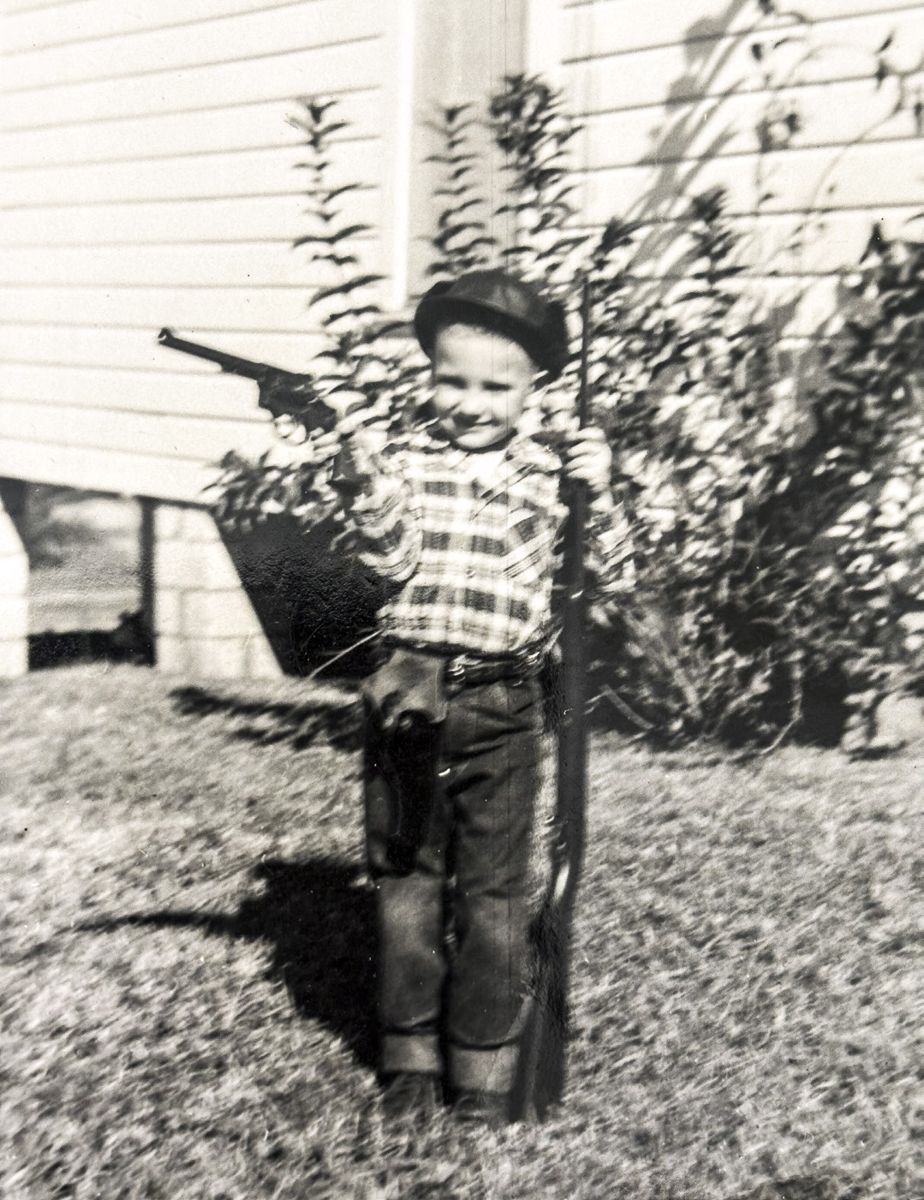
How did you get involved in promoting Civil War & Gun Shows? I have been a lifelong firearm enthusiast and history buff. I learned to shoot my father’s .22 rifle and pistol at an early age, and I received my own .22 rifle for Christmas when I was 10. By age 12, I had acquired a shotgun as well. Around that time, I attended my first gun show at the National Guard Armory in Griffin, Georgia, where I was overwhelmed by the selection of firearms, militaria, and accessories. I had saved my grass-cutting money from the previous few weekends and came home with a British .303 Enfield rifle, bayonet, and bandolier of ammunition for the princely sum of $18. I was hooked. My dad and I took the rifle home, cleaned off the cosmoline, and took it out to the river for test-firing. The rest is history. That rifle still hangs proudly on my office wall as a reminder of that fateful day. Fast-forward 30 years, and I was working in corporate finance for a Fortune 500 company, managing its U.S. leasing operation. I had always wanted to be my own boss. My children were young at the time, and I also wanted to spend more time with them as they were growing up instead of putting in 60-hour weeks and traveling frequently for a large company. I saw an advertisement in the old Shotgun News for someone to promote a show for them. I flew to Reno, Nevada, to meet the publisher and was selected to produce a show in Cincinnati, Ohio. After several weeks of research, buying my first computer, and getting letterhead printed, I was informed that the arrangement Shotgun News had with the venue and the city had fallen through because of local ordinances. There would be no show. My dream was crushed before it even got off the ground. About that time, I became aware of a Civil War show at the Farmers Market in Forest Park, Georgia. I went there out of curiosity and quickly realized that this was the path I wanted to take. With antique arms, I would not have to worry about local ordinances, age limits for firearm purchases, and the ATF looking over my shoulder. After a little research, I selected Chattanooga, Tennessee, as the perfect place for my first Civil War show because of its strategic position during the war and its location halfway between Atlanta and Nashville, where shows already existed. I attended the Middle Tennessee Civil War Show in Nashville, handed out flyers, met dealers, and made contacts for the show. Surprisingly, several dealers filled out applications on the spot, gave me cash for their table fees, and I was on my way. I wanted to make a good impression with my first event, so I rented the main hall at the Chattanooga Convention Center, booked a block of rooms at the adjacent hotel, provided a sit-down barbecue dinner for dealers on Friday night, and went overboard on advertising. The show was a success, and soon dealers wanted to know when the next show would be held. I quickly scheduled my second show for the same location a year later, fine-tuned a few things, and it was even more successful. After the second show, I received a call from Larry Hicklen, founder of the Middle Tennessee Civil War Show, who wanted to know if I would be interested in managing his show. Of course, my answer was a resounding yes. I then knew I was in a position to take this hobby and business opportunity to the next level. The Nashville show allowed me to develop relationships with dealers and other promoters around the country and laid the groundwork for expanding, acquiring other shows, and becoming a fulltime show promoter.
Looking back over more than 35 years in the business, what has changed the most? Advertising and communication have changed the most during my career, largely because of the internet. When I started, you had to go to a show and collect business cards from dealers just to obtain their addresses and phone numbers. Starting months before a show, you mailed potential dealers a flyer and then followed up with a phone call. It was labor-intensive and time-consuming. Hard-copy advertising proofs had to be created in various sizes by a printing company, mailed to newspaper and magazine editors, verified through a follow-up phone call to make sure they had been received, and then printed in the appropriate periodicals. Television spots had to be filmed live, voice-overs had to be edited, and the finished commercial had to be sent to the correct station for airing, again followed by a confirmation call. Mailing lists for attendees were developed at shows through drawing forms for a door prize. The names obtained were manually keyed into a database to create mailing labels
for postcards. The labels and stamps were then applied by hand, and the postcards had to be sorted and taken to the post office. A single show mailing could consist of more than 5,000 postcards. Now, nearly every dealer has a website and can be contacted by email, phone, or text. Ads can be produced, changed, updated, and delivered electronically, and an email blast to 5,000 attendees can be sent with the touch of a button. These advances save hundreds of hours of labor and thousands of dollars, and they deliver a better product faster and more efficiently than in the past. Social media also allows promoters to stay in constant contact with both dealers and attendees instead of seeing them only once or twice a year at shows.
More than one million people have attended your shows. What does that say about continued interest? There has always been an interest in military history and firearms in this country, and most families have, or have had, relatives who served in the military. Combine that with the fascination and mystique surrounding weapons of all types and eras, and you have a successful formula for a long-term business, whether the focus is modern firearms or antique arms. Most shows started small, often with 100 tables or fewer in hotel ballrooms and National Guard armories. The fact that we now have numerous shows with 1,000 tables or more, and that many of those shows have been around for 20 to over 40 years, proves that interest in our industry has grown over time. These events still attract thousands of attendees across the country every year. Attendance can fluctuate because of the economy, potential firearm legislation, and one-off events such as the pandemic. Still, there remains a core group of enthusiasts who keep both the modern and antique firearm industries strong year after year.
From a promoter’s standpoint, what makes a show successful? Many factors work together to make a show successful, but the bottom line is attendance. The key to strong attendance is good advertising and a reputation for quality shows. A clean, modern venue with proper lighting, plenty of free parking, easy access for move-in and move-out, tasty concessions, and good weather is always helpful. At the end of the day, however, attendance is what counts because large crowds generally mean strong sales for the vendors. Dealers have invested hundreds, and sometimes thousands, of dollars to be at the show in the form of table fees, hotels, food, gas, and other expenses. They expect to turn a profit on that investment. Many venue conveniences can be overlooked if attendance is good. I am constantly on the floor throughout the weekend and can get a good sense of how sales are going and what the mood of the vendors is. To me, if the dealers are happy on Sunday afternoon, then I feel I have done my job by providing a safe, fun, and profitable event for them. As shows mature, grow, and develop a reputation, vendors can be confident that the money they spend to participate will be a good investment. That makes them want to return every year. Advertising creates strong attendance, and strong attendance creates loyal vendors and attendees.
How do you decide which cities and venues are right for MK Shows? At first glance, it might seem overwhelming to determine where to put on a show. Over the years, however, we have developed a simple checklist of must-haves for an event location. I personally will not produce a show with fewer than 400 tables, so that limits me to venues with a minimum of 40,000 square feet of continuous exhibit space. That type of space is generally available only in larger cities, which usually means a larger population base and a better probability of strong attendance. I also require venues to have ample free parking. From a legal standpoint, I need the ability to contract the same date for multiple years, with no similar events allowed in the venue for 90 days before my event and 30 days after. It is also important to know your competition, including when and where they might be promoting a similar event. As a promoter, I know most of the other individuals in the industry, and we generally work together to make sure we do not step on each other’s toes. Local support is also important. We have been fortunate to have the full backing and support of city and government officials in Franklin, Tennessee, and Dalton, Georgia, for our Civil War shows. We have not been as fortunate in some cities with our gun shows and have actually left certain venues because of a lack of support and overreaching demands.
What are the biggest challenges in promoting shows? The challenges are very different for Civil War shows and modern gun shows, with modern gun shows being the most challenging by far. There are really no issues involved with producing Civil War shows other than public perception in some areas. Gun shows are more difficult because of strict ATF regulations, varying state and local laws, insurance requirements, security issues, and the risks of accidental discharges. Advertising can also be a problem, as some television networks refuse to air firearm-related commercials. Finding a date for a modern gun show is another challenge. There are so many promoters in each state competing for venues and dates that it is possible to have three shows in one state on the same weekend. That splits dealer participation and attendance among all events. Gun shows also tend to attract a different clientele, which can prove difficult to manage at times and requires a more robust security presence. Modern shows also constantly fight the perceived “gun show loophole” agenda in certain locations, with activists and local politicians looking for ways to keep gun shows out of their communities.
What types of Civil War material draw the strongest interest? From my viewpoint, the strongest material has always been weapons: rifles, pistols, and swords. These are the implements people see in every movie, painting, and reenactment, and they are the items most people can readily relate to. Every soldier had one or more weapons and tended to care for them because their condition was often a matter of life or death. For the same reason, many weapons survived the war and are still available to collectors today. If you go to any Civil War show, you will see a huge variety of items on display and for sale, but the predominant type of merchandise will be weapons. The same theory applies to auction houses. Their catalogs are primarily filled with firearms of all descriptions, and firearms tend to bring the highest realized prices of any Civil War items offered at auction. This interest in weapons is reinforced by the popularity of reproduction arms, such as rifles and pistols, which are readily available on the commercial market through retailers such as Dixie Gun Works. They provide enthusiasts with the opportunity to own and shoot a firearm that is essentially the same type used during the Civil War.
How has the internet changed the way people buy, sell, and attend shows? The internet has had a tremendous impact on both Civil War and modern gun shows, some good and some bad. It has enabled people to shop 24 hours a day, seven days a week, 365 days a year from the comfort of their homes. It also gives them access to more material than they would ever be able to see otherwise. On the other hand, it has caused people to lose some of the camaraderie and relationships they develop with dealers at shows, along with the ability to gather firsthand, face-toface information about specific items. Every serious dealer in both the Civil War and modern gun industries has to have a website and be on social media in some form to be successful. The internet will not supplant shows by any means, but it gives enthusiasts more options, more information, and more contacts in their particular fields of interest than ever before.
What role do shows play in helping collectors learn about authenticity and value? Shows are invaluable when it comes to sharing information about Civil War artifacts. One of the first things I noticed when I began producing Civil War shows was the willingness of dealers to share their knowledge with other dealers and with the general public. It was not uncommon for a dealer to examine a piece,
give his opinion on it, and then suggest that another dealer look at it as well because that dealer might know more about it. This type of activity still plays out at every show and has a huge impact on helping validate the authenticity and value of items. Dealers work together to police themselves and the industry, and they are quick to weed out suspect items that could tarnish the reputation of a show or dealer. Even though there is a wealth of information on the internet about every facet of Civil War collecting, there is no substitute for talking to a dealer at a show who specializes in that item, has collected it for years, has possibly written a book about his experiences, and is willing to share his hardearned knowledge for free. Shows tend to bring together the best of the best when it comes to years and years of experience in our industry.
What has been your most memorable moment? Without a doubt, the most memorable moment and turning point in my career came one night in 1991, when Larry Hicklen called me and asked if I would be interested in managing his Middle Tennessee Civil War Show at the old Nashville Fairgrounds. I had produced two Civil War shows in Chattanooga at the time and was a relative novice in the industry. I was shocked and honored that Larry would consider me to manage one of the preeminent shows in the country. My association with the Nashville show quickly introduced me to Joe Cogbill, a collector from Macon, Georgia, who introduced me to Dick Malone, his best friend and fellow collector from Asheville, North Carolina. Although Dick was 30 years my senior, I discovered that he and I both graduated from Georgia Tech and were both members of Sigma Chi fraternity.
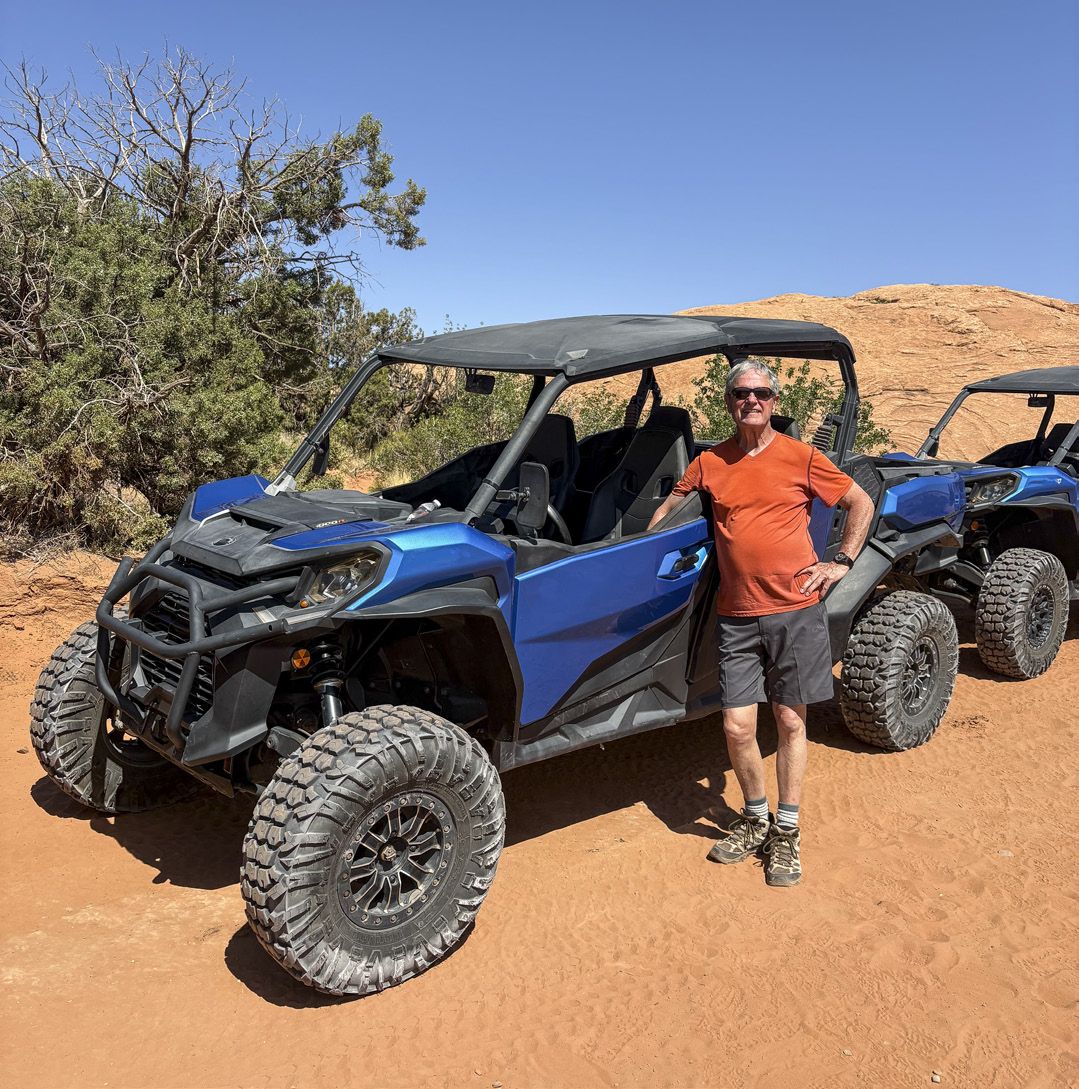
Off-roading in Moab.
The icing on the cake was that Dick had founded the Asheville Gun Show in the early 1960s and now wanted to retire and sell it. This random introduction led to my purchasing the Asheville show and, over the ensuing years, meeting other promoters and acquiring shows in Charleston, Columbia, Florence, and Myrtle Beach. Eventually, that resulted in the production of more than 20 shows annually. I do not think Larry had any idea what he created the night he made that phone call, but it was life-changing for me, and we remain close friends to this day.
How important are long-term relationships? Long-term relationships are critical to the success of any Civil War show or modern gun show. First, you have to develop a relationship with dealers. They have to trust that you will provide a safe, comfortable venue with proper security. They expect you to be well organized in every aspect of the show-production process, from move-in until move-out. They need to know that you are spending an adequate amount on advertising to bring in a crowd, and they expect you and your employees to be on-site with them for the entire event. As a promoter, I pride myself on long-term relationships and try to know as much as I can about my dealers from a personal standpoint. Over the years, I have traveled with dealers, vacationed with dealers, stayed with dealers, enjoyed meals with dealers, sent birthday cards to dealers, and attended dealers’ funerals. The relationship does not stop when the show ends.
Once you have developed a good relationship with the dealers, the relationship spreads to the attendees. After a few shows, they know they can count on you to produce a professional event that is worthy of their time, travel, and money. Word of mouth then comes into play as they tell their friends and fellow enthusiasts that yours is a show they do not want to miss. Good attendance is built on top-quality, long-term dealers, and quality dealers are built on continued good attendance. The final important relationship is the one you build with your venue. I have been in all of my current buildings for more than 20 years, and that does not happen by chance. I pay my deposits and bills on time, follow all rules and regulations put forth by the venue, and try to be the most user-friendly, low-key promoter on their calendar of events. In turn, my venues guarantee my annual dates, protect me from other promoters coming into the venue, and stay in touch with me throughout the year with updates that might affect my show. It also does not hurt to offer free passes to the staff and their families, tip the maintenance personnel generously, and send birthday and get-well cards to the facility director. All in all, good relationships with dealers, attendees, and venues are based on treating people the way you would like to be treated.
Looking ahead, what is the future of shows? People have been predicting the demise of shows for many years, yet shows keep marching on.
The internet has enabled a new generation of Civil War and modern firearm enthusiasts to become immersed in the hobby, and even the most die-hard keyboard cowboy wants to attend a show to see, hold, and talk about his passion. New collections are constantly coming to market through dealer acquisitions and auctions, which only strengthens our business. The basic tenet of displaying objects for sale in a public setting to a live crowd has been with us since ancient times and will be with us for many years to come, albeit with different sellers, buyers, venues, and merchandise.
What should dealers understand about attending shows? I think dealers already understand the value and importance of attending shows in person. Although they may have a great website, customers love to put a name with a face, shake your hand, and ask a random question about a relic they bought from you last year. Most dealers do not think of themselves as celebrities, but attendees love to mix and mingle with their favorite dealers at shows and name-drop to their friends about the people they ran into at the show. No matter how great your website may be, there is nothing like picking up a relic at a show, examining it in person, getting other vendor opinions, and making a deal for cash face to face. The fact that dealers drive thousands of miles and spend thousands of dollars every year to attend shows indicates the value of in-person transactions.
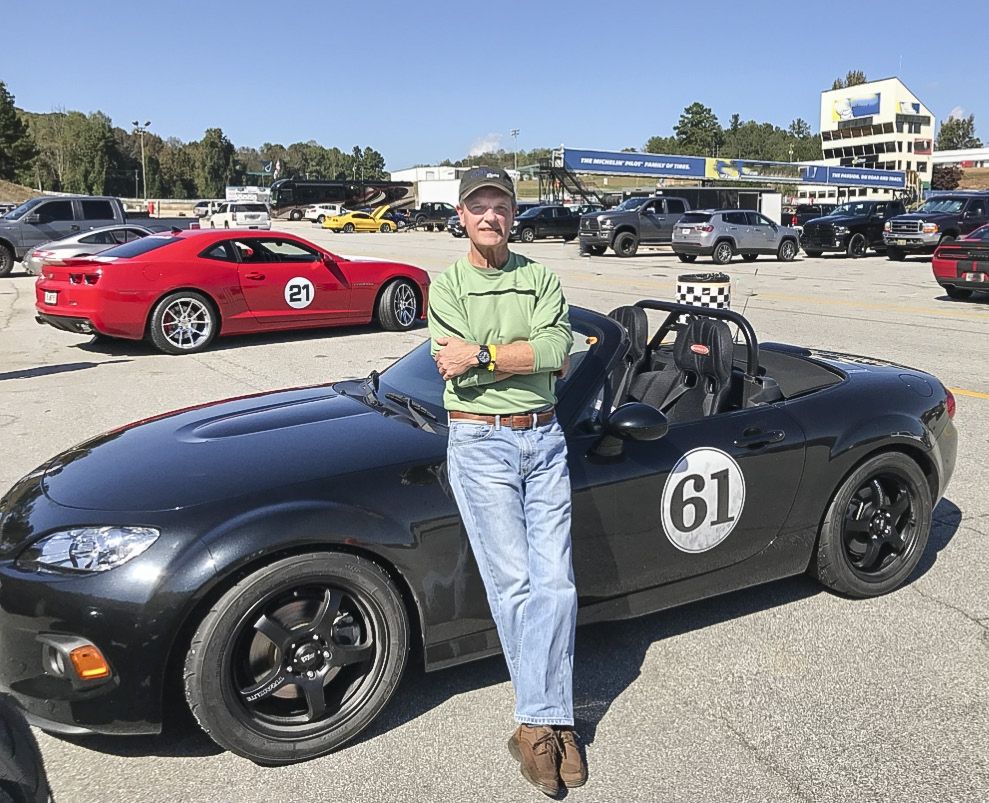
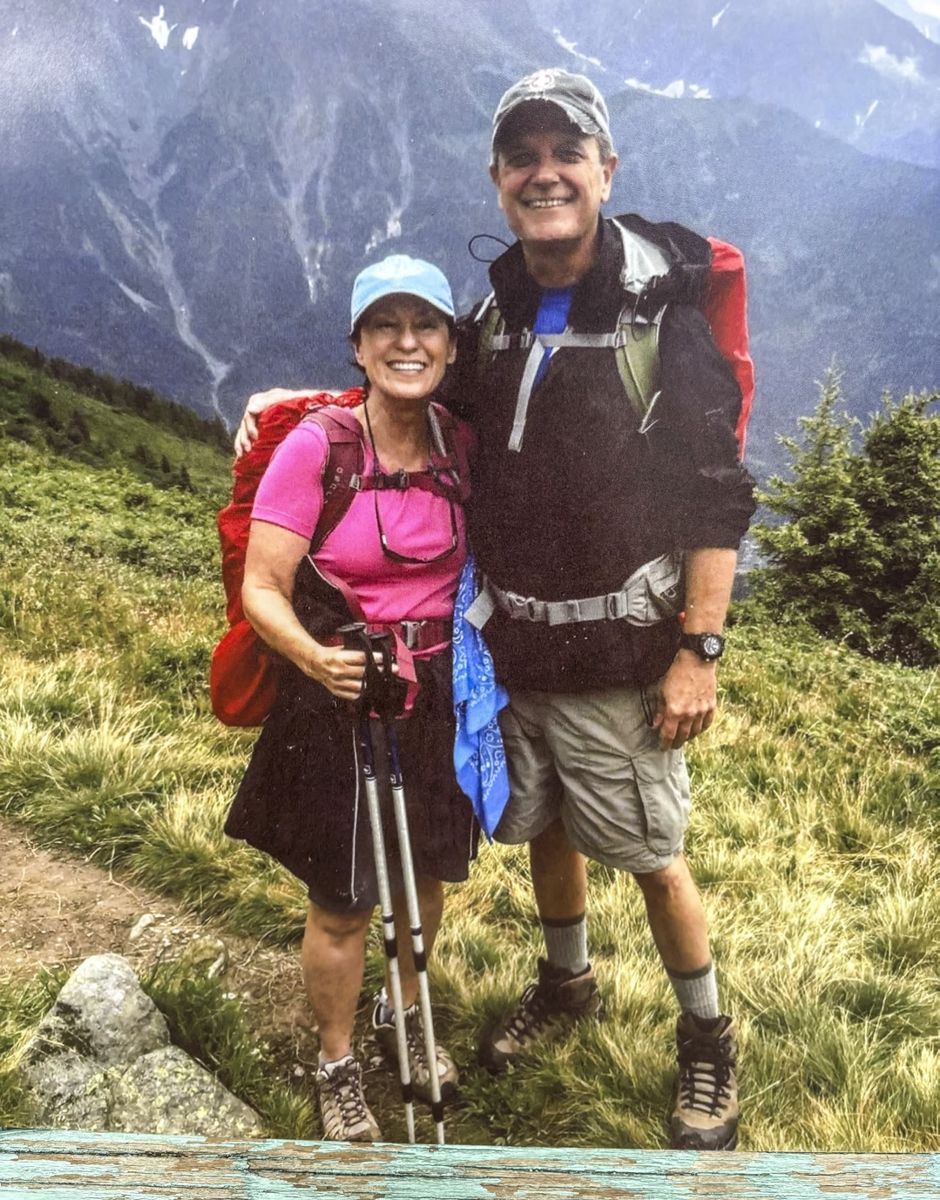
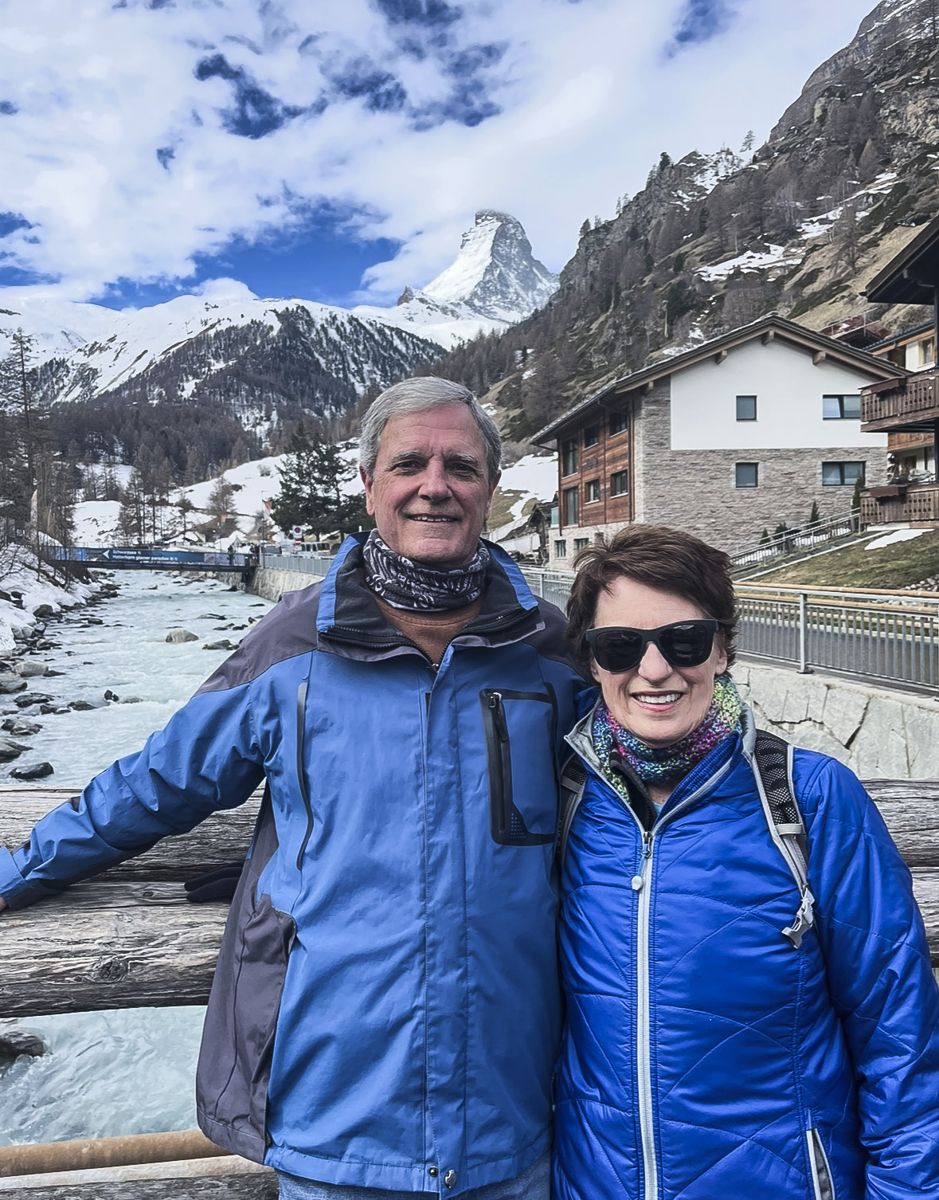
What do you enjoy doing in your free time? Cathy and I love to travel, and together we have visited more than 40 countries. We try to add one or two new countries each year and have plans to visit Bhutan and Uzbekistan in 2027. We enjoy long-distance hiking and spending time with our dog and rescue cats. I also have a race car that I take to Road Atlanta for track days several times a year.